
For anyone planning a visit, conducting business, or simply curious about life in one of America’s most historic cities, knowing the local time in Boston is fundamental. More than just a number on a clock face, understanding Boston’s time zone has profound implications for travel planning, managing jet lag, coordinating activities, and truly immersing oneself in the rhythm of this vibrant Massachusetts hub. This guide delves into the specifics of Boston’s time, offering insights and practical advice for travelers to optimize their experience and navigate the nuances of time differences.
Decoding Boston’s Time Zone: EST and EDT
Boston operates within the Eastern Time Zone, a classification shared by many states along the eastern seaboard of the USA. However, the specific time designation shifts twice a year due to Daylight Saving Time.

The Basics: Eastern Standard Time (EST)
During the standard period, typically from early November to mid-March, Boston observes Eastern Standard Time (EST). This time zone is designated as Coordinated Universal Time minus five hours (UTC-5). This means that if it’s 12:00 PM UTC, it would be 7:00 AM in Boston under EST. EST is a consistent benchmark, allowing for straightforward calculations when comparing it to other international time zones. For travelers arriving from regions further west, this means “springing forward” your internal clock, while those from the east will be “falling back.”
Daylight Saving Time: Eastern Daylight Time (EDT)
The concept of Daylight Saving Time (DST) dramatically impacts the local clock in Boston and across most of the USA. Each year, on the second Sunday in March, clocks “spring forward” by one hour, transitioning from EST to Eastern Daylight Time (EDT). This effectively moves Boston to UTC-4. The change aims to maximize daylight hours during the warmer months, pushing sunsets later into the evening. This period of EDT typically lasts until the first Sunday in November when clocks “fall back” one hour, returning to EST. This shift is crucial for travelers to note, as a miscalculation could mean missing a flight, a tour, or a crucial meeting. Always confirm the exact date of these transitions if your travel falls around these periods.
Practical Implications for Travelers
For visitors, the fluctuating time zone demands a degree of awareness. Your smartphone, laptop, and other smart devices will typically adjust automatically, but it’s always wise to double-check their settings, especially after landing. Online time zone converters are excellent tools for pre-trip planning, allowing you to accurately gauge the time difference between your home and Boston at any given point in the year. Understanding whether Boston is on EST or EDT directly influences everything from flight arrival times to the opening hours of attractions. Being prepared for these changes helps mitigate common travel inconveniences and ensures a smoother transition into your Boston adventure.
Navigating Time Differences: A Traveler’s Guide to Boston
Beyond simply knowing the current time, successful travel to Boston hinges on effectively managing the personal and logistical impacts of time differences. This involves everything from battling jet lag to meticulously coordinating your itinerary.
Planning Your Arrival: Synchronizing Your Internal Clock
Jet lag is the bane of many long-distance travelers, and a significant time difference when traveling to Boston can certainly induce it. Strategies for minimizing its effects include gradually adjusting your sleep schedule a few days before departure, moving closer to Boston’s time. Upon arrival, immerse yourself immediately in the local time. Try to schedule your flight to arrive in Boston in the afternoon, giving you enough time for a light dinner and an early night, allowing you to wake up relatively refreshed the next morning on local time. Stay hydrated, avoid excessive caffeine and alcohol, and seek natural light exposure during Boston’s daylight hours to help reset your body clock.
Coordinating Activities: Flights, Tours, and Dining
Precise timing is paramount when planning your Boston itinerary. When booking flights, pay close attention to arrival and departure times, confirming whether they are local to the origin or destination. For pre-booked tours, such as a historical walk along the Freedom Trail or an immersive experience at the Boston Tea Party Ships & Museum, always note the start times in Boston local time. The same applies to restaurant reservations, theater tickets at the Boston Opera House, or sporting events at Fenway Park. A simple error in converting time can lead to missed experiences and wasted money. For business travelers, being acutely aware of the time difference when scheduling meetings with local contacts or attending conferences is non-negotiable.
Staying Connected: Bridging the Time Gap with Home
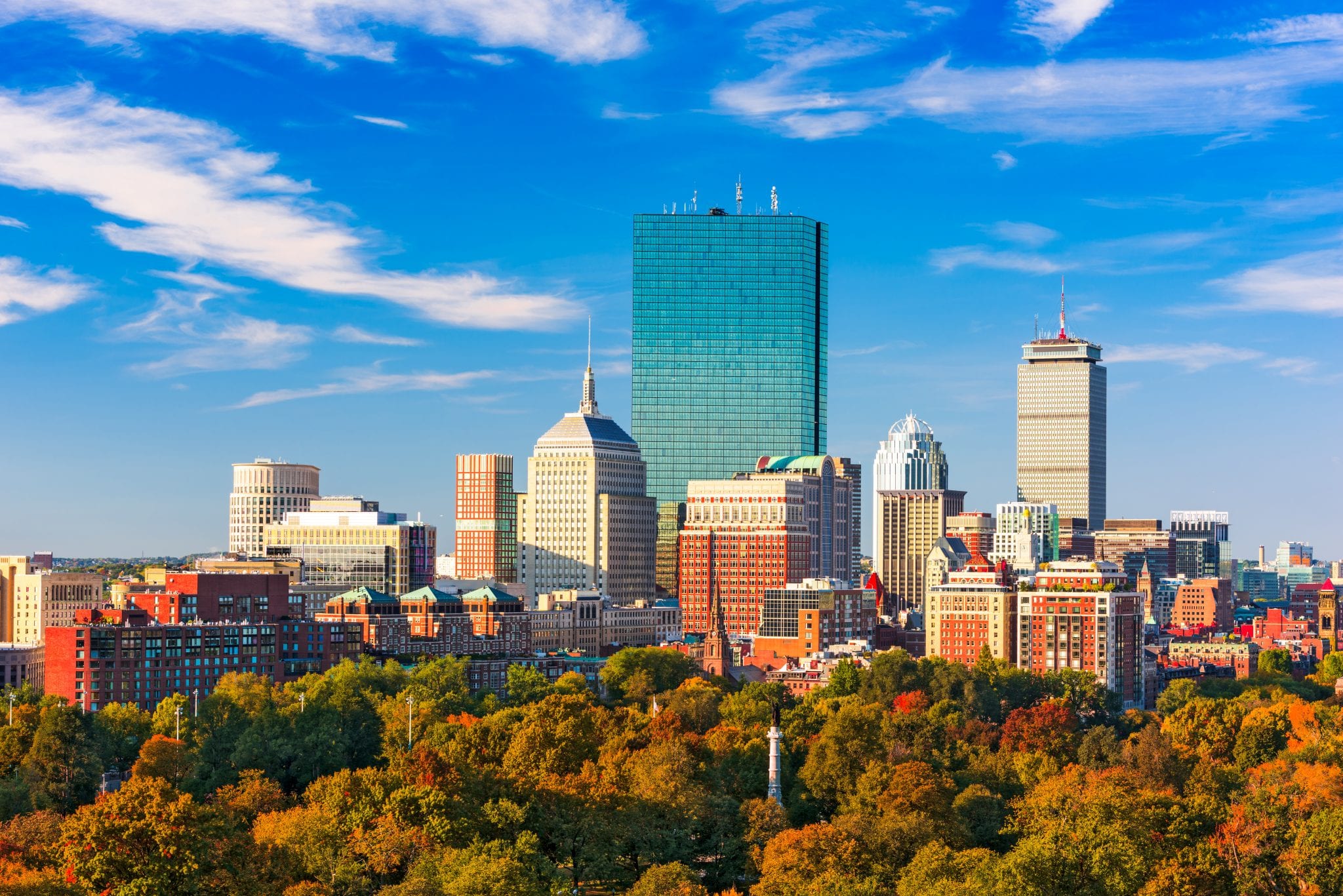
While enjoying your travels in Boston, you’ll likely want to stay in touch with family, friends, or colleagues back home. The time difference can pose a challenge. Before making a call or sending a message, quickly check the time in their respective locations to avoid disturbing them at inconvenient hours. Many phones offer world clock features that display multiple time zones simultaneously, which can be incredibly useful. For those needing to work remotely or manage business obligations while in Boston, establishing a clear communication schedule that accommodates both your local time and your remote team’s time is crucial for productivity and maintaining professional relationships.
Beyond the Clock: Optimizing Your Boston Experience Through Timing
While knowing the exact minute is important, understanding the broader seasonal and daily rhythms of Boston can profoundly enhance your travel experience, allowing you to witness the city at its best and participate in its most cherished events.
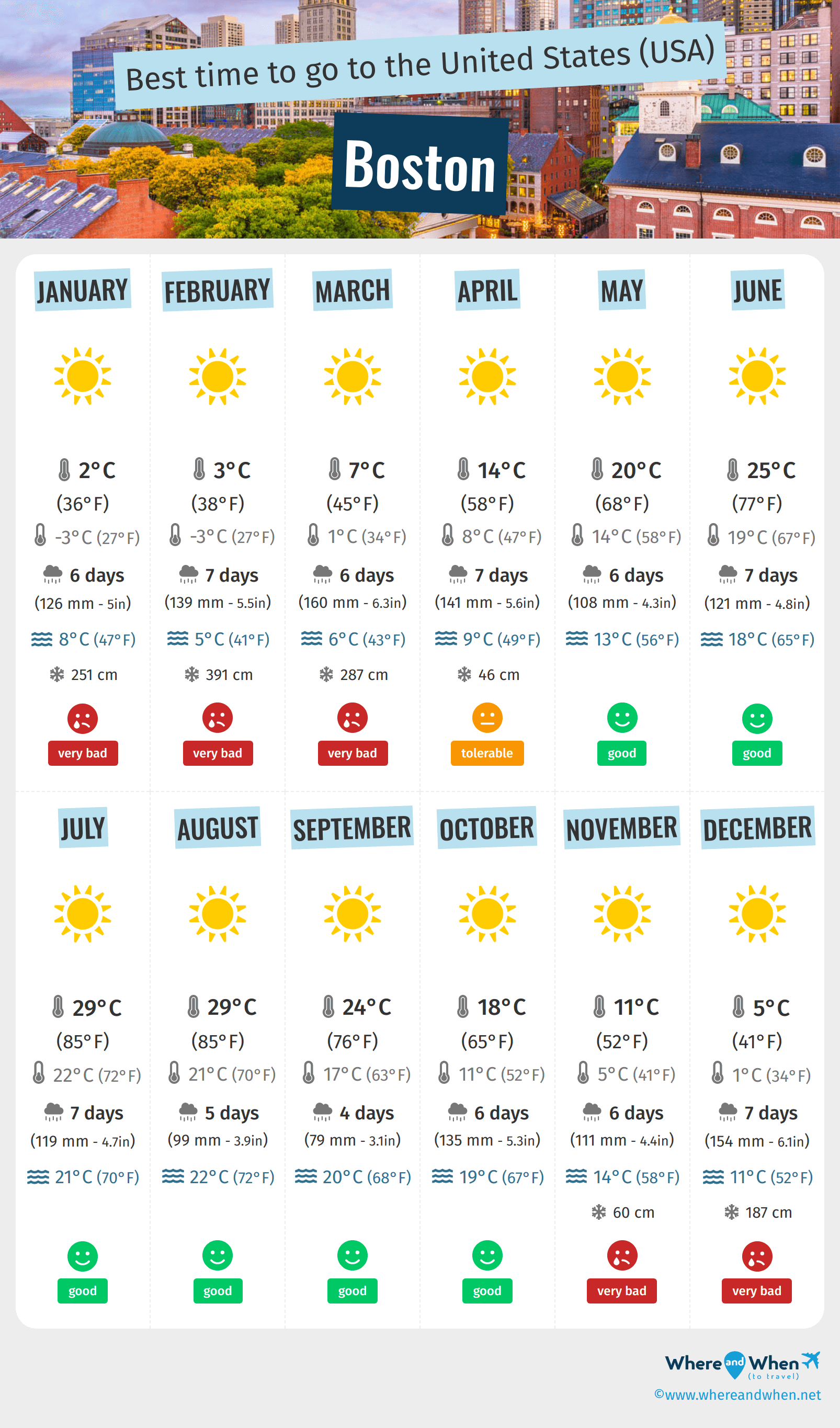
Best Times to Visit Boston Seasonally
Each season paints Boston in a different light, offering unique attractions and experiences.
- Spring (April-May): As winter thaws, Boston comes alive with blooming flowers, comfortable temperatures, and fewer crowds than summer. It’s an ideal time for walking tours and enjoying the city’s green spaces. The iconic Boston Marathon takes place in April, drawing international crowds.
- Summer (June-August): Vibrant and bustling, summer is popular for outdoor activities, festivals, and enjoying the Esplanade. However, it can be hot and humid, and tourist attractions are at their busiest, necessitating advance bookings. The Fourth of July celebrations, complete with fireworks over the Charles River, are spectacular but draw massive crowds.
- Fall (September-October): Often considered the quintessential time to visit, Boston in autumn boasts stunning foliage, crisp air, and pleasant temperatures. It’s perfect for scenic drives through New England or exploring historic neighborhoods. The Head Of The Charles Regatta in October is a major international rowing event.
- Winter (November-March): While cold and snowy, winter offers a magical atmosphere, particularly during the holiday season. Fewer tourists mean shorter lines at museums like the Museum of Fine Arts or the Isabella Stewart Gardner Museum, and ice skating on the Frog Pond is a classic experience. Bundle up and enjoy a different side of the city.
Daily Rhythms: What to Do When in Boston
Understanding Boston’s daily flow allows for better planning and a richer experience.
- Mornings (7 AM – 11 AM): Start your day early to beat the crowds at popular attractions. Grab breakfast at a local diner in the North End, enjoy a quiet walk through Beacon Hill’s charming streets, or be among the first visitors to a museum.
- Afternoons (11 AM – 5 PM): This is prime time for sightseeing. Explore the Freedom Trail, wander through the shops on Newbury Street, or take a harbor cruise. Lunch options range from quick bites in Faneuil Hall Marketplace to leisurely meals in the Seaport District.
- Evenings (5 PM onwards): Boston’s dining scene comes alive in the evening. Enjoy a gourmet meal, catch a show, or experience the city’s nightlife. Many museums also offer extended hours or special events on select evenings. For sports enthusiasts, catching a game at Fenway Park is an iconic Boston experience.
Special Events and Peak Times
Boston hosts numerous special events throughout the year, which can significantly impact travel logistics. Events like the Boston Marathon, Fourth of July, and college graduation seasons (typically May) lead to increased hotel prices, crowded attractions, and potential traffic disruptions. If your visit coincides with such events, plan well in advance – book accommodation, flights, and popular tours as early as possible. Conversely, if you prefer a quieter experience, researching these peak times and planning your visit outside of them can be beneficial.
Essential Time-Saving Travel Tips for Boston
Efficient travel is smart travel, and in a city like Boston, maximizing your time on the ground means making informed choices and leveraging available resources.
Leveraging Public Transportation
Boston’s public transportation system, operated by the MBTA (affectionately known as “the T”), is an invaluable tool for saving time and navigating the city. With subway, bus, and commuter rail lines, the T connects major attractions and neighborhoods efficiently. Familiarize yourself with the system’s map and schedules, and consider purchasing a CharlieCard or a multi-day pass for convenience. While central Boston is very walkable, using the T can save valuable time and energy, especially when moving between distinct areas like the Museum of Science and the New England Aquarium.
Pre-booking Attractions and Tours
To avoid long queues and guarantee entry, especially during peak season, pre-booking tickets for popular attractions is highly recommended. Sites like the New England Aquarium, the Museum of Fine Arts, and specific Freedom Trail tours often have timed entry slots. Booking online in advance not only saves time but can also sometimes offer slight discounts. This simple step can dramatically reduce wait times, allowing you more time to explore and enjoy the sights rather than spending it in line.
Digital Tools and Apps
Modern technology offers a plethora of tools to help manage your time in Boston. Beyond automatic time zone adjustments on your smartphone, consider using:
- Navigation Apps: Google Maps or Apple Maps provide real-time public transport information, walking directions, and estimated travel times, helping you plan routes efficiently.
- Time Zone Converter Apps: While your phone adjusts, a dedicated app can quickly show you the time difference between Boston and multiple other cities at a glance.
- Restaurant Booking Apps: Apps like OpenTable can help you secure reservations quickly, avoiding wait times for popular dining spots.
- MBTA Apps: Official or third-party apps for the T can provide live updates on train and bus arrivals, helping you plan your transit precisely.
In conclusion, understanding “What Is The Time In Boston USA?” is more than a simple query; it’s the gateway to a well-planned, enjoyable, and efficient travel experience. From navigating the complexities of EST and EDT to strategically timing your activities and leveraging smart tools, a mindful approach to time will ensure your journey through Boston’s historic streets and vibrant neighborhoods is nothing short of memorable.
LifeOutOfTheBox is a participant in the Amazon Services LLC Associates Program, an affiliate advertising program designed to provide a means for sites to earn advertising fees by advertising and linking to Amazon.com. Amazon, the Amazon logo, AmazonSupply, and the AmazonSupply logo are trademarks of Amazon.com, Inc. or its affiliates. As an Amazon Associate we earn affiliate commissions from qualifying purchases.