
Welcome to the Golden State, a land of unparalleled beauty, diverse landscapes, and vibrant culture. From the sun-kissed beaches of San Diego to the majestic redwoods of the north, and from the bustling urban sprawl of Los Angeles to the iconic hills of San Francisco, California offers an unforgettable travel experience. But before you dive into planning your dream itinerary, there’s a crucial element that impacts every aspect of your journey: time. Understanding “What Is The Time In California?” isn’t just about knowing the current hour; it’s key to effective trip planning, seamless communication, and a truly enjoyable stay, whether you’re traveling for leisure, business, or a long-term relocation.
This guide will illuminate California’s time zone, explain its global context, and provide invaluable insights into how time management can enhance your exploration of this incredible United States state. From booking your accommodation to scheduling your tourism activities, mastering the clock will ensure your travel experience is as relaxing and fulfilling as possible.
Understanding California’s Time Zone: Pacific Standard Time (PST)
At its core, California operates primarily under one time zone, making internal travel planning relatively straightforward. This uniformity simplifies logistics for visitors exploring various regions within the state, from the wineries of Napa Valley to the desert retreats of Palm Springs, or the natural wonders of Yosemite National Park.
PST and PDT: The Annual Shift
California observes Pacific Standard Time (PST) during the winter months. This is GMT-8, meaning it is eight hours behind Coordinated Universal Time. However, like many regions, California transitions to Pacific Daylight Time (PDT) during spring, summer, and early autumn. PDT is GMT-7, effectively moving the clock forward by one hour to maximize daylight in the evenings. This shift typically occurs on the second Sunday in March, when clocks “spring forward,” and reverts on the first Sunday in November, when they “fall back.”
For travelers, especially those planning trips around these transition periods, it’s crucial to be aware of this change. Flight schedules, hotel check-in times, and even the operating hours of attractions like Disneyland Park or the San Diego Zoo will adjust accordingly. Staying informed ensures you won’t miss a beat (or an hour) of your precious vacation time.
Geographical Consistency Across the Golden State
One of the great conveniences for visitors is that virtually the entire state of California adheres to a single time zone. This means whether you’re planning to explore the vibrant street art of Los Angeles, cross the iconic Golden Gate Bridge in San Francisco, relax on the beaches of Santa Barbara, or hike through the stunning landscapes near Lake Tahoe, you’ll be operating on the same clock. This consistency simplifies coordination immensely, eliminating the need to constantly adjust your watch as you traverse the state’s diverse regions. It’s a significant advantage for those undertaking extensive road trips or multi-city itineraries, allowing you to focus more on the attractions and less on time zone calculations.
The Global Traveler’s Guide to California Time Differences
For anyone arriving in California from outside the Pacific Time Zone, understanding the time difference is paramount. This knowledge is not only vital for managing travel logistics but also for preparing yourself physically and mentally for the transition.
East Coast to West Coast: A Domestic Perspective
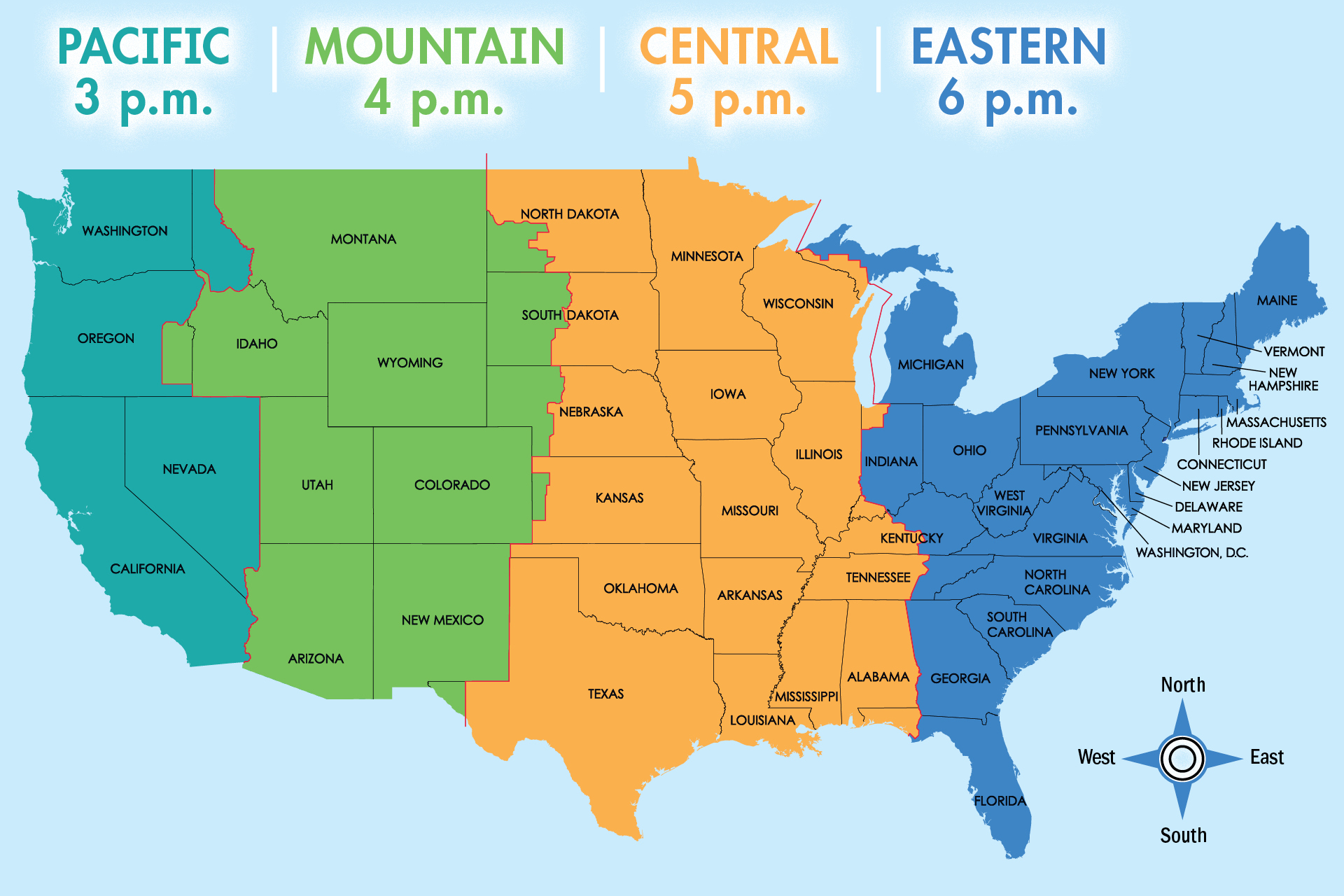
Within the United States, the most common time difference travelers encounter when heading to California is a three-hour lag for those coming from the East Coast, which observes Eastern Standard Time (EST) or Eastern Daylight Time (EDT). So, if it’s 6 PM in New York City, it’s only 3 PM in Los Angeles. Travelers from the Central Time Zone (CST/CDT), encompassing cities like Chicago, will experience a two-hour difference, while those from the Mountain Time Zone (MST/MDT), like Denver, will have a one-hour shift.
These differences directly impact flight connections, especially when dealing with tight layovers, and can affect pre-arranged bookings in California. For business travelers, remote work schedules need careful calibration to align with colleagues across the country. Planning calls and virtual meetings requires a conscious effort to convert times correctly, preventing missed deadlines or inconvenient late-night sessions.
Bridging Continents: Time Zones for International Visitors
The time disparities become even more significant for international travelers. Visitors from Europe, for example, will typically find California is 9 hours behind London (GMT) or 10 hours behind Paris (CET) during standard time. From Asia, the difference can be even more substantial; Tokyo is 16 hours ahead of PST, and Sydney, Australia, is 17 hours ahead.
These considerable gaps necessitate meticulous planning, particularly for initial arrival days. Communication with family and friends back home needs forethought, often requiring early morning or late-night calls to catch them during their waking hours. More importantly, these vast time differences are the primary cause of jet lag, a common hurdle for international tourists. Preparing for this physiological adjustment is just as important as packing your bags.
Maximizing Your California Experience: Time Management for Tourism and Lifestyle
Beyond the initial adjustments, understanding California’s time is an ongoing asset for travelers looking to maximize their visit. Every aspect of your trip, from cultural immersion to leisurely pursuits, can be enhanced with careful time management.
Booking and Communication Across Time Zones
When planning your trip from afar, always double-check the time zone for all bookings. Confirm flight times, hotel reservations (whether it’s at the luxurious The Beverly Hills Hotel in Los Angeles or the historic Hotel del Coronado in San Diego), and tours for specific dates and times in California’s local time. A flight departing at 9 AM from your home city might mean arriving in California in the morning, or late afternoon, depending on the time difference, impacting your ability to immediately check into your accommodation or attend a pre-booked event.
Similarly, when making reservations for popular attractions like Universal Studios Hollywood or a tasting tour in Napa Valley, be mindful of opening hours and potential peak times. For communication, apps that display multiple time zones simultaneously can be incredibly helpful for staying in touch with your travel party, tour operators, or loved ones.
Conquering Jet Lag: Tips for a Smoother Transition
Jet lag can significantly detract from your early days in California. Combatting it effectively means proactively adjusting your body clock. Before departure, try to gradually shift your sleep schedule closer to California time. Upon arrival, immerse yourself in the local rhythm:
- Hydrate: Drink plenty of water and avoid excessive alcohol or caffeine, which can exacerbate dehydration.
- Sunlight Exposure: Seek natural light, especially in the mornings. A walk along Santa Monica Pier or a visit to La Jolla Cove can help reset your circadian rhythm.
- Stay Active: Gentle exercise can boost energy levels.
- Eat at Local Times: Try to eat meals according to the local clock, signaling to your body that it’s time to adjust.
- Adjust Sleep: While tempting, avoid long naps. Push through to a reasonable local bedtime, even if you’re tired. Melatonin can also be a helpful aid for some.
By minimizing jet lag, you ensure you have the energy to fully appreciate California’s vibrant lifestyle and diverse offerings from day one.
Embracing California’s Rhythms: Activities by the Clock
California’s lifestyle often revolves around its generous daylight hours and stunning natural beauty. Understanding the local pace allows you to plan your activities for optimal enjoyment:
- Morning Serenity: Experience the tranquility of early mornings with a sunrise hike at Runyon Canyon Park in Los Angeles or an invigorating surf session in Malibu before the crowds gather.
- Mid-day Exploration: Mid-day is perfect for exploring world-class landmarks and attractions like the Getty Center, browsing the shops on Rodeo Drive, or soaking in the history of Alcatraz Island.
- Sunset Spectacles: California is famous for its breathtaking sunsets. Plan to be at iconic spots like the Griffith Observatory for panoramic city views or along the Big Sur coastline for a dramatic Pacific farewell to the day. The vibrant colors of a California sunset over the ocean are an essential experience.
- Vibrant Evenings: The state comes alive after dark. Enjoy fine dining in West Hollywood, explore the historic Gaslamp Quarter in San Diego, or catch a show in San Francisco’s theater district. Knowing local dining hours and entertainment schedules ensures you can fully immerse yourself in the evening lifestyle.
Planning Your Perfect California Trip: Beyond the Clock
While the time on the clock dictates much of your schedule, how you integrate that knowledge into your broader travel planning significantly impacts the quality of your experiences.
Accommodation Considerations
When booking your hotels, resorts, apartments, or villas, always be mindful of check-in and check-out times, which are strictly tied to local California time. If you’re arriving on an early morning flight after a long journey, consider booking an extra night or inquiring about early check-in options, especially at properties like The Ritz-Carlton, Laguna Niguel or the Post Ranch Inn, to allow for immediate rest and refreshment. Many hotels offer amenities like 24-hour reception, but coordinating your arrival with their policy will prevent unnecessary stress. For extended stays, particularly in apartments or villas, understanding the property’s access procedures in relation to your arrival time is critical.
Travel Logistics and Time-Sensitive Attractions
California is home to numerous popular attractions that operate on timed entry or require advance bookings. Think of tours to Alcatraz Island, reservations for fine dining, or specific entry slots for museums and theme parks. Always verify the opening and closing hours and plan your itinerary to account for travel time between locations. Traffic, particularly in major metropolitan areas like Los Angeles and San Francisco, can be time-consuming. Using real-time navigation apps can help you estimate travel durations more accurately and adjust your schedule on the fly. Don’t forget to factor in buffer time for unexpected delays, especially when heading to airports like Los Angeles International Airport or San Francisco International Airport.
Ultimately, a well-planned itinerary that considers California’s time zone and its implications allows for a more relaxed and immersive tourism experience. Whether you’re marveling at the stars on the Hollywood Walk of Fame, exploring the historical Sacramento, or unwinding at a beachfront resort in Monterey, knowing the time will enable you to savor every moment.
In conclusion, knowing “What Is The Time In California?” extends far beyond a simple clock check. It’s an integral part of successful travel planning, vital for seamless logistics, effective communication, and a truly immersive experience in the Golden State. By understanding Pacific Standard Time and its implications, you empower yourself to navigate California with confidence, ensuring every moment of your journey is spent discovering, relaxing, and making unforgettable memories. So set your watches, embrace the California pace, and prepare for an incredible adventure!
LifeOutOfTheBox is a participant in the Amazon Services LLC Associates Program, an affiliate advertising program designed to provide a means for sites to earn advertising fees by advertising and linking to Amazon.com. Amazon, the Amazon logo, AmazonSupply, and the AmazonSupply logo are trademarks of Amazon.com, Inc. or its affiliates. As an Amazon Associate we earn affiliate commissions from qualifying purchases.