
Embarking on a journey to a new destination is always an exciting prospect, filled with anticipation for new sights, sounds, and experiences. However, one of the fundamental, often overlooked, yet critically important aspects of travel planning is understanding the local time zone. For those setting their sights on the captivating landscapes and vibrant cities of Colorado, discerning “What is the time in Colorado USA?” is far more than a simple query; it’s a foundational piece of information that influences everything from flight schedules and accommodation check-ins to tour bookings and communication with loved ones back home. This comprehensive guide aims to demystify Colorado’s time zone, offering insights crucial for a seamless and enjoyable travel experience in the Centennial State. From coordinating your arrival to maximizing your daylight hours on the slopes or hiking trails, mastering the intricacies of Colorado’s clock will ensure your adventure unfolds precisely as planned.

Understanding Colorado’s Time Zone: Mountain Time
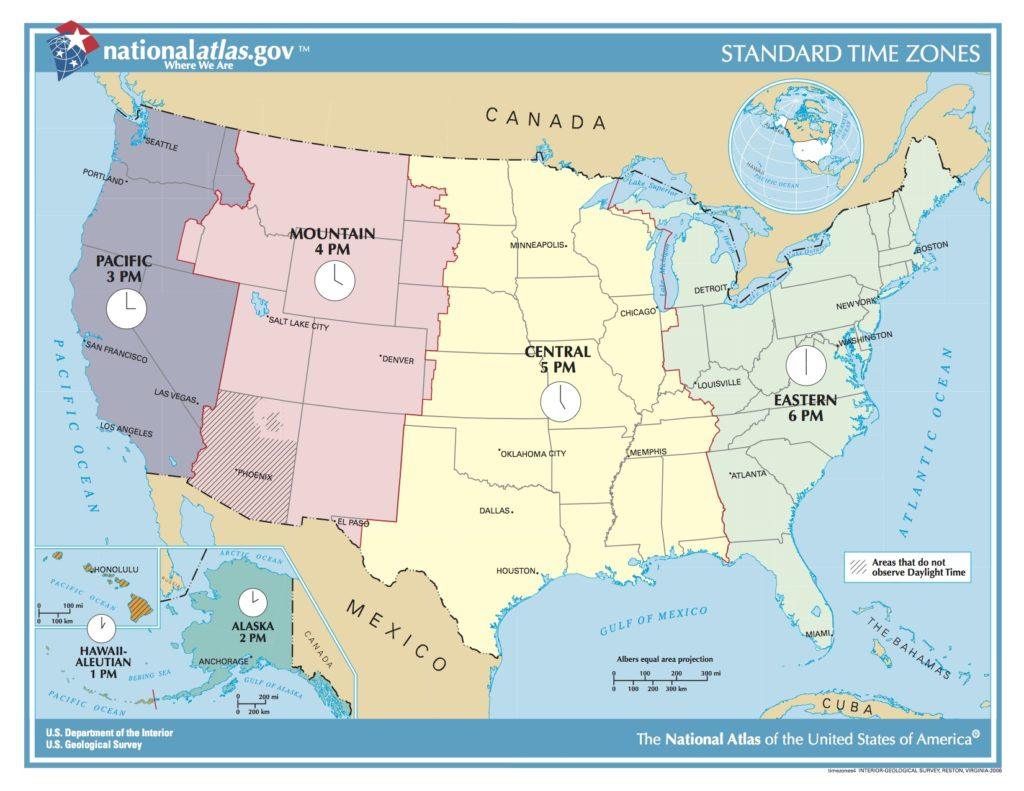
Colorado observes the Mountain Time Zone (MT), a designation shared by several states across the western United States and parts of Canada and Mexico. This time zone operates differently depending on the time of year, primarily due to the practice of Daylight Saving Time. Grasping these nuances is essential for any traveler seeking to meticulously plan their itinerary and avoid any time-related mishaps during their visit.
The Basics of Mountain Standard Time (MST)
During the non-Daylight Saving period, which typically spans from early November to early March, Colorado adheres to Mountain Standard Time (MST). MST is precisely seven hours behind Coordinated Universal Time (UTC), often denoted as UTC-7. To put this into perspective relative to other major U.S. time zones: MST is one hour ahead of Pacific Time (PT), one hour behind Central Time (CT), and two hours behind Eastern Time (ET). This fixed offset allows for consistent scheduling and communication during the winter months, when the majestic snow-capped peaks of Colorado beckon skiers and snowboarders. States that also observe MST include Arizona (which famously does not observe Daylight Saving Time in most areas), Utah, Wyoming, and parts of Idaho, New Mexico, and Montana. Understanding this consistent offset simplifies cross-state travel and coordination.
Navigating Mountain Daylight Time (MDT)
The dynamic element of Colorado’s time zone comes into play with Daylight Saving Time (DST). On the second Sunday in March, clocks in Colorado “spring forward” by one hour, shifting from MST to Mountain Daylight Time (MDT). This change means that MDT becomes six hours behind UTC, or UTC-6. The primary purpose of DST is to make better use of daylight, extending evening light and theoretically saving energy. For travelers, this means an extra hour of daylight for outdoor adventures, sightseeing, and evening activities during the warmer months. The change back to MST occurs on the first Sunday in November, when clocks “fall back” by one hour. For those planning a trip between March and November, it is crucial to remember this one-hour shift, as it directly impacts flight arrival times, hotel check-ins, and the scheduling of any pre-booked tours or events. A simple oversight could lead to missed appointments or confusion, highlighting the importance of confirming local times for all aspects of your itinerary.
Practical Implications for Travelers to Colorado
Navigating time zones while traveling can be a source of minor inconvenience or, if not properly managed, significant disruption. For those journeying to Colorado, understanding the Mountain Time Zone is key to a smooth and stress-free experience. From arrival to departure, the local time will dictate the rhythm of your trip.
Flight and Transportation Scheduling
One of the most critical areas where time zone awareness becomes paramount is in planning and executing your travel logistics. Flights are always scheduled in the local time of their origin and destination. Therefore, if you’re flying from the East Coast (ET) to Colorado (MT), a 3-hour time difference (or 2 hours during MDT) means your 10:00 AM departure will see you arriving in Denver around 11:00 AM MST or 12:00 PM MDT if the flight is approximately 3-4 hours long. Always double-check your flight tickets and boarding passes, ensuring you understand the arrival time in Colorado local time. This is especially vital for connecting flights, where a tight layover between different time zones can easily lead to a missed connection if miscalculated. Beyond air travel, pre-booked ground transportation, such as shuttle services from Denver International Airport or rental car pickups, will operate on local time. Similarly, guided tours, ski lift times at resorts like Aspen or Vail, and reservations for attractions all strictly adhere to Colorado’s current time.
Business and Communication
For many travelers, a trip to Colorado might combine leisure with professional commitments, or simply involve staying connected with family and friends across different time zones. The time difference can significantly impact communication scheduling. If you need to participate in a video conference with colleagues on the East Coast, remember that they are two hours ahead during MDT and three hours during MST. A 9:00 AM ET meeting would translate to 7:00 AM MDT or 6:00 AM MST for you, requiring an early start. Similarly, casual calls with family or friends might need careful planning to avoid waking them up or calling at inconvenient hours. Always confirm the time in both locations before scheduling any important communications to maintain professionalism and consideration.
Avoiding Jet Lag and Maximizing Your Trip
Jet lag, a common affliction for travelers crossing multiple time zones, can significantly dampen the enjoyment of a trip. The symptoms, including fatigue, insomnia, and irritability, stem from the disruption of your body’s natural circadian rhythm. When traveling to Colorado from the east, you’ll be traveling backward in time, which can sometimes be easier to adjust to than traveling east. To mitigate jet lag and maximize your time in Colorado, consider adjusting your sleep schedule gradually in the days leading up to your trip. Upon arrival, immediately set your watch to local Colorado time. Stay hydrated, avoid excessive caffeine and alcohol, and try to get some natural light exposure during the day to help reset your internal clock. Planning your arrival with less strenuous activities for the first day can also aid in adjustment, allowing your body to acclimate before diving into intense hiking, skiing, or sightseeing. By strategically managing your sleep and activity, you can quickly align with Colorado’s time and fully embrace your travel experience.
Time Zone Considerations for Popular Colorado Destinations
While Colorado uniformly observes the Mountain Time Zone, the practical implications of this can vary slightly depending on the type of destination you are visiting. Whether exploring bustling urban centers, tranquil mountain retreats, or remote wilderness areas, the local time guides all activities and operations.
Denver and the Front Range Urban Corridor
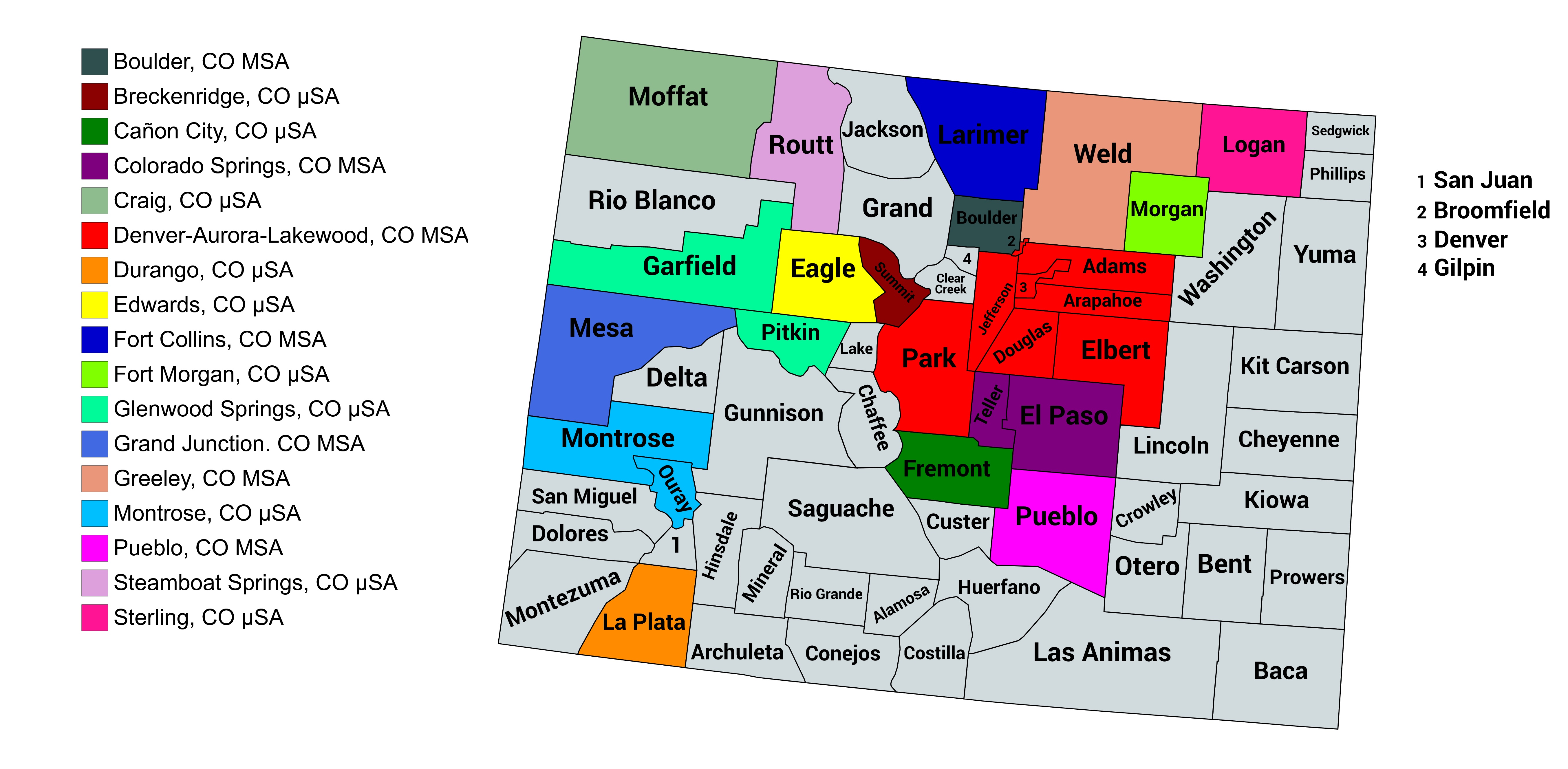
The Front Range Urban Corridor is Colorado’s most densely populated region, home to major cities like Denver, Boulder, and Colorado Springs. Here, the rhythm of life—from business hours to dining reservations, museum openings, and public transportation schedules—strictly adheres to Mountain Time. When planning your visit to attractions like the Denver Art Museum, a show at the Red Rocks Amphitheatre, or a hike around Boulder’s Flatirons, always confirm opening and closing times in local Colorado time. Restaurants will take reservations based on MT, and last orders will be announced in line with the local clock. For urban explorers, understanding this ensures you catch all the cultural experiences and culinary delights without missing a beat.
Mountain Resorts and National Parks
Colorado is renowned globally for its stunning mountain resorts and pristine national parks. Destinations such as Aspen, Vail, Breckenridge, and Rocky Mountain National Park operate on the same Mountain Time Zone as the rest of the state. However, the unique nature of these outdoor-centric locations means that time-related considerations can feel more pronounced. Ski lifts open and close at specific MT times, often aligning with optimal daylight for safety and snow conditions. Guided hiking tours, rafting trips, and wildlife viewing excursions will have strict meeting times. For photographers, knowing the local sunrise and sunset times (which shift with Daylight Saving Time) is essential for capturing that perfect golden hour shot. Furthermore, due to the natural environment, cell service can be spotty in remote areas, making it even more important to have a clear understanding of scheduled activities and meeting points in local time before you venture out.
Western Slope and Rural Areas
Moving to Colorado’s Western Slope and more rural areas, such as Grand Junction, Palisade, or the ancient ruins of Mesa Verde National Park, the time zone remains consistent. While the pace of life might slow down in these regions, the adherence to Mountain Time is unwavering. Vineyard tours in Palisade, dinosaur fossil digs near Grand Junction, or ranger-led tours through Mesa Verde will all be scheduled according to local MT. In these less-populated areas, knowing the time is crucial not just for activities, but also for coordinating with local businesses, which might have more limited operating hours compared to urban centers. Always check the local time for any specific attractions or services you plan to utilize, ensuring a seamless experience even in the state’s more serene corners.
Tools and Tips for Managing Time Zones While Traveling
Successfully navigating time zones is a cornerstone of effortless travel. Fortunately, in our modern world, a plethora of tools and best practices exist to help travelers stay on schedule and avoid any time-related confusion when visiting Colorado.
Using Technology
Modern technology is your best friend when it comes to managing time zones. Your smartphone is arguably the most powerful tool at your disposal. Most smartphones automatically update to the local time zone when you arrive at a new destination, provided location services are enabled. Always double-check this setting before you land. Beyond the default clock, numerous world clock apps are available, allowing you to instantly see the current time in multiple cities simultaneously, making it easy to compare Colorado time with your home time zone or that of family and colleagues. Online time zone converters are also invaluable for pre-trip planning, helping you visualize schedule differences. Furthermore, setting calendar reminders with specific time zone notations for flights, hotel check-ins, and activity bookings can act as an extra layer of protection against miscalculation. Utilize these digital aids to their fullest extent for a stress-free experience.
Best Practices
While technology is a great help, cultivating a few best practices will cement your time zone management skills. Firstly, upon arrival in Colorado, the simple act of setting your physical watch (if you wear one) to local time immediately can help your mind adjust. For all reservations—flights, hotels, tours, dinner—always confirm the time zone with the booking agent or on the confirmation email. If unsure, explicitly ask for the time in “Colorado local time.” When communicating with people outside Colorado, clearly state the time zone you are referring to, for instance, “Let’s meet at 2:00 PM MDT” or “I’ll call you at 6:00 PM your time (ET).” This prevents ambiguity and misunderstandings. Carrying a printed itinerary with all times confirmed in local Colorado time can also serve as a reliable backup, especially if you find yourself in an area with no cell service. By integrating these practices, you’ll ensure that every moment of your journey through Colorado is punctual and perfectly planned.
In conclusion, understanding “What is the time in Colorado USA?” is far from a trivial detail for any traveler. Colorado’s observance of the Mountain Time Zone, with its shift between Mountain Standard Time and Mountain Daylight Time, profoundly impacts every facet of your travel itinerary. By mastering these distinctions, leveraging available technology, and adopting sound planning practices, you can confidently navigate flight schedules, coordinate activities, and communicate effectively, ensuring your exploration of Colorado’s majestic mountains, vibrant cities, and serene landscapes is as smooth and enjoyable as possible. A well-timed trip is, after all, a trip well-taken.
LifeOutOfTheBox is a participant in the Amazon Services LLC Associates Program, an affiliate advertising program designed to provide a means for sites to earn advertising fees by advertising and linking to Amazon.com. Amazon, the Amazon logo, AmazonSupply, and the AmazonSupply logo are trademarks of Amazon.com, Inc. or its affiliates. As an Amazon Associate we earn affiliate commissions from qualifying purchases.