
Embarking on a journey to the diverse landscapes of Idaho promises an unforgettable experience, whether you’re drawn to its rugged mountains, pristine lakes, or vibrant cities. However, as any seasoned traveler knows, the secret to a truly seamless trip often lies in the details – and few details are as crucial as understanding local time. The seemingly simple question, “What is the time in Idaho?” opens a fascinating discussion about how the Gem State, with its unique geographical spread, navigates two distinct time zones. This dual time zone reality is not just a trivial fact; it’s a critical piece of information for planning everything from flight arrivals and hotel check-ins to sightseeing schedules and dining reservations.
For those venturing into Idaho from afar, or even just crossing state lines, a clear grasp of its time zones is paramount to avoid confusion, missed connections, or squandered vacation time. This comprehensive guide aims to demystify Idaho’s timekeeping, offering invaluable insights for optimizing your travel itinerary, booking accommodations, and fully immersing yourself in the state’s rich tourism offerings and distinct lifestyle. From the bustling streets of Boise to the serene shores of Lake Coeur d’Alene, understanding when to set your watch will ensure every moment of your Idaho adventure is spent exactly as you intended.
Unraveling Idaho’s Time Zones: Pacific vs. Mountain
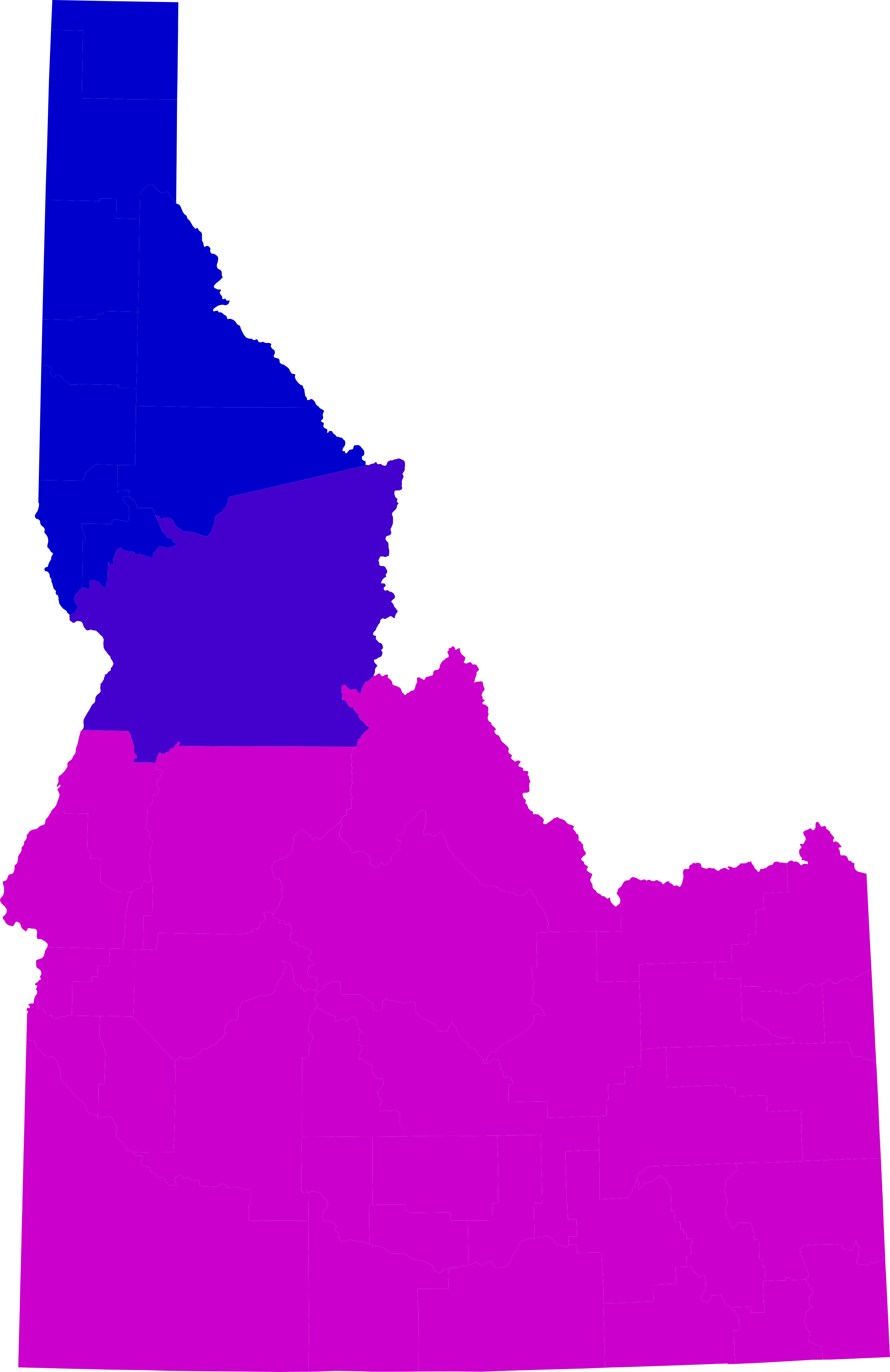
One of the first things travelers discover about Idaho is its intriguing split across two major North American time zones. While most states adhere to a single time zone, Idaho’s longitudinal span dictates a more complex arrangement, making time awareness a cornerstone of efficient travel planning. This geographical quirk means that depending on which part of the state you’re exploring, the time could be an hour different from what you expect, creating both challenges and unique opportunities for travelers.
The Great Divide: Where Time Shifts in Idaho
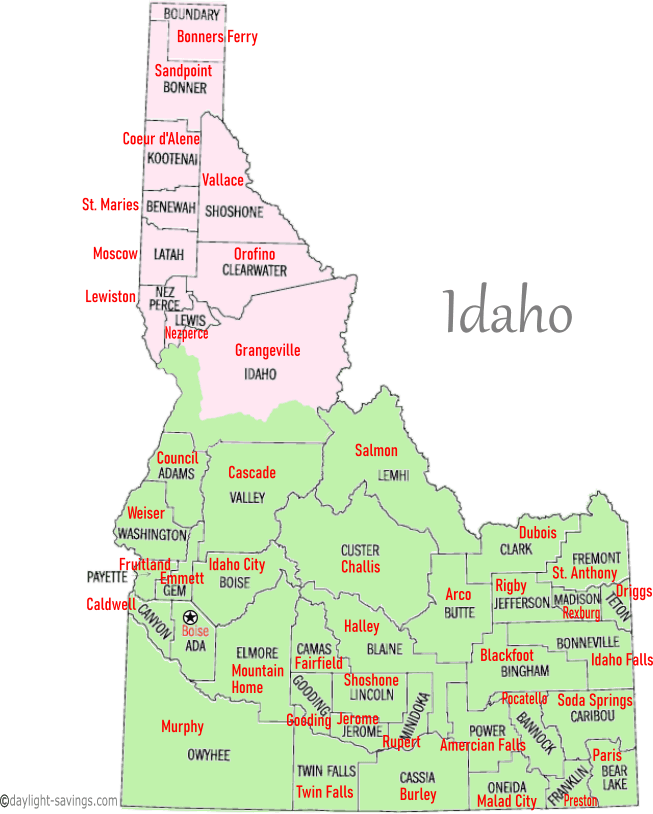
The vast majority of Idaho observes the Mountain Time Zone (MT), which is UTC-7 during standard time and UTC-6 during Daylight Saving Time. This includes the capital city of Boise and major population centers like Idaho Falls, Pocatello, Twin Falls, and the popular resort town of Sun Valley. If your travel itinerary primarily focuses on South Idaho – from the Snake River plain to the Sawtooth Mountains – you will almost certainly be operating on Mountain Time.
However, a significant portion of North Idaho, particularly the panhandle counties bordering Washington State and Oregon, observes the Pacific Time Zone (PT). This includes prominent destinations such as Coeur d’Alene, Post Falls, and Sandpoint. Pacific Time is one hour behind Mountain Time, sitting at UTC-8 during standard time and UTC-7 during Daylight Saving Time. This time shift typically occurs around the Idaho Panhandle National Forests region, making it crucial to verify the specific time zone for any destination north of approximately Riggins or the Salmon River. When traversing this north-south divide, travelers must consciously adjust their clocks, much like crossing a national border. This is especially pertinent for those enjoying scenic drives or engaging in outdoor activities that span different regions.
Daylight Saving Time and Its Implications
Both the Pacific Time Zone and the Mountain Time Zone observe Daylight Saving Time, meaning clocks “spring forward” one hour in the spring and “fall back” one hour in the autumn. This synchronized shift generally simplifies things, as the one-hour difference between the two zones remains constant throughout the year. However, it still adds a layer of complexity for those planning travel across these periods. Always double-check current dates and times, especially when booking flights, hotels, or guided tours months in advance. Reputable travel guides and online resources will always specify the local time and account for DST, but a personal verification can prevent any last-minute surprises. This consistency in DST observance across Idaho means that the fundamental challenge isn’t DST itself, but rather remembering which side of the invisible time line you are on when moving between North Idaho and South Idaho.
Mastering Your Itinerary: Time Zone Planning for Seamless Travel
Understanding Idaho’s time zones is more than just a matter of curiosity; it’s a fundamental aspect of effective travel planning. From the moment you begin searching for flights to the final farewell from your accommodation, every step of your journey is influenced by the clock. A thoughtful approach to time zone differences can elevate your trip from merely good to absolutely exceptional, ensuring you maximize every precious moment in the Gem State.
Booking Accommodations and Flights Across Time Zones
When arranging your travel to Idaho, the first crucial contact points with time zones will be your flight and hotel bookings. If you’re flying into Boise Airport (BOI), you’ll be arriving in the Mountain Time Zone. Conversely, if your destination is Coeur d’Alene Airport (COE) or Pullman-Moscow Regional Airport (PUW) which serves parts of North Idaho, you’ll be landing in Pacific Time. Always confirm the local arrival and departure times listed on your tickets, especially if your journey involves layovers or connections in different time zones. Missing a connecting flight because you miscalculated an hour could significantly impact your travel budget and overall experience.
Similarly, accommodation booking requires careful attention to check-in and check-out times. Most hotels, resorts, and vacation rentals operate on strict schedules, and arriving an hour late or early without prior notification could lead to delays or extra charges. If you’re driving across the time zone boundary on the same day you check into your hotel, remember to adjust your estimated arrival time. For instance, if you’re departing Coeur d’Alene (PT) at 9:00 AM for a two-hour drive to a hotel near McCall (MT), your estimated arrival would be 12:00 PM MT, not 11:00 AM MT. This seemingly small detail can make a big difference in the smooth execution of your travel plans.

Optimizing Activities and Attractions
Once your travel logistics are sorted, the next step is to plan your daily activities, and here, time zone awareness is equally critical. Idaho boasts an incredible array of attractions, from natural landmarks like Craters of the Moon National Monument and Preserve and Shoshone Falls to cultural sites and outdoor adventure hubs. Many national parks, museums, and tourist attractions have specific operating hours that must be considered. Imagine driving from Coeur d’Alene to Yellowstone National Park’s western entrance (which operates on Mountain Time). What seems like a reasonable drive might eat up an extra hour due to the time zone change, potentially cutting short your exploration time in the park.
For those planning outdoor adventures like hiking in the Sawtooth National Recreation Area, skiing at Sun Valley or Bogus Basin Mountain Recreation Area, or whitewater rafting on the Salmon River, daylight hours are a precious commodity. Knowing the exact local time helps you optimize your schedule, allowing for earlier starts to beat the crowds or plan your return before dusk. Furthermore, if you’re making dinner reservations or attending a local event, confirming the time zone is essential to avoid showing up an hour too early or missing out entirely. Many tourism guides will highlight regional specificities, but a quick check on a reliable time zone converter app can be your best friend when on the go.
Experiencing Idaho: Time-Aware Tourism and Lifestyle
Beyond the practicalities of booking and scheduling, a deeper understanding of Idaho’s time zones enhances the overall tourism experience and allows you to truly immerse yourself in the local lifestyle. It influences everything from enjoying local events to managing your body’s rhythm, ensuring your trip is not just efficient but also deeply rewarding.
Embracing Local Culture and Cuisine on Idaho Time
Idaho’s vibrant local culture and burgeoning food scene are best experienced when you’re in sync with the local rhythm. Many towns, especially those with strong community ties like Ketchum or Lewiston, host farmers’ markets, festivals, and cultural events that operate on precise local times. Missing an authentic experience like a local rodeo, a live music performance, or a community dinner simply because of a time zone miscalculation would be a shame.
Dining in Idaho also has its nuances. While many major cities like Boise offer flexible dining hours, in smaller towns, restaurant kitchens might close earlier, or peak dining times could be surprisingly different from what you’re used to. Understanding whether you’re in Pacific Time or Mountain Time is crucial for making those dinner reservations, especially in popular spots or during peak tourist seasons in areas like Sun Valley or Coeur d’Alene. From enjoying a fresh Idaho potato dish to sampling locally brewed craft beers, aligning with local meal times ensures you get the full flavor of the region.
Navigating Jet Lag and Maximizing Your Stay
For travelers coming from distant time zones, particularly for long-haul flights or those embarking on business stays requiring immediate productivity, managing jet lag is a significant consideration. Knowing which Idaho time zone you’ll land in allows you to mentally and physically prepare for the time shift even before you depart. Gradually adjusting your sleep schedule a few days before your trip can make a remarkable difference in how quickly you adapt.
Whether you’re planning a luxury travel escape to a high-end resort in Sandpoint or a budget travel adventure exploring the wilderness of Hells Canyon, maximizing your daylight hours is often key to a fulfilling trip. The extended daylight during summer months in Idaho provides ample opportunity for activities like fishing, kayaking, and photography well into the evening. Conversely, in winter, shorter days necessitate careful planning to fit in skiing or exploring snow-covered landmarks. Being mindful of the local time helps you make the most of the natural light and plan your day effectively, ensuring you don’t miss a spectacular Idaho sunset or an early morning wildlife viewing opportunity. For family trips, coordinating children’s sleep schedules with local time can also be a game-changer, making for happier and more energetic explorers.
In conclusion, the question “What is the time in Idaho?” is far from trivial; it’s a gateway to understanding the practicalities and nuances of traveling through this magnificent state. By embracing Idaho’s dual time zones – Pacific Time in the north and Mountain Time across most of the rest – travelers can meticulously plan their journeys, book accommodations with confidence, optimize their sightseeing, and fully engage with the local culture. Whether you’re chasing adventures in the wilderness, exploring historic cities, or simply enjoying the tranquil beauty of its lakes, being time-aware is your ultimate travel hack for an unforgettable Idaho experience. So, set your watch correctly, and prepare to immerse yourself in the timeless allure of the Gem State.
LifeOutOfTheBox is a participant in the Amazon Services LLC Associates Program, an affiliate advertising program designed to provide a means for sites to earn advertising fees by advertising and linking to Amazon.com. Amazon, the Amazon logo, AmazonSupply, and the AmazonSupply logo are trademarks of Amazon.com, Inc. or its affiliates. As an Amazon Associate we earn affiliate commissions from qualifying purchases.