
Understanding the local time is often the first logistical consideration for any traveler, and when planning a trip to the vibrant state of Louisiana, it’s no different. More than just knowing what time to set your watch, understanding Louisiana’s time zone impacts everything from booking flights and hotels to planning your sightseeing adventures and fully immersing yourself in the unique local lifestyle. This guide delves into the specifics of time in Louisiana, exploring how it influences your travel plans, accommodation choices, tourism experiences, and overall enjoyment of this captivating Southern United States destination.
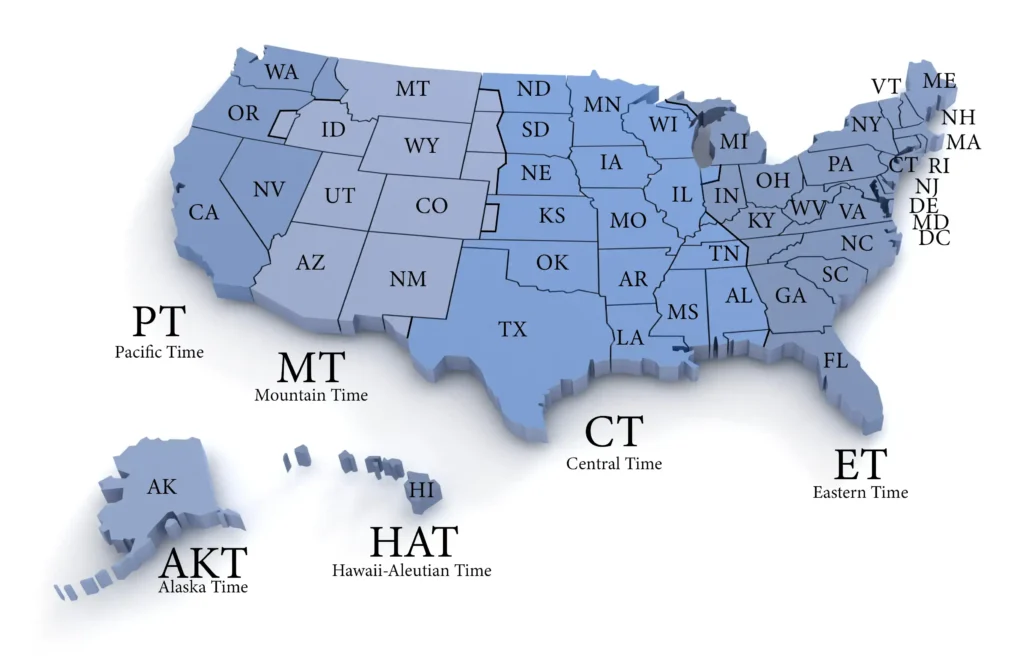
Understanding Louisiana’s Time Zone: Central Standard Time
Louisiana observes Central Standard Time (CST) during the fall and winter months. This means it is six hours behind Coordinated Universal Time (UTC), often expressed as UTC-6. For travelers arriving from different parts of the United States or international destinations, this time difference is a critical factor in planning a smooth and enjoyable trip.
CST is shared by a significant portion of the central United States, including states like Texas, Arkansas, Mississippi, Missouri, Oklahoma, and parts of other states. It also extends into Canada and Mexico, forming a large geographical block. This consistency within the central region can simplify travel plans if you’re exploring multiple states in the area, but it’s crucial to be aware of the shift if you’re coming from the Eastern or Mountain Time Zones within America, or even more so from international locales.
CST vs. CDT: Daylight Saving Explained
Like most of the United States, Louisiana participates in Daylight Saving Time (DST). This annual practice means that in the spring, clocks “spring forward” by one hour, and in the fall, they “fall back” by one hour. When Daylight Saving Time is in effect, Louisiana switches from Central Standard Time (CST) to Central Daylight Time (CDT).
During CDT, the time difference from Coordinated Universal Time becomes UTC-5. This shift typically occurs on the second Sunday in March, when clocks move forward at 2:00 AM local time, and ends on the first Sunday in November, when clocks move back at 2:00 AM local time. Knowing whether your travel dates fall within CST or CDT periods is vital for accurately planning flights, hotel check-ins, and activity schedules. Missing this detail could lead to inconvenient missed connections or appointments, impacting the start of your carefully planned Louisiana adventure.
Global Time Differences and Traveler’s Considerations
For international travelers, the time difference can be substantial. For instance, if you’re traveling from Europe – say, from London (Greenwich Mean Time/UTC+0) or Paris (CET/UTC+1) – the time difference to Louisiana will be 6 or 7 hours during CST and 5 or 6 hours during CDT. Travelers from Asia or Australia will experience even greater time zone shifts, sometimes up to 12-16 hours or more.
Such significant time differences often lead to jet lag, a common affliction for long-haul travelers. Symptoms can include fatigue, insomnia, headaches, and digestive issues, which can dampen the initial excitement of your trip. To mitigate jet lag, consider adjusting your sleep schedule gradually before departure, staying hydrated, avoiding excessive caffeine and alcohol during flights, and exposing yourself to natural light upon arrival in Louisiana to help reset your circadian rhythm. Many modern hotels, particularly those focused on luxury travel or business stays, offer amenities like blackout curtains, calming spa services, or even specialized lighting to assist guests in overcoming jet lag. Planning your arrival for late afternoon or early evening can allow for a relatively normal dinner and bedtime, helping you acclimate quicker to the local Louisiana rhythm.
Time’s Impact on Your Louisiana Travel Itinerary
Beyond just knowing what time it is, understanding how Louisiana’s time zone and local rhythms affect your itinerary is key to maximizing your travel experience. From the bustling streets of New Orleans to the tranquil bayous of Cajun Country, every aspect of your journey is subtly governed by the clock. Careful consideration of time allows you to seamlessly transition between activities, ensuring you don’t miss out on any of the state’s unique offerings.
Optimizing Your Arrival and Departure Times
When booking flights and planning your travel to Louisiana, always account for the time difference. Ideally, aim for an arrival time that allows for smooth hotel check-in (usually in the mid-afternoon) and enough daylight to comfortably settle in, without feeling rushed or exhausted. An early morning arrival might seem appealing, but if you’re coming from a significant time difference, you might be battling fatigue before your room is ready. Conversely, arriving too late might mean missing dinner options or having limited time to explore your immediate surroundings.
For departures, consider the time it takes to get to the airport, check in, and clear security. Many hotels offer late check-out options, which can be invaluable if you have an evening flight and want to enjoy a final morning in Louisiana without lugging your luggage around. Some accommodations, particularly resorts and high-end suites, might even provide day-use rooms or secure luggage storage services, allowing you to maximize your last day. Remember to factor in potential traffic, especially in major cities like New Orleans or Baton Rouge, during peak hours.
Navigating Attraction Hours and Dining Schedules
The operational hours of Louisiana’s many attractions and dining establishments are directly tied to local time. Most museums, historical landmarks like the National WWII Museum or Oak Alley Plantation, and tourist activities typically open between 9:00 AM and 10:00 AM and close between 4:00 PM and 6:00 PM. Theme parks and some interactive exhibits might have longer hours, especially during peak seasons. Always check the specific opening and closing times for each attraction you plan to visit, as these can vary by day of the week, season, and public holidays. Booking tickets in advance online often saves time and ensures entry, especially for popular spots like the Audubon Zoo or Audubon Aquarium of the Americas.
Dining in Louisiana is an experience in itself, with distinct meal times. Breakfast is typically served from early morning until around 10:00 AM or 11:00 AM. Lunch often runs from 11:30 AM to 2:00 PM, and dinner service usually begins around 5:00 PM or 6:00 PM, lasting until 9:00 PM or 10:00 PM, especially in bustling areas like the French Quarter of New Orleans. Late-night dining options are abundant in cities, particularly in entertainment districts, but in smaller towns, kitchens might close earlier. For popular restaurants, particularly those celebrated for their Creole and Cajun food, reservations are highly recommended, often weeks in advance for prime dining slots. Missing a reservation due to a time zone miscalculation would be a significant culinary regret!
The Rhythms of New Orleans, Baton Rouge, and Beyond
Each city and region within Louisiana has its own unique pace and rhythm, influenced by local culture and historical context.
-
New Orleans: The city that never sleeps definitely has a different clock. While daytime attractions operate on standard hours, the nightlife truly comes alive as the evening progresses. Bourbon Street and live music venues in the French Quarter and Faubourg Marigny often buzz until the early hours of the morning. Brunch, a beloved New Orleans tradition, can start as late as 11:00 AM and extend into the afternoon, blurring the lines between breakfast and lunch. Understanding this leisurely yet vibrant rhythm is crucial for planning your New Orleans experience.
-
Baton Rouge: As the state capital, Baton Rouge tends to operate on a more conventional schedule, especially regarding business and government functions at the Louisiana State Capitol. Attractions like the Old State Capitol and museums will adhere to regular daytime hours. Dining also follows typical breakfast, lunch, and dinner timings, though a lively evening scene exists, particularly around the downtown area and near Louisiana State University.

-
Shreveport / Bossier City: In northern Louisiana, the twin cities of Shreveport and Bossier City offer a blend of entertainment and more traditional schedules. Casinos and entertainment venues might operate late, while cultural attractions and shops maintain standard business hours.
-
Cajun Country (e.g., Lafayette): In the heart of Acadiana, the pace can feel a bit more relaxed. While cultural institutions like Vermilionville or Acadian Village have specific hours, the rhythm of life often revolves around communal meals, music (like a fais do-do), and outdoor activities in the bayous. Early morning swamp tours are popular to catch wildlife at its most active, and live music often starts in the early evening.
Being attuned to these local rhythms ensures you’re not only on time for your planned activities but also allows you to truly experience the local culture and vibe of each distinct Louisiana region.
Accommodation and Time: Seamless Stays Across Time Zones
Your choice of accommodation and how you interact with it is significantly tied to time. From the moment you begin booking to your final check-out, time management plays a crucial role in a seamless travel experience. Understanding the nuances of hotel operations relative to local time can prevent frustrations and enhance your stay, whether you choose a luxury resort, a charming boutique hotel, or a cozy apartment rental.
Booking Smart: Check-in, Check-out, and Early Arrivals
Most hotels in Louisiana, much like those across the United States, have standard check-in times usually between 3:00 PM and 4:00 PM, and check-out times between 11:00 AM and 12:00 PM. These times are set to allow housekeeping ample opportunity to prepare rooms for new guests. When booking your stay, especially if arriving from a different time zone, factor these times into your flight schedule.
If your flight arrives early in the morning, arriving before the standard check-in time, you have a few options:
- Request Early Check-in: Many hotels will try to accommodate early check-ins based on availability, especially if you’re a member of their loyalty program or staying in a higher-tier room like a suite. It’s always best to call the hotel directly a day or two before arrival to inquire.
- Utilize Luggage Storage: Even if your room isn’t ready, nearly all hotels offer secure luggage storage. This allows you to drop off your bags and immediately begin exploring Louisiana without the burden of your suitcases.
- Book an Extra Night: For those prioritizing immediate comfort and coming from extreme time differences, booking the night before your actual arrival can guarantee your room is ready when you get there, allowing you to settle in, shower, and rest without delay. This is a common strategy for luxury travel or when traveling with young children.
Similarly, for late departures, inquiring about a late check-out can extend your stay in the room for a few extra hours, often for a fee, or for free if you have elite status. This can be a game-changer if you have an evening flight and want to enjoy a final meal or last-minute shopping without worrying about your bags. Many accommodation providers, including boutique hotels and independent villas, are often more flexible and willing to work with guests on these timings.
Beating Jet Lag: Hotel Amenities and Strategies
Beyond just sleeping, the right hotel amenities and your personal strategies can significantly aid in overcoming jet lag, allowing you to fully enjoy your Louisiana tourism activities.
- Darkness and Quiet: Look for hotels that offer blackout curtains and good soundproofing. A peaceful environment is paramount for quality sleep when your body clock is out of sync.
- Comfortable Bedding: High-quality mattresses, pillows, and linens can make a huge difference in achieving restful sleep. Luxury hotels and resorts often excel in this area.
- Fitness Centers and Pools: Light exercise can help reset your body clock and alleviate fatigue. Many hotels provide on-site gyms or swimming pools, offering a convenient way to stay active. A morning swim or a quick workout can be invigorating.
- Hydration: Complimentary bottled water or in-room coffee/tea facilities are helpful. Staying hydrated is crucial for combating jet lag.
- Room Service & Dining: Access to room service or 24-hour dining ensures you can eat when you’re hungry, regardless of local meal times, which is important during the initial adjustment period. Some hotels even offer specific “jet lag menus” with light, easily digestible options.
- Spa Services: For the ultimate relaxation and recovery, some upscale hotels and resorts in Louisiana offer spa treatments like massages, which can help soothe tired muscles and promote sleep.
- Wake-up Call Services: While seemingly old-fashioned, a reliable wake-up call can be invaluable to ensure you stick to your new local schedule and don’t oversleep, missing out on precious vacation time.
By strategically utilizing these accommodation features and adopting smart travel practices, you can minimize the impact of time zone changes and quickly transition to enjoying all that Louisiana has to offer.
Embracing Louisiana’s Lifestyle: Time as an Experience
Time in Louisiana isn’t just a number on a clock; it’s an integral part of the state’s unique lifestyle. The rhythm of life here, often perceived as more relaxed than in other parts of the United States, encourages visitors to slow down and savor every moment. This cultural characteristic transforms time from a mere logistical challenge into an enriching aspect of the travel experience, inviting you to connect more deeply with the local pace and traditions.
The Art of Slow Travel: Savouring Every Moment
Louisiana is an ideal destination for embracing the philosophy of slow travel. This approach encourages travelers to spend more time in fewer places, delving deeper into the local culture, food, and community. Instead of rushing from one attraction to the next, slow travel in Louisiana might involve:
- Extended Meals: Don’t just eat; experience dining. A Creole or Cajun meal is a journey, often lasting for hours, punctuated by rich flavors, good company, and lively conversation.
- Wandering the Streets: Spend an afternoon simply strolling through the Garden District of New Orleans, admiring the historic mansions, or exploring the quaint shops along Magazine Street.
- Soaking in Live Music: Let the sounds of jazz or blues wash over you in a Frenchmen Street club, staying for multiple sets rather than hopping between venues. This is where the soul of New Orleans truly reveals itself.
- Engaging with Locals: Take the time to chat with shopkeepers, bartenders, or fellow diners. You’ll gain invaluable insights and recommendations, often leading to unexpected discoveries and deeper connections.
- Enjoying Nature: Whether it’s a tranquil bayou tour through the Atchafalaya Basin or a leisurely walk in City Park, allow yourself to be present and appreciate the natural beauty.
This emphasis on savoring rather than rushing is a cornerstone of the Louisiana lifestyle and is particularly beneficial for those experiencing jet lag, as it provides a natural way to adjust to the new time zone without the pressure of a tightly packed schedule. It transforms a trip into an immersive experience rather than just a checklist of landmarks.
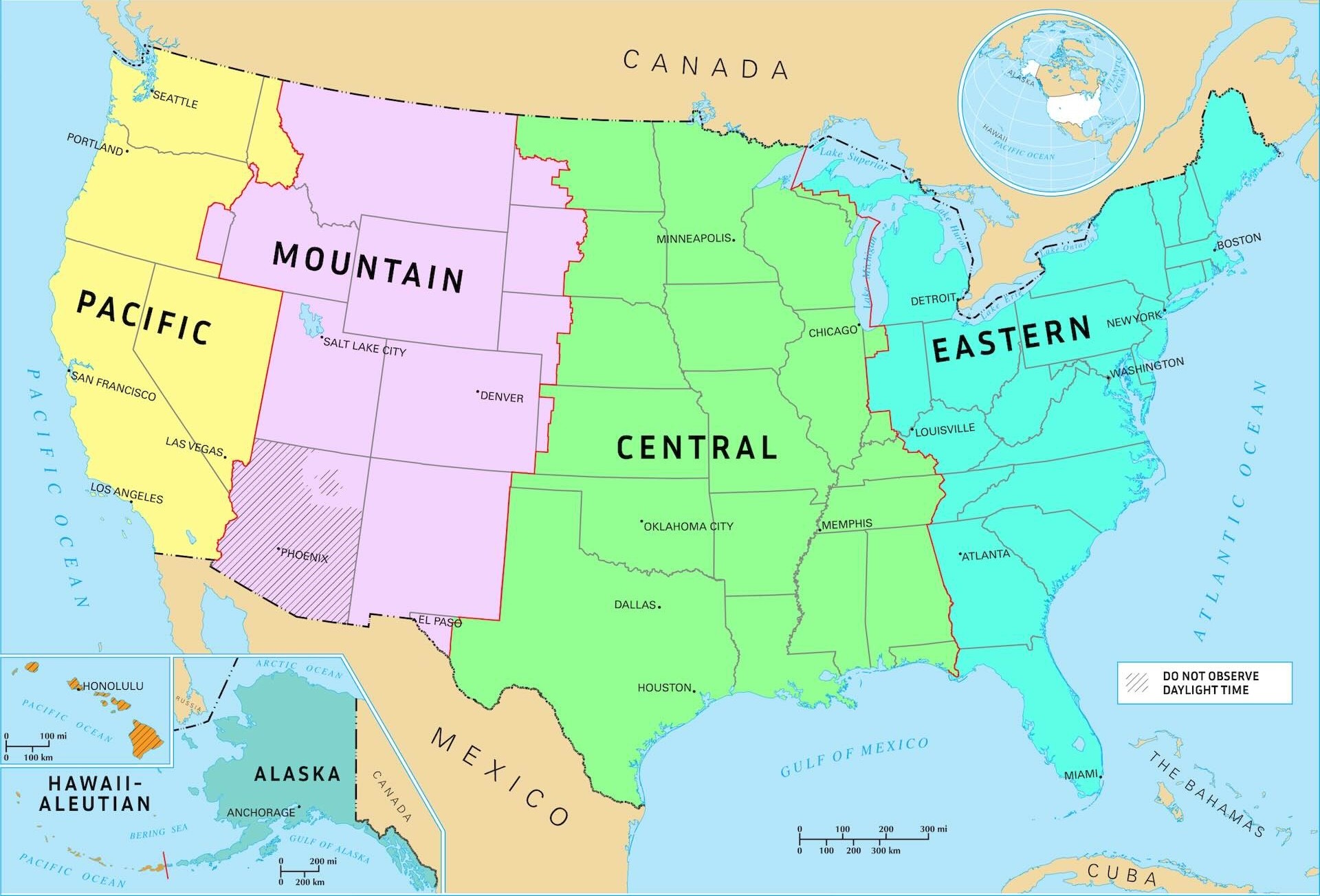
Seasonal Timings: When to Visit for Unique Experiences
Beyond the daily clock, the annual calendar also dictates distinct Louisiana experiences. The timing of your visit can drastically alter the atmosphere and available activities.
- Winter (December – February): This is prime time for avoiding extreme heat and humidity. Early winter offers festive holiday events, while late winter brings the electric energy of Mardi Gras season, particularly in New Orleans. Be prepared for massive crowds and higher hotel prices during these periods. This is a very specific time-sensitive tourism opportunity.
- Spring (March – May): Widely considered one of the best times to visit. The weather is pleasant, and major cultural festivals like the New Orleans Jazz & Heritage Festival (or Jazz Fest) take center stage. This period perfectly exemplifies how time and events align to create unparalleled experiences.
- Summer (June – August): Hot and humid, summer can be challenging for outdoor activities but offers a more relaxed, budget travel friendly experience with fewer crowds, particularly outside of New Orleans. Indoor attractions and water-based activities like swamp tours are popular.
- Fall (September – November): A beautiful season with gradually cooling temperatures. This is another excellent time to visit, with fewer tourists than spring and a packed calendar of local festivals celebrating everything from oysters to literary arts.
Understanding these seasonal rhythms and the state’s Central Time Zone (whether CST or CDT) allows you to perfectly align your trip with your desired travel experiences, ensuring that every moment spent in Louisiana is not just counted, but truly counts. From synchronizing your watch to savoring the unique pace of life, time is an essential dimension of any unforgettable Louisiana adventure.
LifeOutOfTheBox is a participant in the Amazon Services LLC Associates Program, an affiliate advertising program designed to provide a means for sites to earn advertising fees by advertising and linking to Amazon.com. Amazon, the Amazon logo, AmazonSupply, and the AmazonSupply logo are trademarks of Amazon.com, Inc. or its affiliates. As an Amazon Associate we earn affiliate commissions from qualifying purchases.