
For anyone planning a trip to the Pacific Northwest, particularly the diverse and captivating state of Oregon, one of the most fundamental yet frequently asked questions pertains to its current time. While seemingly simple, knowing “What is the time in Oregon right now?” is far more than a mere curiosity for the savvy traveler; it’s a crucial piece of information that dictates everything from making dinner reservations to catching a stunning sunset over the Pacific Ocean. As a gateway to maximizing your Oregon experience, understanding the state’s time zone, its nuances, and how to stay synchronized is paramount for any tourist.

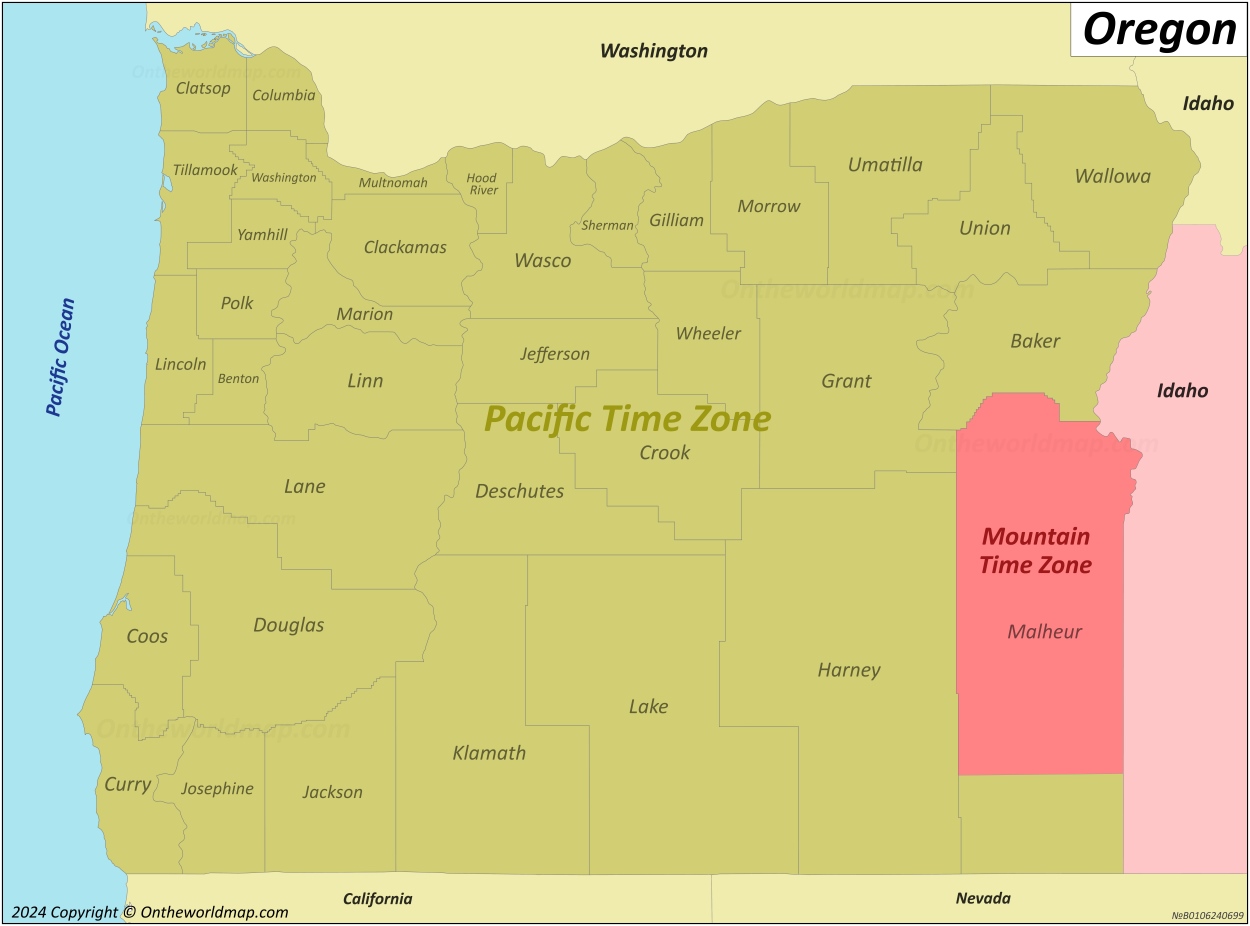
At its core, the vast majority of Oregon observes the Pacific Time Zone. This means that for most of the year, the state operates on either Pacific Standard Time (PST) or Pacific Daylight Time (PDT), depending on the season. PST is UTC-8, while PDT, which is observed during Daylight Saving Time, is UTC-7. This time difference impacts every aspect of a tourist’s itinerary, from the bustling food cart scene in Portland to the serene hiking trails in Crater Lake National Park.
Oregon’s Time Zone at a Glance: Pacific Time Explained for Tourists
Understanding Oregon’s time zone is the first step in unlocking a seamless travel experience. While the concept of time zones might seem straightforward, a few details are particularly relevant for tourists.
PST vs. PDT: Understanding Daylight Saving Time for Your Visit
The primary distinction visitors need to be aware of is the shift between Pacific Standard Time (PST) and Pacific Daylight Time (PDT). Like most of the United States, Oregon observes Daylight Saving Time, meaning clocks “spring forward” one hour in the early spring and “fall back” one hour in the late autumn.
- Pacific Standard Time (PST): Observed during the fall and winter months, PST is 8 hours behind Coordinated Universal Time (UTC-8).
- Pacific Daylight Time (PDT): Observed during the spring and summer months, PDT is 7 hours behind Coordinated Universal Time (UTC-7). This change effectively gives tourists an extra hour of daylight in the evenings, perfect for exploring Oregon’s natural beauty or enjoying outdoor dining.
Travelers arriving during the transition periods (typically March and November) should double-check their devices and any pre-booked reservations to ensure they’re on the correct local time.
The Malheur County Anomaly: A Niche Detail for Eastern Oregon Explorers
While the vast majority of Oregon adheres to Pacific Time, there is one notable exception that a truly comprehensive guide must mention: a portion of Malheur County, located in the far eastern part of the state, observes the Mountain Time Zone. Specifically, the city of Ontario and the surrounding areas along the Idaho border are in sync with Boise, Idaho, which is in the Mountain Time Zone. This means they are an hour ahead of the rest of Oregon. While most tourists will stick to the well-trodden paths of western Oregon (like Portland, Salem, and the Oregon Coast), those venturing into the remote and rugged beauty of eastern Oregon for its unique landscapes or outdoor recreation should be mindful of this specific local time difference.
How to Quickly Check the Current Time in Oregon
In today’s connected world, checking the current time in Oregon is incredibly simple.
- Smartphones and Devices: Your smartphone, tablet, or laptop will automatically update to the local time zone when you arrive in Oregon, provided your location services are enabled. This is usually the most reliable method.
- Online Search: A quick search query like “time in Portland, Oregon now” or “current time in Oregon” on any search engine will instantly provide the precise local time.
- World Clock Apps: Many apps are designed to display current times across different global cities, making it easy to compare Oregon’s time with your home location.
Maximizing Your Oregon Trip: Time Management for Key Tourist Activities
Beyond simply knowing the hour, understanding how Oregon’s time zone impacts various tourist activities is critical for a smooth and enjoyable visit. Effective time management can turn a good trip into a truly exceptional one.
Dining and Culinary Experiences: Restaurant Hours, Reservations, Happy Hour
Oregon is a foodie paradise, particularly in cities like Portland and Bend, known for their innovative cuisine, craft breweries, and farm-to-table restaurants.
- Restaurant Hours: Dining establishments strictly adhere to local time. A common mistake for those arriving from an earlier time zone (like the East Coast) is to miscalculate meal times. Restaurants might close earlier than expected for someone still on “home time.”
- Reservations: For popular eateries, especially fine dining or weekend brunches, making reservations is essential. Confirming the time in Oregon when booking ensures you don’t miss out.
- Happy Hour: Many Oregon establishments offer fantastic happy hour deals, often concentrated in the late afternoon. Knowing the exact local time means you can capitalize on these savings and sample local brews and bites without overspending.
Attractions and Museums: Opening/Closing Times, Peak Hours, Last Entry
Oregon boasts a wealth of attractions, from the intellectual stimulation of the Oregon Museum of Science and Industry to the natural wonders of the Columbia River Gorge.
- Operating Hours: Every museum, gallery, shop, and attraction has specific operating hours. Missing a closing time by a few minutes due to a time zone miscalculation can be disappointing. Always check the local opening and closing times.
- Peak Hours: For popular spots like the Oregon Coast Aquarium or specific wineries, understanding peak visitation times (often mid-day) can help you plan your visit to avoid crowds. Arriving earlier or later in the day, informed by the correct local time, can offer a more relaxed experience.
- Last Entry: Many attractions have a “last entry” time, which can be an hour or more before the official closing time. Factor this into your planning, especially if you have a packed itinerary.
Outdoor Adventures and Natural Wonders: Park Access, Sunset Timings, Guided Tours
Oregon’s breathtaking landscapes are a major draw for tourists. Time plays a crucial role in enjoying these natural treasures.
- Park Access: Many state parks and natural areas have specific gate opening and closing times. Plan your hikes, beach visits, and scenic drives accordingly.
- Sunset and Sunrise: For photographers or those seeking romantic vistas, knowing the precise sunset and sunrise times in Oregon (which vary greatly by season and location) is vital. Use local weather apps to find these timings, which are always based on local time.
- Guided Tours: Whether it’s a whitewater rafting trip, a guided wine tour, or a whale watching excursion, tours operate on strict schedules. Arriving late due to a time zone mix-up is not only inconvenient but can also result in missing your activity entirely and losing your booking fee.
Local Events and Festivals: Ensuring You Don’t Miss Out
Oregon is rich with local events, farmers’ markets, music festivals, and community gatherings, particularly during the summer months. These events are often short-lived and operate within specific windows. Being aware of the local time ensures you can participate in these unique cultural experiences, adding a deeper layer to your tourism journey.
Bridging the Time Gap: Communicating and Coordinating Your Visit
Beyond activities, time management is also crucial for communication and coordination during your Oregon vacation.
Connecting with Tour Operators and Guides: Timely Bookings and Meeting Points
If you’ve booked guided tours, excursions, or specialized experiences, clear communication about meeting times and locations is non-negotiable. All schedules will be in local Oregon time. Confirming these details in advance, and setting reminders on your device for local time, can prevent stressful last-minute rushes or missed opportunities.
Social Calls and Updates: Keeping Friends and Family Informed
For travelers coming from different time zones, coordinating calls with family and friends back home requires a thoughtful approach. A difference of three hours from the East Coast or several more hours internationally (e.g., Europe is 9 hours ahead of Oregon on PDT, and Asia can be 12+ hours ahead) means careful planning to avoid disruptive calls at odd hours for either party. Using a world clock app can help you find suitable windows for communication.
Business Matters While Traveling: Maintaining Essential Contact
Even on a tourist trip, some may need to attend to urgent business matters or simply stay in touch with work. Being aware of the time difference allows you to schedule calls, send emails, and participate in virtual meetings without disrupting your vacation too much or missing critical deadlines.
Beating Jet Lag and Adapting to Oregon Time
One of the less enjoyable aspects of crossing multiple time zones is jet lag. While Oregon sits on the far western edge of the continental United States, meaning travelers from the East Coast will experience a significant time shift, visitors from Europe or Asia will have an even greater adjustment. Proactive strategies can help minimize its impact, ensuring you’re ready to embrace all that Oregon has to offer.
Pre-Arrival Strategies: Gradually Shifting Your Sleep Schedule
Before your trip, try to gradually adjust your sleep schedule by an hour or two per day to align more closely with Oregon time. For those traveling east to west (e.g., from New York to Oregon), this means going to bed and waking up later. This pre-emptive measure can soften the blow of a sudden time shift.
On-Arrival Tactics: Sunlight Exposure, Hydration, and Meal Timing
Once you arrive in Oregon, immediately try to adopt the local schedule.
- Sunlight Exposure: Maximize your exposure to natural light during Oregon’s daytime hours, especially in the morning. This helps reset your body’s natural circadian rhythm.
- Hydration: Stay well-hydrated and limit caffeine and alcohol, which can exacerbate jet lag symptoms.
- Meal Timing: Eat meals according to local Oregon meal times, even if you don’t feel hungry at first. This further aids in recalibrating your internal clock.

Sustaining Your Energy: Pacing Your Oregon Adventures
Don’t overschedule your first day or two. Allow yourself some flexibility and periods of rest. Pacing your initial Oregon adventures will help your body adjust more smoothly, ensuring you have the energy to fully enjoy the natural beauty, vibrant cities, and unique culture of this incredible state throughout your stay.
In conclusion, understanding “What is the time in Oregon right now?” is more than a trivial detail; it’s a foundational piece of knowledge that empowers tourists to fully immerse themselves in the local experience. By being mindful of Oregon’s Pacific Time Zone, planning around its nuances, and actively managing time differences, visitors can ensure their trip is seamless, stress-free, and filled with unforgettable memories.
LifeOutOfTheBox is a participant in the Amazon Services LLC Associates Program, an affiliate advertising program designed to provide a means for sites to earn advertising fees by advertising and linking to Amazon.com. Amazon, the Amazon logo, AmazonSupply, and the AmazonSupply logo are trademarks of Amazon.com, Inc. or its affiliates. As an Amazon Associate we earn affiliate commissions from qualifying purchases.