
For any traveler embarking on a journey to a new destination, understanding the local time is far more than a mere curiosity; it’s a fundamental pillar of seamless trip planning and an immersive experience. When your compass points to Pensacola, Florida, this coastal gem on the Gulf Coast of the United States, knowing what time it is, and how that time is observed, is crucial for everything from catching your flight on time to enjoying a sunset dinner at the perfect moment. Pensacola operates within the Central Time Zone (CT), observing Central Daylight Time (CDT) during the warmer months. This guide delves into the specifics of Pensacola’s time, offering insights and practical advice to help you synchronize your visit with the vibrant rhythm of this historic and beautiful city.
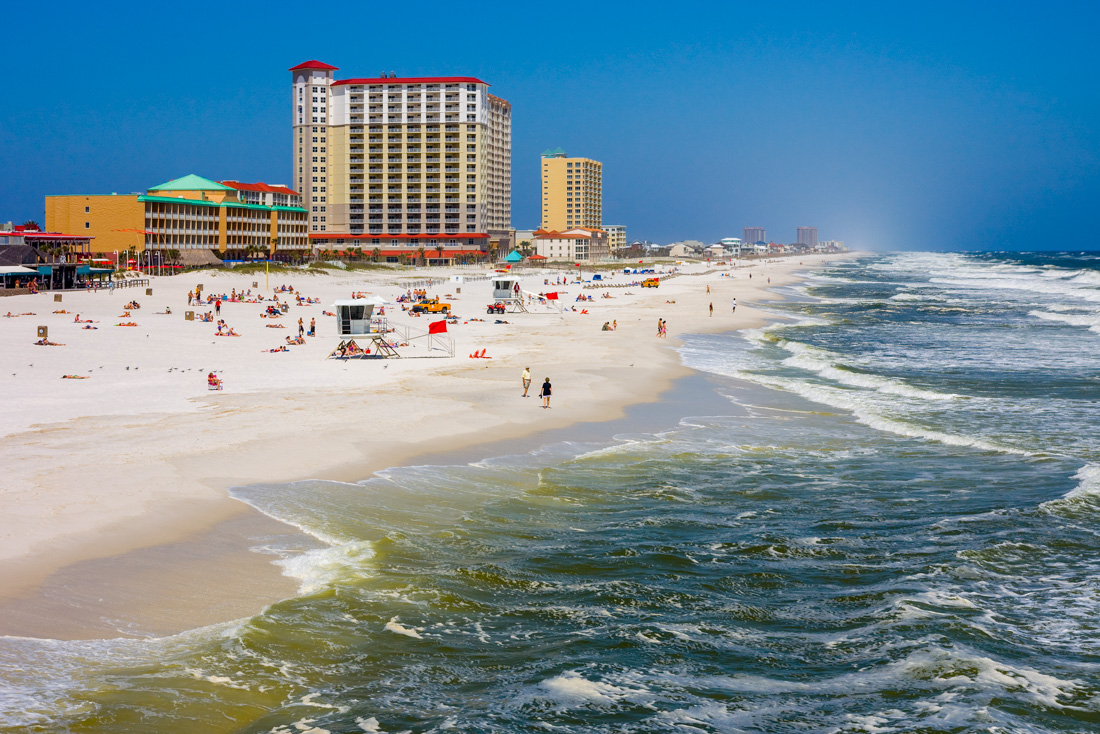
Understanding Pensacola’s Time Zone: Central Daylight Time Unveiled
At its core, Pensacola, Florida adheres to the Central Time Zone (CT). This places it squarely in a distinct geographical and temporal bracket, setting it apart from its neighbors further east in Florida who often observe the Eastern Time Zone (ET). For travelers, this distinction is paramount, as misjudging a time zone can lead to missed connections, appointment mix-ups, or simply an unnecessary rush.
The Central Time Zone (CT) Explained: UTC-6/UTC-5
During standard time, the Central Time Zone is defined as Coordinated Universal Time minus six hours (UTC-6). This means that when it’s noon UTC, it’s 6:00 AM CT. However, the clock doesn’t stay static throughout the year. Like many regions across the globe, Pensacola participates in Daylight Saving Time. From early March to early November, the clocks are advanced by one hour, shifting the city into Central Daylight Time (CDT). During this period, Pensacola’s time becomes UTC-5. This change effectively grants an extra hour of daylight in the evenings, a welcome bonus for tourists eager to maximize their exploration.
This intricate dance between CT and CDT is a critical piece of information for trip planning. Imagine planning a sunrise photography session at Pensacola Beach or coordinating an early morning charter for deep-sea fishing. A one-hour miscalculation due to an unawareness of Daylight Saving Time could mean either a missed opportunity or an unnecessarily early start. Being aware of the specific date changes for Daylight Saving Time each year is a smart move for any savvy traveler.
Why Knowing Your Time Zone Matters for Travel
Beyond the immediate inconvenience of a missed alarm, understanding Pensacola’s time zone has far-reaching implications for your travel experience. It affects virtually every aspect of your itinerary:
- Flight Schedules and Connections: The most obvious impact. Arrival and departure times are always listed in local time. If you’re flying from the Eastern Time Zone to Pensacola, you’ll gain an hour. From the Mountain Time Zone, you’ll lose an hour. Crucially, connecting flights in different time zones require careful attention to avoid miscalculations.
- Hotel Check-in/Check-out Times: These are strict and based on local time. Arriving too early or departing too late without prior arrangement can incur extra charges.
- Restaurant Reservations and Activity Bookings: Pensacola boasts a vibrant culinary scene and numerous attractions. Making a dinner reservation or booking a dolphin cruise will rely entirely on understanding the local clock. Showing up an hour late (or early) could mean losing your spot or missing the experience entirely.
- Coordinating with Others: If you’re meeting friends or family who are already in Pensacola, or if you need to communicate with people back home, a clear understanding of the time difference prevents miscommunications and ensures everyone is on the same page.
- Business Hours and Local Operations: Museums, shops, government offices, and even public transport operate according to local time. Knowing this helps you plan your day efficiently and avoid arriving at closed doors.
In essence, the time zone isn’t just a number on a clock; it’s the invisible framework around which your entire travel itinerary is built. Respecting and understanding it allows for a smoother, less stressful, and ultimately more enjoyable journey.
Navigating Time Differences for a Seamless Trip to Pensacola
Traveling across time zones, especially if you’re coming from far afield, can present challenges beyond simply setting your watch. The phenomenon of jet lag, coupled with the need to quickly adapt to a new schedule, can impact your initial days in Pensacola. However, with a bit of foresight and some practical strategies, you can minimize disruption and maximize your enjoyment from the moment you land.
Preparing for Your Arrival: Adjusting Your Internal Clock
The key to a smooth transition lies in proactive preparation. Start shifting your sleep schedule a few days before your trip. If you’re traveling westward to Pensacola (meaning you’ll gain hours), try to go to bed an hour or two later each night. If traveling eastward (losing hours), aim to go to bed earlier. This gradual adjustment helps ease your body into the new time. During your flight, set your watch to Pensacola time immediately. This mental shift helps you begin adapting even before you arrive. Try to eat and sleep according to your destination’s schedule while en route.
Hydration is also critical. Dehydration can exacerbate jet lag symptoms, so drink plenty of water before, during, and after your flight. Avoid excessive caffeine and alcohol, as these can interfere with your sleep cycle and hydration levels.
Practical Tips for Managing Jet Lag
Once you arrive in Pensacola, a few simple steps can help you quickly acclimate to the local time:
- Embrace Natural Light: Exposure to sunlight is one of the most effective ways to reset your circadian rhythm. Spend time outdoors, especially in the morning. Take a stroll along Pensacola Beach, explore Historic Pensacola Village, or simply enjoy a coffee on an outdoor patio.
- Stay Active, But Don’t Overdo It: Gentle activity can help keep you awake and signal to your body that it’s daytime. However, strenuous exercise too close to bedtime can be counterproductive.
- Stick to Local Meal Times: Even if you’re not hungry, try to eat meals at Pensacola’s breakfast, lunch, and dinner times. This helps further align your internal clock.
- Prioritize Sleep (at the Right Time): Avoid long naps during the day, especially if you arrive in the morning. If you must nap, keep it short (20-30 minutes) and early in the afternoon. Aim for a full night’s sleep at Pensacola’s nighttime.
- Manage Caffeine and Alcohol Intakes: While a morning coffee can help you wake up, avoid caffeine in the late afternoon or evening. Similarly, while a glass of wine might seem relaxing, alcohol can disrupt sleep quality.
By consciously adopting Pensacola’s schedule, you can minimize the grogginess and disorientation of jet lag, allowing you to fully enjoy your vacation from day one.
Coordinating with Local Schedules
Beyond personal acclimatization, travelers must consider Pensacola’s local operating hours and cultural norms around timing. Many attractions, like the National Naval Aviation Museum or Fort Pickens, have specific opening and closing times. Downtown shops and restaurants on Palafox Street will have their own rhythms, with some businesses closing for a midday break or operating later on weekends.
Always double-check the opening hours for any specific attraction or eatery you plan to visit. Online resources, official websites, and even a quick phone call can save you a wasted trip. For tours or guided experiences, confirm the start times and any recommended arrival windows. Being mindful of these local schedules ensures you maximize your time and avoid any logistical hiccups, enhancing your overall travel experience in Pensacola.
Optimal Timing: Experiencing Pensacola’s Charms Throughout the Day

Pensacola’s allure is multifaceted, offering a diverse array of experiences that change with the ebb and flow of the day. From the tranquil beginnings of sunrise to the lively buzz of the evening, understanding the local rhythm allows travelers to strategically plan their itinerary and fully immerse themselves in everything the city has to offer.
Morning Adventures: Kicking Off Your Day in Central Time
The early hours in Pensacola are often characterized by a serene beauty and a refreshing coolness, especially during the warmer months. This is an ideal time for activities that benefit from fewer crowds and softer light.
- Sunrise on Pensacola Beach: There’s nothing quite like watching the sun ascend over the Gulf of Mexico. Arriving at Pensacola Beach or even Gulf Islands National Seashore just before dawn offers breathtaking views and fantastic photographic opportunities. The gentle waves and the awakening sky create a peaceful start to any day.
- Breakfast & Coffee Culture: As the city wakes, so too do its cafes and breakfast eateries. Downtown Pensacola on Palafox Street offers charming spots for a hearty Southern breakfast or a gourmet coffee. This is a great time to observe local life as residents begin their day.
- Active Pursuits: The cooler morning temperatures are perfect for outdoor activities like jogging along the beach, cycling the Pensacola Bay trail, or a round of golf. Fishing charters often depart early, aiming to hit the best spots as the sun rises.
Afternoon Explorations: Diving Deep into Pensacola’s Heritage and Nature
As the sun climbs higher, Pensacola transitions into a hub of activity. The afternoon is prime time for delving into the city’s rich history, exploring its natural wonders, and enjoying its vibrant downtown.
- Historical Journeys: This is the perfect window for visiting indoor attractions like the National Naval Aviation Museum, which offers hours of captivating exhibits, or exploring the living history of Historic Pensacola Village. The cool interiors provide a welcome respite from the midday sun.
- Coastal Discoveries: Spend your afternoon exploring the Pensacola Bay area, perhaps taking a ferry to Fort Pickens for a dose of military history combined with stunning coastal scenery. Paddleboarding, kayaking, or simply relaxing by the Pensacola Bay are also excellent options.
- Shopping and Strolling: Downtown Pensacola, especially along Palafox Street, comes alive in the afternoon with boutiques, art galleries, and specialty shops. It’s an excellent time for leisurely browsing and soaking in the urban atmosphere.
Evening Delights: Unwinding and Experiencing Pensacola’s Nightlife
As the day draws to a close, Pensacola transforms, offering an array of dining, entertainment, and relaxed evening activities. The shift from daylight to twilight provides a magical backdrop for many experiences.
- Sunset Views: Just as sunrise has its charm, sunset over the Gulf of Mexico or Pensacola Bay is an absolute must-see. Many waterfront restaurants offer prime viewing spots, allowing you to pair a delicious meal with a spectacular natural show.
- Culinary Experiences: Pensacola’s dining scene is diverse, from fresh seafood shacks to upscale bistros. Evening is when many restaurants truly shine, offering lively atmospheres and exquisite menus. Making reservations, especially on weekends, is often recommended.
- Nightlife and Entertainment: Pensacola offers a variety of evening entertainment, from live music venues and cozy bars on Palafox Street to theatrical performances and cultural events. Check local listings for current shows and happenings. A leisurely evening stroll through downtown, admiring the historic architecture lit up at night, is also a delightful way to spend your time.
By understanding how Pensacola utilizes its Central Time Zone throughout the day, travelers can craft an itinerary that not only fits their personal preferences but also maximizes their exposure to the city’s unique charm and offerings.
Beyond the Clock: Maximizing Your Pensacola Travel Experience
While knowing the exact time in Pensacola, Florida is essential, true mastery of your travel experience extends beyond merely setting your watch. It involves integrating time awareness into a broader strategy for planning, pacing, and appreciating your journey. By considering the nuances of timing, you can transform a good trip into an unforgettable adventure.
Planning Your Itinerary with Time in Mind: Pacing and Transitions
Effective time management during travel is less about rigid adherence to a minute-by-minute schedule and more about thoughtful pacing and smooth transitions. Pensacola offers a wealth of attractions, but trying to cram too much into a single day can lead to exhaustion and a feeling of being rushed.
- Group Nearby Attractions: When planning your daily excursions, group attractions that are geographically close to each other. For example, you might dedicate a morning to Historic Pensacola Village and other downtown sites, then transition to Palafox Street for lunch and shopping in the afternoon. This minimizes travel time between locations.
- Allocate Realistic Time: Be realistic about how long each activity will take, including travel to and from, waiting times, and simply soaking in the experience. A museum visit might take longer than anticipated, or you might find yourself lingering longer at a scenic overlook. Build in buffer time for spontaneity and unforeseen delays.
- Balance Activity and Relaxation: Don’t forget to schedule downtime. A leisurely afternoon at Pensacola Beach, a quiet coffee break, or an evening enjoying the hotel amenities can be just as crucial to a fulfilling trip as visiting major landmarks. Remember, you’re on vacation to relax and rejuvenate.
Seasonal Considerations and Local Events
The “best” time to visit Pensacola isn’t just about the hour on the clock, but also the time of year. Each season brings its own set of weather patterns, crowds, and unique events that can significantly influence your travel experience.
- Spring (March-May): Generally pleasant temperatures, blooming flora, and fewer crowds than summer. Ideal for outdoor activities and enjoying the start of Central Daylight Time’s extended daylight. This season often hosts various festivals and outdoor concerts.
- Summer (June-August): Hot and humid, with a higher chance of afternoon thunderstorms. Peak tourist season, especially on Pensacola Beach, meaning larger crowds and higher prices. However, it’s also when many aquatic activities and family-friendly events are in full swing. The long daylight hours of CDT are maximized.
- Fall (September-November): Similar to spring, with comfortable temperatures and dwindling crowds, especially after Labor Day. The threat of hurricanes exists, but clear, beautiful days are common. Many local festivals take place, celebrating the arts, food, and culture of the region. The end of Daylight Saving Time means earlier sunsets, which can be lovely for evening dining.
- Winter (December-February): Mild temperatures make it an excellent escape from colder climates. Fewer tourists mean a more relaxed atmosphere. While swimming in the Gulf of Mexico might be too chilly for some, it’s perfect for exploring historic sites, enjoying waterfront dining, and attending winter events. Standard Central Time Zone (UTC-6) is in effect, bringing earlier evenings.
Researching local event calendars for the time of your visit can also uncover unique opportunities, from seafood festivals and art shows to live music performances and sporting events. Aligning your trip with these happenings can add an extra layer of richness to your Pensacola adventure.

Embracing the Local Rhythm
Ultimately, a truly insightful traveler understands that time is not just a universal constant but also a local construct. In Pensacola, the Central Time Zone dictates the tempo of life. Sometimes this means slowing down to enjoy a leisurely Southern meal; other times, it means seizing the moment for an early morning paddleboard session before the day heats up.
Embrace the rhythm of Pensacola. Let the time guide you, but don’t let it constrain you. Be flexible, be curious, and allow yourself to discover the unexpected joys that arise when you’re tuned into the local cadence. Whether it’s the specific hour of the day or the broader seasonal context, understanding and appreciating Pensacola’s time helps you craft not just a schedule, but a truly memorable and authentic travel experience.
From the first moment you check your watch upon arrival until your final sunset gaze, being aware of “What Is The Time In Pensacola, Florida?” is more than just a logistical detail. It’s a key to unlocking the full potential of your visit, ensuring that every precious moment is spent in harmony with the vibrant pulse of this enchanting coastal city.
LifeOutOfTheBox is a participant in the Amazon Services LLC Associates Program, an affiliate advertising program designed to provide a means for sites to earn advertising fees by advertising and linking to Amazon.com. Amazon, the Amazon logo, AmazonSupply, and the AmazonSupply logo are trademarks of Amazon.com, Inc. or its affiliates. As an Amazon Associate we earn affiliate commissions from qualifying purchases.