
As you contemplate a visit to the vibrant heart of the Sonoran Desert, one of the first logistical questions that often arises for travelers is, “What time is it in Phoenix, Arizona right now?” Understanding the local time is not merely a matter of curiosity; it’s a cornerstone for seamless travel planning, from coordinating flight arrivals and hotel check-ins to scheduling exhilarating desert excursions and cultural explorations. While the precise second changes constantly, the fundamental truth about Phoenix’s time zone remains consistent: it operates on Mountain Standard Time (MST) throughout the entire year, a unique characteristic that sets it apart from many other regions in the United States.

For instance, if you were to check your watch at this very moment and it showed 10:00 AM MST, that would be the current time in Phoenix. This article delves into the specifics of Arizona’s time zone, how it impacts your travel and lifestyle choices, and practical tips for making the most of your visit to this captivating desert metropolis. Whether you’re a first-time visitor or a seasoned traveler, grasping the nuances of Phoenix time is essential for a truly enriching experience.
Unraveling Phoenix’s Unique Time Zone: Mountain Standard Time All Year Round
The question “What time is it in Phoenix?” might seem straightforward, but the answer carries a fascinating geographical and legislative twist. Unlike most states that observe Daylight Saving Time, the vast majority of Arizona, including its capital city, Phoenix, maintains Mountain Standard Time consistently throughout the year. This perpetual adherence to MST simplifies time calculations but also creates a shifting relationship with neighboring states and time zones as they spring forward and fall back.
The Arizona Anomaly: No Daylight Saving Time
Phoenix is located within the geographic boundaries of the Mountain Time Zone. However, its decision to opt out of Daylight Saving Time (DST) dates back to the 1960s. The primary reason behind this choice is rooted in the state’s extreme summer heat. During the warmer months, extending daylight into the evening would mean more hours of scorching sun, pushing energy consumption higher as residents rely heavily on air conditioning. By staying on MST year-round, Arizona ensures earlier sunsets in the summer, which helps to mitigate the impact of the intense heat, allowing for cooler evenings and more comfortable outdoor activities. This decision significantly influences local culture, activity planning, and even the daily rhythms of life in Phoenix.
It’s important to note that while most of Arizona observes this no-DST policy, there is one significant exception: the Navajo Nation. This large autonomous territory, which spans parts of northeastern Arizona, New Mexico, and Utah, does observe Daylight Saving Time to align with the rest of the tribal lands that extend into other states. This means that for a portion of the year (from March to November), if you travel from Phoenix into the Navajo Nation, you will experience a one-hour time jump. For the average traveler primarily exploring the Phoenix metropolitan area and its immediate surroundings, this exception is unlikely to impact your plans directly, but it’s a fascinating detail illustrating the complexities of time zones.
Comparing Phoenix Time with Major US Cities
Understanding Phoenix’s year-round MST becomes particularly relevant when comparing it to other major US cities that do observe Daylight Saving Time. This comparison is crucial for business travelers coordinating meetings, families planning video calls, or anyone arranging travel logistics across different time zones.
During the period when Daylight Saving Time is not in effect (roughly November to March), Phoenix time aligns with standard Mountain Standard Time.
- It is one hour ahead of Pacific Standard Time (PST), meaning if it’s 10:00 AM in Phoenix, it’s 9:00 AM in Los Angeles or San Francisco.
- It is the same time as Mountain Time in states like Colorado or Utah, so 10:00 AM in Phoenix is also 10:00 AM in Denver or Salt Lake City.
- It is one hour behind Central Standard Time (CST), so 10:00 AM in Phoenix means 11:00 AM in Chicago or Dallas.
- It is two hours behind Eastern Standard Time (EST), making it 12:00 PM (noon) in New York City or Miami when it’s 10:00 AM in Phoenix.
However, during the period when Daylight Saving Time is in effect (roughly March to November), the comparisons shift:
- Phoenix becomes the same time as Pacific Daylight Time (PDT). So, if it’s 10:00 AM in Phoenix, it’s also 10:00 AM in Los Angeles or Seattle. This can be a common point of confusion for travelers from the West Coast.
- Phoenix is now one hour behind Mountain Daylight Time (MDT), meaning if it’s 10:00 AM in Phoenix, it’s 11:00 AM in Denver or Albuquerque.
- The relationship with Central Daylight Time (CDT) remains one hour difference, with Phoenix being two hours behind (10:00 AM in Phoenix means 12:00 PM in Chicago).
- Similarly, the difference with Eastern Daylight Time (EDT) becomes three hours (10:00 AM in Phoenix means 1:00 PM in New York).
These shifting time differences highlight the importance of always verifying the current local time upon arrival or when planning activities, particularly when dealing with bookings or coordinating with individuals in other time zones. Many modern smart devices will automatically update, but an awareness of Arizona’s unique stance on DST is invaluable.
Why Time Matters for Your Phoenix Travel Experience
Understanding the time in Phoenix goes beyond simple curiosity; it profoundly impacts every aspect of your travel experience, from the moment you land to your leisurely explorations of the city’s rich cultural tapestry and natural wonders. For travelers, timing is everything, especially in a destination like Phoenix where the climate dictates much of the daily rhythm.
Seamless Travel Planning: Flights, Check-ins, and Tours
Precise time awareness is fundamental for smooth travel logistics. When booking flights to Phoenix Sky Harbor International Airport (PHX), remember that your arrival and departure times will be quoted in local Phoenix time. Miscalculating the time difference, especially during the Daylight Saving Time period when Phoenix diverges from its Mountain Time Zone neighbors, can lead to missed connections or unnecessary delays.
The same applies to accommodation check-in and check-out times. Most hotels, resorts, and vacation rentals in Phoenix typically have standard check-in times in the afternoon (e.g., 3:00 PM or 4:00 PM) and check-out times in the late morning (e.g., 11:00 AM or 12:00 PM). Being aware of the local time ensures you arrive when your room is ready or depart without incurring late fees. Many upscale resorts, such as the Arizona Biltmore or The Phoenician, offer flexible options, but these are often dependent on availability and prior arrangement.

Furthermore, if you’re planning to immerse yourself in Phoenix’s array of tours and experiences, adherence to local time is paramount. Early morning hot air balloon rides over the Sonoran Desert, guided hiking tours up Camelback Mountain, or evening stargazing expeditions all operate on strict schedules. Missing your designated departure time due to a time zone miscalculation could mean missing out on a once-in-a-lifetime adventure. Even coordinating with local guides or setting up meet-ups with travel companions requires a clear understanding of Phoenix time.
Maximizing Your Phoenix Tourism and Landmark Visits
For tourism and exploring Phoenix’s many landmarks, understanding local time, and particularly the seasonal implications of Arizona’s no-DST policy, is vital for a rewarding itinerary. Most attractions have specific opening and closing hours, which can vary by season. For instance, the serene Desert Botanical Garden, the culturally rich Heard Museum, and Frank Lloyd Wright’s architectural marvel, Taliesin West, all adhere to local operating hours. Always check their official websites for the most up-to-date information, factoring in Phoenix’s year-round MST.
Beyond structured attractions, time awareness is critical for enjoying Phoenix’s abundant outdoor activities. During the summer months, the desert heat can be intense. This is where Arizona’s unique time zone becomes a blessing. The earlier sunsets mean that the peak heat subsides sooner, allowing for more comfortable evenings. However, for morning hikes or bike rides in places like Papago Park, starting as early as possible (e.g., sunrise, which occurs relatively early due to no DST) is highly recommended to avoid the hottest parts of the day. Travelers often plan their days around the sun, with early morning adventures, mid-day indoor activities (museums, shopping, spa treatments), and late afternoon/evening outdoor enjoyment.
Furthermore, dining reservations, especially at popular restaurants in areas like Old Town Scottsdale or downtown Phoenix, need to be made with local time in mind. If you’re coming from a time zone far to the east, your internal clock might be telling you it’s much later than it truly is, potentially leading to dinner reservations that feel uncomfortably early or late. The vibrant nightlife, from live music venues to rooftop bars, also operates on the local clock, so syncing your schedule is key to enjoying Phoenix’s after-dark scene.
Lifestyle and Accommodation: Adapting to the Phoenix Rhythm
The consistent nature of Phoenix’s time zone influences more than just travel logistics; it shapes the local lifestyle and how residents and visitors interact with their accommodation and surroundings. Adapting to this rhythm, especially for those accustomed to Daylight Saving Time, is part of truly immersing yourself in the Phoenix experience.
Adjusting to the Time Difference: Combatting Jet Lag
For travelers arriving from distant time zones, particularly those from the Eastern Seaboard or international destinations, adjusting to Phoenix’s time can take a day or two. The consistent MST means that if you’re arriving during the summer months from a region observing DST to the east, you might feel the effects of a greater time difference than you anticipated. For example, New York is three hours ahead of Phoenix during DST, which can lead to noticeable jet lag.
To combat this, it’s advisable to start adjusting your sleep schedule a few days before your trip. Once you arrive, embrace the local rhythm:
- Seek sunlight: Exposure to natural light, especially in the mornings, helps reset your circadian rhythm. Take an early stroll or have breakfast outdoors.
- Stay hydrated: The dry desert climate combined with travel fatigue can lead to dehydration. Drink plenty of water.
- Avoid napping if possible: Try to stay awake until local bedtime to help your body adjust more quickly.
- Exercise lightly: A gentle walk or swim at your resort can boost energy and improve sleep later.
- Optimize your accommodation for sleep: Ensure your hotel suite or apartment has blackout curtains and is set to a comfortable temperature. Properties like the JW Marriott Desert Ridge Resort & Spa or Hyatt Regency Phoenix often offer amenities designed to enhance guest comfort and aid in relaxation.
Choosing the Right Accommodation: Timing Your Stay
The impact of time and season extends to your choice of accommodation and how you utilize its amenities. Phoenix offers a vast range of options, from luxurious resorts and boutique hotels to family-friendly apartments and secluded villas. The operating hours for swimming pools, spas, fitness centers, and on-site restaurants at these establishments are all tied to Phoenix’s local time.
For business travelers or those on long-term stays, coordinating with colleagues or clients in different time zones is a constant consideration. Many hotels offer business centers and meeting facilities, but it’s up to the individual to navigate international or inter-state call schedules. Remote workers often find Phoenix’s time advantageous during the summer, as the later sunsets can mean more productive morning work hours before the intense heat sets in, allowing for outdoor enjoyment in the cooler evenings.
Booking your accommodation also ties into the time of year. While Phoenix is a popular destination year-round, its peak season runs from late fall through spring, when the weather is most pleasant. During these months, demand for hotels and resorts is higher, impacting availability and pricing. Understanding the seasonal rhythms, driven by the climate and thus indirectly by the daily sun cycle, helps in securing the best deals and ensuring your preferred dates.
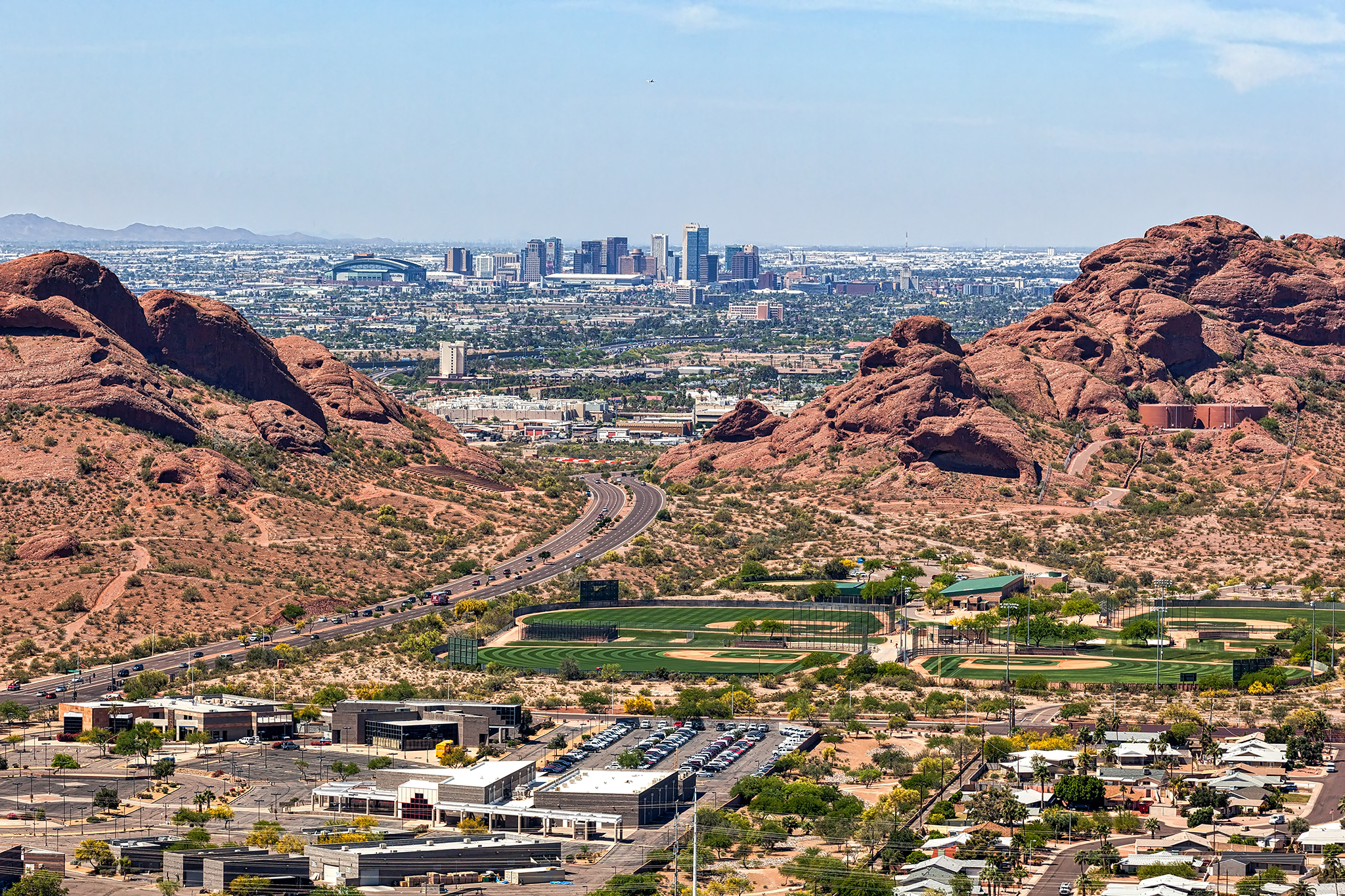
Experiencing Phoenix Beyond the Clock: Seasons and Events
While the daily clock is important, the broader “time” in Phoenix also encompasses its distinct seasons and vibrant event calendar. The city truly comes alive in the cooler months, hosting major events like the Waste Management Phoenix Open in February and spring training baseball for numerous MLB teams. These events, of course, run on local Phoenix time. Planning your trip around such occurrences requires careful time management and early bookings for accommodations and activities.
Even during the summer, when the temperatures soar, early mornings and late evenings offer unique opportunities to experience the city. Sunrise hikes, twilight desert walks, or enjoying a refreshing dip in a resort pool as the stars emerge are quintessential Phoenix experiences. The city’s no-DST policy means that evenings during the summer arrive earlier than they would in many other US cities, allowing locals and visitors alike to enjoy the diminishing heat and beautiful sunsets sooner.
In conclusion, knowing the current time in Phoenix, Arizona – always Mountain Standard Time – is a critical piece of information for any traveler. It’s the key to unlocking seamless travel arrangements, maximizing your tourism adventures, and fully embracing the distinctive lifestyle and rhythms of this extraordinary desert destination. Armed with this knowledge, you are well-prepared to plan an unforgettable journey to the Valley of the Sun.
LifeOutOfTheBox is a participant in the Amazon Services LLC Associates Program, an affiliate advertising program designed to provide a means for sites to earn advertising fees by advertising and linking to Amazon.com. Amazon, the Amazon logo, AmazonSupply, and the AmazonSupply logo are trademarks of Amazon.com, Inc. or its affiliates. As an Amazon Associate we earn affiliate commissions from qualifying purchases.