
Understanding the precise time in any given location is fundamental for travelers, whether planning a detailed itinerary, booking accommodation, or simply coordinating with loved ones. For those eyeing a trip to the vast and diverse state of Texas, a simple question like “What is the time in Texas, USA right now?” opens up a crucial discussion about time zones, their impact on travel logistics, and how to maximize your experience in the Lone Star State. While we can’t provide a real-time clock, we can equip you with all the knowledge needed to confidently navigate Texas’s temporal landscape, ensuring your travel plans are as seamless as possible.
Texas is not just a state; it’s a sprawling tapestry of vibrant cities, rich history, stunning natural beauty, and distinct regional cultures. Its sheer size means that it doesn’t operate under a single, monolithic time zone. This fact is paramount for anyone planning to traverse its highways, from the bustling metropolises of the east to the rugged desert landscapes of the west. From orchestrating meetings for a business trip to Dallas or Houston, to reserving a table at a critically acclaimed restaurant in Austin, or timing your visit to a historical landmark in San Antonio, understanding local time is your first step towards an unforgettable Texas adventure. This guide will delve into the nuances of Texas’s time zones, offering practical advice for travelers, tourists, and anyone considering a stay in this magnificent part of the United States.

Decoding Texas Time Zones: Central and Mountain
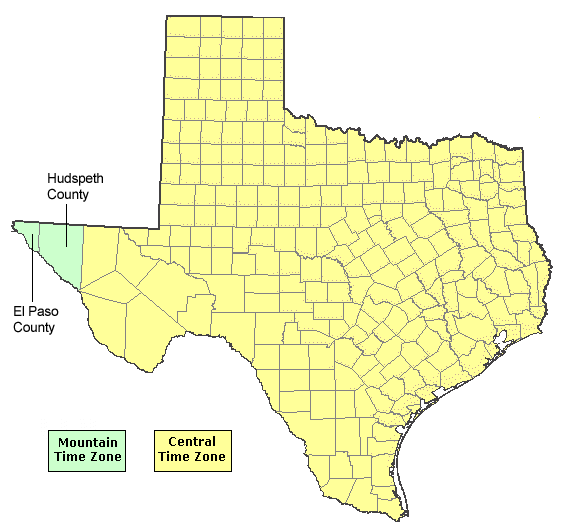
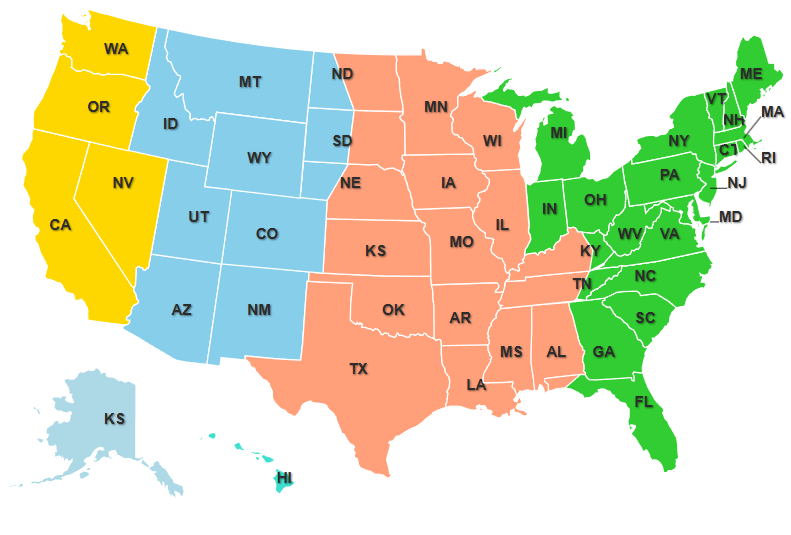
Due to its expansive geographical footprint, Texas is unique in that it falls predominantly within one major time zone, but a small yet significant portion observes another. The majority of the state adheres to the Central Time Zone, while a specific western sliver observes the Mountain Time Zone. This distinction is vital for accurate travel planning and communication.
Central Time Zone (CT): The Heartbeat of Texas Travel
The vast majority of Texas, encompassing its most populous cities and popular tourist destinations, operates on Central Time. This means that for much of the year, during Standard Time, these areas observe Central Standard Time (CST), which is UTC-6. When Daylight Saving Time is in effect, typically from mid-March to early November, these regions switch to Central Daylight Time (CDT), which is UTC-5.
Major urban centers like Dallas, Houston, Austin, and San Antonio all fall squarely within the Central Time Zone. This simplifies planning for most visitors, as they will primarily be dealing with one consistent time throughout their journey. Whether you’re flying into Dallas/Fort Worth International Airport or George Bush Intercontinental Airport in Houston, checking into a resort, or attending a concert, all local times will be aligned with Central Time. This consistency is a boon for travelers, reducing the likelihood of missed connections or appointments due to time zone confusion. However, it’s always wise to confirm specific event times or reservation details, especially when communicating with people in other time zones or considering the switch to or from Daylight Saving Time.
Mountain Time Zone (MT): Western Texas’s Unique Rhythm
While the bulk of Texas is on Central Time, the westernmost part of the state observes the Mountain Time Zone. Specifically, the city of El Paso and all of El Paso County, along with a small portion of Hudspeth County (the area west of the Guadalupe Mountains National Park and the Culberson County line), operate on Mountain Time. During Standard Time, this is Mountain Standard Time (MST) (UTC-7), and during Daylight Saving Time, it’s Mountain Daylight Time (MDT) (UTC-6).
This means there is a one-hour difference between El Paso and cities like Dallas or Houston. If it’s 3 PM in Austin, it will be 2 PM in El Paso. This time change is critical for anyone traveling across the state, particularly those planning road trips that span the entire breadth of Texas. For instance, driving from San Antonio to El Paso means you’ll gain an hour upon arrival, which can be a welcome bonus for check-in or an unexpected challenge for scheduled meetings. When booking flights, accommodation, or tours in El Paso or the surrounding Mountain Time areas, always confirm the local time to avoid any misunderstandings. Even seemingly simple tasks like calling a hotel to confirm a reservation across time zones require a moment of calculation.
Navigating Texas: Time Zones and Travel Planning
A successful trip to Texas hinges on meticulous planning, and incorporating an understanding of its time zones into your preparations is non-negotiable. From the moment you book your flight to the last souvenir you purchase, time plays a silent yet significant role.
Flights, Hotels, and Reservations: Precision is Key
The logistical backbone of any journey involves coordinating travel, accommodation, and activities. In Texas, this is further complicated by its dual time zones.
Travel Logistics: When booking flights, especially those with connections or internal flights within Texas, pay close attention to the time zone specified for each leg of the journey. A flight departing Dallas/Fort Worth International Airport at 9 AM CT might arrive in El Paso at 9:30 AM MT (a seemingly quick 30-minute flight that in reality took 1 hour 30 minutes due to the time difference). Always verify departure and arrival times in the local time of the respective airports. This attention to detail prevents confusion and ensures smooth transitions, particularly for those flying into major hubs like George Bush Intercontinental Airport in Houston or Dallas/Fort Worth International Airport before embarking on a journey to the western reaches of the state.
Hotels and Accommodation: Texas offers a vast array of accommodation options, from luxury resorts and boutique hotels to charming apartments and long-term villas. Whether you’re checking into The Driskill Hotel, a historic gem in downtown Austin, or securing a suite at the contemporary Hotel ZaZa Houston Museum District, check-in and check-out times are always based on the local time of the property. For those arriving from a different time zone, especially the one-hour shift when crossing between Central and Mountain Time, it’s crucial to adjust your internal clock to avoid late arrivals or unexpected fees. Pre-booking activities or amenities at your resort, like spa treatments or dinner reservations, should also be done with local time firmly in mind.
Tourism and Activities: Texas boasts an incredible range of attractions. From solemn visits to the Alamo in San Antonio to awe-inspiring explorations of Space Center Houston, each activity operates on a strict schedule. Missing a guided tour or a timed entry slot because of time zone oversight can be a real damper on your trip. The same applies to dining: many popular restaurants, especially those offering unique culinary experiences, require reservations. Coordinating these with your internal clock and the local time ensures you don’t miss out on Texas’s renowned culinary scene.
Maximizing Your Texas Experience: Culture, Food, and Landmarks
Understanding time zones isn’t just about avoiding logistical blunders; it’s about optimizing your travel experience, allowing you to immerse yourself fully in Texas’s vibrant culture, diverse food landscape, and iconic landmarks.
Local Culture and Events: Texas is a hub for festivals, live music, and cultural events. Consider the energy of South by Southwest (SXSW) in Austin, the historic charm of a concert at Gruene Hall near New Braunfels, or the daily cattle drive in Fort Worth’s Stockyards National Historic District. These events often run on tight schedules, and being punctual is essential to catching the full experience. For instance, the cattle drive in Fort Worth occurs twice daily at specific Central Time hours – miss it, and you miss a quintessential Texas moment.
Food and Dining: The culinary landscape of Texas is as vast as its geography, from world-famous BBQ joints and authentic Tex-Mex establishments to fine dining experiences. Planning your meals around local dining hours is crucial. While a late dinner might be common in some cities, smaller towns might have earlier closing times. Adjusting to the local rhythm means you can enjoy a leisurely brunch, a hearty lunch, and a memorable dinner without feeling rushed or finding establishments closed. For example, a food tour in San Antonio or a deep-dish pizza experience in Dallas will adhere strictly to Central Time.
Landmarks and Natural Wonders: Texas is home to an incredible array of landmarks, from man-made marvels to breathtaking natural landscapes. The San Antonio Riverwalk, with its boat tours and riverside dining, operates on a schedule. Similarly, when exploring the grandeur of Big Bend National Park, a massive park straddling the geographical line between Central and Mountain Time but officially operating on Central Time, understanding the designated park hours is vital for planning hikes and scenic drives. Even iconic historical sites like The Sixth Floor Museum at Dealey Plaza in Dallas have specific opening and closing times that require adherence to Central Time. Failing to account for the time zone in El Paso could mean arriving at a museum only to find it closed, or missing the perfect sunset view from a scenic overlook.
Lifestyle Choices: From Luxury to Budget, Texas Has It All
Texas caters to every lifestyle and budget, offering a spectrum of experiences from opulent luxury to adventurous budget travel. Regardless of your chosen style, integrating time zone awareness into your planning enhances convenience and value.
Tailoring Your Stay: Hotels and Accommodation Insights
The right accommodation can define your trip, and Texas’s options are as varied as its landscapes. Time considerations are part of a smart booking strategy.
Luxury Travel: For those indulging in luxury, resorts like The Post Oak Hotel at Uptown Houston offer unparalleled amenities and personalized services. While these establishments strive for seamless experiences, confirming check-in times, spa appointments, or bespoke dining experiences based on the local time ensures that every detail of your opulent stay unfolds without a hitch. Luxury travel often involves intricate itineraries; therefore, understanding the precise local time for private transfers, concierge services, or exclusive events is crucial for maintaining that high level of comfort and punctuality.
Budget Travel: Savvy budget travelers know that timing is everything. Booking hostels, budget hotels, or utilizing comparison sites well in advance can secure significant savings, especially during peak seasons or major events like SXSW. Being aware of local time also helps in planning efficient public transport routes or identifying off-peak hours for popular attractions, allowing you to stretch your budget further without compromising on experiences. Arriving at a budget accommodation before reception closes (based on local time) is often a critical detail.
Family Trips: Traveling with family requires extra coordination. Resorts and vacation rentals often have specific rules regarding check-in and check-out, as well as amenity access. Planning activities around children’s schedules and accounting for any slight time changes (even the one-hour shift to Mountain Time) can prevent meltdowns and ensure everyone enjoys the trip. Early planning for popular attractions like amusement parks or museums, often with timed entry, becomes even more important when wrangling a family.
Business Stays: For professionals, time is money. Corporate apartments and hotels with robust conference facilities are common across Texas’s major cities. When coordinating meetings, presentations, or client dinners, clear communication of time zones is paramount. A 9 AM meeting in Dallas is 8 AM in El Paso, a difference that could lead to missed opportunities if overlooked. Business travelers often work with tight schedules, making precise time zone understanding an invaluable asset.
Time Management for Different Travel Styles
The way you manage your time in Texas should adapt to your travel style, always with an eye on the clock.
For a road trip traversing the state from Houston to El Paso, the time zone change is an experience in itself. While you’ll gain an hour upon arrival in El Paso, remember that the return journey will “lose” you an hour, requiring an earlier start to maintain your schedule. Modern smartphones and GPS devices automatically adjust to local time, but it’s always good practice to manually check your watch or a reliable online source when crossing time zone boundaries.
While jet lag typically refers to crossing multiple international time zones, a shift of even one hour can slightly disrupt internal body clocks, particularly for sensitive individuals. For those arriving from very different time zones outside of Texas (e.g., from the East Coast or West Coast of the United States), allowing for a buffer day upon arrival or strategically leveraging early mornings or late evenings can help acclimate and maximize exploration without feeling exhausted. If you’re an early riser, the Central Time Zone might offer earlier sunrises for morning activities, while the Mountain Time Zone provides longer evenings for enjoying sunsets over the desert.
Ultimately, the answer to “What is the time in Texas, USA right now?” is more complex than a simple number. It’s an invitation to understand the geography and logistics of a grand state, preparing you for an enriching and hassle-free journey. By keeping the distinction between Central Time and Mountain Time in mind, you can expertly plan your travel, accommodations, and activities, ensuring every moment in Texas is cherished and punctual. Enjoy the journey, and may your Texas adventures be perfectly timed!
LifeOutOfTheBox is a participant in the Amazon Services LLC Associates Program, an affiliate advertising program designed to provide a means for sites to earn advertising fees by advertising and linking to Amazon.com. Amazon, the Amazon logo, AmazonSupply, and the AmazonSupply logo are trademarks of Amazon.com, Inc. or its affiliates. As an Amazon Associate we earn affiliate commissions from qualifying purchases.