
Planning a trip to the Golden State often involves meticulous attention to detail, from booking the perfect accommodation to mapping out an itinerary packed with breathtaking landmarks and unforgettable experiences. Yet, one fundamental piece of information, often overlooked until the last minute, is the local time. Understanding “What is the time in U.S.A. California?” is not merely a matter of curiosity; it’s a cornerstone for seamless travel, effective tourism, and an enjoyable lifestyle experience across this vast and vibrant state.
California, a jewel of the United States, operates on the Pacific Time Zone (PT). This time zone observes two distinct phases throughout the year: Pacific Standard Time (PST) and Pacific Daylight Time (PDT). For any traveler venturing to iconic cities like Los Angeles, San Francisco, or San Diego, or exploring the natural wonders of Yosemite National Park and the wine regions of Napa Valley, grasping these time distinctions is essential. It impacts everything from flight schedules and hotel check-ins to dining reservations, tour timings, and even managing the inevitable jet lag.
This guide delves into the nuances of California’s time, illustrating why this seemingly simple fact holds immense significance for your next adventure. We’ll explore how to leverage this knowledge to enhance your travel planning, optimize your itinerary, and fully immerse yourself in the diverse offerings of one of the world’s most sought-after destinations.
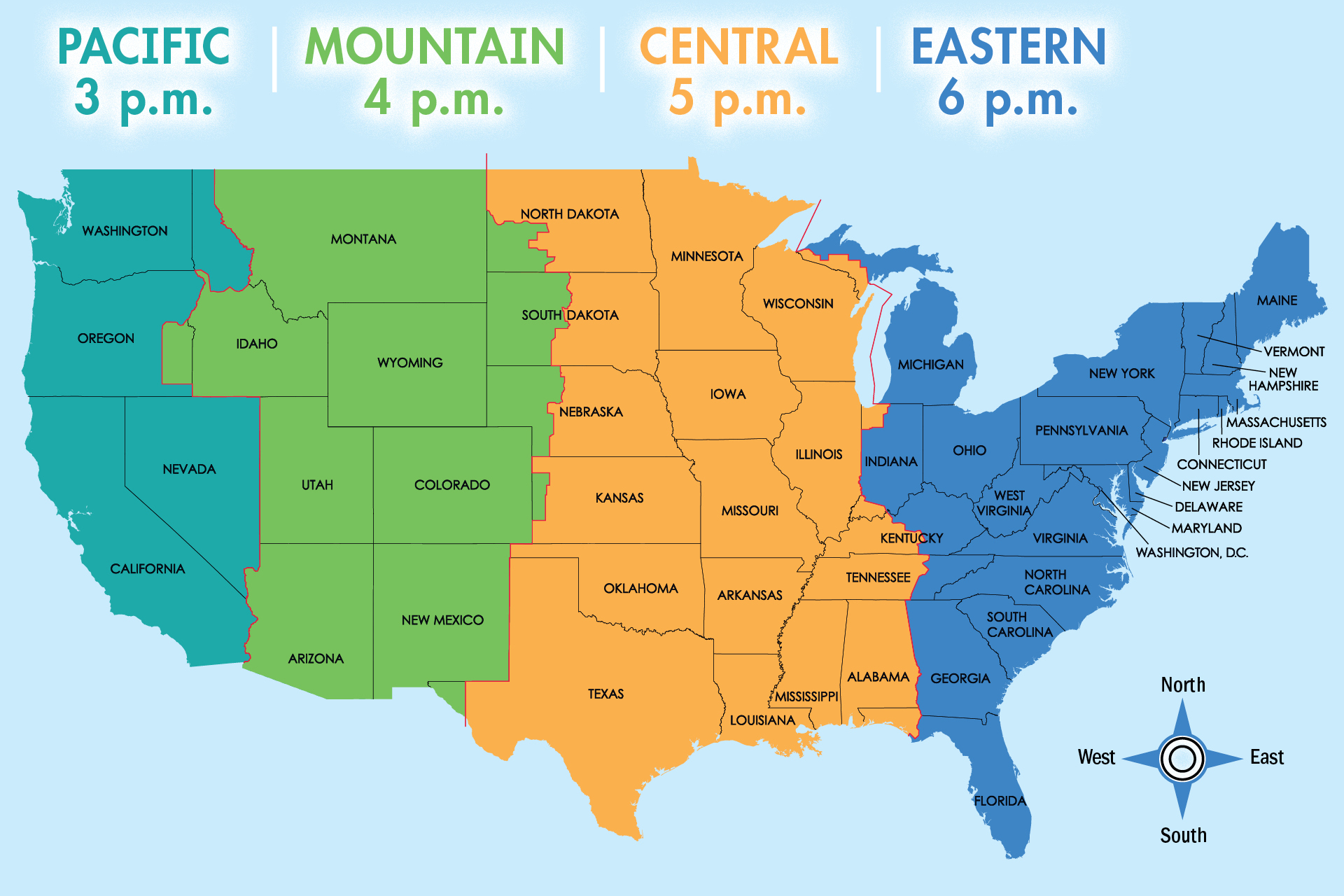
Understanding California’s Time Zones for Seamless Travel
The concept of time zones might seem straightforward, but for travelers crossing multiple longitudes, the shift can have profound implications. California falls under the Pacific Time Zone, which is crucial for anyone arriving from other parts of the U.S.A. or internationally.
Pacific Standard Time (PST) and Pacific Daylight Time (PDT): The Basics
California primarily operates on Pacific Standard Time (PST) during the fall and winter months. PST is UTC-8, meaning it is eight hours behind Coordinated Universal Time. However, like much of the United States, California observes Daylight Saving Time, which shifts the clock forward by one hour during the spring and summer. This period is known as Pacific Daylight Time (PDT), making it UTC-7.
The transition to Daylight Saving Time typically occurs on the second Sunday in March, when clocks “spring forward.” Conversely, they “fall back” to Pacific Standard Time on the first Sunday in November. This twice-yearly adjustment is vital for travelers to remember. A missed flight or an early check-in at your hotel due to an oversight in time zone calculation can quickly derail your meticulously planned trip. Always confirm whether California is currently observing PST or PDT, especially if your travel dates fall around these transition periods. Most modern smartphones and digital devices automatically update, but a manual check can prevent potential headaches.
Why Time Zones Matter for Your California Trip
Beyond just knowing the current hour, understanding California’s time zone has practical implications across various aspects of your journey:
- Connecting Flights and International Travel: If you’re arriving from another time zone, especially one several hours different, miscalculating arrival times can lead to missed connections or unnecessary waiting periods at the airport. For international travelers, synchronizing watches immediately upon arrival is crucial for navigating subsequent domestic flights or transfers.
- Hotel Check-in and Check-out: The standard hotel check-in time is often in the mid-afternoon (e.g., 3:00 PM PST/PDT), with check-out typically around late morning (e.g., 11:00 AM PST/PDT). Arriving too early or too late without prior arrangement can lead to delays or extra charges. Communicating your expected arrival time, especially if it’s significantly impacted by time zone changes, is a good practice for smooth accommodation experiences.
- Booking Tours, Restaurant Reservations, and Activities: Many popular California attractions, restaurants, and tours operate on strict schedules. Missing a timed entry slot for Alcatraz Island in San Francisco or a dinner reservation in Beverly Hills can be disappointing. Always confirm the local time for your bookings to avoid any mix-ups. This is particularly important for unique cultural activities or special events.
- Meeting Friends, Family, or Business Contacts: If you’re traveling to meet others, ensuring everyone is on the same time page is fundamental. A simple phone call or text can be misinterpreted if time differences aren’t factored in, leading to frustration and missed opportunities.
- Business Travel Considerations: For business travelers, adhering to local time is paramount for meetings, conferences, and presentations. Effective communication with colleagues or clients in different time zones requires careful planning and consideration of their local hours to avoid inconvenient call times.
Navigating California by the Clock: Optimizing Your Itinerary
A well-planned itinerary is the backbone of any successful trip, and factoring in California’s local time significantly enhances your ability to maximize every moment. From the bustling city streets to tranquil natural landscapes, timing can be everything.
Maximizing Your Day: California Destinations and Their Rhythms
Each region and attraction in California has its own optimal visiting rhythm, often dictated by local time and crowd patterns.
- Coastal Cities: Los Angeles, San Francisco, San Diego:
- In Los Angeles, an early start can mean beating the notorious traffic to popular spots like the Hollywood Walk of Fame or Griffith Observatory. Sunset views from Santa Monica Pier are legendary, but arrive early to secure a good spot.
- San Francisco’s Golden Gate Bridge is spectacular at any time, but photography is often best in the morning or late afternoon light. Ferries to Alcatraz run on a tight schedule, requiring advance booking and punctual arrival. Exploring the Ferry Building Marketplace is best done mid-morning before the lunch rush.
- San Diego offers relaxed beach vibes during the day and a lively nightlife in the Gaslamp Quarter after dusk. Early morning visits to the San Diego Zoo can help you see animals at their most active and avoid the hottest parts of the day.
- Theme Parks: Disneyland Park, Universal Studios Hollywood: These attractions are meticulously timed. Knowing opening and closing hours, parade schedules, and showtimes is crucial. Arriving at park opening (rope drop) allows you to experience popular rides with shorter queues. Using mobile apps to monitor wait times in real-time can further optimize your day.
- Nature & Wine Country: Yosemite National Park, Napa Valley:
- Yosemite National Park is best explored early in the morning to beat crowds on popular trails and secure parking. Sunrise over Tunnel View is an unforgettable experience for those willing to wake before dawn.
- In Napa Valley, wine tastings and vineyard tours often have specific start times. Booking in advance and arriving promptly ensures you don’t miss out on these exclusive experiences. Lunch reservations at popular vineyard restaurants are also a must.
Accommodation and Time: What Travelers Need to Know
Your choice of accommodation and how you interact with it is heavily influenced by local time.
- Check-in/Check-out Policies: Most hotels, resorts, and vacation rentals have rigid check-in and check-out times. If your flight arrives early, inquire about early check-in options. Conversely, if your flight departs late, a late check-out or luggage storage can be invaluable. Always confirm these policies in advance.
- Communication with Hotels: When making special requests or inquiries, always consider the local time of your hotel in California. Calling during their business hours ensures prompt responses and avoids waking staff or calling outside of their operational schedule.
- Diverse Accommodation Types: Whether you’re staying at a luxury hotel in Beverly Hills, a boutique resort in Carmel-by-the-Sea, or an apartment rental in San Francisco, understanding the local time ensures smooth transitions and helps you make the most of amenities like breakfast hours, pool access, and concierge services.
Beyond the Clock: Managing Jet Lag and Embracing the California Lifestyle
While precise timekeeping is vital for logistics, California travel also requires an understanding of how time affects your body and your ability to fully appreciate the lifestyle and culture of the Golden State.
Strategies for Combating Jet Lag in the Golden State
Jet lag can significantly dampen your initial California experience, especially if you’re crossing multiple time zones. However, with some preparation, you can mitigate its effects:
- Pre-adjustment: A few days before your trip, try to gradually shift your sleep schedule closer to California’s time.
- Hydration: Drink plenty of water before, during, and after your flight. Dehydration exacerbates jet lag symptoms.
- Sunlight Exposure: Upon arrival, expose yourself to natural sunlight, particularly in the morning. This helps reset your body’s internal clock.
- Sleep Schedules: Try to stick to California’s local sleep schedule as much as possible. Avoid long naps during the day, even if you’re tired.
- Avoid Stimulants/Depressants: Limit caffeine and alcohol, especially close to bedtime, as they can interfere with healthy sleep patterns.
- Stay Active: Gentle exercise, like a walk along the beach or a hike in Runyon Canyon Park, can help you feel more alert and adapt to the new time zone faster.
Effectively managing jet lag means you’ll have more energy to enjoy the vibrant tourism offerings, from exploring bustling markets to late-night entertainment.
Time-Sensitive California Experiences
Some of California’s most iconic experiences are inherently time-dependent:
- Sunrise Hikes and Sunset Views: Embrace the California spirit by planning a sunrise hike in the hills surrounding Los Angeles or catching a spectacular sunset over the Pacific Ocean from the Santa Monica Pier or La Jolla Cove. These natural spectacles are precisely timed and offer incredible photographic opportunities.
- Food Tours, Farmer’s Markets, and Local Events: Many local food tours and farmer’s markets, such as the famous Santa Monica Farmer’s Market or the Ferry Building Marketplace in San Francisco, operate only on specific days and hours. Checking these schedules in advance is crucial for tasting the freshest local produce and culinary delights. Similarly, seasonal festivals, concerts, and sporting events are strictly time-bound.
- Nightlife in Major Cities: From the vibrant nightclubs of Hollywood to the cozy jazz bars of San Francisco, California’s nightlife comes alive after dark. Knowing opening and closing times helps you plan your evening entertainment effectively.
Ultimately, understanding what time it is in California is more than just checking your watch. It’s about empowering yourself to travel smarter, plan more efficiently, and fully immerse in the unique rhythm of this incredible state. By paying attention to the Pacific Time Zone, including the shifts between PST and PDT, and planning your activities accordingly, you ensure a smoother, more enjoyable, and truly unforgettable California adventure. For more detailed guides on California destinations, hotels, and lifestyle tips, explore other articles on LifeOutTheBox. Happy travels!