
The allure of the Golden State is undeniable, drawing millions each year to its sun-kissed beaches, iconic cities, and majestic natural landscapes. From the bustling streets of Los Angeles to the fog-kissed vistas of San Francisco, and the serene vineyards of Napa Valley to the desert oases of Palm Springs, California offers an unparalleled tapestry of experiences. For anyone planning a visit, considering a move, or simply connecting with friends and family within this vast USA state, understanding “What is the time in California?” isn’t just a matter of curiosity; it’s a fundamental aspect of seamless travel, efficient planning, and a truly immersive lifestyle experience. The rhythmic pulse of daily life, the operating hours of world-class attractions, the scheduling of crucial business calls, and even the simple pleasure of a timely meal reservation all hinge on a clear grasp of California’s time zone. This article delves into the specifics of California’s time, its implications for travel and tourism, and how it shapes the unique lifestyle of this vibrant state, ensuring your adventures and connections are always perfectly timed.
Understanding California’s Time Zone: Pacific Standard Time (PST) and Pacific Daylight Time (PDT)
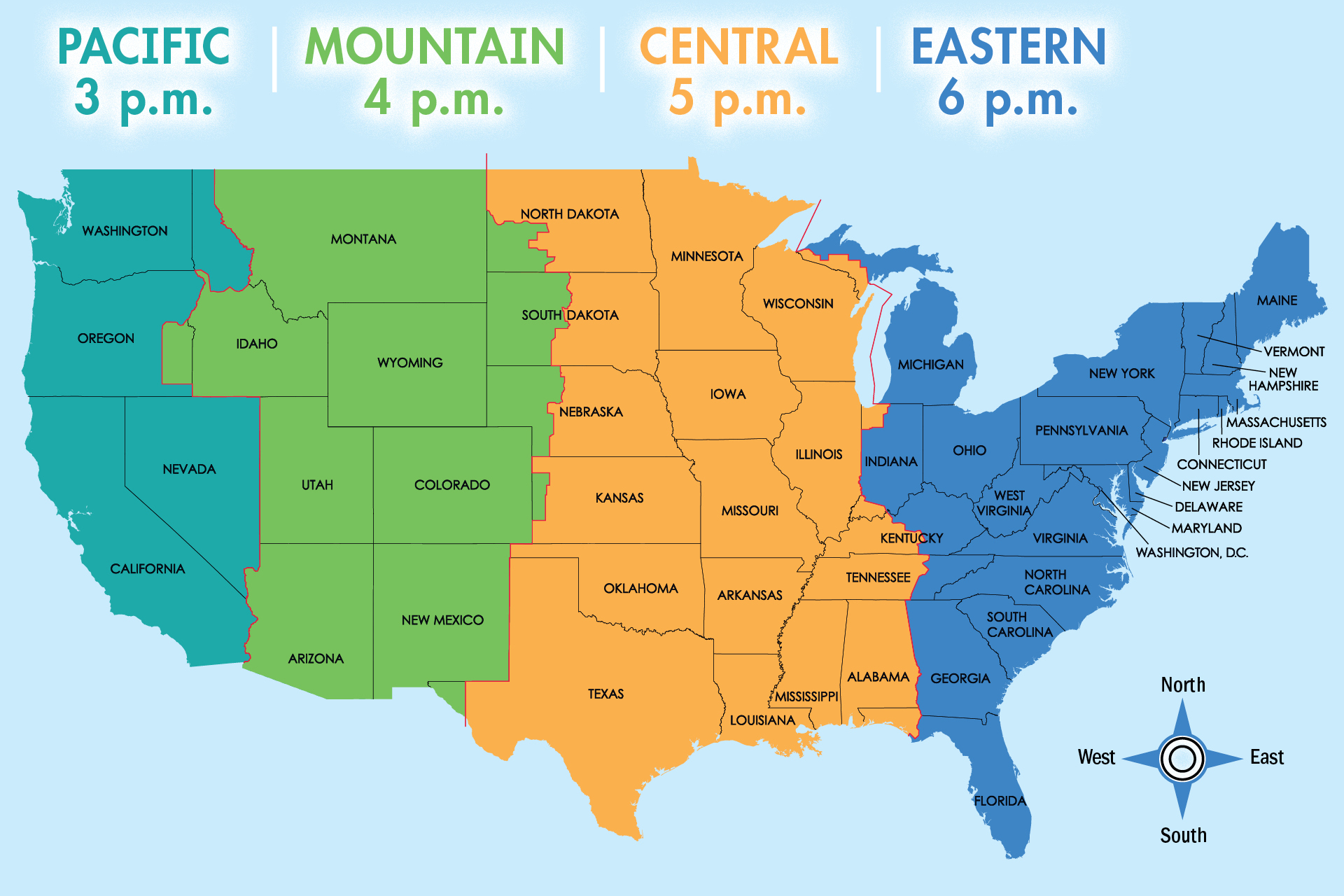
At its core, understanding the time in California revolves around its singular time zone designation, which shifts seasonally. Unlike some larger states or countries that span multiple time zones, the entire state of California operates under one unified clock, simplifying coordination across its diverse regions.
The Basics: PST/PDT Explained
California observes the Pacific Time Zone. During the majority of the year, from early November to mid-March, the state adheres to Pacific Standard Time (PST). This means the time in California is eight hours behind Coordinated Universal Time (UTC), often expressed as UTC-8. For instance, when it’s noon UTC, it’s 4 AM in California under PST.
However, like most of the USA, California observes Daylight Saving Time. From mid-March to early November, the clocks spring forward by one hour, transitioning to Pacific Daylight Time (PDT). During this period, California is seven hours behind Coordinated Universal Time (UTC), or UTC-7. So, when it’s noon UTC during Daylight Saving, it’s 5 AM in California under PDT. This shift is primarily to make better use of daylight, providing longer evenings during warmer months, which has significant implications for tourism and outdoor activities. The specific dates for these transitions are generally the second Sunday in March (spring forward) and the first Sunday in November (fall back), aligning with federal guidelines for Daylight Saving Time across the United States. Understanding this biannual adjustment is crucial for anyone planning a visit or needing to coordinate activities within the state, particularly during the transition weeks.
How to Check the Current Time in California
In our interconnected world, finding the current time in California is remarkably easy and takes mere seconds. The most straightforward method is often a quick online search, typing “current time in California” into any search engine. These results typically display the precise time, including seconds, and indicate whether it’s PST or PDT.
Furthermore, most smartphones and digital devices automatically adjust to the local time zone when you arrive in California, provided location services and automatic time settings are enabled. For those coordinating from afar, many world clock apps and websites allow you to add Los Angeles or San Francisco (or any major California city) to your list of monitored locations, giving you an at-a-glance comparison with your local time. This real-time awareness is invaluable for confirming appointment times, catching live events, or simply ensuring you don’t miss a flight departure or a hotel check-in window. Reliable time-checking mechanisms prevent unnecessary stress and enable precise planning, whether you’re a tourist eager to explore or a business traveler on a tight schedule.
Navigating Time Zones for Travel and Tourism in California
For many, a trip to California represents a dream vacation, a chance to experience its diverse geography, vibrant culture, and world-renowned attractions. However, the enjoyment of these experiences is significantly influenced by how well one manages the time differences, especially for those traveling from distant time zones.
Planning Your Arrival: Flights, Hotels, and Check-ins
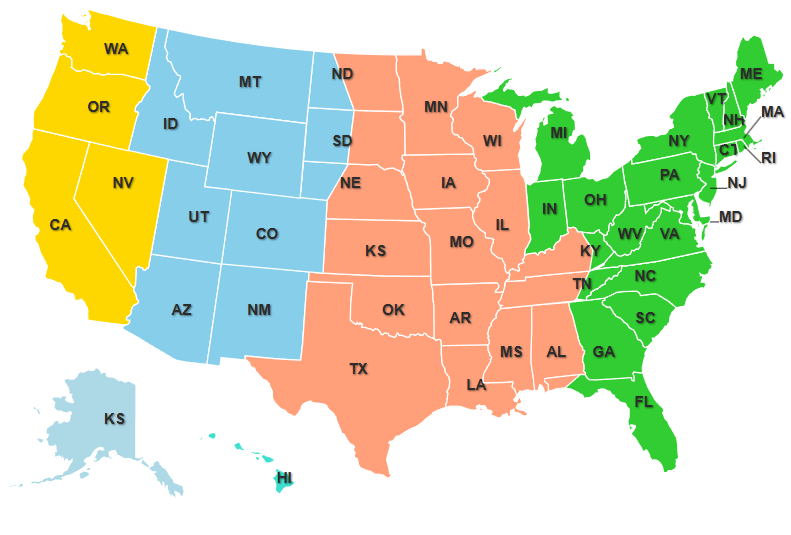
The moment you book your flight to California, the time zone difference becomes a tangible factor. Travelers from the East Coast of the USA face a three-hour time difference, meaning an afternoon flight departing from New York might land in Los Angeles when it feels much later to your internal clock. For those arriving from Europe or Asia, the time leap can be even more substantial—eight to eleven hours from Europe (e.g., London) and twelve to sixteen hours from Asia (e.g., Tokyo). This necessitates careful consideration for your arrival day.
Hotel and Accommodation Bookings: When booking accommodation – whether it’s a luxury suite in Beverly Hills, a family-friendly resort near Disneyland, a trendy apartment in San Francisco, or a secluded villa in Big Sur – understanding local check-in and check-out times is paramount. An early morning arrival after a red-eye flight from the East Coast might mean several hours before your room is ready, requiring you to plan for luggage storage or alternative activities. Similarly, late departures should factor in the check-out policy of your chosen hotel or resort. Always confirm these times in advance, especially if your travel schedule is unusual, to avoid unexpected waits or fees. Many California hotels are accommodating, offering amenities like early check-in or late check-out for a fee or based on availability, but knowing the local time empowers you to make these arrangements effectively.
Maximizing Your California Experience: Attractions and Activities
California is home to an incredible array of world-famous landmarks and attractions, each with its own operating hours. From the gates of the Disneyland Resort in Anaheim to the visitor center at the Golden Gate Bridge in San Francisco, and the panoramic views from Griffith Observatory in Los Angeles, daily schedules are set in Pacific Time.
Planning Your Itinerary: Without a clear understanding of the local time, you risk arriving at attractions before they open or after they close. This is particularly important for timed entry attractions, popular tours, or reservation-only experiences, such as winery tours in Napa Valley or visits to Alcatraz Island. Always double-check operating hours on the attraction’s official website, keeping the current PST or PDT in mind. For example, if you plan to walk the Hollywood Walk of Fame or visit Universal Studios Hollywood, knowing their opening times in local California hours will help you make the most of your day, avoiding crowds and maximizing your experience. The same applies to dining reservations in top restaurants in San Diego or catching a sunset view from Santa Monica Pier – timing is everything. For nature enthusiasts, visiting national parks like Yosemite National Park also requires adherence to local time for trail access, shuttle services, and ranger programs.
Battling Jet Lag: Tips for a Smooth Transition
Traveling across multiple time zones, especially eastward or westward, often leads to jet lag, a temporary sleep disorder that can significantly impact your enjoyment of a trip. While not directly about “what time it is,” managing jet lag is intrinsically linked to adjusting to California’s local time.
Pre-Trip Preparation: Before you even depart, begin adjusting your sleep schedule by an hour or two each day in the direction of California’s time. This gradual shift can ease your body into the new rhythm. During your flight, stay hydrated, avoid excessive alcohol and caffeine, and try to sleep according to your destination’s night schedule.
Upon Arrival: Once you land in California, immediately adopt the local time. Expose yourself to natural light during the day, which helps reset your circadian rhythm. If possible, avoid napping for extended periods, and try to stay awake until the local bedtime. Engaging in light activities, exploring Pier 39 or strolling along Venice Beach in the afternoon, can help you feel more aligned with the local schedule. While jet lag can be challenging, proactive measures can significantly reduce its effects, allowing you to fully embrace the vibrant California lifestyle from day one.
Lifestyle and Business Implications of California Time
Beyond tourism, California’s time zone also plays a pivotal role in the daily lives of its residents and those who conduct business with the state. The California lifestyle often involves a unique rhythm influenced by its time zone, affecting everything from communication with loved ones to global business operations.
Connecting Across Time Zones
For California residents, coordinating with family and friends in other parts of the world often requires a mental calculation of time differences. A morning coffee chat with a relative on the East Coast means calling early from California. Connecting with loved ones in Europe might necessitate morning calls for California residents, as it would be late afternoon or early evening there. Similarly, reaching out to Asia often means late evening calls from California or very early morning ones, due to the significant time lag.
Business Meetings and Remote Work: In the professional sphere, California’s position as a global economic and technological hub means frequent interaction with businesses and clients across the globe. This necessitates strategic scheduling of meetings and virtual collaborations. A 9 AM meeting in Sacramento is noon in New York, 5 PM in London, and often the following morning in Tokyo. Remote workers based in California for companies located elsewhere must be particularly adept at managing their schedules to align with their team’s core working hours. This often leads to earlier starts or later finishes than a typical 9-to-5 day, highlighting the flexibility required in a globally connected workforce.
The California Pace: Daily Life and Events
The time of day in California shapes the flow of daily life and public events, offering a unique rhythm compared to other regions. Mornings often begin with early risers enjoying the outdoors, from surfing along the coast to hiking in the hills surrounding San Diego. Business districts in cities like San Jose and San Francisco come alive, while tourist attractions open their doors.
Evenings, particularly during Pacific Daylight Time with its extended daylight, are vibrant with social activities. From outdoor dining in Santa Barbara to concerts in Los Angeles, and sporting events featuring teams like the Los Angeles Lakers or San Francisco 49ers, understanding the local time ensures you can participate fully. Public transportation schedules, peak traffic hours, and the closing times of shops and services all adhere to California’s clock. This creates a distinct cadence that visitors quickly adapt to and residents are intimately familiar with, contributing to the laid-back yet dynamic California lifestyle. Embracing this local time and its implications allows for a more authentic and stress-free experience, whether you’re managing a busy itinerary or simply savoring a relaxed afternoon.
In conclusion, knowing “What is the time in California?” is far more than just a piece of trivia. It’s a foundational element for anyone interacting with the state, from avid travelers meticulously planning their visits to businesses navigating global operations, and residents connecting with the wider world. By understanding Pacific Standard Time and Pacific Daylight Time, utilizing readily available tools to check the current hour, and planning proactively for time differences, you can unlock a smoother, more enjoyable, and fully synchronized experience within the breathtaking and diverse landscape of California. Whether you’re chasing the sun along the coast, exploring urban landmarks, or simply enjoying the unique California lifestyle, being on time truly means being in sync with the Golden State.
LifeOutOfTheBox is a participant in the Amazon Services LLC Associates Program, an affiliate advertising program designed to provide a means for sites to earn advertising fees by advertising and linking to Amazon.com. Amazon, the Amazon logo, AmazonSupply, and the AmazonSupply logo are trademarks of Amazon.com, Inc. or its affiliates. As an Amazon Associate we earn affiliate commissions from qualifying purchases.