
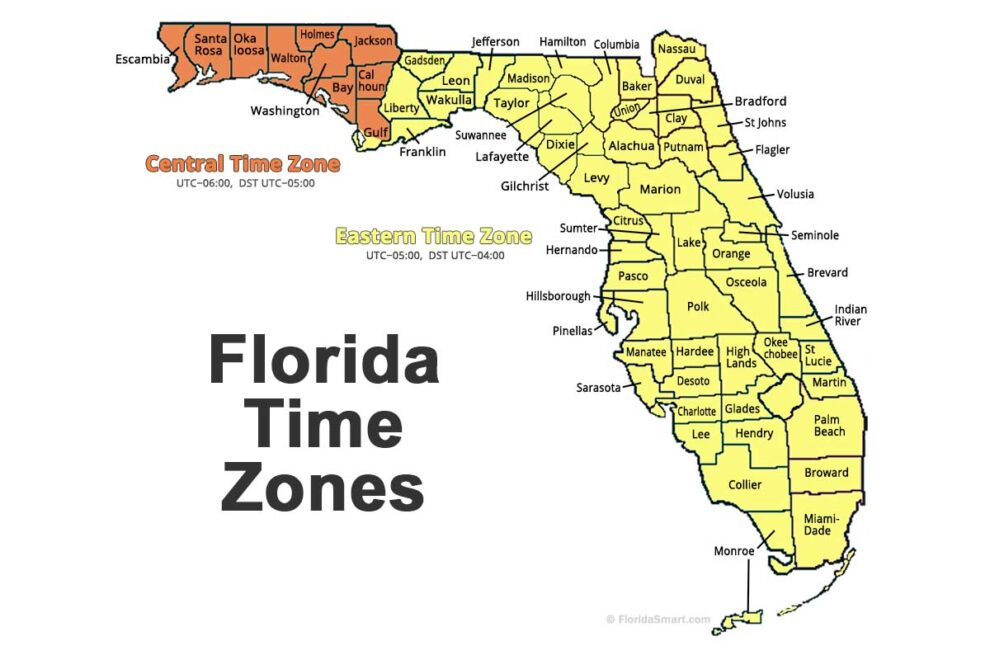
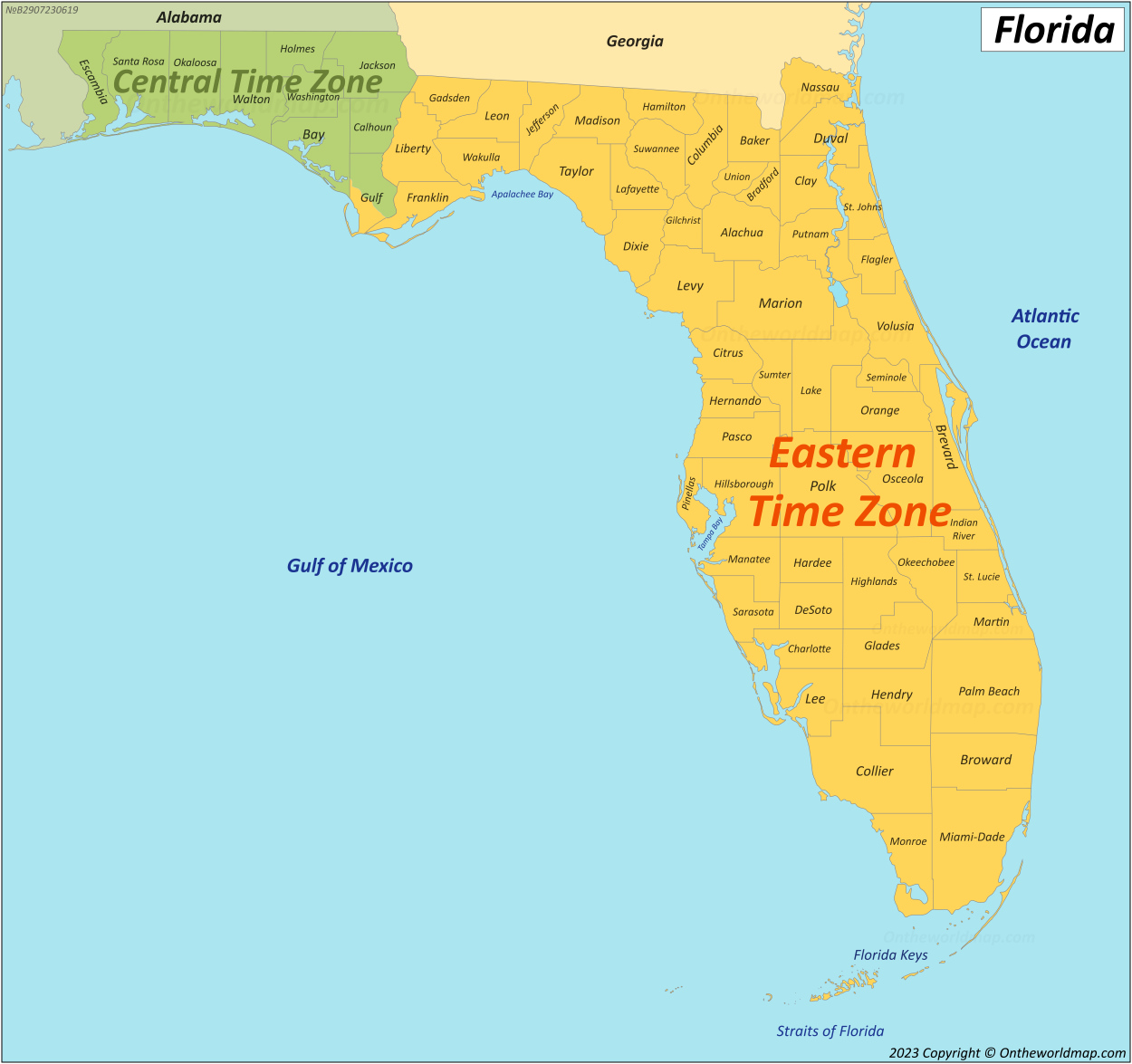
Florida, often affectionately known as the Sunshine State, beckons travelers with its sun-drenched beaches, vibrant cities, world-class theme parks, and rich cultural tapestry. From the magical enchantment of Orlando to the art deco charm of Miami, the historic cobblestones of St. Augustine to the pristine shores of the Florida Panhandle, this United States gem offers an unparalleled diversity of experiences. Whether you’re planning a luxurious resort getaway, an adventurous family trip, or a tranquil long-term stay, understanding the local time is a foundational element of seamless travel planning. While the question “What is the time in Florida now?” might seem straightforward, the answer reveals a fascinating geographical nuance crucial for any visitor or resident. For the most part, Florida adheres to the Eastern Time Zone (ET), which observes Eastern Standard Time (EST) during colder months and Eastern Daylight Time (EDT) when Daylight Saving Time (DST) is in effect. However, a significant portion of its westernmost Panhandle operates on the Central Time Zone (CT), adding an interesting layer of complexity that can easily catch unprepared travelers off guard. This guide delves into the specifics of Florida’s time zones, exploring why this knowledge is paramount for everything from booking accommodation and scheduling flights to maximizing your tourism adventures and embracing the local lifestyle.
Understanding Florida’s Time Zones: A Traveler’s Essential Guide
Navigating the subtle shifts in time zones within Florida is more than a mere geographical fact; it’s a practical necessity for any traveler seeking to optimize their experience. The state’s unique elongated shape stretching into the Gulf of Mexico dictates its dual time zone status, creating a clear distinction between its eastern and western regions. Being aware of these zones and how they interact, especially with Daylight Saving Time, ensures that your hotel check-ins are smooth, your dinner reservations are honored, and you never miss an exhilarating attraction opening.
The East Coast Dominance: Eastern Time Zone (ET)
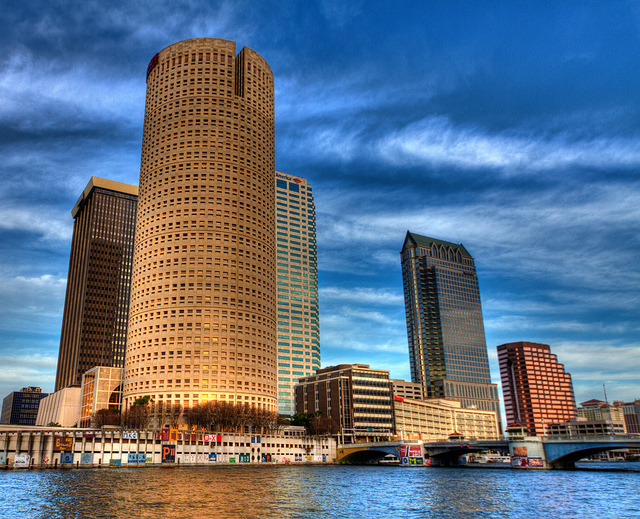
The vast majority of Florida operates under the Eastern Time Zone. This encompasses the state’s most iconic and heavily visited destinations, making ET the default assumption for most visitors. Cities like Miami, with its bustling urban energy and stunning South Beach; Orlando, home to magical kingdoms like Walt Disney World Resort and thrilling adventures at Universal Orlando Resort; the vibrant port city of Tampa on the Gulf Coast; and the historic charm of Jacksonville in the northeast, all fall squarely within ET. This also includes the Florida Keys, Naples, Fort Lauderdale, West Palm Beach, and even the space-exploration hub of Titusville near the Kennedy Space Center. For travelers arriving via major international airports in these areas, their internal clocks will likely align with ET upon landing. This consistency simplifies planning for multi-city itineraries within this broad region, as there are no internal time shifts to consider. However, for those venturing westward into the Panhandle, this dominant time zone gives way to another.
The Panhandle Exception: Central Time Zone (CT)
While the bulk of Florida is in ET, the westernmost counties of the Florida Panhandle observe the Central Time Zone. This region, known for its sugar-white beaches and emerald waters, includes popular destinations such as Pensacola, Panama City, Destin, Fort Walton Beach, and Port St. Joe. When Eastern Standard Time is in effect, these areas operate on Central Standard Time (CST), meaning they are one hour behind ET. During Daylight Saving Time, they switch to Central Daylight Time (CDT), maintaining that one-hour difference. The boundary line can be a bit tricky, typically following the Apalachicola River and then heading north along county lines. For example, Tallahassee, the state capital, is in ET, but just a short drive west takes you into CT. This time shift is crucial for anyone driving from central or south Florida into the Panhandle or vice-versa, as phone schedules, appointment times, and transportation bookings must be adjusted accordingly. For instance, a flight departing Pensacola at 9:00 AM CT would correspond to 10:00 AM ET for someone planning to meet them from Orlando. Miscalculating this can lead to missed connections, late arrivals, or simply unnecessary stress on your vacation.
Daylight Saving Time (DST) in Florida
Like most of the United States, Florida observes Daylight Saving Time. On the second Sunday in March, clocks “spring forward” one hour, shifting from Standard Time (EST/CST) to Daylight Time (EDT/CDT). This change brings longer daylight evenings, perfect for enjoying outdoor activities, attractions, and dining al fresco. On the first Sunday in November, clocks “fall back” one hour, returning to Standard Time. This annual shift affects both the Eastern Time Zone and the Central Time Zone portions of Florida equally, meaning the one-hour difference between the two zones remains constant throughout the year. While the state has, at times, considered proposals to make DST permanent, for now, the biannual clock change remains a reality. Travelers should always confirm whether their dates of travel fall within DST or Standard Time periods, as this can influence arrival and departure times, as well as the opening and closing hours of various venues. Most modern smartphones and digital devices automatically adjust, but it’s always prudent to double-check, especially if you rely on analogue clocks or are crossing the time zone boundary near the changeover dates.
Navigating Florida: Time’s Impact on Your Travel Plans
For a destination as diverse and popular as Florida, time management is more than just a convenience; it’s a strategic component of a successful trip. From the moment you begin envisioning your escape to the Sunshine State, understanding how time zones affect everything from flights and hotel bookings to theme park visits and nature excursions is paramount. Integrating time awareness into your planning ensures a smooth, stress-free experience, allowing you to immerse yourself fully in all that Florida has to offer.
Seamless Travel and Accommodation Bookings
The nuances of Florida’s time zones become particularly critical when dealing with travel logistics and accommodation. Air travel is a prime example; flight schedules are always listed in local time. A flight departing Pensacola International Airport at 8:00 AM CT will arrive in Orlando International Airport at 10:00 AM ET. Misinterpreting this could mean a missed connection or an unexpected two-hour wait for a pick-up. Similarly, for those embarking on road trips across the state, especially if venturing into or out of the Panhandle, adjusting your mental clock is essential to avoid being early or late for specific appointments, such as car rental returns or guided tours.
When it comes to accommodation, standard hotel check-in times (often 3:00 PM or 4:00 PM) and check-out times (usually 11:00 AM or 12:00 PM) are strictly adhered to in the local time zone of the property. This applies whether you’re staying in a luxurious suite at the Ritz-Carlton, Amelia Island, a cozy villa in Kissimmee, or an apartment rental in Fort Myers. Furthermore, many resorts and vacation properties offer a packed schedule of amenities and activities, from poolside yoga to evening entertainment. These schedules are always posted in local time. Missing an important booking deadline for a popular dining experience or arriving late for a pre-booked spa treatment can detract from the relaxing essence of your trip. Always confirm the local time for all reservations and bookings, especially if coordinating with others who may be in a different time zone. Utilizing online booking platforms often displays times in your current local zone or allows you to specify the destination’s time, but a quick verification call or email can provide peace of mind.
Maximizing Your Tourism Experience
Florida’s vibrant tourism scene is heavily time-dependent. Theme parks like Walt Disney World Resort, Universal Orlando Resort, and Busch Gardens Tampa Bay have strict opening and closing hours, as do major attractions such as the Kennedy Space Center Visitor Complex and the St. Augustine Lighthouse & Maritime Museum. Planning your arrival well before opening can help you beat the crowds, but only if you’re punctual to the local time. Similarly, reserving tables at popular restaurants in Miami’s Design District or Sarasota’s St. Armands Circle requires precise timing, as prime slots fill up quickly.
Local events, festivals, and performances, from the Winter Park Sidewalk Art Festival to Key West’s Fantasy Fest, all operate on local schedules. Missing the start of a parade, a live music performance, or a boat tour because of a time zone miscalculation can be disappointing. Even simple activities like catching a sunset cruise from Key West or Clearwater Beach require knowing the precise local sunset time, which varies by season and location. For those exploring the natural wonders, like venturing into Everglades National Park for an airboat tour or kayaking through the Ten Thousand Islands, tour operators adhere strictly to their published departure times. Double-checking these against your personal clock will ensure you don’t miss out on these unforgettable experiences.
Landmarks and Lifestyle: Optimal Timing for Exploration
Florida’s iconic landmarks and its laid-back yet vibrant lifestyle are also influenced by the clock. Visiting historical sites in St. Augustine, such as the Castillo de San Marcos, often benefits from early morning arrivals to avoid the peak crowds and the intense midday heat. The same goes for popular state parks like John Pennekamp Coral Reef State Park or beaches along Scenic Highway 30A in the Panhandle, where getting an early start can secure you the best spot and a more peaceful experience.
For digital nomads or business travelers enjoying a business stay in Florida, understanding the local time is crucial for coordinating with colleagues, clients, or family members in different time zones. A 9:00 AM meeting on the East Coast of the United States would be 6:00 AM on the West Coast and 8:00 AM in Florida’s Central Time Zone areas. This demands careful scheduling to maintain productivity while also enjoying the leisure aspects of a Florida visit.
Furthermore, the general rhythm of daily life in Florida shifts with the time. Early mornings often see people out for walks, jogs, or enjoying quiet moments before the heat of the day sets in. Evenings are for leisurely dinners, strolls along the beach, or enjoying the lively nightlife in cities like Miami Beach and Orlando’s International Drive. For family trips, adjusting children’s sleep schedules to the local time can be paramount for their enjoyment and minimizing meltdowns. Whether you’re indulging in luxury travel or carefully managing a budget travel itinerary, being in sync with Florida’s clock ensures you make the most of every precious moment.
Practical Tips for a Timeless Florida Vacation
Successfully navigating Florida’s time zones and making them work for your travel plans boils down to a few practical strategies. By incorporating these tips into your preparation and on-the-ground execution, you can ensure that your vacation in the Sunshine State is not only memorable but also runs like clockwork, free from the stress of missed appointments or unexpected time shifts.
Essential Planning Considerations
Firstly, always verify the local time for your specific destination(s) within Florida. Do not assume the entire state is on one time zone, especially if your itinerary involves the Panhandle region. When booking flights, hotels, tours, or dining reservations, pay close attention to the time zone specified in the confirmation. Many online booking sites will either automatically convert to your current local time or clearly state the destination’s time zone. If in doubt, a quick search for “current time in Pensacola” or “current time in Orlando” will give you an immediate, accurate answer.
Secondly, utilize reliable time zone apps or websites. Modern smartphones are excellent tools for this, as they typically auto-adjust to the local time zone when you arrive. However, consider downloading a dedicated world clock app that allows you to easily view the time in multiple cities, including your home location and your various Florida destinations. This is particularly useful if you’re frequently communicating with people outside the state or managing remote work responsibilities. Cross-referencing your device’s automatic adjustments with an independent source can provide an extra layer of confidence.
Finally, adjusting your personal schedule upon arrival, especially if coming from a significantly different time zone, is key to minimizing jet lag and maximizing enjoyment. Try to expose yourself to natural light during Florida’s daylight hours and minimize bright lights in the evening. Even if you’re only shifting an hour by entering the Central Time Zone, a gradual adjustment can make a big difference in how you feel throughout your trip. This simple preparation can prevent waking up too early for a planned sunrise activity or missing a crucial evening show.
Embracing the Florida Lifestyle
Beyond the technicalities of time zones, part of a truly timeless Florida vacation is learning to embrace the local pace. While Florida is home to bustling cities and exciting theme parks, much of its charm lies in its relaxed, subtropical lifestyle. Don’t feel the need to rush through every attraction or schedule every minute. Allow for spontaneous moments, linger a little longer on the beach, or enjoy an extended meal.
Consider prioritizing early mornings for cooler weather and fewer crowds, particularly during the warmer months or at popular landmarks like the Universal Studios Florida or the Ringling Museum of Art in Sarasota. This strategic use of time allows you to enjoy the best of the Sunshine State before the midday rush. Then, take advantage of the afternoons for indoor activities, relaxing by the pool at your hotel, or enjoying a siesta.
Finally, savor the spectacular evening activities and sunsets. Florida’s sunsets, particularly over the Gulf of Mexico or the Atlantic Ocean, are legendary. Many coastal towns, like Key West with its Mallory Square celebration, come alive as the day draws to a close, offering unique entertainment and dining experiences. By being mindful of the local time, you can perfectly time your arrival to witness these breathtaking natural displays and immerse yourself in the vibrant nocturnal culture.
In conclusion, while the simple question “What is the time in Florida now?” initially points to the current hour, it quickly expands into a crucial lesson in travel planning. Florida’s two time zones, coupled with the annual shift of Daylight Saving Time, demand attention to detail. However, with a little preparation and awareness, these nuances transform from potential pitfalls into opportunities for smarter, more enjoyable travel. Whether you’re exploring the bustling theme parks of Orlando, the serene beaches of Destin, or the historic streets of St. Augustine, mastering the clock ensures every moment in the Sunshine State is perfectly timed for an unforgettable adventure. By keeping track of the hour, you unlock the full potential of your Florida experience, making it a truly timeless getaway.
LifeOutOfTheBox is a participant in the Amazon Services LLC Associates Program, an affiliate advertising program designed to provide a means for sites to earn advertising fees by advertising and linking to Amazon.com. Amazon, the Amazon logo, AmazonSupply, and the AmazonSupply logo are trademarks of Amazon.com, Inc. or its affiliates. As an Amazon Associate we earn affiliate commissions from qualifying purchases.