
For any traveler embarking on a journey, whether for leisure or business, understanding the local time is an often-overlooked yet critically important detail. When your destination is as vast and dynamic as California, a state renowned for its diverse landscapes, vibrant cities, and groundbreaking industries, knowing the precise time isn’t just a matter of curiosity—it’s a fundamental aspect of successful trip planning and seamless adaptation. From coordinating flight arrivals and hotel check-ins to scheduling meetings or simply making a dinner reservation, accurate time awareness ensures your California adventure unfolds without a hitch. This guide delves into California’s time zone, its implications for travelers, and practical advice to optimize your visit, helping you truly live in the moment in the Golden State.
Understanding California’s Time Zones for Travelers
California operates under a single, unified time zone, simplifying matters for travelers moving within the state. However, understanding how this time zone relates to others, particularly if you’re arriving from a different part of the United States or internationally, is paramount. The concept of Daylight Saving Time also plays a crucial role, shifting the effective time for several months of the year.
Pacific Standard Time (PST) and Daylight Saving
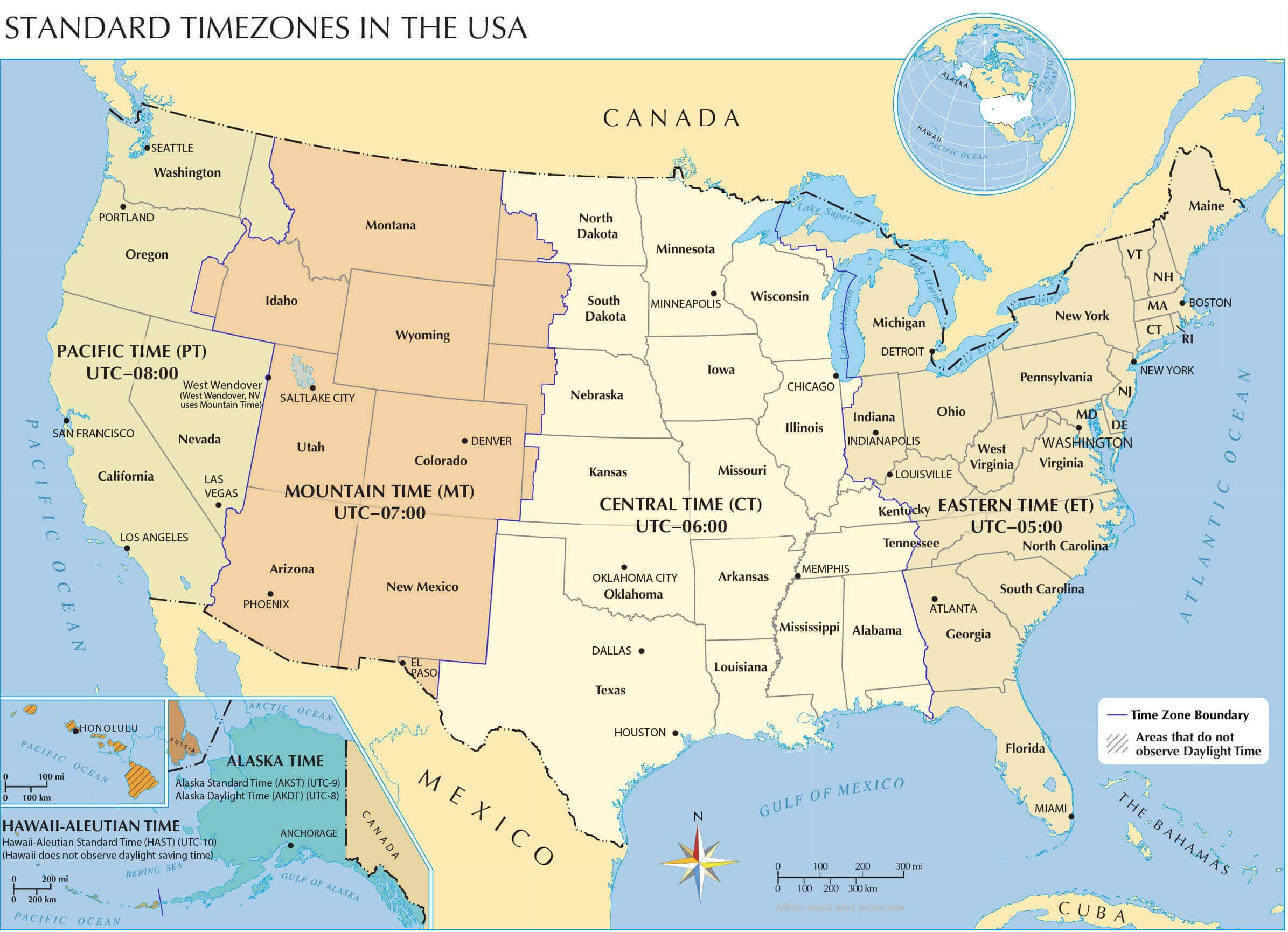
California observes the Pacific Time Zone. During the standard period, typically from early November to mid-March, this is known as Pacific Standard Time (PST), which is UTC-8. This means California is eight hours behind Coordinated Universal Time.
However, like most of the United States, California observes Daylight Saving Time (DST). This annual adjustment sees clocks “spring forward” by one hour, usually on the second Sunday in March, and “fall back” by one hour on the first Sunday in November. During DST, the Pacific Time Zone becomes Pacific Daylight Time (PDT), which is UTC-7. This shift significantly impacts sunrise and sunset times, providing more daylight in the evenings—a welcome bonus for many travelers looking to maximize their outdoor activities. For instance, a traveler arriving in Los Angeles in July will experience PDT, enjoying longer summer evenings perfect for beach visits or exploring nightlife.
The United States’ Diverse Time Zones at a Glance
While California itself has a single time zone, the United States as a whole spans multiple time zones, which is vital for domestic travelers. Moving east from California, you encounter the Mountain Time Zone (MST/MDT), followed by the Central Time Zone (CST/CDT), and finally the Eastern Time Zone (EST/EDT) along the Atlantic seaboard. Each zone is typically one hour ahead of its western neighbor.
- Eastern Time (ET): 3 hours ahead of PT
- Central Time (CT): 2 hours ahead of PT
- Mountain Time (MT): 1 hour ahead of PT
- Pacific Time (PT): The local time in California
For example, if it’s 3:00 PM PDT in San Francisco, it would be 6:00 PM EDT in New York City. This difference can be substantial, influencing everything from booking connecting flights to coordinating virtual meetings with colleagues across the country. Being mindful of these shifts is a hallmark of an organized traveler.
Navigating Time Differences for Seamless Travel
Understanding California’s time zone is the first step; the next is applying this knowledge to ensure a smooth and enjoyable travel experience. Time differences can introduce challenges, but with careful planning, they can be easily overcome.
Conquering Jet Lag: Strategies for West Coast Arrivals
Jet lag is perhaps the most significant physiological impact of crossing multiple time zones. For travelers arriving in California from the east (e.g., Europe or the East Coast of the USA), the body’s internal clock struggles to adjust to earlier daylight and sleep patterns. Strategies to mitigate jet lag include:
- Pre-adjustment: Gradually shift your sleep schedule by an hour or two in the days leading up to your trip.
- Hydration: Drink plenty of water before, during, and after your flight to combat dehydration.
- Sunlight exposure: Upon arrival in California, seek natural light, especially in the morning, to help reset your circadian rhythm.
- Avoid napping: Resist the urge for long naps on your first day; instead, try to stay awake until the local bedtime.
- Light meals: Opt for lighter, easily digestible meals during the first 24-48 hours.
By consciously adapting to the new time, particularly the bright mornings of California, travelers can minimize disorientation and quickly immerse themselves in their surroundings, whether exploring the beaches of San Diego or the vineyards of Napa Valley.
Precision Planning: Flights, Accommodations, and Tours
Every aspect of your travel itinerary is time-dependent. Double-checking arrival and departure times for flights, trains, or buses in Pacific Time is non-negotiable. Many booking platforms automatically display times in the local destination zone, but a quick verification never hurts. This also extends to:
- Hotel Check-in/Check-out: Ensure your arrival aligns with hotel policies. Arriving significantly before check-in time might mean waiting, while late check-outs often incur additional fees.
- Restaurant Reservations: Popular California eateries, especially in culinary hubs like Los Angeles and San Francisco, book up quickly. Confirm your reservation times reflect California local time.
- Guided Tours and Attractions: Many attractions, from Alcatraz Island to Disneyland, operate on strict schedules. Missing your time slot due to a time zone miscalculation can lead to disappointment and lost opportunities. Always factor in travel time to reach your destination.

A well-planned itinerary, with all times confirmed in PDT or PST, is your best ally against travel snags.
Bridging the Gap: Connecting with Home and Business
Maintaining connections while traveling across time zones requires strategic timing. For family and friends back home, or for business obligations, scheduling calls and communications demands awareness of both your current time and theirs. If you’re in California at 9:00 AM PDT, your colleagues on the East Coast are already three hours into their workday at 12:00 PM EDT. Similarly, connecting with family in Europe might mean scheduling calls for their morning while it’s your evening, or vice-versa. Utilizing world clock apps can be invaluable for quickly determining optimal communication windows. This consideration ensures personal connections remain strong and professional commitments are met without causing inconvenience due to time discrepancies.
Beyond the Clock: Maximizing Your California Experience
While knowing the current time is practical, understanding its broader implications for your travel experience can unlock new possibilities and help you fully embrace the California lifestyle.
The Rhythms of California: Seasonal Variations and Daylight
California’s expansive geography means varying daylight hours across its regions, particularly noticeable with the observance of Daylight Saving Time. During summer months under PDT, evenings stretch longer, allowing for extended outdoor activities like hiking in Yosemite National Park, exploring San Francisco’s vibrant neighborhoods, or enjoying a sunset cruise off the coast of San Diego. Conversely, winter months under PST bring earlier sunsets, encouraging a shift towards indoor activities, evening events, or simply cozying up by a fireplace in a mountain resort.
Consider the interplay of season and time when planning. If you dream of early morning photography at the Golden Gate Bridge, knowing the sunrise time for your specific travel dates is crucial. Likewise, if you plan to enjoy the nightlife of Hollywood, understanding how late the sun sets will influence your pre-dinner activities.
Crafting Your Itinerary: From Sunrise to Sunset
Effective time management allows you to craft an itinerary that makes the most of every hour in California.
- Morning Adventures: Leverage the early hours for popular attractions that tend to get crowded later in the day, or for activities that benefit from cooler temperatures, such as a morning hike or a surf lesson.
- Mid-day Explorations: Plan indoor activities like museum visits (e.g., Getty Center in Los Angeles) or shopping excursions during the warmest part of the day.
- Evening Delights: As the day winds down, transition to leisurely dinners, cultural performances, or enjoying California’s renowned sunsets, perhaps from a beach in Malibu or a rooftop bar in Downtown LA.
By mapping out your day with local time in mind, you can create a flow that feels natural and maximizes enjoyment, ensuring you experience the best of what California has to offer at the optimal moments.
Embracing Local Time for Events and Culture
California is a hub for festivals, concerts, sporting events, and cultural happenings. Whether it’s a film premiere in Hollywood, a concert at the Greek Theatre, or a food festival in San Diego, these events operate strictly on local time. Be sure to verify event schedules and arrive punctually to avoid missing out. Embracing the local rhythm means more than just setting your watch; it means tuning into the pace of life in the Golden State, allowing you to participate fully in its vibrant culture.
Essential Tools and Best Practices
In our digitally connected world, managing time zones has become easier than ever, thanks to a plethora of tools and simple best practices.
Top Tools for Time Management on the Go
- World Clock Apps: Smartphone apps like “World Clock” or built-in clock functions allow you to track multiple time zones simultaneously, making it easy to see California’s time relative to your home or other important locations.
- Airline and Travel Planning Tools: Most airline apps provide real-time updates for flights, often displaying times in both departure and arrival zones. Travel planning websites and apps also typically account for time zone differences automatically.
- Calendar Software: Utilizing digital calendars (e.g., Google Calendar, Outlook Calendar) with time zone support ensures that appointments and reservations are always shown in the correct local time, no matter where you currently are.
A Final Check: Always Verify
Before finalizing any booking, making a call, or heading to an appointment, take an extra moment to verify the time. A quick internet search for “What time is it in California right now?” or checking a reliable world clock can prevent misunderstandings and logistical headaches. This simple habit can save you significant stress and ensure your California journey is as smooth and enjoyable as possible.
In conclusion, understanding California’s time zone and its practical implications is a cornerstone of effective travel planning. By being aware of PST/PDT, planning for jet lag, and leveraging technology, you can navigate the Golden State with confidence, ensuring every moment of your trip is well-spent and truly memorable.
LifeOutOfTheBox is a participant in the Amazon Services LLC Associates Program, an affiliate advertising program designed to provide a means for sites to earn advertising fees by advertising and linking to Amazon.com. Amazon, the Amazon logo, AmazonSupply, and the AmazonSupply logo are trademarks of Amazon.com, Inc. or its affiliates. As an Amazon Associate we earn affiliate commissions from qualifying purchases.