
Understanding the precise time in any given location is more than just a matter of curiosity; for travelers, it’s a critical piece of information that dictates everything from flight schedules and hotel check-ins to coordinating with local tours and family back home. When the destination is Yuma, Arizona, the question of “what time is it?” carries a unique nuance, thanks to Arizona‘s distinctive approach to Daylight Saving Time. Far from being a simple clock check, delving into Yuma’s time zone opens a gateway to understanding the state’s geography, its relationship with neighboring regions, and the broader implications for anyone planning a visit to this captivating desert city.
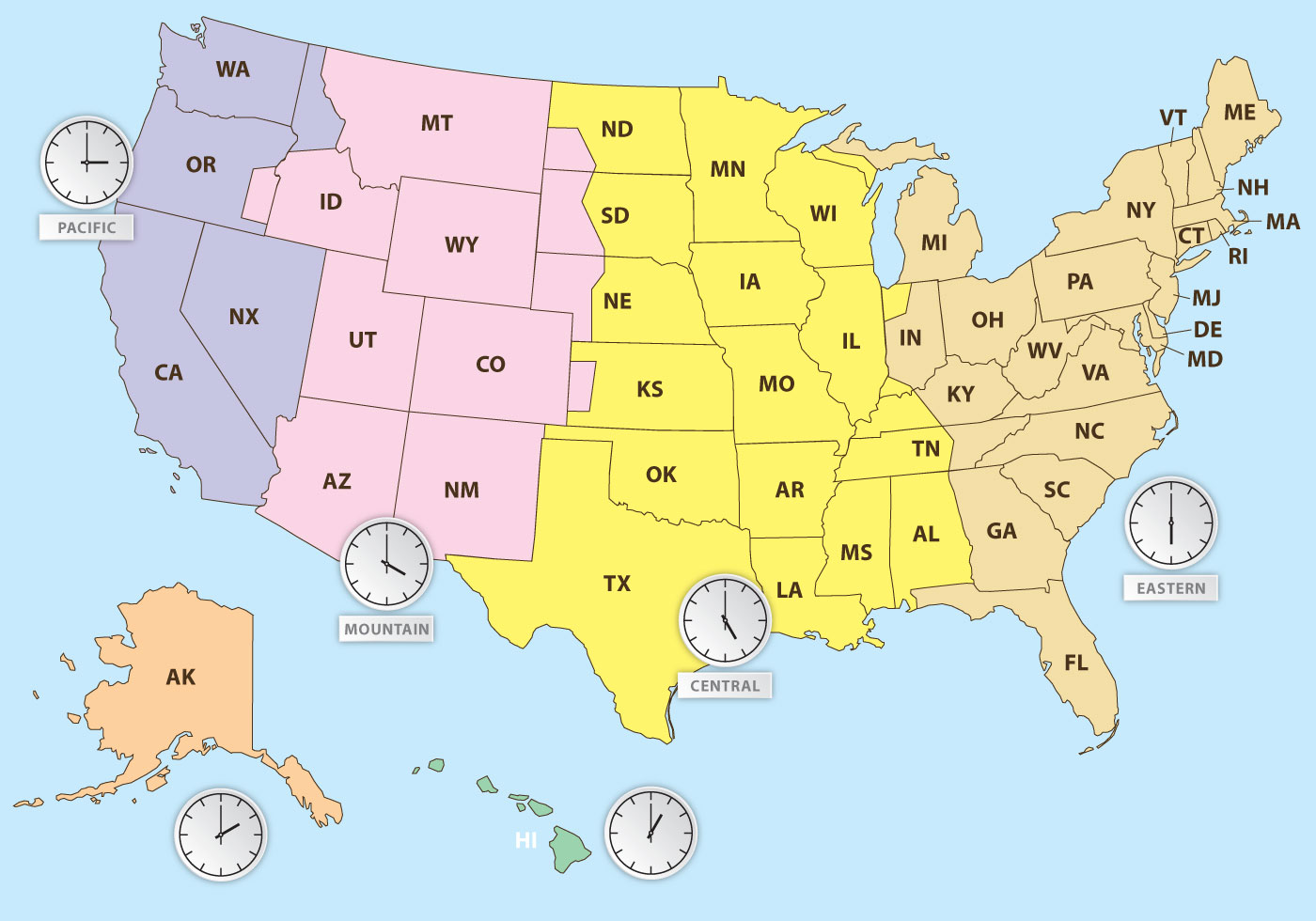
This article aims to provide a definitive answer to the time question while simultaneously transforming it into a comprehensive guide for travelers eager to explore Yuma. From its historical landmarks and unique local culture to diverse accommodation options and a lifestyle that caters to everyone from winter snowbirds to intrepid adventure seekers, Yuma offers a rich tapestry of experiences. We’ll explore why its time zone matters for itinerary planning, what makes Yuma a compelling destination, and how to maximize your trip, all while keeping the clock in mind.
Navigating Time in Yuma: Arizona’s Unique Stance on Daylight Saving Time
For many, the concept of time zones is relatively straightforward: move east, add an hour; move west, subtract one. However, Arizona introduces a fascinating twist to this global standard, particularly regarding Daylight Saving Time. This singular characteristic is crucial for anyone planning to visit or communicate with Yuma, as it impacts how the local time relates to the rest of the United States throughout the year.
Understanding Mountain Standard Time (MST)
Yuma, like most of Arizona, observes Mountain Standard Time (MST) year-round. This means it is permanently set to UTC-7. The key differentiator is that Arizona does not observe Daylight Saving Time, a practice that sees clocks “spring forward” in March and “fall back” in November in many other states. This decision, dating back to the 1960s, was primarily driven by the intense summer heat. Lengthening daylight hours during the hottest part of the day would mean more air conditioning use and discomfort, making a fixed time zone a practical solution for energy conservation and everyday comfort.
The practical implication of this non-observance is that Yuma’s time relative to other zones shifts throughout the year. From roughly March to November, when most of the US is on Daylight Saving Time (e.g., Pacific Daylight Time or Mountain Daylight Time), Yuma is on the same time as California and Nevada (PDT). This can be confusing, as geographically Arizona is within the Mountain Time Zone. However, from November to March, when those states revert to Pacific Standard Time (PST) and Mountain Standard Time (MST), Yuma aligns with Mountain Standard Time, making it one hour ahead of California and Nevada.
Why the Time Zone Matters for Travelers
For travelers, this unique time zone behavior is far more than an interesting fact; it has tangible implications for planning and logistics. Imagine flying into Yuma from a state that observes Daylight Saving Time. Depending on the season, your arrival time might feel an hour off from what you’re accustomed to. This is especially pertinent for:
- Coordinating Flights and Ground Transportation: Missing a connection or a pre-booked shuttle because of a time zone miscalculation can derail the start of any trip. Always double-check flight times in local Yuma time.
- Hotel Check-ins and Tour Schedules: Most hotels and tour operators will adhere strictly to local time. Arriving early or late can impact your ability to check in or participate in planned activities.
- Business and Family Communications: If you’re traveling for business or simply trying to connect with loved ones, knowing the exact time difference is crucial to avoid inconvenient calls or missed virtual meetings.
- Day Trips and Border Crossings: Yuma’s proximity to California and Mexico means day trips across state or international borders are common. Understanding how the time shifts when you cross into California or Mexico (which may or may not observe DST in its border regions) is vital for seamless travel.
By understanding that Yuma remains on Mountain Standard Time year-round, travelers can confidently plan their itineraries, ensuring a smooth and stress-free experience from arrival to departure.
Yuma Beyond the Clock: A Traveler’s Guide to this Desert Oasis
While understanding Yuma’s time zone is essential for practical planning, the city offers far more than just a unique temporal quirk. Yuma is a vibrant desert oasis brimming with history, natural beauty, and a distinct cultural flavor that beckons travelers of all interests. From its strategic location on the Colorado River to its rich Southwestern heritage, Yuma provides a compelling backdrop for adventure, relaxation, and discovery.
Top Attractions and Historic Landmarks
Yuma’s history is deeply intertwined with the development of the American West, serving as a crucial crossing point on the Colorado River for pioneers, soldiers, and travelers. This rich past is preserved in several must-visit landmarks:
- Yuma Territorial Prison State Historic Park: Perhaps Yuma’s most iconic attraction, this historic park offers a chilling glimpse into the lives of lawbreakers in the late 19th and early 20th centuries. Visitors can walk through the original cells, guard tower, and main gate, immersing themselves in the stories of inmates and the harsh realities of frontier justice.
- Yuma Quartermaster Depot State Historic Park: Located near the strategic Yuma Crossing on the Colorado River, this park was a vital supply base for military outposts throughout the Southwest during the 1870s and 1880s. Today, it showcases restored buildings and exhibits that tell the story of transportation, trade, and military life.
- Imperial Sand Dunes Recreation Area: Just west of Yuma in California, these majestic dunes are a playground for off-road enthusiasts and a stunning natural wonder. Their vast, shifting landscapes have even served as filming locations for major Hollywood productions.
- Castle Dome Mines Museum & Ghost Town: Step back in time to an authentic 1878 mining town, complete with original buildings and artifacts. It’s an immersive experience for those fascinated by the mining boom of the Old West.
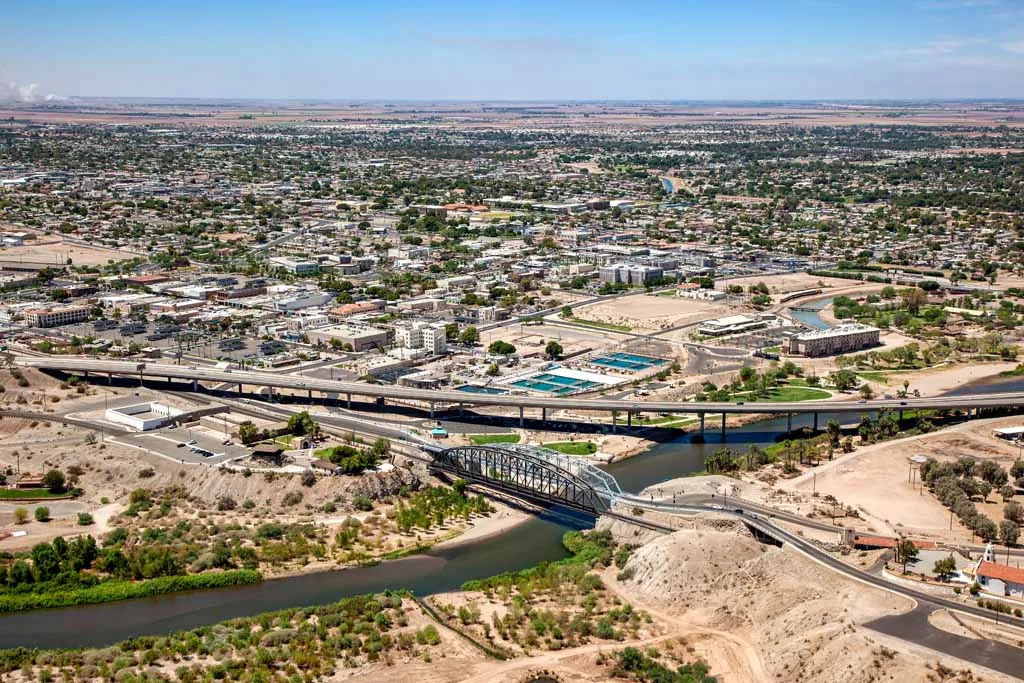
- Colorado River Activities: The lifeblood of Yuma, the Colorado River offers opportunities for boating, fishing, kayaking, and scenic strolls along its banks. The riverfront development provides parks, walking paths, and beautiful views, especially at sunset.
Culinary Delights and Local Culture
Yuma’s culinary scene is a delicious blend of its Southwestern roots and strong Mexican influences, creating a vibrant food landscape that ranges from authentic street tacos to upscale dining. As the “Date Capital of the US,” Yuma incorporates dates into everything from milkshakes and pastries to savory dishes. Local farmer’s markets, particularly during the winter months, showcase a bounty of fresh produce, citrus fruits, and artisanal goods.

The city’s culture is also deeply influenced by its position as a border town and a haven for winter visitors. This creates a lively atmosphere with diverse events, from the popular Yuma Date Festival to various music and art shows. Engaging with local eateries and attending community events offers an authentic taste of Yuma’s welcoming and relaxed lifestyle.
Planning Your Yuma Stay: Accommodation and Lifestyle
A memorable trip to Yuma goes beyond ticking off attractions; it’s about finding the right place to rest and experiencing the unique local lifestyle. Yuma’s status as a popular winter destination means a wide range of accommodation options and a vibrant community of “snowbirds” who flock to its warm climate, creating a distinctive lifestyle that blends relaxation with outdoor adventure.
Choosing Your Yuma Accommodation
Whether you’re visiting for a weekend or planning an extended winter retreat, Yuma offers diverse lodging choices to suit every preference and budget:
- Hotels and Resorts: For traditional comfort and amenities, Yuma features reputable hotel chains. Options like the Hilton Garden Inn Yuma Pivot Point offer modern facilities, often with pools and fitness centers, ideal for business travelers or families. The Radisson Hotel Yuma and Holiday Inn Express & Suites Yuma provide reliable stays with convenient access to major attractions. Many hotels also cater to the winter crowds, offering extended stay options.
- RV Parks and Resorts: Yuma is renowned as an RV mecca, especially during the cooler months. Thousands of “snowbirds” — seasonal residents primarily from colder climates — choose Yuma for its warm weather and extensive RV park infrastructure. Resorts like Blue Sky RV Resort and Cactus Gardens RV Resort offer a community-focused experience with amenities such as clubhouses, pools, planned activities, and often pet-friendly facilities. For those seeking a long-term stay, these resorts provide a home-away-from-home atmosphere.
- Vacation Rentals: For a more personalized experience, vacation rentals, including apartments, villas, and homes, are available. These can be perfect for families or groups seeking extra space, a kitchen, and a residential feel. Booking platforms offer numerous options, but it’s advisable to book well in advance, especially for peak winter season.
When booking, consider the time of year. The winter months (November to April) are Yuma’s peak season, leading to higher prices and fuller accommodations. Booking in advance and reading reviews are key to securing the best stay.
Yuma Lifestyles: From Snowbirds to Adventure Seekers
Yuma’s unique charm lies in its ability to cater to a diverse range of lifestyles:
- The Snowbird Experience: For many, Yuma is synonymous with the snowbird lifestyle. These seasonal residents enjoy the mild winters, abundant sunshine, and a strong sense of community found in the numerous RV parks and active adult communities. Their presence enriches Yuma’s social calendar with events, clubs, and volunteer opportunities.
- Outdoor Enthusiasts: Beyond the RV parks, Yuma is a gateway to outdoor adventure. Hiking and biking trails crisscross the desert landscape, offering breathtaking views. The nearby Imperial Sand Dunes are a mecca for ATV and off-road vehicle enthusiasts, while the Colorado River provides opportunities for kayaking, fishing, and boating.
- History Buffs: As explored earlier, Yuma’s rich history is a major draw. Visitors can spend days exploring the Territorial Prison, the Quartermaster Depot, and other historical sites, delving into the city’s frontier past.
- Family Travel: With parks along the river, outdoor activities, and historical sites that engage curious minds, Yuma offers a variety of family-friendly experiences.
- Budget vs. Luxury Travel: While generally considered a more budget-friendly destination compared to some of Arizona’s resort cities, Yuma still offers options across the spectrum. Travelers can find affordable RV parks and motels, or opt for more comfortable hotels with a broader range of amenities.
Regardless of your travel style, Yuma’s warm hospitality and diverse offerings promise a fulfilling stay, made all the more enjoyable by a clear understanding of its unique place on the clock.
Making the Most of Your Yuma Adventure
To truly immerse yourself in the charm and history of Yuma, a little preparation goes a long way. Beyond understanding the unique time zone, practical tips and knowledge of nearby attractions can transform a good trip into an unforgettable adventure.
Practical Tips for Travelers
- Best Time to Visit: The ideal time to visit Yuma is during the cooler months, from October to April. Temperatures are pleasant, typically ranging from the 60s to 80s Fahrenheit, perfect for outdoor activities. Summer, while offering lower accommodation rates, brings intense desert heat often exceeding 100 degrees Fahrenheit, making outdoor exploration challenging.
- Transportation: While Yuma has a local bus system, having a car is highly recommended for exploring the city’s attractions, venturing to the Imperial Sand Dunes, or taking day trips. Rental car services are available at Yuma International Airport.
- What to Pack: Even in winter, the desert sun can be strong. Pack layers, sun protection (hat, sunglasses, sunscreen), and comfortable walking shoes. For summer visits, lightweight, breathable clothing is essential, along with ample hydration.
- Border Considerations: Yuma’s proximity to Mexico makes day trips to Los Algodones (often referred to as Algodones by locals) a popular activity, especially for dental tourism. Remember to bring your passport or other valid identification for re-entry into the US, and be mindful of border crossing times and potential waitlists.
Day Trips from Yuma
Yuma’s strategic location makes it an excellent base for exploring a wider region. With the time zone considerations in mind, several exciting day trips are within reach:
- San Diego, California: Approximately a 2.5 to 3-hour drive west (remembering the time change if it’s summer!), San Diego offers beautiful beaches, the iconic Balboa Park, San Diego Zoo, and a vibrant culinary scene.
- Phoenix, Arizona: Head east for about 2.5 to 3 hours to reach Arizona’s capital city. Phoenix boasts world-class resorts, desert botanical gardens, and excellent hiking opportunities in the Sonoran Desert.
- Tucson, Arizona: A little further than Phoenix (around 3.5 hours), Tucson offers a distinct Southwestern charm with attractions like Saguaro National Park, the Arizona-Sonora Desert Museum, and a rich artistic community.
- Los Algodones, Mexico: Just a short drive across the border, this small Mexican town is famous for its affordable dental and medical services, as well as opportunities for shopping for souvenirs and enjoying authentic Mexican cuisine.
By planning these excursions with a clear understanding of distances and potential time shifts, travelers can broaden their Yuma experience to include a diverse array of desert and urban adventures.
In conclusion, understanding “What is the time in Yuma, Arizona?” is the first step in unlocking a richer travel experience to this Arizona gem. With its consistent observance of Mountain Standard Time year-round, Yuma offers a unique temporal landscape that, once understood, simplifies logistics for any visitor. Beyond the clock, Yuma stands as a testament to Southwestern history, natural beauty, and a welcoming community. From exploring its storied past at the Territorial Prison to embracing the vibrant lifestyle of its snowbird residents, and from enjoying riverside activities on the Colorado River to savoring delicious local cuisine, Yuma promises an enriching and memorable journey. Whether you’re a history enthusiast, an outdoor adventurer, or simply seeking a warm retreat, Yuma offers a captivating escape where the time is always just right for discovery.
LifeOutOfTheBox is a participant in the Amazon Services LLC Associates Program, an affiliate advertising program designed to provide a means for sites to earn advertising fees by advertising and linking to Amazon.com. Amazon, the Amazon logo, AmazonSupply, and the AmazonSupply logo are trademarks of Amazon.com, Inc. or its affiliates. As an Amazon Associate we earn affiliate commissions from qualifying purchases.