
For anyone planning a trip, making a business call, or simply curious about the vibrant capital of the Lone Star State, understanding the local time in Austin, Texas is a crucial first step. Austin operates within the Central Time Zone, which means it follows Central Standard Time (CST) for part of the year and Central Daylight Time (CDT) during the Daylight Saving Time period.
Typically, CST is observed from early November to mid-March, which is UTC-6 hours. When Daylight Saving Time begins, clocks spring forward one hour, and Austin switches to CDT, making it UTC-5 hours. This shift primarily occurs in March and lasts until November. For a traveler, this distinction is vital, as it can impact flight schedules, hotel check-ins, tour bookings, and even coordinating with friends or colleagues in other time zones. Whether you’re arranging a culinary tour of Austin’s famous food trucks, planning to catch a live music show on Sixth Street, or scheduling a business meeting, being precise about the time zone ensures a smooth and enjoyable experience.
Navigating Time Zones for Your Austin Adventure
Understanding time zones is more than just knowing what to set your watch to; it’s about optimizing your travel experience and minimizing potential disruptions. The Central Time Zone encompasses a significant portion of the United States, including major cities like Chicago, Dallas, and New Orleans, as well as parts of Canada, Mexico, and Central America. This broad coverage can make travel within or to Austin relatively straightforward if you’re coming from a neighboring CST/CDT location, but it requires careful consideration for those traveling across multiple time zones.
Adjusting to Austin’s Pace: Beating Jet Lag
For international travelers or those arriving from the East or West Coasts of the United States, jet lag can be a real concern. Austin’s vibrant energy, especially its renowned nightlife and outdoor activities, demands that visitors be at their best. To ease into the local time, try gradually adjusting your sleep schedule a few days before your trip. Once you arrive, expose yourself to natural light during the day, stay hydrated, and try to adopt the local eating and sleeping patterns as quickly as possible. Avoiding heavy meals and excessive caffeine or alcohol on travel days can also help. Most importantly, give yourself permission to relax and take it easy for the first day or two. Austin’s relaxed vibe is infectious, and you’ll find yourself syncing with its rhythm soon enough.
Precision in Planning: Bookings and Reservations
Every detail of your trip, from your arrival time at Austin-Bergstrom International Airport to your reservation at a coveted restaurant like Franklin Barbecue, is time-sensitive. Always confirm the local time for any booking, whether it’s a guided tour of the Texas State Capitol, a sunset bat-watching cruise under the Congress Avenue Bridge, or a spa treatment at a luxury resort. Many online booking systems automatically adjust to your local time, but a quick double-check can prevent missed appointments or unexpected delays. Being mindful of the Daylight Saving Time shifts, particularly around March and November, is paramount for seamless itinerary management.
Austin’s Allure: A Hub of Culture, Music, and Innovation
Beyond its time zone, Austin beckons with a unique blend of vibrant culture, an unparalleled music scene, and a burgeoning tech industry. This city proudly champions its “Keep Austin Weird” motto, inviting visitors to explore its eclectic neighborhoods, savor diverse culinary delights, and immerse themselves in a community that values creativity and individuality. Knowing the time in Austin allows you to meticulously plan your days and nights to fully experience everything this dynamic city has to offer.
The Live Music Capital of the World
Austin’s reputation as the “Live Music Capital of the World” is well-earned, with hundreds of venues hosting everything from blues and rock to country and indie music every night. The city truly comes alive after dark, and your evening plans will largely depend on when the curtain rises.
-
Iconic Music Districts:
- Sixth Street: The historic heart of Austin’s music scene, often bustling with revelers and live bands playing late into the night. It’s an experience best enjoyed in the evening hours, perhaps starting around 8 PM.
- Rainey Street: A more upscale, laid-back alternative to Sixth Street, featuring historic houses converted into bars with live music, often starting a bit earlier in the evening.
- South Congress Avenue (SoCo): Beyond its unique boutiques and eateries, SoCo offers venues like the Continental Club, a legendary spot for blues and rockabilly, with shows typically kicking off around 9 PM.
-
World-Renowned Festivals: Timing your visit to coincide with Austin’s major festivals requires careful planning. The Austin City Limits Music Festival (ACL) in October and South by Southwest (SXSW) in March are global events that transform the city, drawing massive crowds and requiring early bookings for flights and accommodation. These festivals run throughout the day and night, demanding stamina and a well-thought-out schedule.
Culinary Delights and Foodie Experiences
Austin’s food scene is as diverse as its music, offering everything from authentic Texas BBQ to innovative farm-to-table cuisine. Many of the city’s culinary gems require timing your visit perfectly.
- The BBQ Pilgrimage: Places like Franklin Barbecue are famous for their long lines, with dedicated patrons arriving hours before opening (often as early as 6 AM) to secure a taste of their legendary brisket. Other top spots like La Barbecue and Micklethwait Craft Meats also attract morning crowds.
- Food Truck Culture: Austin is a paradise for food truck aficionados, with clusters found throughout the city, particularly in South Austin and near the university campus. Operating hours vary, with some serving breakfast tacos early, others lunch, and many extending into the late evening for post-music munchies.
- Fine Dining: For a more formal experience, Austin boasts an array of upscale restaurants that often require reservations well in advance, especially for prime dining times between 7 PM and 9 PM.
Natural Beauty and Outdoor Escapes
Despite its urban core, Austin is blessed with abundant natural beauty, offering numerous opportunities for outdoor recreation. The best time to enjoy these activities often depends on the season and the time of day to avoid the heat or crowds.

- Zilker Park and Barton Springs Pool: Known as “Austin’s most loved park,” Zilker Park is home to the iconic Barton Springs Pool, a natural spring-fed swimming hole. In summer, arriving early in the morning is advisable to beat the heat and the crowds. The park itself is perfect for morning jogs, picnics, or simply relaxing throughout the day.
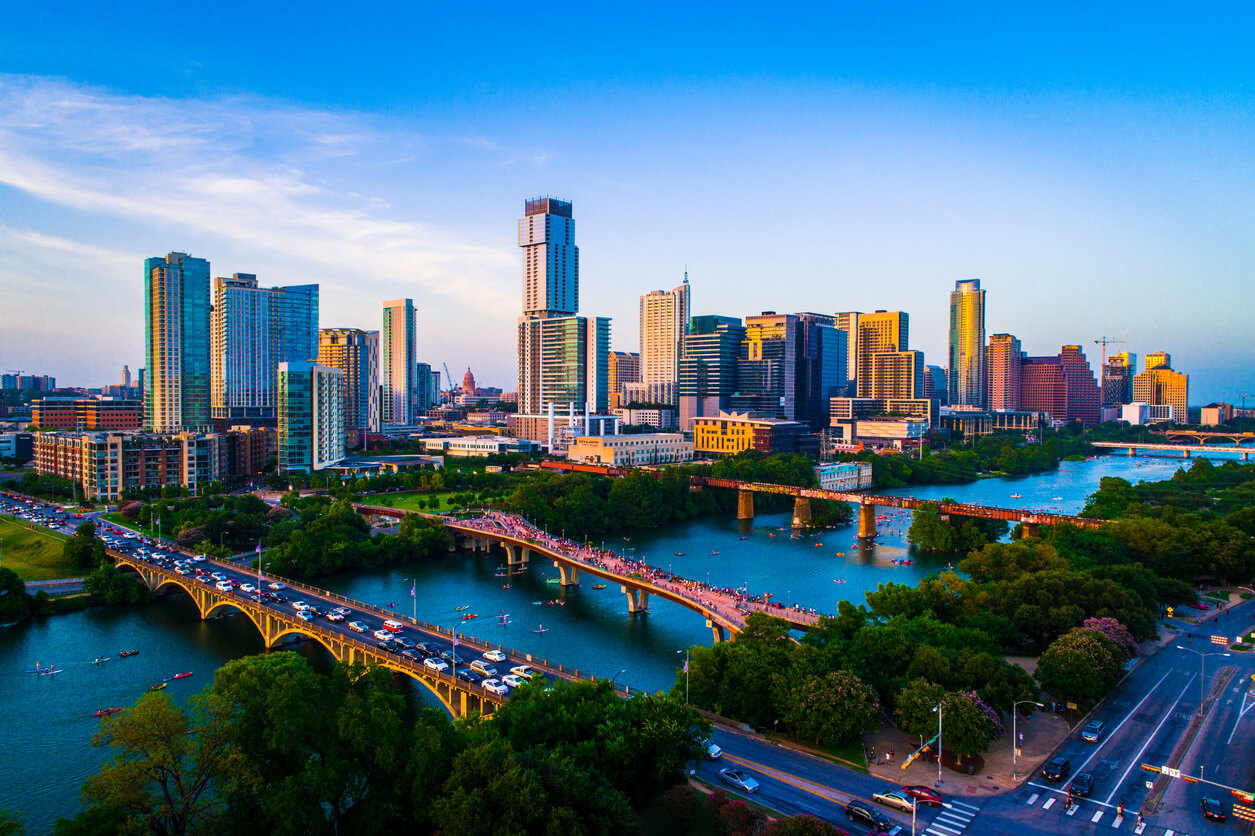
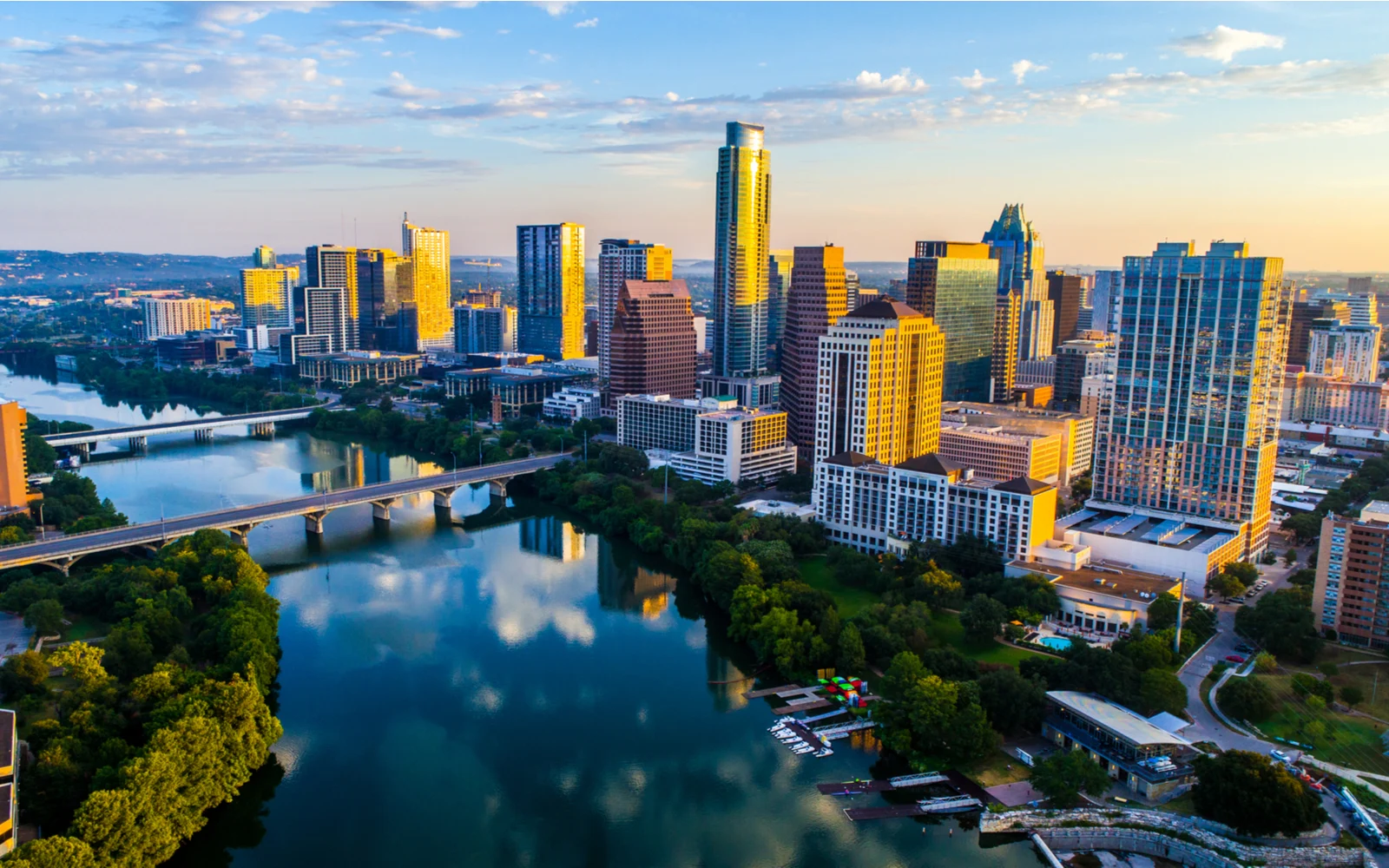
- Lady Bird Lake: The heart of Austin’s outdoor recreation, Lady Bird Lake offers kayaking, paddleboarding, and a scenic 10-mile trail for walking, running, and cycling. Early mornings or late afternoons are ideal for enjoying the lake’s tranquility and cooler temperatures.
- Hiking and Views: For panoramic views, head to Mount Bonnell, one of Austin’s highest points. It’s a popular spot for sunrise or sunset, offering breathtaking vistas of the city skyline and the Colorado River.
Planning Your Stay: Accommodation and Landmarks in Austin
Once you’ve aligned your internal clock with Austin’s time, the next step in planning your perfect trip involves selecting the right accommodation and identifying the key landmarks you wish to explore. Austin’s diverse offerings cater to every type of traveler, from luxurious resorts to charming boutique hotels and budget-friendly options.
Where to Stay: Hotels, Resorts, and Unique Accommodations
Austin’s hospitality scene is as varied as its culture, ensuring you’ll find a place that suits your style and budget. Timing your booking is often key, especially during peak festival seasons or university events.
- Luxury & Upscale: For those seeking premium comfort and amenities, Austin offers several high-end options. The Four Seasons Hotel Austin, nestled on the shores of Lady Bird Lake, provides stunning views and impeccable service. The Hotel ZaZa Austin offers a chic, sophisticated experience in the heart of downtown. The JW Marriott Austin is a popular choice for business travelers and convention attendees due to its central location and extensive facilities.
- Boutique & Trendy: To experience Austin’s unique flair, consider its many boutique hotels. Hotel San José on South Congress Avenue offers a minimalist, urban oasis, while the South Congress Hotel provides a stylish stay with excellent dining options. These often require booking several months in advance.
- Budget-Friendly & Extended Stays: Numerous chain hotels and extended-stay properties are available throughout the city, particularly near the university district or closer to the airport. For longer visits, consider apartments or vacation rentals listed on platforms like Airbnb or VRBO, which offer a more local experience and often come with kitchen facilities.
Iconic Landmarks and Attractions
Austin’s landmarks tell the story of its history, culture, and natural beauty. Many of these can be explored at various times of the day, offering different perspectives.
- Texas State Capitol: An impressive architectural marvel, taller than the United States Capitol in Washington, D.C., the Texas State Capitol offers free tours daily. Mornings are generally less crowded, allowing for a more relaxed visit.
- Congress Avenue Bridge Bat Colony: Home to the largest urban bat colony in North America, watching millions of bats emerge from under the bridge at dusk is a quintessential Austin experience. The exact time varies with sunset, typically between 7:30 PM and 9 PM from March to October.
- The Bullock Texas State History Museum: Located near the Capitol, this museum offers a comprehensive look at Texas’s rich history. It’s a great daytime activity, especially on a hot summer afternoon.
- Blanton Museum of Art: Situated on the University of Texas at Austin campus, the Blanton Museum of Art boasts an impressive collection of American and Latin American art. Allow a few hours for a thorough visit.
The Austin Lifestyle: Embracing “Keep Austin Weird”
The “Keep Austin Weird” ethos isn’t just a slogan; it’s a lifestyle that permeates every aspect of the city. From its quirky shops and vibrant street art to its inclusive community and commitment to local businesses, Austin offers a unique blend of experiences. Integrating into this lifestyle means understanding the rhythms of the city and making the most of every moment.
Day-to-Night Itineraries: A Taste of Austin
A perfectly planned day in Austin often flows seamlessly from morning adventures to vibrant nights, showcasing the city’s diverse appeal.
- Morning (7 AM – 12 PM): Start your day with a local coffee from a beloved spot like Jo’s Coffee on South Congress, followed by a walk or bike ride along the Ann and Roy Butler Hike-and-Bike Trail around Lady Bird Lake. Alternatively, cool off with a dip in Barton Springs Pool before the midday crowds arrive.
- Afternoon (12 PM – 6 PM): Explore the unique boutiques and street art of South Congress Avenue (SoCo) while grabbing lunch from a food truck or a casual eatery. Spend an hour or two at the Bullock Museum or wander through the grounds of the State Capitol.
- Evening (6 PM onwards): Enjoy a memorable dinner, perhaps a true Texas BBQ experience or a modern Tex-Mex feast. Cap off the night with live music on Rainey Street or Sixth Street, or catch a performance at the historic Moody Theater, home to Austin City Limits Live. Don’t forget the bat show if you’re visiting during the right season!
Festivals and Events: Timing Your Visit
Austin’s calendar is packed with events beyond its renowned music festivals. Depending on your interests, timing your visit strategically can unlock unique experiences.
- Spring (March-May): Pleasant weather makes spring ideal for outdoor activities. Besides SXSW, you might find the MotoGP at the Circuit of the Americas or numerous smaller art and food festivals.
- Summer (June-August): Be prepared for heat. While indoor attractions like museums or the Capitol are popular, cooling off in Barton Springs or enjoying water sports on Lake Travis are must-dos. Evenings are perfect for outdoor concerts or patio dining.
- Fall (September-November): Often considered the best time to visit, with cooler temperatures and major events like ACL and the Formula 1 Grand Prix at Circuit of the Americas. The changing colors of the Texas Hill Country also add to the appeal.
- Winter (December-February): Mild winters make Austin an attractive destination for escaping colder climates. Enjoy holiday light displays, New Year’s Eve celebrations, and a generally less crowded city for exploring.
Beyond the City Limits: Day Trips
For those with extra time, Austin’s central location in Texas makes it an excellent base for exploring the surrounding region.
- Texas Hill Country: Just a short drive west, the Hill Country offers picturesque landscapes, numerous wineries (like those in Fredericksburg or Dripping Springs), charming small towns, and natural swimming holes like Hamilton Pool Preserve. A day trip often involves starting early to enjoy multiple stops.
- San Antonio: About an hour and a half south, San Antonio is rich in history, home to The Alamo and the famous River Walk. An early start allows ample time to explore both iconic sites before heading back to Austin.
In conclusion, while knowing the current time in Austin, Texas (whether CST or CDT) might seem like a simple detail, it’s the foundation for a well-orchestrated and enjoyable visit. From navigating its legendary music venues to savoring its culinary delights, exploring its natural wonders, and immersing yourself in its unique lifestyle, precise timing ensures you make the most of every moment in this extraordinary city. So, set your watch, plan your itinerary, and get ready to experience the magic of Austin.
LifeOutOfTheBox is a participant in the Amazon Services LLC Associates Program, an affiliate advertising program designed to provide a means for sites to earn advertising fees by advertising and linking to Amazon.com. Amazon, the Amazon logo, AmazonSupply, and the AmazonSupply logo are trademarks of Amazon.com, Inc. or its affiliates. As an Amazon Associate we earn affiliate commissions from qualifying purchases.