
For anyone planning a trip, conducting business, or simply curious about the rhythm of life on the West Coast, knowing the current time in California, USA, is more than just a trivial detail—it’s a fundamental piece of information that underpins everything from flight schedules and hotel bookings to experiencing local culture and connecting with loved ones. California, with its vast landscapes, iconic cities, and vibrant lifestyle, operates under a singular time zone, simplifying things for visitors once they understand its nuances. At any given moment, California observes either Pacific Standard Time (PST) or Pacific Daylight Time (PDT), depending on the time of year.
Currently, if it is during the period of Daylight Saving Time (from the second Sunday in March to the first Sunday in November), California is on Pacific Daylight Time (PDT), which is UTC-7 (Coordinated Universal Time minus 7 hours). Outside of this period, it reverts to Pacific Standard Time (PST), which is UTC-8. This distinction is crucial for travelers arriving from different parts of the world or even other regions within the United States. Understanding these time variations is not merely about punctuality; it’s about optimizing your travel experience, managing jet lag, and fully immersing yourself in the destination. This comprehensive guide delves into California’s time zones, how they affect your travel plans, and practical tips for making the most of your visit, aligning with themes of travel, accommodation, tourism, and lifestyle.
Understanding Time Zones: The Heart of Travel Planning
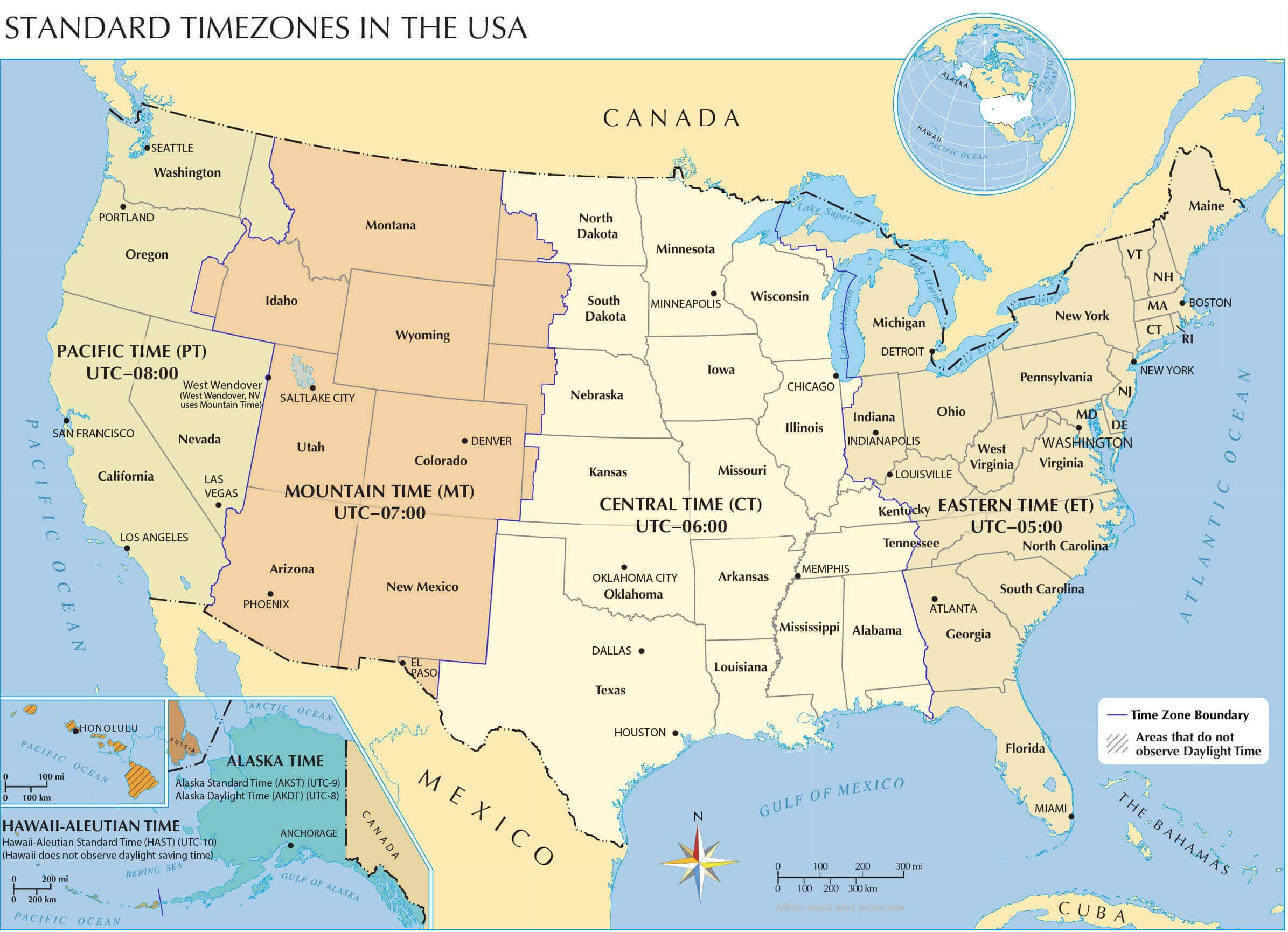
The concept of time zones can seem complex, but for travelers heading to California, it boils down to one primary zone with a seasonal adjustment. The USA spans multiple time zones, ranging from Eastern Time Zone on the Atlantic coast to the Hawaii-Aleutian Time Zone in the Pacific. California proudly sits within the Pacific Time Zone, making it distinct from the central and eastern parts of the country.
The Pacific Time Zone Explained
The Pacific Time Zone (PT) encompasses the westernmost states of the contiguous USA, including California, Oregon, Washington, and Nevada. This zone is typically three hours behind the Eastern Time Zone (ET), two hours behind the Central Time Zone (CT), and one hour behind the Mountain Time Zone (MT). For international travelers, understanding its offset from Greenwich Mean Time (GMT) or Coordinated Universal Time (UTC) is most relevant. Pacific Standard Time (PST) is UTC-8, meaning it is eight hours behind UTC. This constant differential is a critical piece of information for coordinating international flights, virtual meetings, or simply updating your loved ones on your adventures.
Daylight Saving Time: A Key Distinction
One of the most significant factors influencing the current time in California is Daylight Saving Time (DST). During this period, which typically runs from early March to early November, clocks are advanced by one hour. This shift means that instead of PST (UTC-8), California observes Pacific Daylight Time (PDT), which is UTC-7. The primary purpose of DST is to make better use of daylight, shifting an hour of daylight from the morning to the evening during warmer months.
For travelers, knowing whether California is currently observing PST or PDT is essential. It affects everything from confirming hotel check-in times to scheduling tours and remembering that your flight departure time will be local time, regardless of whether it’s PST or PDT. Missing a crucial connection or an eagerly anticipated attraction simply because of a time zone miscalculation can be a real damper on a trip. Always double-check your arrival and departure times against the local time, especially around the DST transition dates.
California Dreaming: Navigating Time Across Iconic Destinations
From the bustling streets of Los Angeles to the scenic beauty of San Francisco and the sun-drenched beaches of San Diego, California’s diverse attractions are all synchronized to the same clock. This unified time zone across the state is a blessing for travelers, eliminating the need to constantly adjust your watch as you explore.
From Southern California to the North: A Unified Time
One of the great conveniences for visitors to California is that the entire state observes the same time zone. Whether you’re planning to ride the roller coasters at Disneyland in Anaheim, explore the artistic neighborhoods of San Francisco, hike through Yosemite National Park, or drive the dramatic coastline of Big Sur, your clock will remain consistent. This simplifies multi-city itineraries significantly. You won’t have to worry about losing or gaining an hour as you travel from Los Angeles to Sacramento or from San Diego to the Napa Valley.
However, while the state itself is unified, surrounding areas like parts of Arizona (which does not observe Daylight Saving Time in most areas) or the Mountain Time Zone states like Utah and parts of Idaho will have different times. If your travel plans include venturing just beyond California’s borders, especially to the east, always be mindful of those transitions. For instance, a drive through Death Valley to Las Vegas, Nevada, means crossing into the same time zone, whereas a journey towards the Grand Canyon in Arizona might introduce a time change depending on the time of year and specific location.
Planning Your Itinerary by the Clock
Effective itinerary planning in California goes hand-in-hand with understanding the local time. Early morning starts are often ideal for popular attractions like Universal Studios Hollywood or a visit to the Golden Gate Bridge to avoid crowds and morning fog. Evenings in Los Angeles might involve catching a show in the Hollywood area, dining in Beverly Hills, or strolling along the Santa Monica Pier as the sun sets. Each activity has its optimal window, and being aware of the actual local time ensures you don’t miss out.
For example, if you’re flying in from the East Coast of the USA, you’ll “gain” three hours upon arrival, which can be a boon for exploring on your first day but might lead to an early morning wake-up initially. Conversely, flying east means “losing” three hours, potentially leading to jet lag and a desire for an earlier bedtime. Being mindful of these shifts allows you to strategically plan your activities, perhaps scheduling more relaxed exploration or dining experiences for your arrival day and reserving high-energy activities for when your body has adjusted. Utilizing apps that track time zones and local events can be incredibly helpful for managing your schedule on the go.
Seamless Stays: Accommodation and Lifestyle Considerations
Beyond simply knowing the time, a successful trip involves practical considerations related to your stay, especially when battling jet lag or balancing different types of travel, such as luxury escapades versus budget-conscious family trips. Accommodations play a crucial role in helping you adapt to the local time.
Combating Jet Lag for Optimal Enjoyment
Jet lag is the bane of many long-distance travelers, and the time difference when visiting California from distant locales or even the East Coast can be significant. The three-hour difference from New York City or the eight-hour difference from London requires thoughtful management. Here are some strategies:
- Adjust Before You Go: If possible, start shifting your sleep schedule by an hour or two each day in the days leading up to your trip.
- Hydrate and Avoid Caffeine/Alcohol: During your flight, prioritize water and avoid substances that can exacerbate jet lag symptoms.
- Embrace Local Time Immediately: As soon as you land, set your watch to California time. Try to eat and sleep according to the local schedule, even if you’re not feeling tired or hungry at first.
- Seek Sunlight: Natural light helps reset your body’s internal clock. Spend time outdoors during daylight hours.
- Strategic Napping: If you must nap, keep it short (20-30 minutes) and avoid napping late in the afternoon, which can interfere with nighttime sleep.
For business travelers, managing jet lag is particularly critical to ensure peak performance for meetings and conferences. Planning arrival a day or two early can make a significant difference. For families, children are often more susceptible to jet lag, requiring parents to build in flexibility and downtime during the initial days of the trip.
Choosing Accommodations with Time in Mind
Your choice of accommodation can significantly aid in adapting to California’s time. Hotels that understand traveler needs often provide amenities that help with jet lag or simply make transitions smoother.
- Blackout Curtains: Essential for creating a dark, sleep-conducive environment, especially when trying to sleep during what would be daytime in your home time zone.
- 24-Hour Room Service or Dining Options: Allows you to eat when you’re hungry, regardless of the local meal times, which can be a lifesaver during the first day or two.
- Fitness Centers and Spas: Exercise can help regulate sleep patterns, and a relaxing spa treatment can ease the stress of travel. Many luxury resorts in Palm Springs or Monterey offer world-class facilities.
- Concierge Services: Knowledgeable concierges can provide advice on local activities suitable for early risers or late-night explorers, helping you plan around your body clock.
- Quiet Rooms: Requesting a room away from elevators, ice machines, or street noise can be beneficial for uninterrupted sleep.
Whether you’re booking a boutique hotel in Silver Lake, a beachfront resort in La Jolla, or an apartment for a long-term stay in Silicon Valley, considering these features can transform your experience, making your stay more comfortable and enjoyable regardless of the time adjustments.
Beyond the Clock: Maximizing Your California Experience
While understanding the exact time is crucial for logistical planning, truly embracing the local culture and maximizing your travel experience in California involves more than just a quick glance at your watch. It’s about syncing with the rhythm of the Golden State itself.
Embracing California’s Culinary & Cultural Rhythms
California is celebrated for its diverse culinary scene, from farm-to-table dining in San Francisco to street food in Los Angeles and fresh seafood in San Diego. Mealtimes, while generally flexible, still adhere to certain cultural norms. Breakfast might be a casual affair, but brunch on weekends is a quintessential California experience, often running from late morning into the early afternoon. Dinner typically starts around 6:00 PM or 7:00 PM, especially in more bustling urban centers, with later reservations often available. Understanding these rhythms can help you snag reservations at popular spots or simply find dining options that suit your schedule.
Cultural activities also have their peak times. Museums like The Getty Center or the California Academy of Sciences are often busiest in the mid-afternoon. Evening performances, concerts, and nightlife in areas like West Hollywood or San Diego’s Gaslamp Quarter often kick off later. Being aware of these patterns allows you to schedule your days effectively, perhaps visiting outdoor landmarks like the Hollywood Walk of Fame or Griffith Observatory earlier in the day and reserving cultural performances for the evening.

Tips for a Timeless California Adventure
To make your California journey truly unforgettable, blending practical time management with an open mind for exploration is key.
- Always Check Operating Hours: While California is on a unified time, specific attractions, especially smaller local businesses or national parks like Joshua Tree, may have seasonal hours that vary. A quick check of their official website can save you a wasted trip.
- Use a World Clock App: Keep a reliable world clock app on your phone to easily compare California time with your home time zone or any other relevant time zones for your connections.
- Prioritize Flexibility: Despite the best planning, travel can bring unexpected delays. Building in some buffer time for transfers, dining, or simply spontaneous exploration will reduce stress and allow for a more enjoyable trip.
- Engage with Locals: Don’t hesitate to ask hotel staff, tour guides, or even friendly locals for recommendations on the best times to visit certain places or experience particular activities. Their insights can be invaluable for avoiding crowds or catching a hidden gem.
- Embrace the Pace: California’s pace can vary greatly from the fast-moving energy of Los Angeles’s financial district to the laid-back vibe of a Central Coast beach town. Syncing with the local rhythm, rather than rigidly sticking to a foreign clock, can enhance your experience.
In conclusion, understanding “What Is The Time Now In California USA?” is the first step towards a perfectly synchronized and unforgettable journey. By familiarizing yourself with PST/PDT, planning your itinerary smartly, combating jet lag effectively, and choosing the right accommodations, you can fully immerse yourself in the vibrant tapestry of California. Whether you’re chasing the sunrise over the Sierra Nevada or enjoying a sunset dinner overlooking the Pacific Ocean, time awareness will be your invaluable companion on your Golden State adventure.
LifeOutOfTheBox is a participant in the Amazon Services LLC Associates Program, an affiliate advertising program designed to provide a means for sites to earn advertising fees by advertising and linking to Amazon.com. Amazon, the Amazon logo, AmazonSupply, and the AmazonSupply logo are trademarks of Amazon.com, Inc. or its affiliates. As an Amazon Associate we earn affiliate commissions from qualifying purchases.