
Understanding the current time in Montana is more than just a matter of checking your watch; it’s a key piece of information for planning any journey into the breathtaking landscapes and vibrant communities of this Western gem. As a vast state, Montana observes a single time zone, simplifying things for travelers and residents alike. This temporal consistency allows for seamless coordination, whether you’re booking a guided tour through the Rocky Mountains, arranging a wilderness lodge stay, or simply trying to catch a sunset over the Glacier National Park.
Navigating Time Zones: The Mountain Time Zone Advantage
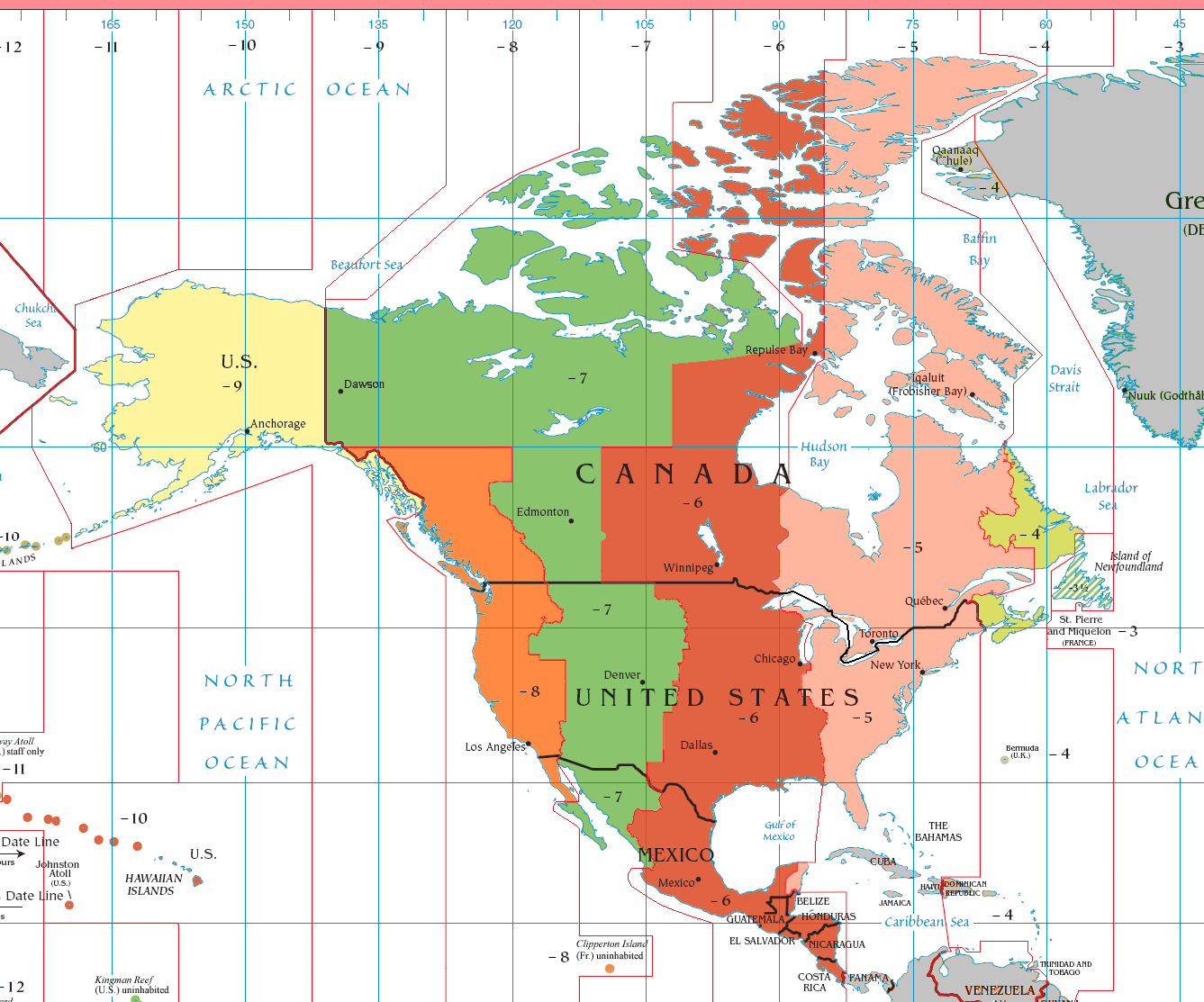
Montana operates entirely within the Mountain Time Zone (MT). This zone encompasses a significant portion of the western United States and is characterized by observing Mountain Standard Time (MST) during the winter months and Mountain Daylight Time (MDT) during the spring, summer, and fall.
Understanding Daylight Saving Time in Montana
Daylight Saving Time (DST) plays a crucial role in the temporal rhythm of Montana. The state, like most of the United States, observes DST. This means that clocks are typically set forward by one hour in the spring and then set back by one hour in the autumn.
- Spring Forward: Clocks move forward one hour on the second Sunday in March. This marks the transition from MST to MDT. For example, if it’s 2:00 AM MST on that Sunday, it instantly becomes 3:00 AM MDT.
- Fall Back: Clocks are set back one hour on the first Sunday in November. This signals the return to MST. At 2:00 AM MDT, clocks revert to 1:00 AM MST.
The observance of DST means that the actual UTC offset for Montana changes throughout the year. During standard time (MST), Montana is UTC-7. When Daylight Saving Time is in effect (MDT), it shifts to UTC-6. This is a vital piece of information for anyone coordinating with individuals or businesses in different time zones, especially for international travel or remote work arrangements.
Practical Implications for Travelers
For visitors to Montana, understanding the Mountain Time Zone and its DST variations is essential for a smooth and enjoyable experience.
Planning Activities and Excursions
Many of Montana’s most compelling attractions are outdoors and time-sensitive. Guided tours for activities like whitewater rafting on the Yellowstone River, horseback riding in the Absaroka-Beartooth Wilderness, or wildlife viewing in Yellowstone National Park often have specific start times. Knowing the precise local time ensures you won’t miss these opportunities. For instance, an early morning sunrise photography tour in Bozeman will require an accurate understanding of when dawn breaks according to the local clock.
Accommodation Bookings and Check-ins
When booking hotels, resorts, or vacation rentals across Montana, from the luxury lodges in Big Sky to cozy cabins near Missoula, check-in and check-out times are invariably listed in the local Mountain Time. This applies whether you’re staying at the renowned The Ranch at Rock Creek or a boutique hotel in Whitefish. Being aware of the time zone prevents any confusion, especially if you are traveling from a region with a different DST schedule or a different time zone altogether.
Communication and Connectivity
Effective communication is key to a well-organized trip. When coordinating with local guides, restaurant reservations, or even friends and family who might be visiting, being on the same temporal page is crucial. For those working remotely or attending virtual meetings with clients or colleagues in other parts of the country, knowing Montana’s time is paramount for avoiding missed connections. For example, a business call scheduled for 10:00 AM Pacific Time would be 11:00 AM in Montana during MDT.
Key Cities and Their Times in Montana
While the entire state adheres to the Mountain Time Zone, understanding the local time in prominent cities can help orient travelers. These are some of the major hubs where visitors often find themselves:
Helena: The Capital City
As the state capital, Helena is a central point for many governmental and administrative functions. Its time reflects the statewide standard. Whether you’re visiting the Montana State Capitol Building or exploring the historic downtown area, the time in Helena is the definitive Mountain Time.
Billings: Montana’s Largest City
Located in south-central Montana, Billings is a hub for commerce and serves as a gateway to many natural attractions. Travelers arriving at Billings Logan International Airport or planning excursions to the nearby Little Bighorn Battlefield National Monument will find that the local time is consistent with the rest of the state.
Missoula: The Garden City
Nestled in western Montana, Missoula is known for its vibrant arts scene and proximity to outdoor recreation. Visitors planning to hike in the surrounding mountains or explore the downtown area will observe the standard Mountain Time.
Great Falls: Gateway to Lewis and Clark Country
Situated in central Montana, Great Falls is named for the series of waterfalls on the Missouri River. Understanding the local time here is crucial for tours related to Lewis and Clark National Historic Trail or visits to the C.M. Russell Museum.
Bozeman: A Hub for Adventure
Bozeman, in southwestern Montana, is a popular starting point for adventures in Yellowstone National Park and surrounding wilderness areas. Its thriving downtown and proximity to world-class skiing at Big Sky Resort make accurate timekeeping essential for all visitors.
Tips for Staying on Time in Montana
To ensure you always know the correct time in Montana, consider these practical tips:
Utilize Technology
- Smartphones and Smart Devices: Most modern smartphones, tablets, and smartwatches automatically update to the correct local time when connected to a network. Ensure your device’s automatic time zone settings are enabled.
- Online Time Converters: For quick checks and conversions, numerous websites and apps provide real-time time zone information for any location worldwide. A simple search for “current time in Montana” will yield immediate results.
- Digital Clocks: Many hotel rooms and public spaces are equipped with digital clocks displaying the local time.
Be Mindful of Travel Across State Lines (If Applicable)
While Montana exclusively uses the Mountain Time Zone, if your travel itinerary includes venturing into neighboring states that might observe different time zones (such as North Dakota or Idaho, which can have pockets in the Pacific Time Zone), be exceptionally mindful of the transition. However, within Montana itself, this is not a concern.

Confirm with Local Establishments
When making reservations or booking services, always confirm the time in local Mountain Time. This is particularly important if you are dealing with a company or individual based in a different time zone who might be communicating with you. Asking “Is that Mountain Time?” can prevent misunderstandings.
By staying informed about Montana’s time zone and the nuances of Daylight Saving Time, you can navigate your travel plans with confidence. This simple awareness contributes significantly to a more organized, efficient, and ultimately, more enjoyable exploration of Big Sky Country. From the rugged peaks of Glacier National Park to the serene beauty of the Flathead Lake, every moment in Montana is best experienced when you’re precisely on time.
LifeOutOfTheBox is a participant in the Amazon Services LLC Associates Program, an affiliate advertising program designed to provide a means for sites to earn advertising fees by advertising and linking to Amazon.com. Amazon, the Amazon logo, AmazonSupply, and the AmazonSupply logo are trademarks of Amazon.com, Inc. or its affiliates. As an Amazon Associate we earn affiliate commissions from qualifying purchases.