
For anyone planning a trip, conducting business, or simply connecting with loved ones in the Emerald City, understanding the current time in Seattle, Washington, USA is more than just a trivial detail—it’s a fundamental piece of information that dictates everything from flight schedules and hotel check-ins to sightseeing itineraries and dinner reservations. Seattle operates within the Pacific Time Zone, specifically observing Pacific Standard Time (PST) during the colder months and Pacific Daylight Time (PDT) when daylight saving is in effect. At any given moment, the exact time will depend on whether it’s currently PST (UTC-8) or PDT (UTC-7). This seemingly simple fact has profound implications for travelers, influencing their planning, experiences, and overall enjoyment of one of North America’s most vibrant cities.
Understanding Seattle’s Time Zone: PST / PDT
The consistent shift between Pacific Standard Time and Pacific Daylight Time is a crucial element for anyone engaging with Seattle. This seasonal change impacts everything from business hours to outdoor activity planning. PST is eight hours behind Coordinated Universal Time (UTC-8), while PDT is seven hours behind (UTC-7). Daylight Saving Time typically begins on the second Sunday in March, when clocks “spring forward” an hour, and ends on the first Sunday in November, when they “fall back.” This adjustment is designed to make better use of daylight and conserves energy, but for travelers, it necessitates an extra layer of awareness.
Navigating Pacific Time Zones
For individuals traveling from different parts of the USA or internationally, understanding this time zone difference is paramount. For example, visitors from the East Coast will experience a three-hour time difference (e.g., 1 PM PST / PDT in Seattle means 4 PM Eastern Standard Time / Eastern Daylight Time). The further you travel from Seattle’s meridian, the greater the time discrepancy. For those arriving from Europe or Asia, the time difference can be substantial, often leading to jet lag, which requires careful planning to mitigate. Knowing whether it’s PST or PDT will influence how you set your watch, schedule calls, and estimate travel times. The impact extends beyond simply setting your clock; it influences your entire biological rhythm and your interactions with the local community.
Why Knowing the Time in Seattle Matters for Travelers
For any traveler, precise timing is often the invisible backbone of a successful trip. From coordinating flights to enjoying local attractions, a solid grasp of Seattle’s current time and time zone is essential. It contributes to seamless travel experiences, helps manage expectations, and ultimately allows visitors to make the most of their time in the city.
Impact on Flights and Connections
When booking flights to Seattle-Tacoma International Airport (SEA), all arrival and departure times are listed in the local time zone of the respective airport. This means your flight from New York might depart at 9 AM EST and arrive in Seattle at 12 PM PST / PDT, even though the actual flight duration is around six hours. Miscalculating this can lead to missed connections, late arrivals for pre-booked airport transfers, or even problems with hotel check-in times. Airlines like Alaska Airlines, Delta Airlines, and United Airlines frequently operate in and out of SEA, and their schedules are meticulously planned according to local time. This precision is especially critical for those with tight itineraries or connecting flights, where even a small misunderstanding of time zones can cascade into significant travel disruptions.
Coordinating with Locals and Business Partners
Whether you’re visiting Seattle for leisure or for a business trip, effective communication often hinges on respecting local time. If you’re scheduling a meeting with a Seattle-based company or arranging to meet friends for dinner, you’ll need to convert times accurately. Calling a business partner at 9 AM your time when it’s 6 AM in Seattle can be unprofessional. Similarly, planning to meet up with local friends without confirming the time difference could lead to frustration. For business travelers, this understanding is crucial for virtual meetings across different time zones, ensuring all participants are available and engaged during productive hours. In the context of lifestyle travel, coordinating family calls or catching up with digital nomads based in Seattle also requires this temporal awareness.
Planning Your Seattle Itinerary Around the Clock
Seattle offers a diverse range of attractions and activities that cater to every interest, from iconic landmarks to hidden culinary gems. Planning your itinerary with an awareness of local operating hours and peak times is key to maximizing your visit. This requires not just knowing the current time, but also anticipating how the day will unfold in the city.
Must-Visit Attractions and Their Hours
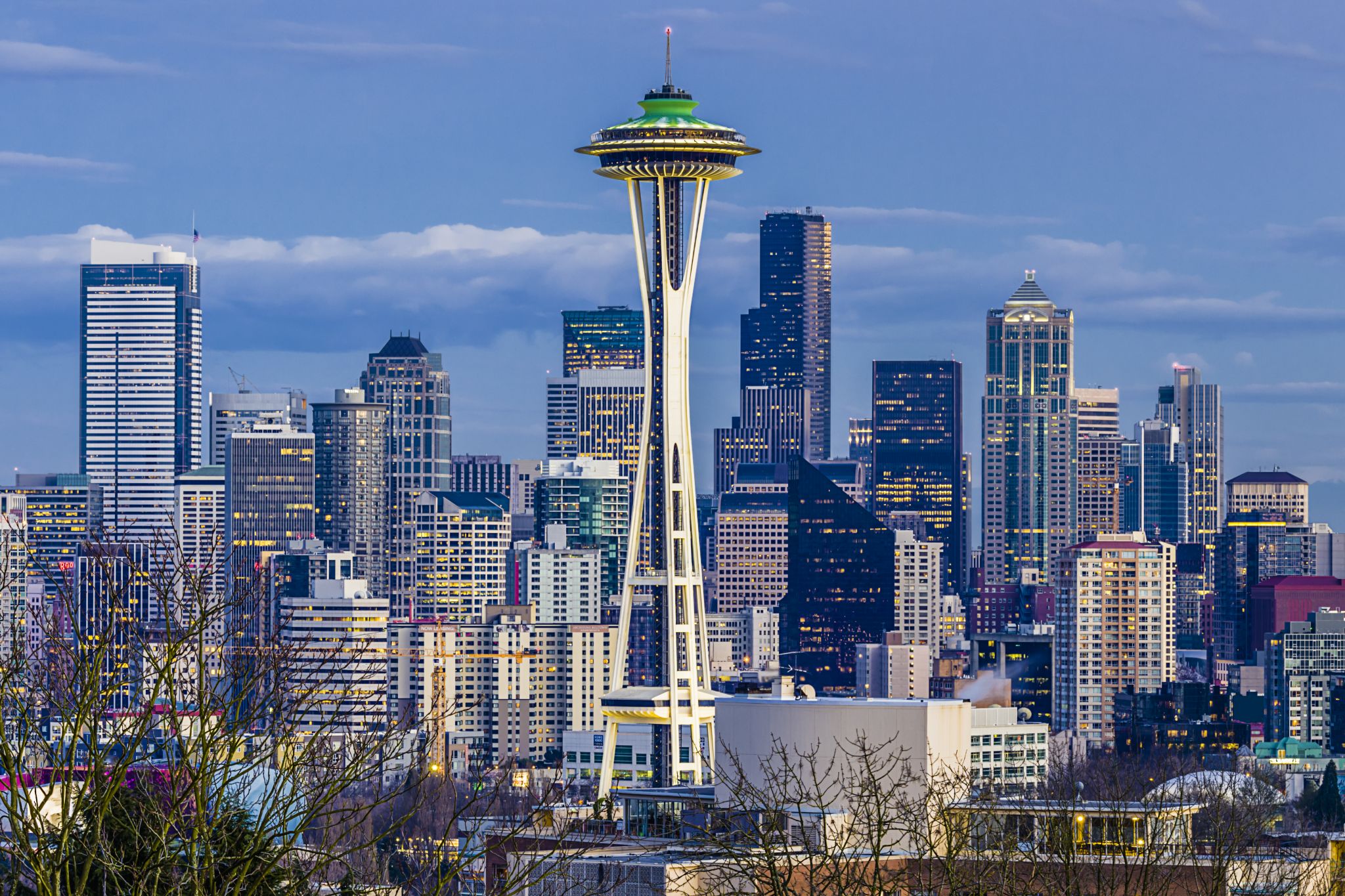
Many of Seattle’s most famous landmarks have specific operating hours that visitors must factor into their schedule. The Space Needle, for instance, often opens at 9 AM or 10 AM and closes late, allowing for breathtaking nighttime views. However, popular times, particularly around sunset, require advance booking. Pike Place Market comes alive early in the morning, with fishmongers tossing their wares and artisan stalls opening around 7 AM or 8 AM, but many shops begin to close in the early evening. The Museum of Pop Culture (MoPOP), Chihuly Garden and Glass, and the Seattle Art Museum typically operate within standard museum hours, usually from 10 AM to 5 PM or 6 PM. For nature lovers, Discovery Park or Kerry Park offer stunning views that are best enjoyed during daylight hours, especially for photography during the ‘golden hour’ before sunset. Even day trips to nearby attractions like Boeing Future of Flight or the wineries in Woodinville Wine Country require strict adherence to tour times and opening hours to ensure you don’t miss out. Failing to check these times can lead to disappointment and wasted travel time.
Dining Experiences from Brunch to Late-Night Bites
Seattle’s culinary scene is diverse and vibrant, but dining schedules are firmly rooted in local time. Brunch spots in neighborhoods like Capitol Hill or Fremont are bustling from 9 AM to 2 PM on weekends. Lunch service typically runs from 11:30 AM to 2 PM, while dinner generally starts around 5 PM and can extend until 10 PM or 11 PM for many restaurants. Reservations, especially at popular establishments in areas like Belltown or Pioneer Square, are highly recommended, and they are always based on Seattle time. For those seeking late-night entertainment or a post-dinner drink, bars and lounges in districts like Ballard may stay open until 1 AM or 2 AM, but kitchens often close earlier. Understanding these rhythms allows you to plan meals efficiently and enjoy the city’s gastronomic offerings without being constrained by an unfamiliar schedule.
Beating Jet Lag and Maximizing Your Seattle Experience
For many international travelers or those coming from the East Coast, jet lag is an inevitable companion. However, strategic planning around Seattle’s time zone can significantly mitigate its effects, ensuring a more enjoyable and productive trip. This ties directly into lifestyle travel, whether you’re on a luxury retreat, a budget adventure, or a family vacation.
Proactive Jet Lag Management
One of the most effective strategies for combating jet lag is to begin adjusting your internal clock even before you depart. Start shifting your sleep schedule by an hour or two each day in the direction of Seattle’s time zone a few days prior to your trip. Upon arrival, immediately immerse yourself in the local time. If you land in the morning, resist the urge to nap and try to stay awake until a reasonable bedtime in Seattle. Exposure to natural light during the day can help reset your circadian rhythm, so plan outdoor activities for your first few days. Conversely, avoid bright lights in the evening. Hydration, light exercise, and avoiding heavy meals and excessive alcohol can also help your body adjust more quickly. For family trips, parents need to consider their children’s sleep cycles, which can be even more sensitive to time zone changes.
Optimizing Your Travel Style
Different travel styles benefit from different approaches to time management. For luxury travel, opting for direct flights and arriving a day early can allow for a leisurely adjustment period, perhaps enjoying the amenities of a five-star hotel like the Four Seasons Hotel Seattle or Thompson Seattle before diving into your itinerary. Budget travelers might prioritize cheaper flights with layovers, necessitating even closer attention to connection times and potential for longer travel days. Family trips require flexibility; young children can struggle with jet lag, so a slower pace for the first day or two, incorporating naps and early bedtimes, can be beneficial. Business stays demand peak performance, so prioritizing rest and strategic scheduling of meetings to avoid your most jet-lagged hours is critical. Regardless of your travel style, understanding the time in Seattle upon arrival is the first step toward a successful adaptation.
Accommodation and Dining: Timing Your Seattle Stay
The dynamics of local time zones profoundly influence the practical aspects of your stay, particularly regarding accommodation and dining. From booking to check-out, and from breakfast to late-night room service, everything revolves around the clock.
Checking In and Out: Hotel Logistics
Hotels in Seattle, whether it’s the historic The Edgewater Hotel overlooking Elliott Bay or the modern Hyatt Regency Seattle downtown, typically adhere to standard check-in and check-out times, usually 3 PM or 4 PM for check-in and 11 AM or 12 PM for check-out, all in local Seattle time. If your flight arrives early in the morning, you might face a few hours before you can access your room. Many hotels offer luggage storage, allowing you to explore the city while you wait. Conversely, a late afternoon or evening departure might mean you need to arrange for a late check-out or store your bags after the standard check-out time. This is where understanding the time difference from your origin becomes vital. Booking an extra night, if budget allows, can provide immediate room access and make the first day of an international trip much smoother. Always confirm these times directly with your chosen accommodation, be it a luxury resort, a boutique hotel, or a vacation apartment.
Practical Tips for a Smooth Seattle Experience
- Always Double-Check: Before confirming any reservation—flights, hotels, tours, restaurant bookings—double-check the time zone and ensure you’re referencing Seattle local time.
- Utilize Technology: Your smartphone will automatically adjust to the local time zone upon arrival, but it’s wise to manually verify. Many apps also offer world clock features for easy conversion.
- Embrace Flexibility: While planning is essential, maintaining a degree of flexibility, especially during your first day or two, can significantly reduce stress if jet lag or unexpected delays occur.
- Consult Local Guides: Online travel guides and local tourism websites are excellent resources for specific attraction hours, public transport schedules, and local event times, all presented in Seattle time.
In conclusion, “What is the time now in Seattle, USA?” is a question that opens the door to a cascade of considerations for any traveler. From navigating the intricacies of PST and PDT to meticulously planning flight arrivals, booking accommodations, and scheduling visits to iconic Seattle landmarks like the Space Needle or the bustling Pike Place Market, time management is the silent co-pilot of a successful journey. By understanding and respecting Seattle’s local time, visitors can transform a potentially confusing aspect of travel into a seamless and enriching experience, allowing them to fully immerse themselves in the unique culture, stunning natural beauty, and vibrant lifestyle of this magnificent Pacific Northwest gem. Whether you’re coordinating a business deal with partners across the globe or simply trying to catch the sunset from Kerry Park, being time-aware is your best guide to making the most of every moment in Seattle.
LifeOutOfTheBox is a participant in the Amazon Services LLC Associates Program, an affiliate advertising program designed to provide a means for sites to earn advertising fees by advertising and linking to Amazon.com. Amazon, the Amazon logo, AmazonSupply, and the AmazonSupply logo are trademarks of Amazon.com, Inc. or its affiliates. As an Amazon Associate we earn affiliate commissions from qualifying purchases.