
Texas, a state that conjures images of wide-open spaces, rich history, and vibrant culture, is a vast and diverse landscape. When travelers ask, “What time is it in Texas?”, they’re not just inquiring about the clock. They’re often seeking to understand the rhythm of its cities, the pace of its attractions, and the best moments to experience its unique offerings. This expansive territory, larger than many European countries, spans two time zones, adding a layer of complexity to any exploration. Understanding this temporal dimension is key to unlocking the full potential of a Texan adventure, from catching a sunrise over the Big Bend National Park to enjoying the late-night buzz of Austin.
Navigating the Temporal Landscape of Texas
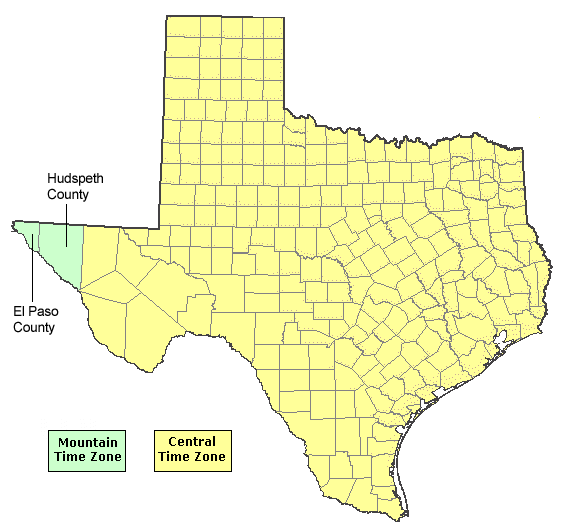
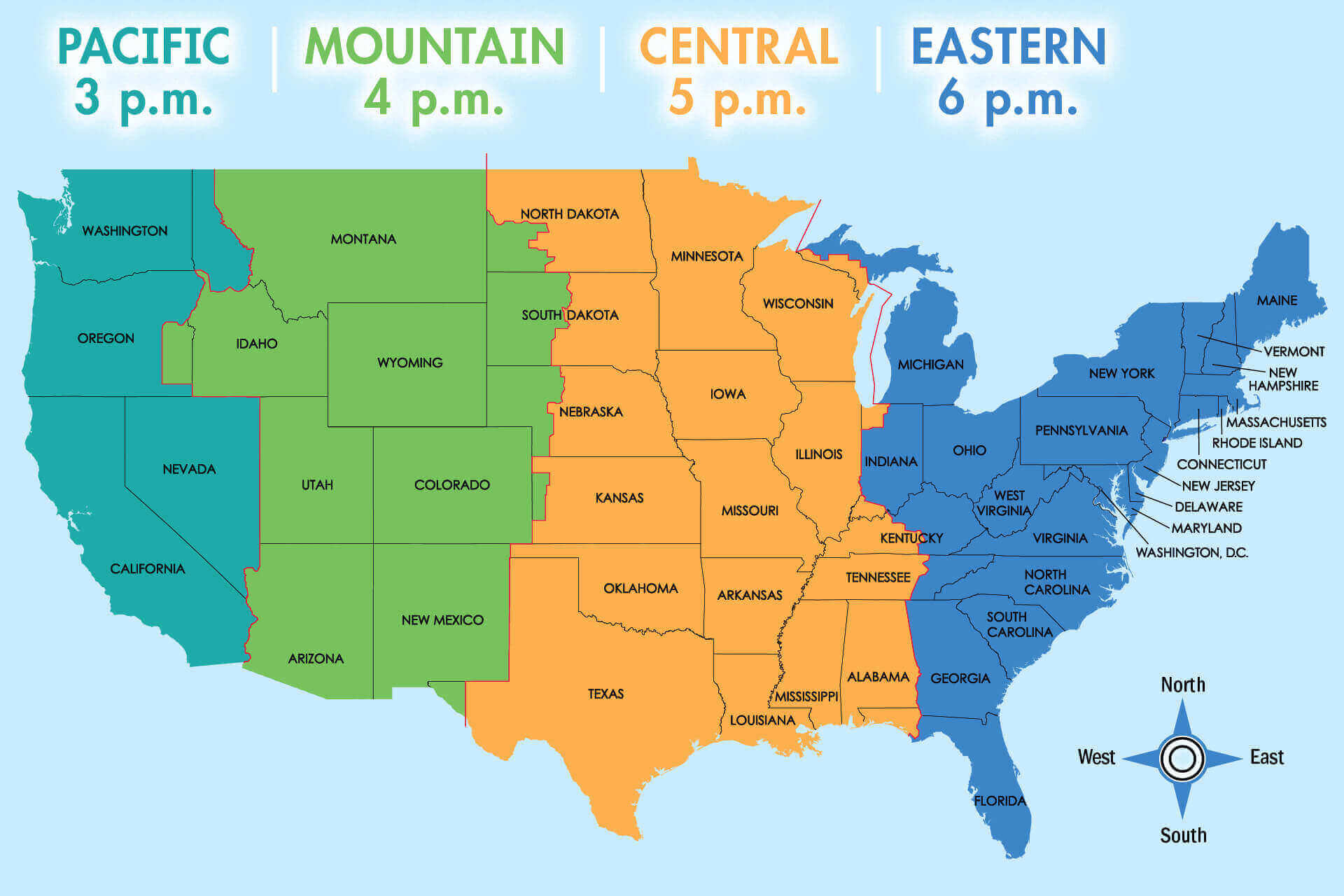
Texas officially observes two time zones: the Central Time Zone (CT) and the Mountain Time Zone (MT). The vast majority of the state, including major metropolitan areas like Houston, Dallas, San Antonio, and Austin, falls within the Central Time Zone. This zone is UTC-6 during standard time and UTC-5 during daylight saving time (DST). The westernmost edge of Texas, specifically the counties of El Paso and Hudspeth, observes the Mountain Time Zone. This zone is UTC-7 during standard time and UTC-6 during DST.
This division means that when it’s noon in Dallas, it’s 11 AM in El Paso. While the difference is only an hour, it’s a crucial consideration for travelers planning to traverse the state or engage in activities that might span across these time zones. For instance, if you’re attending an event in Houston and have a business meeting scheduled for the following day in El Paso, factoring in this one-hour shift is essential for punctuality. It also influences the timing of natural phenomena, like stargazing opportunities in West Texas, which will occur an hour earlier by the clock in El Paso compared to the eastern parts of the state.
Daylight Saving Time Considerations
Like most of the United States, Texas observes Daylight Saving Time, which typically begins on the second Sunday in March and ends on the first Sunday in November. During this period, clocks in both the Central and Mountain Time Zones are advanced by one hour. This means that the difference between the two zones remains constant throughout the year, but the absolute times shift. For travelers, it’s important to be aware of these shifts, especially if arriving or departing during the transition periods. Most electronic devices automatically adjust for DST, but it’s always wise to double-check local times, particularly for flights or pre-booked tours.
Planning Around Time Zones
When crafting your Texas itinerary, understanding the time zones is not just about avoiding being late; it’s about optimizing your experience.
- Sunrise and Sunset: The sun will set and rise approximately an hour earlier by the clock in West Texas compared to East Texas. This can be a significant factor for photographers, nature enthusiasts aiming for golden hour shots, or those who simply want to catch the last rays of sunlight painting the desert landscape of Big Bend.
- Activity Scheduling: Many tours and attractions operate on fixed schedules. If you’re planning a multi-city trip, ensure you’re aligning your activities with the correct local time. For example, a scheduled rodeo in Fort Worth might be at 7 PM CT, while a similar event in El Paso would be at 6 PM MT.
- Communication: If you’re coordinating with people in different parts of Texas, always specify the time zone or confirm their local time to avoid misunderstandings.
Experiencing Texas Through its Chronological Rhythms
Beyond the strict adherence to time zones, the “time” in Texas also refers to the opportune moments for experiencing its diverse attractions and cultural offerings. From the bustling urban centers to the tranquil rural landscapes, each region has its peak seasons and ideal times for exploration.
Urban Vibrancy: Houston, Dallas, Austin, and San Antonio
The major cities of Texas are hubs of culture, entertainment, and dining, offering experiences year-round. However, certain times of the year can enhance your visit.
- Spring (March-May): This is arguably the most pleasant time to visit Texas’s urban centers. The weather is generally mild, with blooming wildflowers adding natural beauty to the cityscape. It’s a fantastic time for outdoor festivals, exploring parks like Zilker Park in Austin, or enjoying patio dining. The Houston Livestock Show and Rodeo typically takes place in late February and March, offering a quintessential Texan experience.
- Fall (September-November): Similar to spring, autumn brings cooler temperatures and a welcome respite from the summer heat. It’s ideal for exploring attractions like the Sixth Floor Museum at Dealey Plaza in Dallas or wandering the historic streets of San Antonio. College football season is in full swing, adding a palpable energy to the cities, particularly on game days.
- Summer (June-August): Texas summers are notoriously hot, with temperatures frequently exceeding 100°F (38°C). While outdoor activities can be challenging, this is the time for indoor attractions like world-class museums, the Space Center Houston, or enjoying the numerous water parks and splash pads. Many cities also offer outdoor concerts and events in the evenings when the heat subsides.
- Winter (December-February): Winters in most of Texas are mild, though occasional cold snaps do occur. This season is perfect for experiencing the festive holiday lights and decorations that adorn the cities, visiting the Alamo without the summer crowds, or enjoying the culinary scene. Austin’s South by Southwest (SXSW) festival, held in March, marks the transition into spring and is a major draw for the music, film, and technology industries.
Natural Wonders: Big Bend National Park and the Hill Country
The vast natural landscapes of Texas offer unique temporal considerations for visitors.
- West Texas and Big Bend: The extreme temperatures of summer make it less ideal for hiking and exploring in this arid region. The best times are during the spring (March-April) when wildflowers are in bloom and temperatures are pleasant, and the fall (October-November) when the weather is crisp and cool, perfect for trekking through the mountains and canyons. Winter can also be a good time, with mild days and cool nights, ideal for stargazing, as the skies are often clear.
- Texas Hill Country: Famous for its rolling hills, wineries, and charming small towns like Fredericksburg, the Hill Country is beautiful year-round. Spring brings vibrant wildflowers, including the iconic bluebonnets, creating a stunning visual spectacle. Fall offers pleasant temperatures for wine tasting and exploring the local harvest. Summers can be hot but are popular for swimming in the Guadalupe River and enjoying local festivals. Winters are mild and offer a more tranquil experience, with cozy bed and breakfasts and fewer crowds.
Coastal Charm: The Gulf Coast
The Texas Gulf Coast, from Galveston to South Padre Island, has its own seasonal rhythms influenced by weather and wildlife.
- Spring and Fall: These shoulder seasons generally offer the most pleasant weather for beach activities, with milder temperatures and lower humidity than the summer months. It’s also an excellent time for birdwatching, as migratory species pass through the coastal wetlands.
- Summer: While the beaches are at their most popular during summer, the heat and humidity can be intense. However, it’s the prime time for water sports, fishing, and enjoying the lively atmosphere of beach towns. Expect higher prices and larger crowds.
- Winter: The Texas coast experiences mild winters, making it an attractive destination for those seeking to escape colder climates. While not ideal for swimming, it’s a great time for long walks on the beach, birding, and exploring coastal attractions like the Moody Gardens in Galveston.
Understanding “Texas Time” Beyond the Clock
The phrase “Texas time” can also refer to a more relaxed pace of life and a distinct cultural ethos that permeates the state. While Texas is a rapidly developing and dynamic region, it retains a sense of its roots, where hospitality and community are paramount.
Hospitality and Pace
In many parts of Texas, particularly in smaller towns and rural areas, life moves at a slightly slower, more deliberate pace. This is not to say that efficiency is lacking, but rather that there’s a greater emphasis on personal connection and taking the time to engage. When you’re invited for a “quick chat” in Texas, it might indeed be longer than you anticipate, but it will likely be a genuine and warm interaction. This “Texas time” extends to dining, where meals are often savored, and to social gatherings, which are characterized by friendly conversation and a welcoming atmosphere.
Cultural Calendars
The “time” for experiencing Texas also relates to its rich tapestry of cultural events, festivals, and celebrations. These occurrences are deeply ingrained in the state’s identity and offer unparalleled opportunities for immersion.
- Rodeos and Livestock Shows: From the grand Houston Livestock Show and Rodeo to smaller, local events throughout the year, rodeos are a quintessential Texan experience. They often occur during the spring and fall months.
- Music Festivals: Texas boasts a legendary music scene, with festivals celebrating everything from country and blues to independent rock and Tejano music. Austin is renowned for its live music venues and festivals like Austin City Limits Music Festival in October.
- State and County Fairs: These events, often held during the late summer and fall, offer a nostalgic glimpse into Texan life with carnival rides, prize-winning livestock, delicious fair food, and entertainment.
- Historical Anniversaries and Celebrations: Texas’s rich history is marked by numerous commemorations, such as the celebration of Texas Independence Day on March 2nd and San Jacinto Day on April 21st.

Culinary Journeys
The “time” to savor Texas cuisine is all the time. Whether it’s the smoky aroma of barbecue in Lockhart, the vibrant flavors of Tex-Mex in San Antonio, or the fresh seafood along the coast, culinary exploration is a highlight of any trip. Peak seasons for certain ingredients, like fresh peaches in the Hill Country during the summer, can also inform your gastronomic adventures.
In essence, “What is the time in Texas?” is a question that transcends mere hours on a clock. It’s an invitation to understand the state’s temporal geography, to align your visit with its natural beauty and cultural pulse, and to embrace the unique rhythm of life that defines this grand republic. By considering both the literal time zones and the broader concept of “Texas time,” travelers can craft an itinerary that is not only efficient but also deeply enriching and memorable.
LifeOutOfTheBox is a participant in the Amazon Services LLC Associates Program, an affiliate advertising program designed to provide a means for sites to earn advertising fees by advertising and linking to Amazon.com. Amazon, the Amazon logo, AmazonSupply, and the AmazonSupply logo are trademarks of Amazon.com, Inc. or its affiliates. As an Amazon Associate we earn affiliate commissions from qualifying purchases.