
Embarking on a journey to the heart of the Southern United States means more than just packing your bags and charting your course; it also involves syncing your internal clock with your destination. For anyone planning a visit, considering a move, or conducting business in the Yellowhammer State, a crucial piece of information is understanding its time zone. So, what exactly is the time zone for Alabama? The answer is primarily Central Time. This seemingly simple fact carries significant implications for travel planning, accommodation logistics, and maximizing every moment of your experience in this vibrant state.
Alabama predominantly observes the Central Time Zone (CT), which transitions between Central Standard Time (CST) during the fall and winter months and Central Daylight Time (CDT) in spring and summer. This guide will delve into the specifics of Alabama’s timekeeping, explore why this information is indispensable for travelers and residents alike, and offer insights to ensure your visit is as smooth and enjoyable as possible. From booking your accommodation to planning your itinerary around famous landmarks and local events, understanding the clock is your first step towards a perfectly timed Alabama adventure.
Understanding Alabama’s Core Time Zone: Central Time
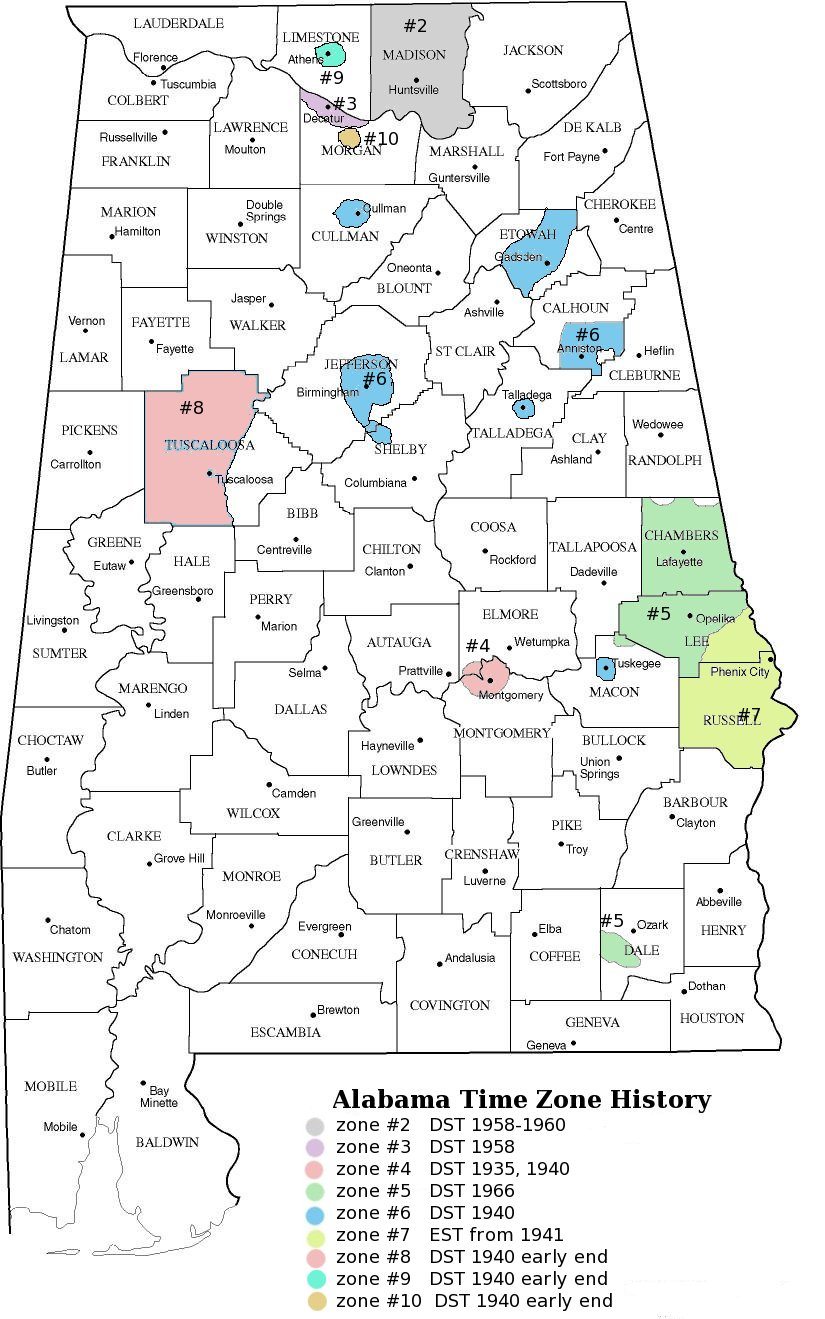
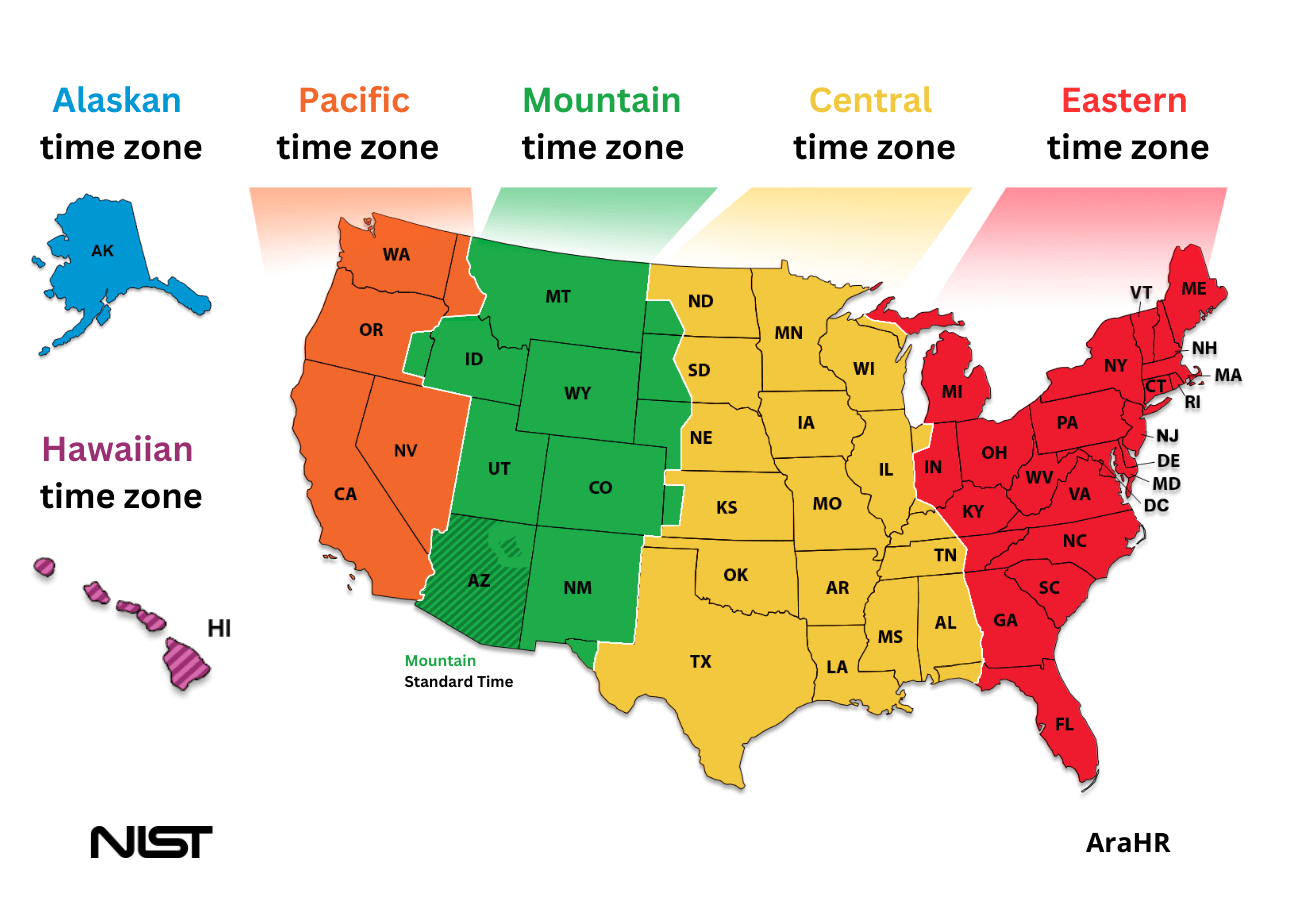
The Central Time Zone (CT) spans a vast swath of the central United States, reaching north into Canada and south into Mexico. Alabama firmly sits within this geographical and temporal boundary, ensuring a consistent time experience across nearly the entire state. This uniformity simplifies planning for both residents and visitors, as there are no pesky internal time zone borders to navigate, unlike some other states.
Central Standard Time (CST) and Central Daylight Time (CDT)
The concept of Central Time is bipartite, meaning it shifts throughout the year. During the standard period, typically from early November to mid-March, Alabama adheres to Central Standard Time (CST). This is defined as six hours behind Coordinated Universal Time (UTC), often written as UTC-6. When the clocks “spring forward” for Daylight Saving Time, Alabama transitions to Central Daylight Time (CDT). This period, stretching from mid-March to early November, means the state is five hours behind UTC, or UTC-5.
This annual ritual of adjusting clocks by an hour has significant implications for travel and daily life. While the core time zone remains “Central,” the distinction between standard and daylight time is crucial for scheduling everything from airline departures to dinner reservations. Travelers arriving from regions that do not observe Daylight Saving Time, or those arriving from other time zones that shift at different intervals, need to be particularly mindful of this change. It ensures optimal use of natural daylight during warmer months but requires a brief adjustment period for everyone involved.
The Geographical Context of Alabama’s Time Zone
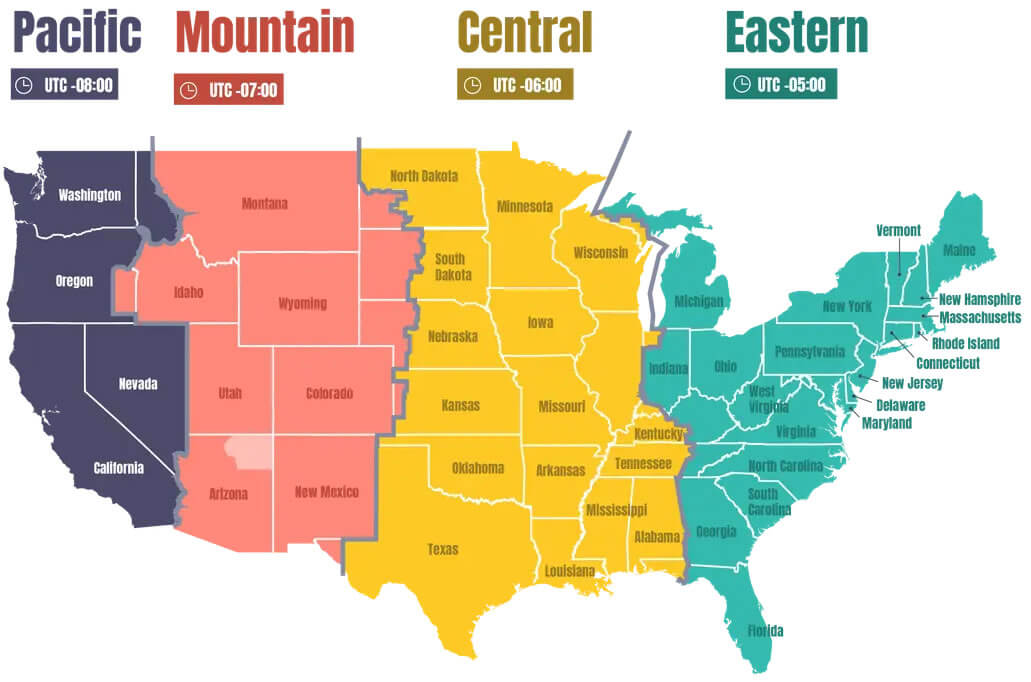
Alabama’s position within the Central Time Zone is geographically logical, bordered by states that also largely observe Central Time. To the west, Mississippi is entirely in Central Time. To the north, Tennessee is split, but its western half, bordering Alabama, is Central Time. This creates a contiguous time zone experience along these borders.
To the east, Georgia operates in the Eastern Time Zone (ET), which is an hour ahead of Central Time. This is the only significant time zone border directly affecting Alabama, and it’s something travelers crossing from Atlanta or other Georgia cities into Alabama must remember. A 10 AM departure from Atlanta means a 9 AM arrival on the Alabama side, which can be a pleasant surprise or a missed connection depending on your awareness. Similarly, to the south, the Florida Panhandle is largely in Central Time, maintaining consistency along Alabama’s scenic Gulf Coast. Understanding these geographical nuances helps in multi-state travel planning and ensures a smooth transition between different parts of the Southeast.
Why Knowing Alabama’s Time Zone Matters for Travelers
For any traveler, understanding the time zone of your destination is not just a matter of curiosity; it’s a fundamental aspect of effective travel planning. From the moment you book your flight to the minute you check out of your hotel, Alabama’s time zone will influence nearly every logistical decision. Ignoring it can lead to missed connections, forfeited bookings, or simply a less enjoyable and more stressful trip.
Seamless Travel Planning and Booking
The very first interaction many travelers have with their destination’s time zone is during the booking process. Flight schedules, train departures, and bus services are all listed in local time. If you’re flying from the Eastern Time Zone, your 10 AM flight arrival in Birmingham actually means you arrive at 9 AM local Central Time – giving you an extra hour you might not have accounted for! Conversely, flying west to east means losing an hour, which could cut short your plans if not anticipated.
Beyond transportation, planning tours, booking tickets for attractions, or reserving a table at a popular restaurant in Mobile or Huntsville requires precise timing. Travel guides and online booking platforms usually default to the destination’s local time, but it’s always wise to double-check. Confirming the local time ensures you don’t inadvertently miss your scheduled slot for a visit to the U.S. Space & Rocket Center or a scenic boat tour along the Gulf Coast. For business travelers, being aware of the time difference is critical for scheduling conference calls and meetings, especially with colleagues in different time zones across the United States or internationally.
Hotel Check-ins and Accommodation Logistics
Accommodation is another area where time zone awareness is paramount. Hotels, whether they are luxury resorts in Point Clear like the Grand Hotel Golf Resort & Spa, boutique hotels in Montgomery, or vacation rentals in Orange Beach, all operate on strict check-in and check-out times. Arriving too early or too late, especially after a long journey that crossed multiple time zones, can lead to complications. An early arrival might mean waiting hours for your room to be ready, while a late arrival could result in your reservation being marked as a “no-show” if you haven’t communicated with the property.
Furthermore, amenities such as breakfast hours, pool access, or spa appointments are all scheduled according to local Central Time. If you’re still mentally operating on your departure city’s time, you might miss out on these offerings. Setting your watch and phone to Alabama’s local time immediately upon arrival is a simple but effective strategy to avoid these common travel pitfalls. It ensures a seamless experience from the moment you step into your chosen accommodation, whether it’s a hotel suite, an apartment, or a full-service resort.
Maximizing Your Tourism Experience
Alabama boasts a rich tapestry of tourism experiences, from historical landmarks to vibrant natural parks and cultural festivals. To truly immerse yourself in the local culture and enjoy these attractions, precision in timing is crucial. Museums like the Rosa Parks Museum in Montgomery or the USS Alabama Battleship Memorial Park in Mobile have specific operating hours, and missing them means missing out on significant pieces of history and heritage.
Many outdoor activities, such as guided tours of Cheaha State Park or fishing charters off Gulf Shores, are also time-sensitive, often scheduled to take advantage of specific weather conditions or natural light. Local markets, parades, and live music events also adhere to local schedules. By being in sync with Alabama’s Central Time, you can create an itinerary that flows seamlessly, allowing ample time for exploration, relaxation, and spontaneous discoveries, without the constant worry of being out of sync with your surroundings. This foresight translates directly into a more fulfilling and memorable travel experience.
Navigating Time Shifts: Daylight Saving Time in Alabama
Daylight Saving Time is an annual tradition across most of the United States, and Alabama is no exception. While the shift is just one hour, its timing and implications warrant special attention for anyone traveling to or residing in the state. Understanding when and why these changes occur can help you anticipate and adjust, ensuring your schedule remains perfectly aligned with local life.
The Annual Clock Change
In Alabama, as with most of the United States, Daylight Saving Time begins on the second Sunday in March. On this day, clocks “spring forward” one hour from Central Standard Time (CST) to Central Daylight Time (CDT). This means you effectively “lose” an hour during this transition, as 2:00 AM CST instantly becomes 3:00 AM CDT. The purpose of this change is to extend daylight into the evening hours, which many find beneficial for leisure activities, retail, and energy conservation.
The return to Standard Time occurs on the first Sunday in November. On this date, clocks “fall back” one hour from Central Daylight Time (CDT) to Central Standard Time (CST). You “gain” an hour back, as 2:00 AM CDT reverts to 1:00 AM CST. This marks the end of extended evening daylight and the return to earlier sunrises. For travelers, these dates are critical to note, especially if your arrival or departure coincides with one of these shifts. A flight scheduled for 2:30 AM on the day of the spring forward might actually be an hour later than anticipated, or a 2:30 AM flight during the fall back might effectively occur twice in terms of clock time, creating confusion if not properly addressed.
Practical Tips for Adjusting to Time Changes
Adjusting to Daylight Saving Time can be a minor inconvenience, but with a few practical tips, travelers can minimize any disruption.
- Update All Devices: Most smartphones, tablets, and computers automatically adjust for Daylight Saving Time. However, manual clocks, watches, and some older car systems will need to be updated manually. Do this immediately upon arrival or as the shift occurs to avoid confusion.
- Anticipate the Sleep Shift: When clocks spring forward, you lose an hour of sleep. Try to go to bed earlier the night before, or plan a lighter schedule for your first day after the change. When clocks fall back, you gain an hour, which can be a pleasant bonus or an opportunity for a leisurely start to your day.
- Confirm Schedules: Always double-check the operating hours for any attractions, restaurants, or events around the Daylight Saving Time transition dates. While most businesses account for the change, it’s wise to verify, especially for smaller local establishments.
- Stay Hydrated and Flexible: Travel, especially across time zones or during time shifts, can be tiring. Staying hydrated, eating well, and allowing for some flexibility in your itinerary can help mitigate the effects of minor jet lag or adjustment.
- Utilize Hotel Services: Hotels often provide wake-up calls and can confirm local time for guests. Don’t hesitate to use these services, particularly if you have an early morning flight or important appointment.
By being proactive and aware of these annual time shifts, travelers can effortlessly navigate Alabama’s clock changes, ensuring their lifestyle and travel plans remain perfectly aligned with local rhythms.
Time Zones and the Alabama Lifestyle: Beyond the Clock
Understanding Alabama’s time zone extends beyond mere scheduling; it deeply influences various aspects of the local lifestyle, from the pace of business to the enjoyment of leisure. For different types of travelers—whether on a family trip, a business stay, or a quest for luxury travel—being attuned to Central Time can significantly enhance their overall experience.
Business and Conference Travel
For professionals visiting Alabama, particularly in bustling cities like Birmingham, Huntsville, or Montgomery, time zone awareness is paramount. Conferences, meetings, and networking events are strictly adhered to local Central Time. If you are collaborating with colleagues across different time zones, such as the Eastern Time Zone or Pacific Time Zone, precise scheduling becomes critical for virtual calls and deadlines.
Many hotels and resorts in Alabama cater specifically to business travelers, offering amenities like 24-hour business centers and high-speed internet. However, even with these conveniences, a miscalculation of the local time could lead to missed presentations or delayed communications. Being punctual is a hallmark of professional conduct, and in Alabama’s Central Time, showing up at the correct hour demonstrates respect for your hosts and colleagues. Furthermore, understanding the time allows business travelers to efficiently plan their downtime, perhaps enjoying a round on the Robert Trent Jones Golf Trail or a fine dining experience, without disrupting their work commitments.
Family Vacations and Leisure
Family trips and leisure travel to Alabama’s diverse destinations—from the tranquil beaches of Gulf Shores to the historical sites of Selma or the educational wonders of Tuscaloosa—also benefit greatly from time zone preparedness. For families with young children, managing sleep schedules and meal times according to a new time zone can be challenging. Even a one-hour shift from the Eastern Time Zone can cause minor jet lag or disrupt routines.
Planning activities for different age groups requires careful consideration of energy levels throughout the day. Early morning excursions might be suitable for early risers, while afternoon activities might be better for those needing a longer wake-up period. Theme parks, water parks, and interactive museums, often popular with families, have specific opening and closing hours that must be observed. For instance, a day at OWA Parks & Resort near Foley will require alignment with local Central Time to ensure maximum enjoyment. By syncing with Alabama’s Central Time, families can ensure their vacation is a smooth, enjoyable experience, making the most of every moment, from morning swims to evening entertainment.
Culinary Experiences and Local Events
Alabama’s culinary scene is a delightful blend of Southern comfort food, fresh Gulf seafood, and innovative modern cuisine. Dining experiences, from breakfast at a local diner to a multi-course dinner at a fine dining restaurant like Highlands Bar & Grill in Birmingham, are governed by local meal times. Misinterpreting the clock could mean missing out on popular brunch hours or finding your desired restaurant closed for a mid-afternoon break.
Local events and festivals are also deeply embedded in the local time structure. Whether it’s the Mardi Gras celebrations in Mobile or a blues concert in Florence, their schedules are published in local Central Time. Arriving late could mean missing the start of a parade, the opening act of a concert, or the best selection at a farmers’ market. Tourism in Alabama is vibrant and dynamic, offering a wide array of activities that depend on punctuality. Being in tune with the local time not only prevents inconveniences but also allows travelers to fully embrace and participate in the unique rhythms and offerings of Alabama’s rich culture and lifestyle, ensuring every memory is made at the right time.
In conclusion, while “What is the time zone for [Alabama]?” seems like a straightforward question, its implications for travelers are far-reaching. Alabama operates primarily in the Central Time Zone, shifting between Central Standard Time (CST) and Central Daylight Time (CDT) with the seasons. Acknowledging this not only helps in planning the practicalities of travel, from booking flights and accommodation to scheduling visits to landmarks and attractions, but also ensures a seamless integration into the local lifestyle. By simply adjusting your watch and internal clock to Alabama’s rhythm, you unlock a smoother, more enjoyable, and truly immersive experience in the heart of the South.
LifeOutOfTheBox is a participant in the Amazon Services LLC Associates Program, an affiliate advertising program designed to provide a means for sites to earn advertising fees by advertising and linking to Amazon.com. Amazon, the Amazon logo, AmazonSupply, and the AmazonSupply logo are trademarks of Amazon.com, Inc. or its affiliates. As an Amazon Associate we earn affiliate commissions from qualifying purchases.