
When planning a trip to the vibrant city of Austin, Texas, one of the first logistical details travelers often consider is the local time zone. Understanding Austin’s time is crucial for coordinating flights, hotel check-ins, business meetings, and even simply knowing when to catch a famous sunset over Lady Bird Lake. As a popular destination for travel, tourism, and unique lifestyle experiences, Austin operates within a time zone that influences everything from dining reservations to attending live music performances.
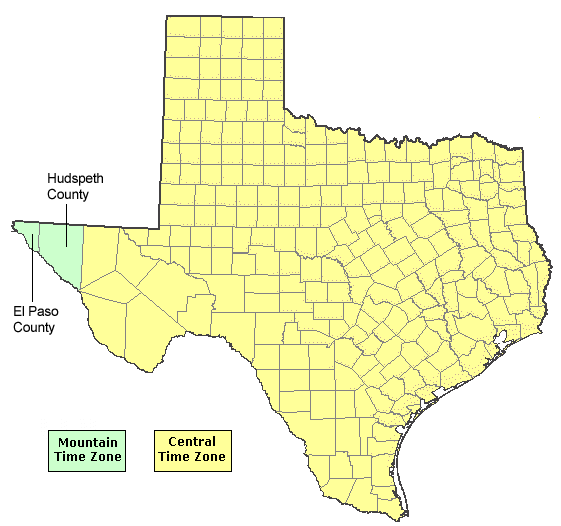
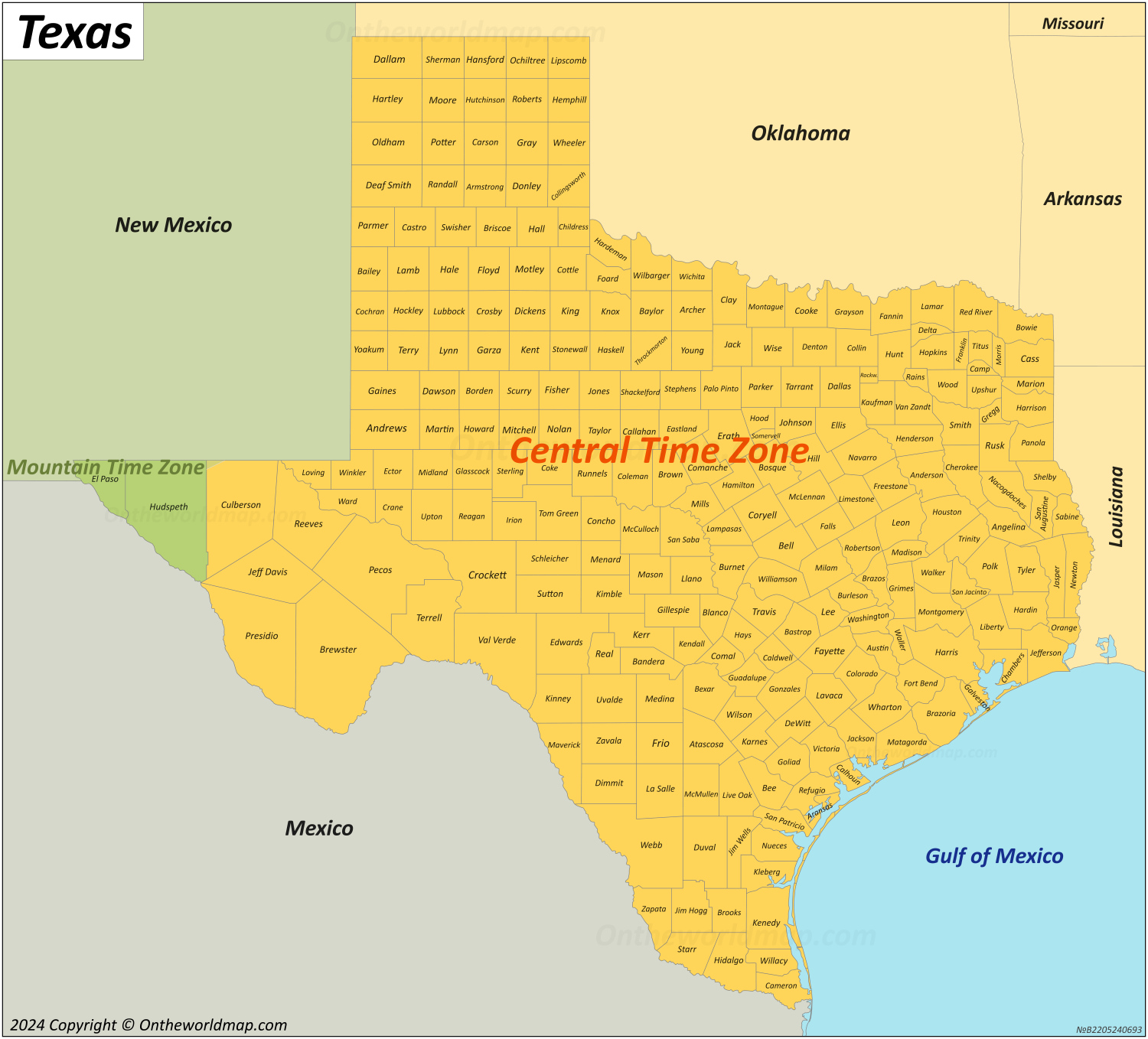
The capital city of Texas, Austin, observes the Central Time Zone (CT). This means that during standard time, it aligns with Coordinated Universal Time (UTC) minus six hours (UTC-6). However, like much of the United States, Austin also participates in Daylight Saving Time (DST), which shifts the clock forward by one hour during the warmer months. This seasonal adjustment transforms Central Standard Time (CST) into Central Daylight Time (CDT), making it UTC-5. This dynamic requires a bit of foresight from visitors, especially those arriving from time zones further east or west. Whether you’re coming for the famous South by Southwest (SXSW) festival, a business conference, or a leisurely exploration of Texas’ unique culture, knowing the exact time in Austin will ensure your trip runs smoothly from the moment you land.
Understanding Austin’s Time Zone: CST and CDT
The Central Time Zone encompasses a significant portion of the United States, extending from the Gulf Coast up through the Midwestern United States, and also includes parts of Canada and Mexico. For Austin, its position within this zone means that during the standard months, it is on Central Standard Time (CST), which is UTC-6. This applies roughly from early November to mid-March. When the clocks ‘spring forward’ for Daylight Saving Time, Austin switches to Central Daylight Time (CDT), operating at UTC-5. This period typically runs from mid-March to early November, maximizing daylight hours in the evening.
The geographical reach of the Central Time Zone means that when it’s noon in Austin, it’s 1 PM Eastern Time, 11 AM Mountain Time, and 10 AM Pacific Time. This difference is particularly important for business travelers and those coordinating with colleagues or family across the country. States like Louisiana, Arkansas, Oklahoma, Missouri, Iowa, Minnesota, Wisconsin, and Illinois, among others, share this time zone with Austin. For those traveling internationally, being aware of this UTC offset is vital for avoiding jet lag and ensuring smooth transitions.

The Rhythms of Daylight Saving Time
Daylight Saving Time (DST) is a cyclical change that can sometimes catch unprepared travelers off guard. In Austin, the shift to CDT typically occurs on the second Sunday in March, when clocks move forward by one hour at 2:00 AM local time. The return to CST happens on the first Sunday in November, when clocks fall back one hour, again at 2:00 AM. This change directly impacts travel itineraries, particularly for flights arriving or departing around these dates. An overnight flight might seem shorter or longer than expected if it crosses the DST threshold.
For visitors planning activities and experiences in Austin, the change has both practical and recreational implications. During DST, the later sunsets allow for more extended evening outdoor activities, such as kayaking on Lady Bird Lake, enjoying outdoor dining, or catching the famous bat exodus from the Congress Avenue Bridge at dusk. This extended daylight aligns perfectly with Austin’s vibrant nightlife and outdoor culture. Conversely, during CST months, shorter daylight hours mean planning early morning activities or adjusting evening plans to account for earlier darkness. Awareness of these shifts ensures you make the most of your time in the city, whether you’re exploring historic landmarks or indulging in local cuisine.
Planning Your Arrival: Time Zone Considerations for Travelers
Effective travel planning to Austin extends beyond booking flights and accommodation; it involves understanding the nuances of the time zone. Jet lag, a common affliction for those crossing multiple time zones, can impact your initial days in the city. Arriving from the Eastern Time Zone (ET), for instance, means gaining an hour, which can often be an easier adjustment. However, coming from Pacific Time (PT) means losing two hours, which might require a day or two to fully acclimate. To minimize the effects of jet lag, consider adjusting your sleep schedule gradually a few days before your trip. Hydration, exposure to natural light, and avoiding heavy meals or excessive caffeine on arrival can also help your body adjust to Austin’s rhythm.
For business travelers, scheduling meetings with clients or colleagues outside the Central Time Zone requires careful attention to avoid conflicts. Always confirm meeting times in the local time zone of all participants. Similarly, for those flying, double-checking departure and arrival times, especially around the DST changeover, is paramount. Many online tools and apps automatically adjust for time zones, but a manual confirmation can prevent missed connections or appointments. By integrating time zone awareness into your pre-trip preparations, you ensure a smoother, more enjoyable, and punctual experience in the Live Music Capital of the World.
Beyond the Clock: Exploring Austin’s Vibrant Culture and Attractions
While understanding Austin’s time zone is practical, the real magic of the city lies in its unique culture, diverse attractions, and unparalleled experiences. Austin is renowned for its “Keep Austin Weird” ethos, a testament to its independent spirit, thriving arts scene, and laid-back yet innovative lifestyle. From live music venues on Sixth Street to serene natural escapes, the city offers a wealth of activities catering to every interest, solidifying its reputation as a top travel destination.
The city’s appeal as a tourism hub is multi-faceted. It perfectly blends urban sophistication with natural beauty, offering outdoor adventures within minutes of downtown. Its dynamic local culture is expressed through its street art, quirky boutiques on South Congress Avenue, and a palpable sense of community. Foodies will revel in the diverse culinary landscape, while history buffs can explore significant landmarks. Austin’s unique blend makes it a compelling destination for solo adventurers, families, couples, and business travelers alike, promising memorable experiences that extend far beyond typical tourist traps.
Iconic Landmarks and Must-Visit Spots
Austin boasts a collection of landmarks that reflect its history, natural beauty, and distinctive character. The majestic Texas State Capitol stands as a testament to the state’s rich past and impressive architecture, offering guided tours that delve into its legislative history. Just a short walk away, the Congress Avenue Bridge becomes a spectacle at dusk, as North America’s largest urban bat colony emerges to feed, drawing thousands of onlookers. This natural phenomenon is a truly unique Austin experience.
For outdoor enthusiasts, Zilker Park is an expansive green oasis perfect for picnics, sports, and relaxing. Within Zilker Park lies Barton Springs Pool, a spring-fed natural swimming pool maintaining a refreshing 68-70 degrees Fahrenheit year-round, ideal for escaping the Texas heat. The scenic Lady Bird Lake (formerly Town Lake) offers opportunities for kayaking, paddleboarding, and walking/biking along its extensive trail system. For panoramic views of the cityscape, a hike up Mount Bonnell is rewarded with breathtaking vistas, particularly stunning at sunrise or sunset. These landmarks, among others, contribute to Austin’s allure, inviting visitors to delve into its natural and historical charm.
A Culinary Journey Through the Live Music Capital
Austin’s reputation as a culinary hotspot is almost as strong as its music scene. The city is a paradise for foodies, offering everything from world-renowned barbecue to innovative farm-to-table restaurants and an incredible array of food trucks. No visit to Austin is complete without sampling authentic Texas barbecue. Iconic establishments like Franklin Barbecue attract lines for hours, a testament to their legendary smoked meats. Beyond the city limits, Salt Lick BBQ offers a rustic, family-style dining experience that’s equally unforgettable.
Beyond barbecue, Austin’s food truck scene is a vibrant ecosystem of culinary innovation, offering diverse cuisines from around the globe. Tacos are a local staple, available from casual roadside stands to gourmet eateries. The city also embraces a strong farm-to-table movement, with numerous restaurants sourcing fresh, local ingredients. Vegetarian and vegan options are abundant, reflecting Austin’s progressive food culture. From upscale dining experiences to casual eats, Austin’s food landscape promises a delectable journey for every palate, perfectly complementing a day of exploring or a night out enjoying live music.
Where to Stay: Accommodation Options in Austin
Finding the perfect accommodation is key to a memorable trip, and Austin offers a spectrum of choices to suit every budget, travel style, and preference. From luxurious resorts and boutique hotels to extended-stay apartments and cozy vacation rentals, the city’s hospitality sector is robust and diverse. The right choice often depends on the purpose of your visit, whether it’s for business, a family vacation, a romantic getaway, or a budget-conscious adventure.
The booking process for accommodations in Austin is straightforward, with numerous online platforms providing reviews, comparisons, and booking functionalities. It’s advisable to book well in advance, especially during peak seasons like SXSW or the Austin City Limits Music Festival, when demand is high and prices can surge. Checking reviews and comparing amenities across different properties can help travelers make informed decisions, ensuring their stay is as comfortable and convenient as possible.
From Luxury Resorts to Boutique Stays
Austin’s luxury hotel scene caters to those seeking opulent experiences and top-tier amenities. Properties like The Driskill, a historic landmark hotel, offer timeless elegance in the heart of downtown. Modern luxury can be found at establishments such as the JW Marriott Austin or the Fairmont Austin, which boast rooftop pools, acclaimed restaurants, and prime locations near major attractions. These resorts often come with extensive facilities, including spas, fitness centers, and concierge services, ensuring a lavish and pampered stay.
For travelers who prefer a more unique and personalized experience, Austin’s boutique hotels are an excellent choice. Hotels like Hotel San José on South Congress Avenue offer distinctive design, intimate atmospheres, and a deep connection to the local culture. These properties often feature bespoke amenities, local artwork, and a more personalized service approach, appealing to those who seek charm and character over generic hotel chains. Beyond traditional hotels, Austin also has a growing number of serviced apartments and villas, providing more space and home-like comforts, ideal for long-term stays or family trips.
Choosing the Right Neighborhood for Your Trip
Austin’s diverse neighborhoods each offer a distinct vibe and proximity to different attractions, making the choice of where to stay an important part of trip planning. Downtown Austin is ideal for business travelers and those wanting to be in the thick of the action, with easy access to the Texas State Capitol, Sixth Street nightlife, and numerous restaurants. Accommodation here ranges from high-rise hotels to luxury apartments.
South Congress (SoCo) is known for its quirky boutiques, vibrant street art, live music venues, and trendy eateries. It’s perfect for visitors looking for a more bohemian and distinctly “Keep Austin Weird” experience. Here, you’ll find boutique hotels, charming guesthouses, and vacation rentals. East Austin has emerged as a hub for creativity, with an eclectic mix of art galleries, innovative restaurants, and live music venues often housed in renovated industrial spaces. It offers a more local, edgy feel, with a variety of independent hotels and vacation rentals. For those seeking outdoor activities and a relaxed atmosphere, areas near Zilker Park or Lady Bird Lake provide easy access to green spaces and trails. Families might prefer neighborhoods with more residential charm and amenities, while budget travelers can find more affordable options slightly outside the core tourist areas.
Maximizing Your Austin Experience: Travel Tips and Lifestyle Choices
To truly maximize your experience in Austin, it’s beneficial to embrace the local lifestyle and utilize smart travel tips. Given Austin’s sprawling nature, transportation can be a key consideration. While downtown is walkable, exploring other neighborhoods often requires a car, ride-sharing services, or public transport. Austin is also very bike-friendly, with numerous trails and rental options, providing a healthy and scenic way to get around.
For those interested in local culture, checking event calendars for festivals, farmers’ markets, and free concerts is highly recommended. Austin constantly hosts events, ranging from major music festivals like SXSW and Austin City Limits Music Festival to smaller community gatherings. Budget travelers can take advantage of free attractions like swimming at Barton Springs Pool (after 9 PM), hiking Mount Bonnell, or exploring the vibrant murals and street art. Luxury travelers can indulge in high-end dining, spa treatments at their resort, or exclusive concert experiences. Family trips can be enriched by visits to museums, parks, and interactive attractions. Whether your travel style leans towards luxury, budget, family-focused, or business-oriented, Austin provides ample opportunities to tailor your journey, ensuring a rich and fulfilling visit, all within the dynamic rhythm of the Central Time Zone.
LifeOutOfTheBox is a participant in the Amazon Services LLC Associates Program, an affiliate advertising program designed to provide a means for sites to earn advertising fees by advertising and linking to Amazon.com. Amazon, the Amazon logo, AmazonSupply, and the AmazonSupply logo are trademarks of Amazon.com, Inc. or its affiliates. As an Amazon Associate we earn affiliate commissions from qualifying purchases.