
Planning a trip, making business calls, or simply curious about the temporal landscape of the United States? When it comes to Nebraska, the answer to “What is the time zone?” isn’t as straightforward as one might assume for many states. This fascinating heartland state actually straddles two distinct time zones, a detail that is crucial for travelers, event planners, and anyone needing to coordinate activities across its expansive and diverse geography. Understanding this dual time zone system is key to a seamless experience, whether you’re exploring bustling cities, historic landmarks, or tranquil natural landscapes.
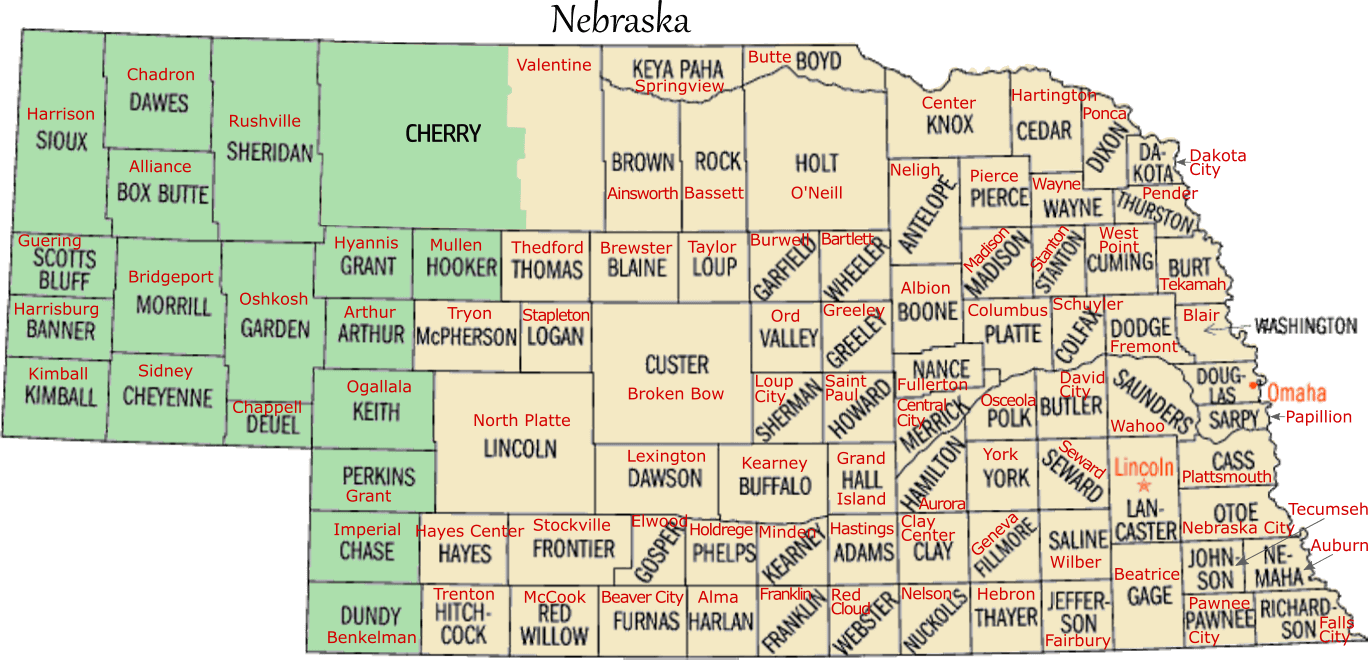
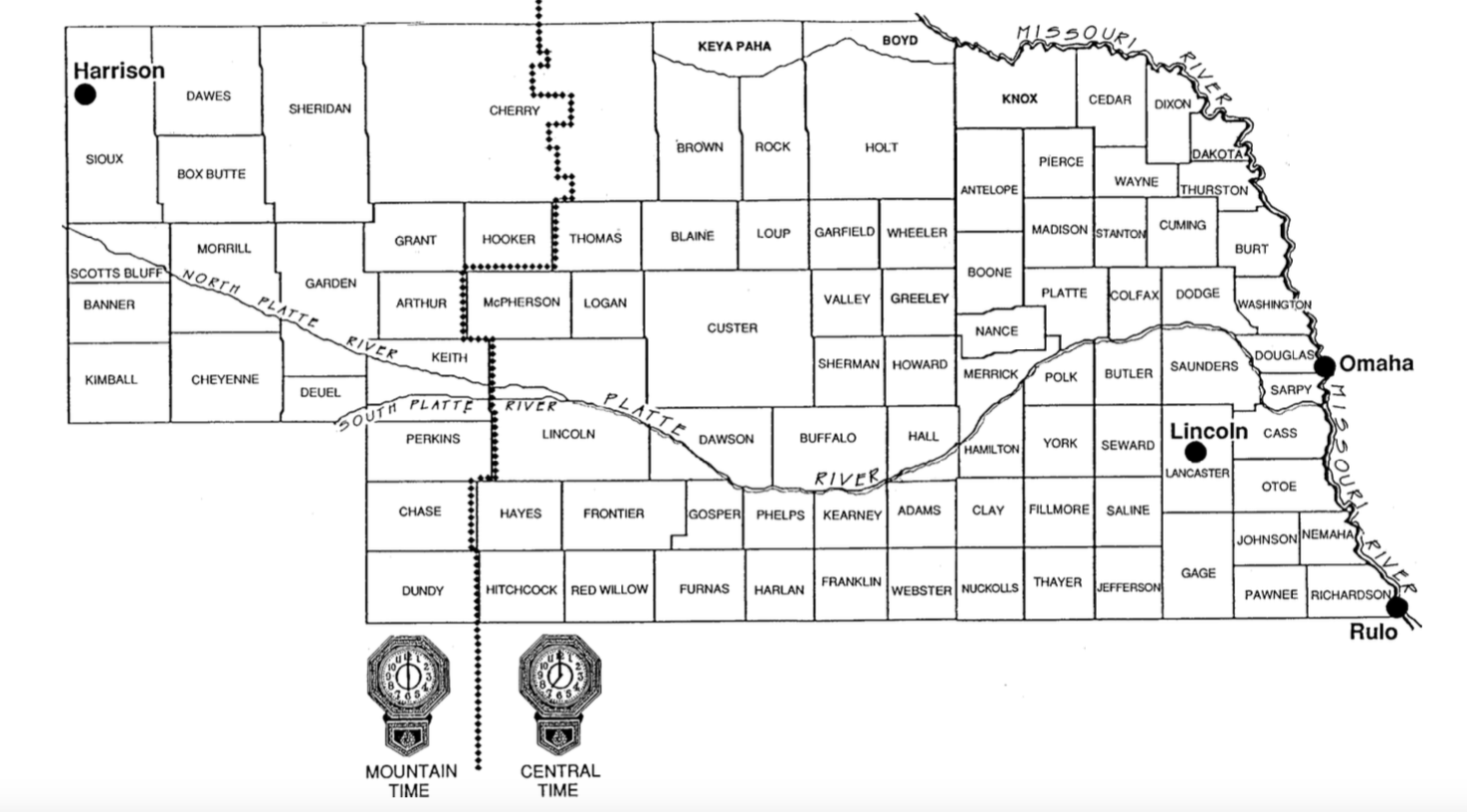
Nebraska is primarily located within the Central Time Zone (CT), which observes a UTC offset of -06:00. However, a significant portion of its western counties operates on Mountain Time (MT), with a UTC offset of -07:00. This division, established by the Department of Transportation, ensures practical alignment with neighboring states and regions, optimizing everything from transportation schedules to daily commerce. For those venturing through the Cornhusker State, being aware of where the time zone line falls is not just a trivial fact; it’s a practical necessity that can influence everything from catching a flight to arriving on time for a dinner reservation or an exciting tour.
This article will delve into the specifics of Nebraska’s time zones, offering comprehensive insights into which areas adhere to which standard, how Daylight Saving Time affects the state, and practical tips for travelers to navigate these temporal nuances effortlessly. From booking accommodations to planning your itinerary around various attractions and experiences, mastering the time zones will ensure your Nebraska adventure is nothing short of perfectly timed.
Understanding Nebraska’s Dual Time Zones
Nebraska’s unique position spanning two time zones is a geographical and administrative peculiarity that defines its temporal rhythm. The vast majority of the state, including its most populous areas and eastern and central regions, observes Central Time (CT). This includes major cities like Omaha, Lincoln, Grand Island, and Kearney. These areas are synchronized with states to their east and south, such as Iowa, Missouri, and most of Kansas.
The transition to Mountain Time occurs in the westernmost counties. Specifically, 20 counties in the panhandle and southwestern Nebraska observe Mountain Time. These include Arthur, Banner, Box Butte, Chase, Cheyenne, Dawes, Deuel, Dundy, Garden, Grant, Kimball, Morrill, Perkins, Red Willow, Scotts Bluff, Sheridan, Sioux, and Thomas counties, along with portions of Hooker and McPherson counties. Major towns in this western zone include Scottsbluff, Chadron, and North Platte (though North Platte is mostly CT, its immediate west is MT). This arrangement ensures that these communities align more closely with neighboring states like Colorado, Wyoming, and South Dakota, fostering seamless regional interaction and economic activity.
Daylight Saving Time in Nebraska
Like most of the United States, Nebraska observes Daylight Saving Time (DST). This means that on the second Sunday in March, clocks “spring forward” by one hour, and on the first Sunday in November, they “fall back” by one hour.
- During DST, Central Time becomes Central Daylight Time (CDT), with a UTC offset of -05:00.
- Similarly, Mountain Time becomes Mountain Daylight Time (MDT), with a UTC offset of -06:00.
This annual adjustment means that regardless of which time zone a specific part of Nebraska is in, the time difference between the two zones consistently remains one hour. For example, if it’s 10:00 AM CDT in Omaha, it will be 9:00 AM MDT in Scottsbluff. This consistency helps simplify planning, but travelers must still be vigilant about the hour difference.
Navigating Time Zones as a Traveler in Nebraska
For travelers, understanding Nebraska’s dual time zone system is more than just academic knowledge; it’s a practical tool for ensuring a smooth and enjoyable trip. From coordinating flight arrivals to making sure you don’t miss that reservation at a top restaurant, time zone awareness is paramount.
Practical Implications for Your Journey
- Flight Schedules: If you’re flying into Omaha Eppley Airfield (Omaha, CT) and then driving to Scottsbluff (MT), remember that your arrival time in Scottsbluff will effectively be an hour earlier than your departure time plus driving duration. Conversely, if you’re flying out of Denver International Airport (MT) for a connection in Omaha (CT), factor in the hour lost when crossing into Central Time.
- Hotel Bookings and Check-ins: Confirming your check-in and check-out times with hotels, whether it’s a luxury suite in Lincoln or a cozy inn in the panhandle, is crucial. A booking for 3:00 PM in Scottsbluff is 4:00 PM to someone in Omaha, so ensure all parties are on the same page regarding the local time of the accommodation.
- Attraction Opening Hours: Major attractions, museums, and natural sites will operate on their respective local times. For instance, the famous Henry Doorly Zoo and Aquarium in Omaha will be on Central Time, while the majestic Chimney Rock National Historic Site in western Nebraska will be on Mountain Time. Always double-check their hours of operation based on the local time zone of the attraction.
- Meeting Friends and Family: If you’re coordinating with people in different parts of Nebraska, specify the time zone. “Meet me at 6 PM CT” or “Meet me at 6 PM MT” avoids any confusion and ensures everyone arrives punctually.
- Business Stays: For those on business trips, scheduling virtual meetings or client appointments across the state necessitates precise time zone awareness to prevent missed calls or awkward delays.

Tips for Seamless Time Zone Transitions
- Use Reliable Technology: Your smartphone or smartwatch will automatically update its time zone based on your location. Ensure this feature is enabled. However, it’s still wise to manually confirm, especially if you’re near the time zone border.
- Confirm All Bookings: When booking hotels, tours, or transportation online or over the phone, always confirm the time zone for the listed schedule. Many booking platforms will specify “local time,” but a quick double-check never hurts.
- Consult a Map: Before a long drive across the state, consult a detailed map or a time zone app that clearly delineates the time zone boundary. This will help you anticipate when to adjust your internal clock.
- Allow Buffer Time: If your itinerary involves crossing the time zone line, especially for critical appointments, build in a buffer of at least an hour. This extra time can account for any unforeseen delays or simple miscalculations.
- Communicate Clearly: When discussing plans with others, explicitly state the time zone. For example, “Let’s meet at 2 PM Central Time” or “Our reservation is for 7 PM Mountain Time.”
Exploring Nebraska: Beyond the Time Zones
While understanding time zones is crucial, it’s just one facet of planning an incredible trip to Nebraska. This state offers a surprising array of destinations, attractions, and experiences that cater to various travel styles, from luxury getaways to budget-friendly family trips.
Iconic Landmarks and Attractions
Nebraska is rich in history, natural beauty, and unique attractions, many of which are significant landmarks that draw visitors from around the globe.
- In Central Time (Eastern and Central Nebraska):
- The Henry Doorly Zoo and Aquarium in Omaha is consistently ranked among the world’s best, boasting incredible exhibits like the Desert Dome and Lied Jungle.
- Lincoln’s majestic State Capitol Building, a truly unique architectural masterpiece, offers stunning views and a glimpse into state governance.
- The historic Old Market district in Omaha provides charming cobblestone streets, boutique shops, art galleries, and diverse dining options.
- Near Ashland, the Strategic Air Command & Aerospace Museum showcases an impressive collection of aircraft and artifacts, celebrating aviation history.
- Indian Cave State Park, located along the Missouri River, offers stunning bluffs, hiking trails, and ancient petroglyphs.
- In Mountain Time (Western Nebraska):
- The iconic Chimney Rock National Historic Site stands as a prominent natural landmark for pioneers on the Oregon Trail, offering a tangible link to America’s westward expansion.
- Nearby, Scotts Bluff National Monument provides breathtaking panoramic views and a chance to hike trails once traversed by emigrants, offering insights into the harsh realities of their journey.
- For something truly quirky and artistic, Carhenge near Alliance is a must-see, a playful and thought-provoking replica of Stonehenge made entirely from vintage automobiles.
- The Agate Fossil Beds National Monument in northwestern Nebraska preserves a rich deposit of Miocene mammal fossils, offering a window into prehistoric life.
Accommodation and Hospitality
Nebraska’s hospitality sector is well-equipped to welcome all types of travelers. Whether you’re seeking a luxurious resort experience, a comfortable hotel suite, or a charming boutique apartment, you’ll find diverse options across the state. In Omaha and Lincoln, you can find upscale hotels like the Hyatt Place Omaha Downtown or the stylish Graduate Lincoln, offering modern amenities, fine dining, and excellent service. Boutique hotels, such as The Kimpton Cottonwood Hotel in Omaha, provide unique charm and personalized experiences, often highlighting local culture and design. For those exploring the western part of the state, many smaller towns offer comfortable, family-run hotels and motels, perfect for a restful night after a day of exploring national monuments and scenic vistas. When booking, always double-check the local time for check-in and check-out, especially if you’re traveling across the time zone line. Reviews and comparisons on platforms like lifeoutofthebox.com can help you find the perfect stay for your preferences and budget.
Culinary Delights and Local Culture
Nebraska’s culinary scene is hearty and authentic, famous for its beef, but offering much more. No visit is complete without trying a Nebraska steak. Beyond that, the state is home to unique local specialties like the Runza sandwich – a dough pocket filled with ground beef, cabbage or sauerkraut, and onions. Exploring the local food scene is an integral part of understanding the culture, whether it’s through farmers’ markets, local diners, or upscale restaurants. Many cities host food festivals, craft beer tastings, and cultural events throughout the year. When planning to attend any of these, again, confirm event timings relative to the local time zone. Engaging with the local culture, whether through music, art, or cuisine, provides an enriching experience that truly defines a trip to Nebraska.
Planning Your Nebraska Adventure: Practical Tips
To ensure your Nebraska journey is as enjoyable and stress-free as possible, consider these practical tips, integrating the awareness of its time zones into your overall travel strategy.
- Best Time to Visit: Nebraska experiences four distinct seasons. Spring and fall offer mild weather, ideal for exploring outdoor attractions and historical sites without the extreme heat of summer or the cold of winter. Summer is popular for family trips and water activities on the Platte River or Niobrara River, while winter offers opportunities for cozy indoor activities and smaller crowds. Be mindful of Daylight Saving Time changes during spring and fall transitions.
- Transportation: While flying into major hubs like Omaha Eppley Airfield is convenient, Nebraska is largely a state best explored by car. Renting a vehicle gives you the freedom to traverse its scenic byways and easily cross the time zone divide. Plan your driving routes with rest stops and potential time changes in mind.
- Budgeting and Lifestyle: Nebraska offers a range of options for every lifestyle. From luxurious stays in urban centers with gourmet dining to budget-friendly camping and charming roadside motels, you can tailor your trip to your financial comfort. Family trips can leverage the state’s many parks and interactive museums, while business stays can benefit from modern conference facilities and convenient hotels.
- Connectivity: In today’s digital age, staying connected is easy. Most hotels and major attractions offer Wi-Fi, and cellular coverage is generally good across populated areas. Utilize time zone apps, online maps, and travel guides on your devices to stay updated and informed throughout your journey.
- Always Re-confirm: The golden rule of travel, especially when dealing with time zones, is to always re-confirm. Whether it’s the opening hours of a museum, the departure time of a tour, or a restaurant reservation, a quick call or check of the website ensures there are no surprises.
In conclusion, while the question “What is the time zone for Nebraska?” might seem simple, the answer reveals a fascinating geographical and logistical reality. Nebraska’s split between Central Time and Mountain Time, coupled with the observance of Daylight Saving Time, adds a unique layer to travel planning. By arming yourself with this knowledge and following these practical tips, you can confidently navigate the state’s temporal landscape. This awareness will not only prevent potential headaches but also enhance your overall travel experience, allowing you to focus on the rich history, vibrant culture, and stunning natural beauty that Nebraska so generously offers. So, set your clocks, check your maps, and prepare for an unforgettable adventure in the heart of America.
LifeOutOfTheBox is a participant in the Amazon Services LLC Associates Program, an affiliate advertising program designed to provide a means for sites to earn advertising fees by advertising and linking to Amazon.com. Amazon, the Amazon logo, AmazonSupply, and the AmazonSupply logo are trademarks of Amazon.com, Inc. or its affiliates. As an Amazon Associate we earn affiliate commissions from qualifying purchases.