
Planning a trip to the Silver State? Whether you’re heading to the dazzling lights of Las Vegas, the natural beauty of Lake Tahoe, or exploring the vast desert landscapes, understanding Nevada’s time zone is a crucial detail for any traveler. The majority of Nevada observes the Pacific Time Zone, which means it follows Pacific Standard Time (PST) during the winter months and switches to Pacific Daylight Time (PDT) in the warmer seasons. This places the state three hours behind the Eastern Standard Time (EST) zone and one hour behind Mountain Standard Time (MST). However, like many states spanning vast geographical areas, Nevada has a couple of unique exceptions that travelers should be aware of. This comprehensive guide will delve into the nuances of Nevada’s time zones, explore the implications for your travel plans, and offer essential tips for a seamless experience, integrating aspects of travel, accommodation, and the overall lifestyle of exploring this vibrant state.
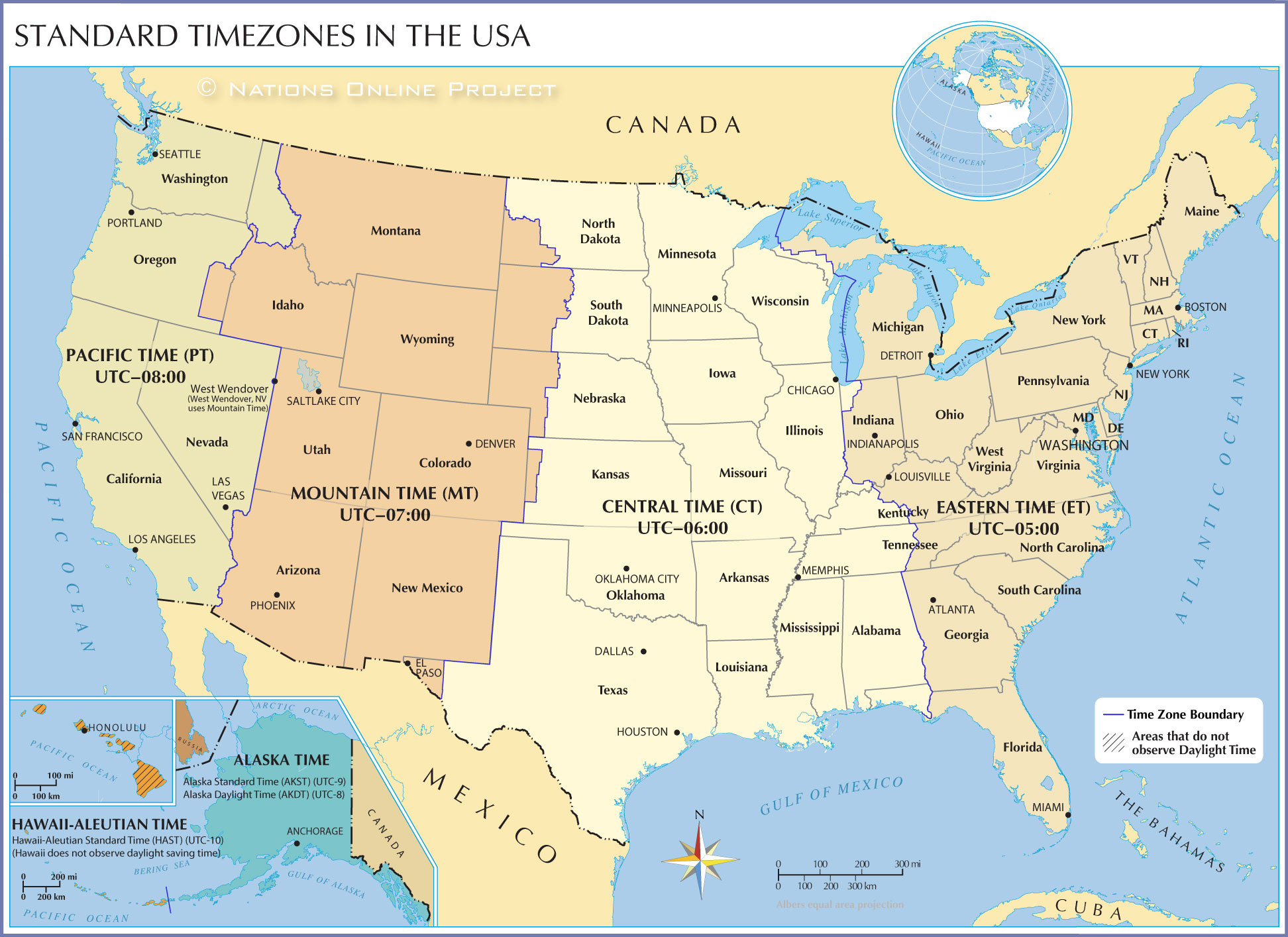
Navigating Nevada’s Primary Time Zone: Pacific Time
For most visitors and residents, when you think of time in Nevada, you’re thinking of Pacific Time. This encompasses major population centers and popular tourist destinations like Las Vegas, Reno, Carson City, and the Nevada side of Lake Tahoe.
Pacific Standard Time (PST)
Pacific Standard Time (PST) is observed during the fall and winter months. It is defined as UTC-8, meaning it is eight hours behind Coordinated Universal Time. During this period, if it’s 3:00 PM in New York (EST), it will be 12:00 PM in Las Vegas. This consistent difference is vital for anyone planning to communicate with individuals or businesses on the East Coast of the United States or even across different parts of the country. For business travelers, this time difference can impact meeting schedules and deadlines, requiring careful coordination. Families planning calls with relatives on the other side of the nation will also need to factor in this three-hour shift.
Pacific Daylight Time (PDT) and Daylight Saving Time
Come spring, most of Nevada springs forward into Pacific Daylight Time (PDT). This annual tradition, known as Daylight Saving Time, typically occurs on the second Sunday in March when clocks advance by one hour. PDT is UTC-7, making it seven hours behind Coordinated Universal Time. This shift means that the three-hour difference with EST remains constant, as most of the United States also observes Daylight Saving Time. The purpose of this change is to make better use of daylight, shifting an hour of daylight from the morning to the evening. For tourists, this often translates to longer evenings for exploring attractions, dining al fresco, or enjoying outdoor activities.
For example, when planning a visit to the Hoover Dam or a show on the Las Vegas Strip, knowing whether it’s PST or PDT will affect how much daylight you have. Accommodation bookings, tour schedules, and restaurant reservations will all operate on the current local time, so it’s essential to confirm the time zone for the specific dates of your travel. Major hotel chains like MGM Resorts International and Caesars Entertainment that dominate the Las Vegas hospitality scene will always reflect local time in their operations, from check-in to spa appointments.
The Exceptions: Nevada’s Mountain Time Zone Enclaves
While the vast majority of Nevada adheres to Pacific Time, there are two notable exceptions in the eastern part of the state that observe the Mountain Time Zone (MST/MDT). These areas are primarily influenced by their proximity to neighboring states that are firmly in Mountain Time.
West Wendover: A Unique Border Town
The most prominent exception is the city of West Wendover, located directly on the border with Utah. To maintain consistency with its larger twin city, Wendover, Utah, and the majority of its economic and social connections, West Wendover observes Mountain Standard Time (MST) and Mountain Daylight Time (MDT). This means that during Daylight Saving Time, West Wendover is one hour ahead of Las Vegas. If you’re driving through or planning to visit this area, it’s crucial to adjust your watch to avoid missing reservations or appointments. This cross-border dynamic is a fascinating aspect of travel in the United States, showcasing how geographical and economic ties can influence time zone decisions, sometimes even overriding state-level uniformity.
Jackpot and Northern Elko County: Following Idaho’s Lead
Another small but significant exception lies in northern Elko County, specifically the town of Jackpot and a few small communities like Mountain City and Owyhee, near the Idaho border. These communities also observe Mountain Time, largely due to their close economic and social ties with southern Idaho, which is in the Mountain Time Zone. Travelers venturing into these remote areas should be mindful of this change. It’s a prime example of how local economies and community integration can dictate practical time zone adherence, prioritizing convenience for residents and businesses over strict state lines. For those exploring Nevada’s less-traveled paths, an awareness of these localized time shifts is key to a smooth journey.
Time Zones and Your Nevada Travel Experience
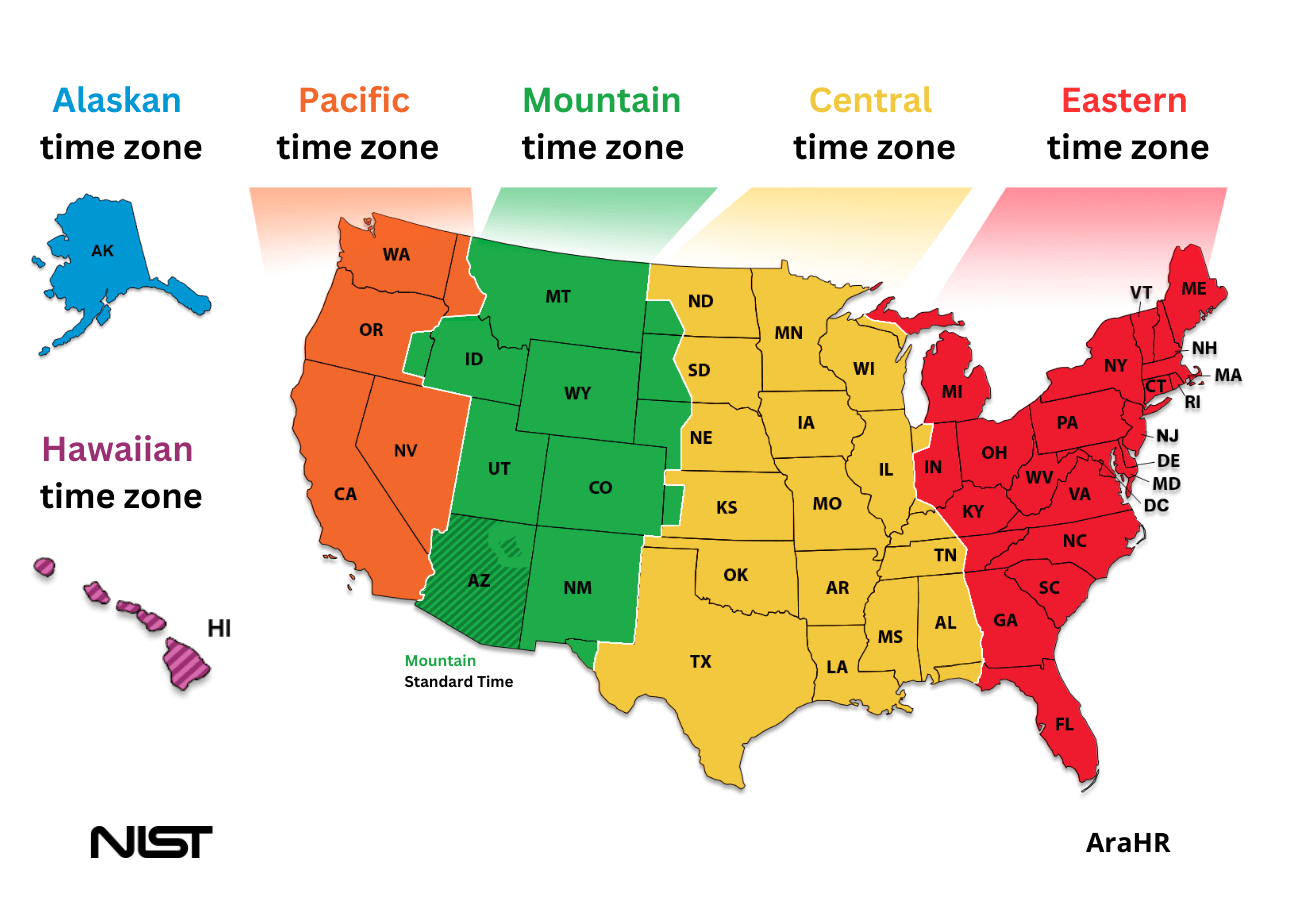
Understanding Nevada’s time zones is more than just a trivial detail; it significantly impacts various aspects of your travel, from booking flights and hotels to planning your daily itinerary and staying connected with home.
Planning and Booking: Timing is Everything
When booking flights into McCarran International Airport (now Harry Reid International Airport) in Las Vegas or Reno-Tahoe International Airport, all flight times will be listed in local Pacific Time. If you’re arriving from an Eastern Time Zone city like New York or Miami, remember you’ll effectively “gain” three hours on your outbound journey, making arrival feel earlier. Conversely, your return flight will feel three hours shorter as you “lose” time. This time shift can sometimes lead to what is commonly known as jet lag, a temporary sleep disorder that can affect travelers crossing multiple time zones. Hydration, strategic napping, and gradually adjusting your sleep schedule before departure can mitigate these effects.
Accommodation bookings are also tied to local time. Check-in and check-out times for hotels, resorts, suites, or apartments will always be in Nevada’s local time. If you’re arriving early morning from an overnight flight, consider booking an extra night or arranging for an early check-in, as a 10:00 AM arrival from the East Coast will feel like 1:00 PM to your body. Websites offering accommodation comparison or booking tools, such as those found under our “Accommodation” section, inherently display times based on the property’s local setting, so always confirm.
Experiencing Local Culture and Attractions
Nevada’s diverse range of attractions, from world-class shows on the Strip to outdoor adventures in its numerous state parks, all operate on local time. Showtimes for headliners, opening hours for museums like the Neon Museum or the Mob Museum, and schedules for guided tours will align with Pacific Time (or Mountain Time in the exceptions). When planning your itinerary, especially if you have tightly packed schedules, it’s beneficial to set your devices to automatically update to local time upon arrival. This small step can prevent confusion and ensure you don’t miss that coveted dinner reservation or once-in-a-lifetime experience.
For those interested in the local food scene, restaurant operating hours, happy hour specials, and even food tours will be precisely calibrated to the local clock. Understanding the time difference can also help you plan calls back home, ensuring you don’t call loved ones too early or too late. This integration into the local rhythm is part of immersing yourself in the destination, a key aspect of any fulfilling tourism experience.
Business and Lifestyle Considerations
For business travelers, the time zone directly impacts communication and productivity. Scheduling virtual meetings with colleagues in different time zones requires careful calculation. For example, a 9:00 AM meeting in New York would be at 6:00 AM in Las Vegas. This might mean early starts or late finishes, depending on the direction of your communication. Furthermore, bank hours, post office schedules, and other essential services will strictly adhere to the local time, which is important for any practical errands during your stay.
From a lifestyle perspective, adjusting to a new time zone is about more than just changing your watch. It’s about adapting your internal clock to fully enjoy your travel experience. Whether it’s embracing the vibrant nightlife that stretches into the early hours in Las Vegas or catching a sunrise hike near Red Rock Canyon, being in sync with local time allows for a more natural flow and appreciation of the destination. Budget travelers and luxury travelers alike benefit from this awareness, as it impacts everything from early bird specials to spa treatment timings.
Practical Tips for Managing Time Zones in Nevada
To ensure a smooth and enjoyable trip, keep these practical tips in mind when traveling to and through Nevada:
- Set Your Devices to Automatic Time Update: Most smartphones and smartwatches can automatically detect and adjust to the local time zone when you arrive. Ensure this feature is enabled to avoid manual errors. This is particularly useful when crossing into the small Mountain Time Zone areas.
- Confirm All Reservations: Double-check flight, hotel, tour, and restaurant reservations, especially if you’ve made them far in advance or from a different time zone. Most confirmation emails will state the time zone of the booking, but a quick review never hurts.
- Be Mindful of Inter-State Travel: If you’re planning a road trip that crosses into neighboring states like California or Arizona, remember that while California is on Pacific Time (like most of Nevada), Arizona observes Mountain Standard Time year-round and does not observe Daylight Saving Time. This means for half the year, Arizona is the same time as Nevada (during PDT), and for the other half, it’s an hour ahead (during PST). This can be a common point of confusion for travelers driving between Las Vegas and places like Grand Canyon National Park.
- Communicate Clearly: When coordinating with people in different time zones, always state the time zone you are referring to (e.g., “Let’s meet at 2:00 PM PST” or “5:00 PM EST”). This eliminates ambiguity and potential misunderstandings.
- Factor in Jet Lag: For those traveling across multiple time zones, acknowledge that jet lag can impact your initial days. Build some flexibility into your early itinerary to allow for rest and adaptation. Exposure to natural light during the day and avoiding heavy meals before bed can aid in adjusting.
- Check Daylight Saving Time Dates: While standard, the exact dates for the start and end of Daylight Saving Time can shift slightly year to year. A quick online search for “US Daylight Saving Time dates” before your trip will keep you informed.
In essence, understanding Nevada’s time zone landscape is a small but mighty piece of preparation that contributes significantly to a stress-free travel experience. From ensuring you’re on time for your Fremont Street Experience show to confidently navigating business appointments, being aware of the local time is paramount.

Conclusion
Nevada’s time zone is predominantly the Pacific Time Zone, moving between Pacific Standard Time (UTC-8) and Pacific Daylight Time (UTC-7) with the observance of Daylight Saving Time. However, the unique geographical and economic considerations lead to a couple of exceptions along its eastern borders, where West Wendover and parts of northern Elko County align with the Mountain Time Zone. For anyone embarking on a journey to the Silver State, whether for its world-renowned tourism, diverse travel destinations, or luxurious lifestyle offerings, being informed about these time variations is invaluable. By setting your devices, confirming your bookings, and being mindful of the small Mountain Time pockets, you can ensure your Nevada adventure unfolds precisely as planned, allowing you to fully immerse yourself in all the wonders this dynamic state has to offer. Safe travels, and enjoy every moment, no matter what time it is!
LifeOutOfTheBox is a participant in the Amazon Services LLC Associates Program, an affiliate advertising program designed to provide a means for sites to earn advertising fees by advertising and linking to Amazon.com. Amazon, the Amazon logo, AmazonSupply, and the AmazonSupply logo are trademarks of Amazon.com, Inc. or its affiliates. As an Amazon Associate we earn affiliate commissions from qualifying purchases.