
Embarking on a journey to the iconic metropolis of New York City is an exhilarating prospect, whether you’re planning a whirlwind sightseeing tour, a crucial business trip, or a luxurious escape. As with any significant travel undertaking, a fundamental piece of information often overlooked yet critical for seamless planning is understanding the local time zone. For New York City, USA, the answer is straightforward: it observes the Eastern Time Zone. However, this simple fact carries layers of nuance, particularly concerning Daylight Saving Time and its far-reaching implications for everything from managing jet lag to coordinating your packed itinerary of attractions and dining experiences.
Understanding New York City’s time zone isn’t merely about knowing what time it is when you arrive; it’s about optimizing your entire travel experience. From booking flights and hotel stays at luxurious accommodations like the St. Regis New York or a comfortable Hyatt Grand Central New York, to planning your visits to world-renowned landmarks such as the Empire State Building and the Metropolitan Museum of Art, being time-savvy is paramount. This article delves deep into the intricacies of the Eastern Time Zone, offering practical advice for travelers, shedding light on how time influences the city’s vibrant lifestyle, and ensuring your visit to the Big Apple is as enjoyable and stress-free as possible.
Understanding Eastern Time: EST and EDT
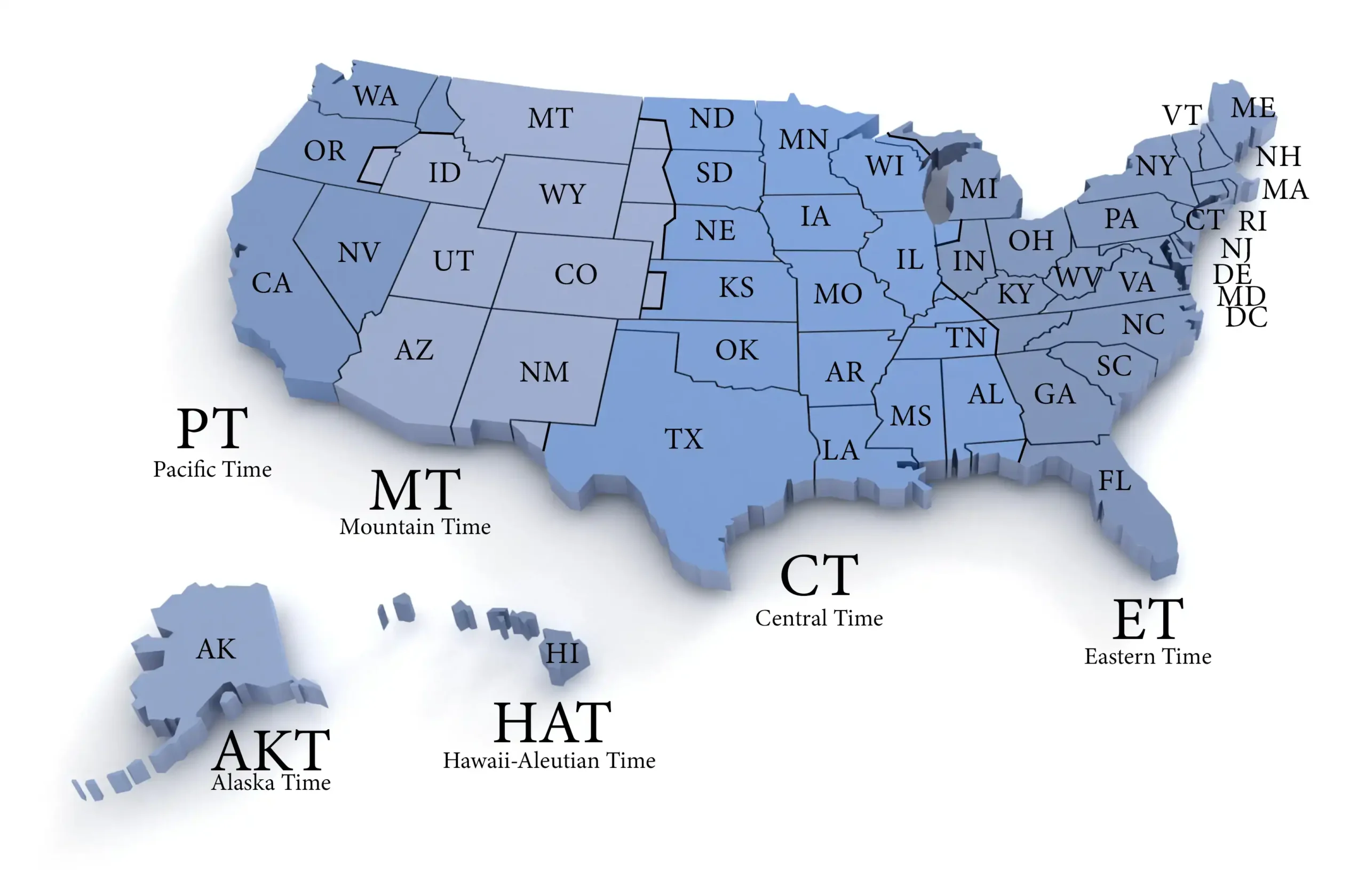
New York City operates within the Eastern Time Zone, which alternates between two distinct phases throughout the year: Eastern Standard Time (EST) and Eastern Daylight Time (EDT). This dual system is crucial for travelers to grasp, as it impacts everything from scheduling calls with family back home to catching a Broadway show.
Eastern Standard Time (EST)
During the colder months, typically from early November to mid-March, New York City observes Eastern Standard Time (EST). This time zone is five hours behind Coordinated Universal Time (UTC), often denoted as UTC-5. When it’s noon UTC, it’s 7:00 AM in New York City under EST. This is the “standard” time, reflecting the fixed offset from the global reference time. For visitors arriving during this period, particularly from regions further west in the USA like the Pacific Time Zone or from international destinations in Europe or Asia, adjusting to this five-hour difference might require some planning to combat jet lag effectively. Businesses operate on this schedule, and winter attractions like ice skating at Rockefeller Center or holiday shopping along Fifth Avenue will align with EST hours.
Eastern Daylight Time (EDT)
As spring arrives, New York City transitions to Eastern Daylight Time (EDT). This shift occurs on the second Sunday in March, when clocks “spring forward” by one hour. Consequently, EDT is four hours behind Coordinated Universal Time, or UTC-4. This means that when it’s noon UTC, it’s 8:00 AM in New York City under EDT. This change is implemented to make better use of daylight, extending evenings and providing more opportunities for outdoor activities. The shift back to EST occurs on the first Sunday in November, when clocks “fall back” by one hour. Travelers visiting during the warmer months, from March to November, will experience EDT. This extra hour of daylight in the evening is perfect for exploring Central Park, enjoying a sunset cruise past the Statue of Liberty, or lingering over an al fresco dinner in neighborhoods like Greenwich Village or SoHo. Being aware of these transitions is vital for seamless travel planning, particularly for flight arrivals and departures that might straddle the changeover dates.
Navigating Time Zones as a Traveler to New York City
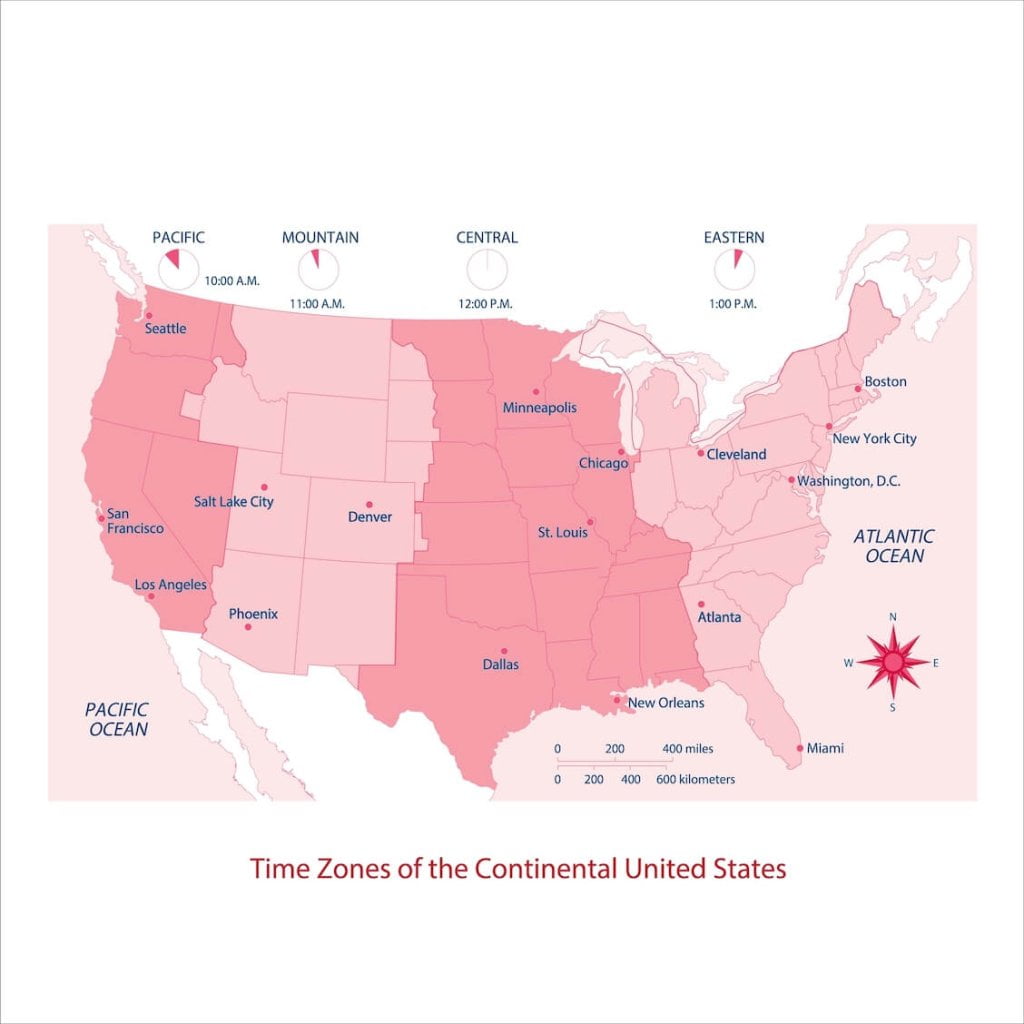
Travel to New York City, especially from distant locales, necessitates careful consideration of its time zone. Beyond simply knowing the current time, understanding how the Eastern Time Zone affects your body clock and your itinerary is key to a fulfilling trip.
Beating Jet Lag
Jet lag is the bane of many international travelers, and flying into New York City from other continents or even distant parts of the USA can certainly trigger it. The internal disruption caused by rapid travel across multiple time zones can manifest as fatigue, disorientation, disrupted sleep patterns, and even digestive issues.
For those arriving from the west (e.g., California’s Pacific Time Zone), adjusting to an earlier time might mean waking up very early initially. Conversely, travelers from Europe or Asia will be “losing” many hours, often feeling tired much earlier in the New York evening.
To minimize jet lag:
- Gradual Adjustment: A few days before your trip, try to shift your sleep schedule by an hour or two in the direction of New York’s time.
- Hydration: Drink plenty of water before, during, and after your flight. Avoid excessive caffeine and alcohol.
- Light Exposure: Upon arrival, expose yourself to natural light during the day to help reset your circadian rhythm. If arriving in the evening, try to stay awake until a reasonable bedtime in New York.
- Strategic Napping: If you must nap, keep it short (20-30 minutes) and early in the day to avoid disrupting nighttime sleep.
- Activity: Engage in light physical activity, like a walk across the Brooklyn Bridge, to boost energy and help your body acclimate.

For business travelers, managing jet lag is particularly critical to ensure peak performance for meetings and conferences. Staying at a hotel well-equipped for business, such as the New York Marriott Marquis in Times Square, allows for comfortable adjustment and efficient work.
Planning Your New York Itinerary
Effective time zone management is the cornerstone of a well-executed New York City itinerary. Every aspect of your trip, from catching a flight at JFK Airport to making reservations at a Michelin-starred restaurant, hinges on accurate timekeeping.
- Flights and Transportation: Always confirm flight times in local time for both departure and arrival. If connecting through another US city in a different time zone (e.g., Chicago in the Central Time Zone), factor in those changes for connecting flights. Public transport schedules, including the extensive MTA subway system, operate on EST/EDT.
- Attractions and Tours: Most landmarks and museums, such as the American Museum of Natural History or the 9/11 Memorial & Museum, have specific opening and closing times. During Daylight Saving Time, extended daylight hours might mean some attractions offer later entry or longer operating hours, which can be advantageous for fitting more into your day. Booking tours, especially popular ones like a visit to the Statue of Liberty and Ellis Island, requires strict adherence to their scheduled departure times.
- Dining and Entertainment: New York City’s culinary scene is world-class, and reservations at sought-after restaurants are often essential. Be meticulous when scheduling these, especially if you’re battling jet lag. Similarly, show times for Broadway productions or concerts at Madison Square Garden are fixed. Arriving late could mean missing the beginning or even being denied entry.
- Communication: When contacting family or colleagues in different time zones, calculate the time difference carefully. A quick call to someone in London or Tokyo could easily be in the middle of their night or workday if you don’t account for the UTC offsets. Many hotels, including luxury options like The Plaza Hotel, offer concierge services that can assist with time zone calculations for international calls or bookings.
By being mindful of the Eastern Time Zone and its Daylight Saving Time adjustments, you can craft an itinerary that maximizes your time and minimizes logistical headaches, allowing you to fully immerse yourself in the wonders of New York City.
The Impact of Time on New York City’s Lifestyle and Tourism
The Eastern Time Zone is not just a technical detail for New York City; it’s deeply interwoven with the city’s identity and its legendary pace of life. This metropolitan heartbeat, often dubbed “the city that never sleeps,” is distinctly influenced by its geographical position on the Atlantic Ocean coast and its role as a global hub.
The City That Never Sleeps
The phrase “the city that never sleeps” isn’t merely a catchy slogan; it’s a descriptor of New York’s relentless energy, much of which is subtly shaped by its time zone. As the easternmost major city in the USA, New York is often the first to wake up in terms of business and finance.
- Financial Markets: Wall Street, home to the New York Stock Exchange, opens its doors to trading while much of the country is still asleep. This early start positions New York as a pivotal player in global finance, interacting with European markets before they close and preparing for the opening of Asian markets. This fast-paced environment means the city’s financial district is bustling from dawn.
- Early Mornings, Late Nights: The rhythm of New York life caters to all schedules. Early risers can find coffee shops open before 6 AM, while the vibrant nightlife, from jazz clubs in Harlem to rooftop bars in Manhattan, often extends well past midnight. Restaurants, especially in districts like the Meatpacking District or Lower East Side, often serve late into the evening, providing ample dining options for tourists and locals alike.
- Global Connectivity: Being in the Eastern Time Zone also facilitates easier communication with Europe and parts of South America, making New York a natural hub for international business, diplomacy, and culture. This connectivity enhances its appeal as a global travel destination, where visitors from various time zones find accommodation and activities tailored to diverse schedules.
Seasonal Considerations for Your Visit
The switch between Eastern Standard Time and Eastern Daylight Time significantly impacts the seasonal experience of visiting New York City, affecting everything from daylight hours to the types of activities travelers can enjoy.
- Summer (EDT): During the warmer months, when EDT is in effect, the “spring forward” means longer daylight hours in the evening. This is a huge boon for tourism. Imagine exploring Central Park or walking the High Line as the sun sets closer to 8 PM or even 9 PM. This extended daylight encourages outdoor dining, evening strolls, and late-afternoon visits to attractions like the observation deck at One World Trade Center, offering stunning views as the city lights begin to twinkle. Summer is prime time for outdoor concerts, festivals, and ferry rides to Governor’s Island, all benefiting from the extra light.
- Winter (EST): When the clocks “fall back” to EST in November, daylight hours shorten, with sunsets occurring as early as 4:30 PM. This shift defines the winter experience, encouraging visitors to embrace indoor attractions like the Guggenheim Museum or a matinee Broadway show. The early darkness, however, also ushers in the magical glow of New York’s holiday lights, from the iconic tree at Rockefeller Center to elaborate window displays. While the days are shorter, the city’s festive atmosphere thrives, offering unique experiences like ice skating, holiday markets, and cozy evenings in sophisticated lounges.
- Transition Periods: The actual days of Daylight Saving Time shifts (March and November) can sometimes cause minor disruptions for travelers who are not prepared. A flight scheduled for 2 AM on the “spring forward” Sunday might suddenly become 3 AM, potentially causing confusion if not noted. Conversely, the “fall back” Sunday gifts an extra hour, which can be a pleasant surprise for those enjoying a leisurely New York brunch or seeking an extra hour of sleep at their hotel in Queens or The Bronx. Awareness of these specific dates is key for seamless travel, especially for those with tight schedules or connecting flights.
The interplay of New York City’s time zone with its seasonal changes creates distinct atmospheres and opportunities for visitors, making every trip a unique adventure.
Practical Tools and Tips for Time Zone Management
Successfully navigating New York City’s time zone requires more than just knowing the acronyms EST and EDT. Practical tools and thoughtful habits can make all the difference in ensuring your trip is smooth and enjoyable.
- Smartphone World Clocks and Automatic Updates: Your smartphone is your best friend for time zone management. Most modern phones automatically update to the local time zone when you arrive in a new location, provided location services are enabled. Additionally, utilize the world clock feature to track the time in New York City relative to your home location, or other important time zones like London or Paris if you’re coordinating with international contacts. Apps like TimeAndDate.com also offer comprehensive time zone converters and Daylight Saving Time information.
- Confirm All Bookings in Local Time: This tip cannot be overstated. Whether it’s a reservation at Per Se, a helicopter tour over Manhattan, or tickets to a show at Radio City Music Hall, always confirm the time in New York City’s local time. If you’re booking from a different time zone, ensure the confirmation email explicitly states the Eastern Time Zone or its UTC offset. This vigilance prevents missed appointments, which can be costly in a city like New York where popular activities sell out quickly.
- Pre-set Alarms: Set alarms for key activities, and double-check them after any time zone shifts. If you’re staying at a hotel like the Ritz-Carlton New York, Central Park, you can often rely on a wake-up call service, but it’s always wise to have a backup.
- Adjust Your Watch Manually (if not smart): If you wear a traditional watch, remember to manually adjust it upon arrival. It sounds simple, but it’s an easy detail to overlook amidst the excitement of arriving in New York.
- Communicate Clearly: When making plans with friends, family, or business associates who are not in New York City, explicitly state the time zone for any scheduled calls or video conferences. For example, instead of “Let’s chat at 3 PM,” say “Let’s chat at 3 PM EST/EDT.” This simple clarification can prevent misunderstandings and missed connections, especially with contacts in states like Florida or Massachusetts which also observe the Eastern Time Zone, or those in a neighboring state like New Jersey or countries like Canada where time zone adherence can vary by region.
By integrating these practical tips into your travel preparations and on-the-ground management, you’ll be well-equipped to manage the Eastern Time Zone and its Daylight Saving Time shifts, ensuring a truly unforgettable visit to New York City.
Conclusion
Understanding “What Is The Time Zone For New York City USA?” is more than just a trivial inquiry; it’s a foundational piece of knowledge crucial for any traveler aiming for a smooth and enriching experience in one of the world’s most dynamic cities. The simple answer is the Eastern Time Zone, which alternates between Eastern Standard Time (UTC-5) and Eastern Daylight Time (UTC-4). This shift, dictated by Daylight Saving Time, directly influences everything from your body’s internal clock to the scheduling of your most anticipated activities.
From mitigating the effects of jet lag to meticulously planning your visits to iconic landmarks like Grand Central Terminal or the Guggenheim Museum, being time-aware empowers you to make the most of every moment. It affects your ability to participate in the “city that never sleeps” lifestyle, whether you’re catching an early morning glimpse of Times Square or enjoying a late-night culinary adventure. Furthermore, the seasonal changes brought about by Daylight Saving Time transform the city’s ambiance, offering unique experiences during long summer evenings and cozy winter afternoons.
Equipping yourself with practical tools like smartphone world clocks and diligently confirming all bookings in local time will ensure your travel logistics are flawless. By embracing these insights, you’re not just observing the time; you’re harmonizing with the rhythm of New York City itself. So, as you prepare for your adventure to this magnificent destination, remember that a little attention to the clock can unlock a world of seamless travel and unforgettable memories in the Big Apple.
LifeOutOfTheBox is a participant in the Amazon Services LLC Associates Program, an affiliate advertising program designed to provide a means for sites to earn advertising fees by advertising and linking to Amazon.com. Amazon, the Amazon logo, AmazonSupply, and the AmazonSupply logo are trademarks of Amazon.com, Inc. or its affiliates. As an Amazon Associate we earn affiliate commissions from qualifying purchases.