
Hawaii, a breathtaking archipelago nestled in the heart of the Pacific Ocean, stands as a truly unique destination among the United States states. Its allure extends far beyond its sun-drenched beaches, volcanic landscapes, and vibrant marine life; it encompasses a rich tapestry of cultures and, notably, a fascinating linguistic landscape. For many visitors, the immediate assumption might be that English is the sole language spoken, given Hawaii’s status as a U.S. state. While English is indeed widely spoken and serves as the de facto official language, understanding the full linguistic picture requires a deeper dive into the islands’ complex history and the vibrant cultural nuances that define them.
The linguistic identity of Hawaii is a harmonious blend of indigenous heritage and diverse immigrant contributions. At its core are two official languages: English and Hawaiian, or ʻŌlelo Hawaiʻi. However, the linguistic story doesn’t end there. The islands hum with the echoes of various other languages—Japanese, Filipino dialects like Tagalog and Ilocano, Samoan, Korean, and multiple Chinese dialects—each a testament to waves of migration and the enduring spirit of community. This rich mosaic makes Hawaii a captivating subject for anyone interested in travel, local culture, and the intricate ways language shapes a destination. For travelers, navigating this linguistic landscape is generally seamless with English, yet embracing even a few Hawaiian phrases can unlock a profoundly richer and more respectful experience, connecting them more deeply with the spirit of aloha.
The Dominant Tongues: English and Hawaiian
The linguistic backbone of Hawaii is formed by its two official languages, English and Hawaiian, each playing a distinct yet vital role in the islands’ daily life and cultural identity. Understanding their individual journeys and current standing is key to appreciating Hawaii’s unique character.
English: The Lingua Franca of the Aloha State
English holds a firm position as the primary language of communication across the Hawaiian Islands, especially within the tourism sector, commerce, and government. Its dominance is a direct result of Hawaii’s historical trajectory, particularly its annexation by the United States in 1898 and subsequent statehood in 1959. Over more than a century, English became the language of education, law, and economic opportunity, firmly embedding itself into the fabric of Hawaiian society.
For the millions of travelers who visit Hawaii each year, English serves as the universal key to navigating their experience. From the bustling streets of Honolulu on Oahu to the serene resorts on Maui or Kauai, and across the vast expanses of the Big Island, road signs, restaurant menus, hotel services, and tourist information are predominantly in English. Booking accommodation, whether it’s a luxury suite at the Grand Hyatt Kauai Resort & Spa or a charming villa near Kona, is done effortlessly in English. Similarly, interacting with staff at attractions like the Polynesian Cultural Center or during excursions to Pearl Harbor is entirely in English. This ensures that visitors can enjoy their trips without any language barriers, making Hawaii an incredibly accessible destination for English speakers worldwide.
However, while standard American English is widely understood, visitors might occasionally encounter local slang or nuances, including terms derived from Hawaiian or Pidgin, Hawaii’s unique creole language. For instance, “slippahs” for flip-flops or “mahalo” for thank you are common, blending seamlessly into everyday conversation. The pervasive use of English facilitates a smooth travel experience, allowing visitors to focus on the myriad attractions, dining experiences, and natural wonders the islands offer, from hiking up Diamond Head to relaxing on the sands of Waikiki Beach.
ʻŌlelo Hawaiʻi: A Language Reborn
In stark contrast to English’s widespread utilitarian role, ʻŌlelo Hawaiʻi, the indigenous Polynesian language of the islands, holds a profound cultural and historical significance. It is not merely a means of communication but a living repository of Hawaiian identity, history, and wisdom. Before European contact, Hawaiian was the sole language spoken across the archipelago, connecting generations through oral traditions, chants (mele), and epic tales.
The late 19th and early 20th centuries marked a period of severe decline for the Hawaiian language. Following the overthrow of the Hawaiian monarchy in 1893 and subsequent annexation by the United States, English was enforced as the language of instruction and government, and the use of Hawaiian was actively suppressed. For decades, speaking Hawaiian in schools was even forbidden, pushing the language to the brink of extinction. By the mid-20th century, the number of native speakers dwindled alarmingly, primarily confined to the isolated island of Niʻihau.
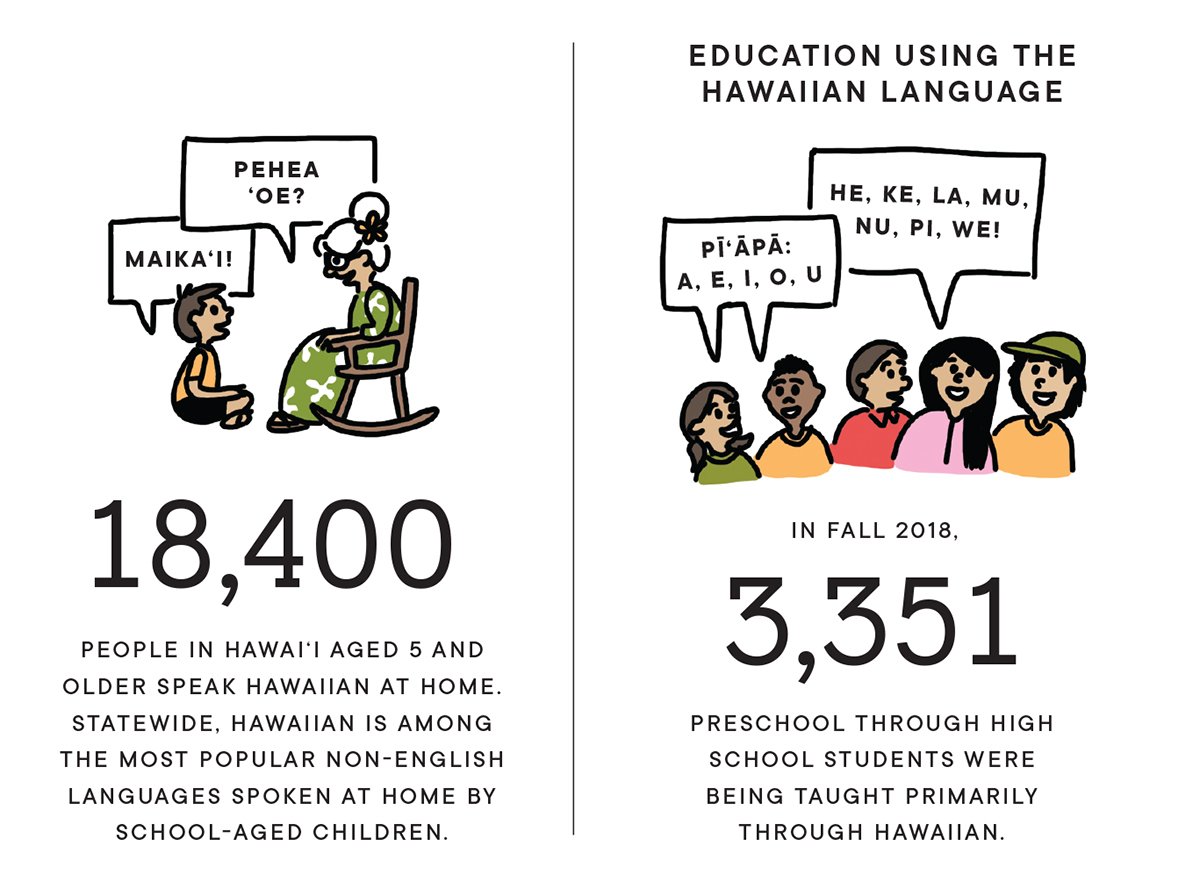
However, the latter half of the 20th century witnessed a powerful revitalization movement. Fueled by a resurgence of Hawaiian cultural pride and activism, efforts to save and promote ʻŌlelo Hawaiʻi gained momentum. Key initiatives included the establishment of Hawaiian immersion schools (Kula Kaiapuni Hawaiʻi) starting in 1987, where students are taught entirely in Hawaiian from preschool through high school. The University of Hawaiʻi system, particularly its Mānoa campus, also became a vital hub for Hawaiian language studies, research, and teacher training. These efforts bore fruit, leading to the official recognition of Hawaiian as one of the state’s two official languages in 1978.
Today, ʻŌlelo Hawaiʻi is experiencing a vibrant renaissance. While not as widely spoken in daily transactions as English, its presence is deeply felt and heard throughout the islands. Place names—such as Honolulu (meaning “sheltered bay”), Waikiki (“spouting water”), or Hilo (“new moon”)—are all Hawaiian. Common phrases like “Aloha” (hello, goodbye, love, compassion) and “Mahalo” (thank you) are universally recognized and used by locals and visitors alike. Travelers will encounter Hawaiian in street names, government signage, cultural performances (such as hula and luaus), and even in the names of hotels like the Hilton Hawaiian Village Waikiki Beach Resort or the Mauna Lani, Auberge Resorts Collection.
Learning a few basic Hawaiian phrases extends beyond mere courtesy; it’s an act of respect that profoundly enriches the travel experience. Uttering “Aloha kakahiaka” (good morning), “E komo mai” (welcome), or “ʻAʻole pilikia” (no problem/you’re welcome) can open doors to warmer interactions and a deeper appreciation for the local culture. It signifies an acknowledgment of Hawaii’s unique heritage and the ongoing efforts to preserve its indigenous language. For those interested in cultural tourism, engaging with the language offers an unparalleled pathway to understanding the spirit of aloha and the profound connection Hawaiians have to their land (mālama ʻāina).
A Symphony of Voices: Hawaii’s Multilingual Tapestry
Beyond the twin pillars of English and Hawaiian, the islands resonate with a multitude of languages, creating a truly unique and dynamic linguistic environment. This rich diversity is a direct reflection of Hawaii’s complex demographic history, particularly the profound impact of immigration.
Echoes of Immigration: The Plantation Legacy
The late 19th and early 20th centuries were pivotal in shaping Hawaii’s multilingual landscape. The burgeoning sugar and pineapple plantation industries created a massive demand for labor, far exceeding what the indigenous Hawaiian population could provide. This led to waves of immigration from various parts of Asia and the Pacific Ocean basin. Plantation owners actively recruited workers from diverse linguistic backgrounds, often strategically mixing groups to prevent labor organizing, inadvertently sowing the seeds for a remarkably diverse linguistic future.
Japanese immigrants were among the first large groups, arriving in significant numbers from the 1880s onward. They brought with them various dialects of Japanese, which were maintained within their communities, alongside their cultural traditions. Today, Japanese remains a widely spoken language in Hawaii, particularly among older generations and in areas with strong Japanese heritage. Many local businesses, especially restaurants and shops, cater to Japanese speakers, and travelers from Japan often find themselves able to communicate easily in certain establishments.
Filipino immigrants, particularly from the early 20th century, formed another massive wave of labor. They brought with them a rich array of languages, including Tagalog (the basis of Filipino), Ilocano, Visayan, and others. Ilocano, in particular, became a dominant language among the Filipino community in Hawaii due to the concentration of Ilocano-speaking regions from which many immigrants originated. These languages continue to be spoken by hundreds of thousands of residents, making them an integral part of Hawaii’s linguistic fabric.
Other significant immigrant groups included Chinese laborers, who arrived even earlier, bringing Cantonese, Hakka, Mandarin, and other dialects. Portuguese immigrants, primarily from the Azores and Madeira islands, also contributed their language, though Portuguese is less commonly spoken today than in the past, its influence is still seen in some cultural traditions and surnames. Korean and Samoan communities also established themselves, maintaining their languages and cultural practices, particularly in urban centers like Honolulu.
This historical influx of diverse populations meant that on the plantations, a cacophony of languages coexisted. While English was the language of the overseers, workers communicated with each other and within their ethnic enclaves using their native tongues. This environment fostered a unique linguistic phenomenon: the birth of Hawaiian Pidgin, a testament to the human need for communication across cultural and linguistic divides.
Pidgin: Hawaii’s Unofficial Language
Perhaps one of the most intriguing linguistic features of Hawaii is the existence of Hawaiian Pidgin, formally known as Hawaii Creole English. This is not simply broken English; it is a full-fledged creole language with its own distinct grammar, vocabulary, and phonology. Pidgin emerged in the late 19th and early 20th centuries on the sugar and pineapple plantations as a necessary means of communication among the diverse immigrant laborers (Japanese, Filipino, Chinese, Portuguese, Korean, Samoan, Hawaiian) and the English-speaking haoles (foreigners, particularly Caucasians).
Initially, Pidgin was a simplified contact language, or “pidgin,” but over generations, as children grew up speaking it as their first language, it evolved into a creole. Hawaiian Pidgin incorporates vocabulary from English, Hawaiian, Japanese, Tagalog, Ilocano, Portuguese, and Chinese, among others, blended into a unique grammatical structure. For example, sentences might drop auxiliary verbs, use “fo” instead of “to,” or employ specific particles like “wen” for past tense.
Pidgin is not an official language, but it is deeply ingrained in the local culture and identity, especially among those born and raised in Hawaii. It’s the language of casual conversation among friends and family, often heard in local markets, schools, and community gatherings. While standard English is taught in schools and used in formal settings, Pidgin flourishes in everyday interactions, creating a sense of solidarity and shared heritage among those who speak it.
For visitors, understanding Pidgin can be challenging, as its nuances are complex. However, recognizing its existence is part of appreciating Hawaii’s unique cultural tapestry. While locals will readily switch to standard English when addressing tourists, hearing Pidgin spoken around you offers an authentic glimpse into the islands’ social dynamics. Travelers might encounter phrases like “Howzit?” (How is it?), “Brah” or “Sistah” (brother/sister, used informally for anyone), “Pau hana” (finished work, from Hawaiian), or “Choke” (a lot). Embracing the presence of Pidgin means acknowledging a vibrant and organic linguistic creation that beautifully encapsulates Hawaii’s multicultural heritage.
Navigating Hawaii: Linguistic Tips for Travelers
For visitors planning a trip to the Hawaiian Islands, understanding the linguistic landscape can greatly enhance their experience. While English is universally accessible, a little effort to engage with local languages can unlock deeper connections and richer cultural encounters.
Practical Communication for Visitors
The good news for most international travelers is that English is spoken everywhere and will suffice for all practical communication needs. All essential services—including transportation, healthcare, banking, and emergency services—operate in English. Hotel staff, tour guides, restaurant servers, and retail assistants are fluent in English, ensuring that visitors can book tours, order meals, or shop with ease. Major airlines serving Hawaii, such as Hawaiian Airlines or United Airlines, operate in English, and navigating airports like Daniel K. Inouye International Airport in Honolulu or Kahului Airport on Maui is straightforward.
Road signs are in English, as are most informational plaques at historical sites and natural landmarks. Menus in restaurants are in English, though many establishments, particularly in popular tourist areas like Waikiki, might also offer menus in Japanese, Korean, or Chinese to cater to their diverse clientele. This multilingual approach in key tourist hubs highlights Hawaii’s commitment to accommodating visitors from around the globe.
While English is standard, visitors should be aware of some common Hawaiian words integrated into everyday conversation and place names. For example, understanding that “mauka” means towards the mountains and “makai” means towards the sea can be helpful for directions. Similarly, knowing that “keiki” means child, “wahine” means woman, and “kane” means man might come in handy when encountering signs for restrooms or family-friendly activities. There’s no need to memorize a dictionary, but a casual awareness of these terms adds a layer of understanding to the local environment.
When encountering Pidgin, visitors should not feel pressured to understand or speak it. Locals will invariably switch to standard English for tourists. However, a smile and a polite “Mahalo” (thank you) go a long way in showing respect and appreciation for the local culture. It’s a subtle way to acknowledge the unique linguistic identity of the islands without feeling lost in translation.
Embracing the Culture Through Language
For those eager to dive deeper into the Hawaiian experience, making an effort to learn and use a few basic Hawaiian phrases can be incredibly rewarding. It’s a gesture that goes beyond simple politeness; it demonstrates genuine respect for the host culture and its heritage. Locals often appreciate visitors who attempt to speak a few words of ʻŌlelo Hawaiʻi, seeing it as an acknowledgment of the language’s value and the ongoing efforts for its revitalization.
Beyond “Aloha” and “Mahalo,” consider learning:
- E komo mai: Welcome. (Often seen on signs, a warm greeting).
- ʻO wai kou inoa?: What is your name?
- ʻO [Your Name] koʻu inoa: My name is [Your Name].
- Pehea ʻoe?: How are you?
- Maikaʻi au: I am fine.
- A hui hou: Until we meet again/Goodbye.
- ʻAʻole pilikia: No problem/You’re welcome.
- Kōkua: Help.
Using these phrases, even imperfectly, can lead to more meaningful interactions. Imagine greeting a local vendor at a farmers market on the Big Island with “Aloha kakahiaka!” (Good morning!) or thanking a tour guide on Kauai with “Mahalo nui loa!” (Thank you very much!). Such small gestures can open doors, eliciting warmer smiles and perhaps even sharing local insights that might otherwise be missed.
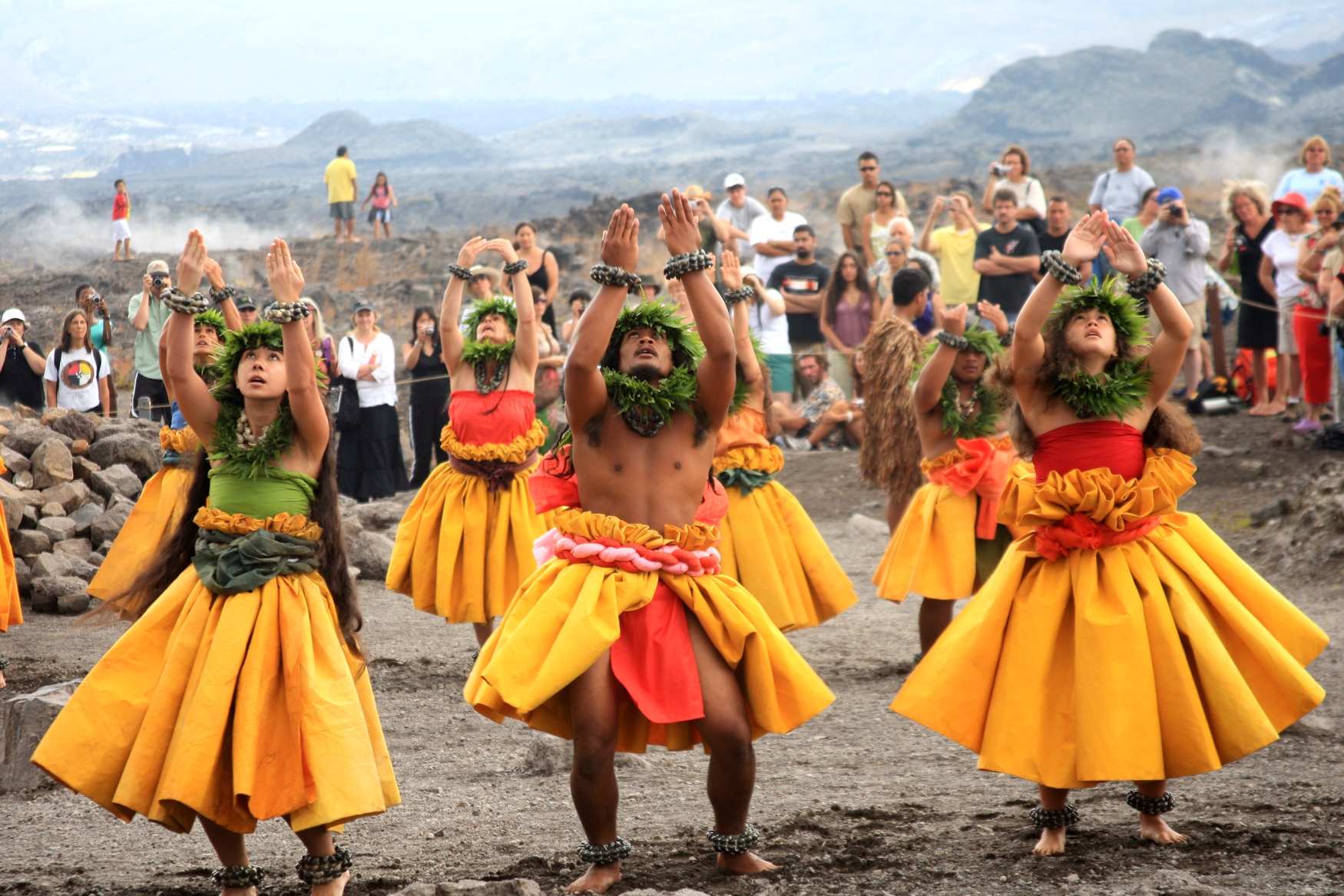
Furthermore, engaging with Hawaiian language provides a direct link to the islands’ rich cultural heritage. Attending a traditional luau, watching a hula performance, or visiting cultural centers will immerse visitors in environments where Hawaiian language is integral. The words of a chant, the names of ancient gods, or the explanations of cultural practices gain deeper resonance when the language is understood, even in part. Many cultural activities and guided tours make an effort to incorporate Hawaiian language, providing context and meaning to the experience. This focus on local culture and experiences enriches the broader tourism landscape of Hawaii, moving beyond mere sightseeing to genuine cultural immersion.
Preserving the Past, Shaping the Future: Language Initiatives
The journey of the Hawaiian language from near extinction to a vibrant revitalization is a testament to the resilience of the Hawaiian people and their unwavering commitment to their cultural heritage. Today, numerous initiatives are actively engaged in preserving and promoting ʻŌlelo Hawaiʻi, ensuring its place in the future of the islands. These efforts are not just about language; they are about identity, culture, and the very soul of Hawaii.
One of the most impactful initiatives has been the establishment and expansion of Hawaiian immersion schools (Kula Kaiapuni Hawaiʻi). These schools, operating from preschool through high school, provide a full curriculum taught entirely in Hawaiian. This groundbreaking approach ensures that younger generations grow up fluent in their ancestral language, fostering a new cohort of native speakers. The success of these schools has been remarkable, producing graduates who are not only proficient in Hawaiian but also excel academically, demonstrating the power of culturally relevant education.
Beyond the immersion schools, the University of Hawaiʻi system plays a crucial role. Departments of Hawaiian and Indo-Pacific Languages and Literatures, particularly at the Mānoa campus, offer extensive programs for language learners, educators, and scholars. They conduct research, develop teaching materials, and train new generations of Hawaiian language teachers, ensuring a sustainable pipeline for the language’s future. The University’s commitment extends to various campuses across the islands, including the University of Hawaiʻi at Hilo and University of Hawaiʻi Maui College, which also offer significant Hawaiian studies programs.
Cultural centers across the islands serve as vital hubs for language and cultural preservation. The Polynesian Cultural Center on Oahu, for instance, showcases not only Hawaiian language but also the languages and cultures of other Polynesian islands, fostering a broader understanding of the region’s linguistic heritage. Local community centers, museums, and libraries also offer Hawaiian language classes for adults and children, catering to both Hawaiians seeking to reconnect with their roots and non-Hawaiians interested in learning.
Festivals and cultural events are another powerful platform for celebrating and promoting ʻŌlelo Hawaiʻi. Events like the Merrie Monarch Festival in Hilo, a world-renowned hula competition, prominently feature Hawaiian chants, songs, and spoken language, bringing the language to life through artistic expression. Throughout the year, various smaller community festivals and celebrations incorporate Hawaiian language storytelling, music, and performance, reinforcing its relevance in contemporary life. These events are not only important for locals but also attract tourists interested in authentic cultural experiences, contributing to Hawaii’s vibrant tourism sector.
The government of Hawaii also supports language revitalization through official policies, signage, and public education campaigns. Hawaiian is used in official documents, legal proceedings, and place names. Street signs in many areas include both English and Hawaiian names, and public service announcements sometimes incorporate Hawaiian phrases. This institutional support reinforces the language’s status and visibility.
The collective impact of these initiatives is profound. They have not only halted the decline of ʻŌlelo Hawaiʻi but have also fostered a resurgence of pride and use, transforming it from a language primarily confined to scholarly circles and a few elders into a living, breathing language spoken by a growing number of people, including many young Hawaiians. For visitors, these efforts mean that the Hawaiian language is more visible and accessible than ever, offering rich opportunities for cultural engagement and a deeper understanding of this extraordinary place.
In conclusion, the linguistic landscape of Hawaii is as diverse and captivating as its natural beauty. While English serves as the practical backbone for travel and daily life, the heartbeat of the islands resonates with the beautiful cadences of ʻŌlelo Hawaiʻi, a language that embodies the soul of its indigenous people. Added to this are the vibrant echoes of Japanese, Filipino, Samoan, Korean, and Chinese languages, painting a truly multicultural portrait. For any traveler, recognizing this linguistic tapestry is key to appreciating Hawaii’s unique identity—a harmonious blend of indigenous heritage, diverse immigrant contributions, and a resilient spirit of aloha. Engaging with even a few words of Hawaiian not only shows respect but also profoundly enriches the travel experience, allowing for a deeper connection with the land, its people, and its timeless culture.
LifeOutOfTheBox is a participant in the Amazon Services LLC Associates Program, an affiliate advertising program designed to provide a means for sites to earn advertising fees by advertising and linking to Amazon.com. Amazon, the Amazon logo, AmazonSupply, and the AmazonSupply logo are trademarks of Amazon.com, Inc. or its affiliates. As an Amazon Associate we earn affiliate commissions from qualifying purchases.