
In the vibrant tapestry of travel, luxury accommodation, and immersive cultural experiences that define the modern lifestyle, the role of a notary public might initially seem like an obscure thread. Yet, for the discerning traveler, the entrepreneurial digital nomad, or anyone deeply entrenched in the dynamic world of tourism and hospitality, becoming a notary public in Florida presents a surprising array of advantages. Imagine a scenario where you’re closing on a dream vacation property in Miami, finalizing an international business agreement from a stunning Orlando resort, or simply needing a crucial document notarized while exploring the historic streets of St. Augustine. Having the ability to perform these essential legal functions yourself, or offer them as a valuable service, can streamline processes, save time, and even open up new avenues for income generation within the very industries we celebrate.

Florida, often dubbed the Sunshine State, is a global epicenter for tourism, real estate, and international business. From the bustling theme parks of Walt Disney World Resort and Universal Studios Florida in Central Florida to the pristine beaches of South Beach and the tranquil beauty of the Florida Keys, millions of visitors and residents engage in transactions daily that require notarization. Whether it’s signing a lease for a long-term stay accommodation, authenticating travel consent forms for minors journeying abroad, or executing deeds for a beachfront villa, the demand for reliable notary services is constant and widespread. This article will guide you through the process of becoming a notary public in Florida, demystifying the requirements and steps, while highlighting how this seemingly conventional role can seamlessly integrate with and even enhance a lifestyle centered around travel, hospitality, and entrepreneurial freedom.
The Allure of Notarization for the Modern Traveler & Entrepreneur
For those whose lives revolve around exploring new destinations, experiencing diverse cultures, and building businesses that transcend geographical boundaries, flexibility and self-sufficiency are paramount. Becoming a notary public is not just about witnessing signatures; it’s about gaining a valuable skill set that offers practical benefits and opens doors to unique opportunities within the travel and lifestyle sectors.
Beyond the Traditional Desk Job: Notary as a Flexible Income Stream
One of the most appealing aspects of becoming a notary public, especially for individuals with a penchant for travel or a desire for a flexible work-life balance, is the potential for supplemental income. Unlike many traditional roles, notarization doesn’t demand a 9-to-5 commitment. It offers the freedom to provide services on your own schedule, from virtually any location. Imagine supplementing your travel budget by offering mobile notary services to tourists and locals alike in high-demand areas. In popular tourist destinations like Orlando, Miami, or Key West, there’s a constant influx of individuals needing documents notarized for various reasons, from travel permissions to rental agreements.
This flexibility aligns perfectly with the “digital nomad” or “location-independent” lifestyle. A notary public can set their own hours, charge per notarization, or even specialize in loan signings, which command higher fees. This can be particularly beneficial for those involved in travel blogging, consulting, or operating online businesses, providing a stable and reliable income stream that supports their adventurous pursuits. The investment in time and resources to become a notary public is relatively low compared to the potential financial returns and the invaluable skill it provides, making it an attractive proposition for those seeking to enhance their financial freedom while maintaining a travel-centric lifestyle.
Securing Your Adventures: Essential for International Travel & Real Estate
The world of travel, especially international travel, is fraught with legal intricacies. Minors traveling without both parents often require notarized consent forms. Certain visas and international residency applications necessitate authenticated documents. Powers of attorney, crucial for managing affairs while abroad, must be notarized to be legally binding. For the avid international traveler, or even for families planning elaborate trips, having a notary within the household or network can simplify these processes considerably, eliminating the need to search for a notary in unfamiliar locales or pay exorbitant fees.
Furthermore, the booming vacation rental market and the trend of purchasing properties abroad or as investment vehicles in Florida make notarization an indispensable service. Whether it’s signing a deed for a villa in Naples, a condo in Fort Lauderdale, or a fractional ownership agreement in a luxury resort like The Breakers Palm Beach, these transactions invariably require the solemn act of a notary public. For individuals involved in real estate, either personally or professionally (e.g., real estate agents specializing in tourist properties or property management for short-term rentals), being a notary offers a distinct competitive advantage and streamlines complex transactions, ensuring legal validity and peace of mind. It transforms a potential bureaucratic hurdle into a simple, in-house solution, making your travel and real estate endeavors smoother and more secure.
Navigating the Path: Your Step-by-Step Guide to Becoming a Florida Notary
Becoming a notary public in Florida is a straightforward process, governed by the Florida Department of State. While the steps are clear, understanding each requirement is crucial to ensure a smooth application.
Eligibility Requirements: Who Can Be a Notary in Florida?
Before embarking on the application process, it’s essential to confirm that you meet the fundamental eligibility criteria set forth by the State of Florida. These requirements are designed to uphold the integrity and trustworthiness of the notary public office:
- Age: You must be at least 18 years of age.
- Residency: You must be a legal resident of Florida. This means having your primary residence within the state, not merely owning property or visiting frequently.
- Language Proficiency: You must be able to read, write, and understand the English language. This is vital for accurately understanding documents and communicating with signers.
- Criminal Record: You must not have been convicted of a felony, unless your civil rights have been restored. Background checks are a standard part of the application process.
- Citizenship/Legal Status: While not explicitly stating U.S. citizenship, you must be legally authorized to work in the U.S. and reside in Florida.
Meeting these baseline requirements is the first critical step toward gaining your commission. They ensure that all notaries public are responsible, capable individuals entrusted with significant legal authority.
The Application Process: From Coursework to Commission
Once you’ve confirmed your eligibility, the journey to becoming a commissioned notary public involves a few distinct stages. This process is typically facilitated through an approved bonding agency, which acts as an intermediary between the applicant and the Florida Governor’s office.
- Complete a Notary Education Course: All first-time notary applicants in Florida are required to complete a mandatory three-hour notary education course. This course covers the duties, responsibilities, and legal requirements of a Florida notary public, ensuring you are well-versed in the statutes governing your role. Many approved providers offer this course online, allowing for flexibility, which is perfect for individuals on the go or managing busy schedules.
- Obtain a Surety Bond: Florida law mandates that all notaries public obtain a $7,500 surety bond. This bond serves as financial protection for the public against any errors or misconduct committed by the notary. Approved bonding agencies will offer this as part of their application package.
- Complete the Notary Application Form: You will need to fill out a detailed application form, typically provided by your chosen bonding agency. This form will request personal information, attest to your eligibility, and include an oath of office. Ensure all information is accurate and truthful.
- Submit Your Application: Your completed application, along with proof of course completion and surety bond, will be submitted to the bonding agency. They, in turn, will forward it to the Florida Governor’s office for review and approval.
- Receive Your Commission: Upon approval, the Governor’s office will issue your notary commission, which is valid for four years. You will receive a certificate of commission, marking your official status as a Florida notary public.
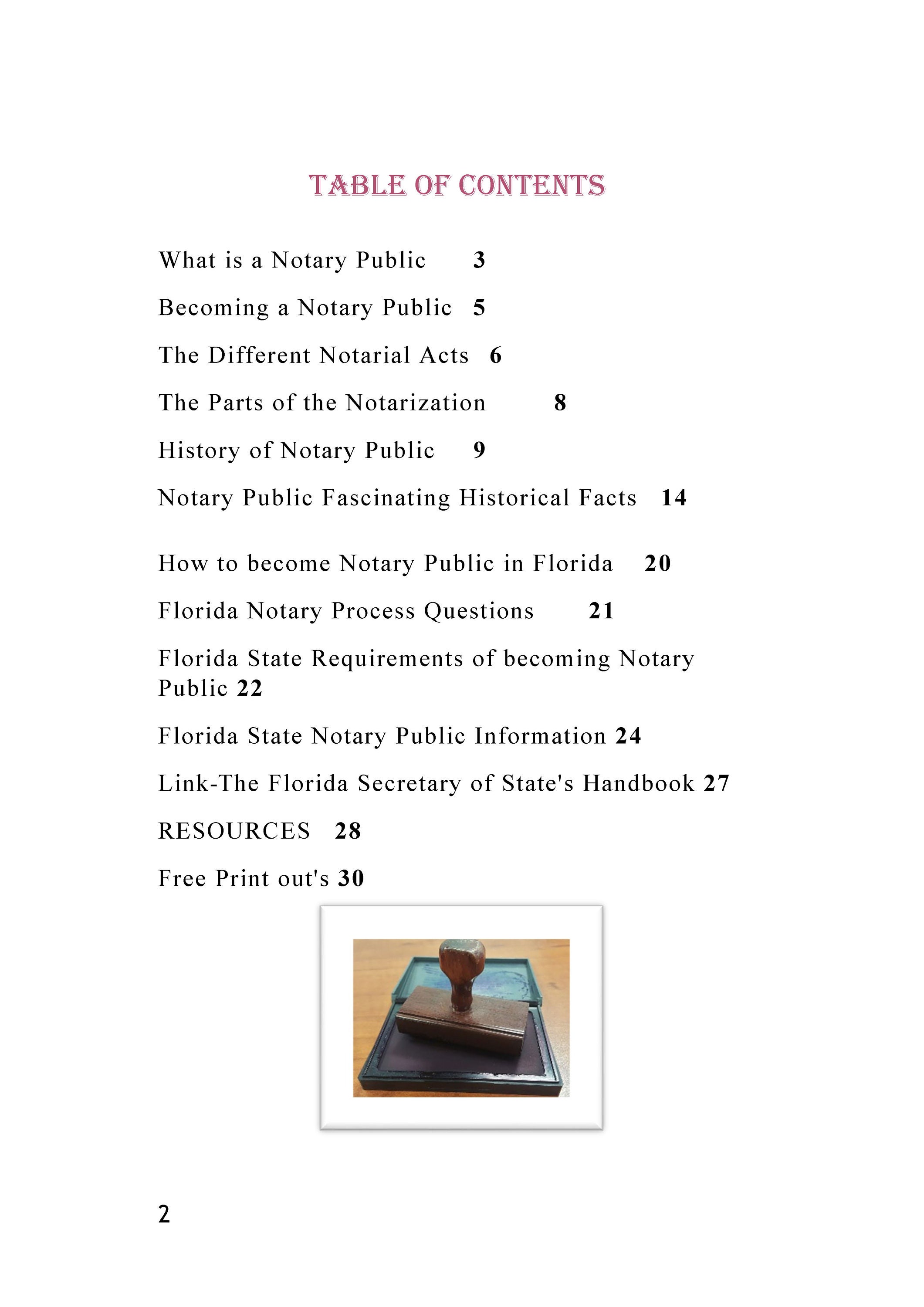
- Acquire a Notary Seal: While not part of the application itself, a notary seal is a mandatory tool for performing notarizations. The seal (ink stamp or embosser) must include your name, the words “Notary Public – State of Florida,” and your commission number. This is typically purchased after receiving your commission.

The entire process, from completing the course to receiving your commission, can often be completed within a few weeks, depending on how quickly you submit your documents and the current processing times of the state.
Essential Tools and Best Practices for a Notary Public
Once commissioned, possessing the right tools and adhering to best practices are fundamental to performing your duties effectively and maintaining the integrity of your office.
- Notary Seal: As mentioned, a legible notary seal is legally required for every notarization. It provides official authentication of your act.
- Notary Journal (Record Book): While not explicitly mandated by Florida law for all notarizations, maintaining a detailed notary journal is highly recommended. It serves as a personal record of all your notarizations, including the date, type of document, signer’s identification, and signature. This journal is invaluable for protecting yourself in case of legal disputes or questions regarding your notary acts.
- Thumbprint Pad: For sensitive documents, especially those related to real estate transactions or significant financial matters, requiring a thumbprint in your journal can add an extra layer of security and verification.
- Knowledge of Florida Notary Laws: Continuous education and a thorough understanding of the Florida Notary Handbook are critical. Laws can change, and staying informed ensures you always operate within legal boundaries.
- Professionalism and Impartiality: Always maintain a professional demeanor and remain impartial. A notary public’s role is to verify identity and witness signatures, not to offer legal advice or show bias.
- Proper Identification Verification: The most crucial duty of a notary is to accurately verify the identity of the signer. Always require government-issued photo identification and ensure it meets Florida’s requirements.
By adhering to these best practices, you not only fulfill your legal obligations but also build a reputation for reliability and professionalism, which is paramount in any service-oriented role, especially one that blends with the high standards of the travel and hospitality industry.
Expanding Your Horizons: Notary Services in the Sunshine State’s Vibrant Economy
The strategic location of Florida, its diverse economy, and its magnetic appeal to both domestic and international visitors create a unique environment where notary services are consistently in demand, often intertwining with the very themes that define lifeoutofthebox.com.
Serving Tourists and Transplants: Notary Needs in a Global Hub
Florida is more than just a vacation spot; it’s a global crossroads. Millions arrive annually, not just for the sun and sand, but for business, relocation, and investment. A significant portion of these individuals require notary services. Tourists might need affidavits for lost passports or travel insurance claims, especially those staying at large resorts like the Hyatt Regency Grand Cypress or Loews Portofino Bay Hotel. Foreign visitors often need documents authenticated for international legal purposes or for purchasing property.
Transplants moving to Florida from other states or countries require notary services for residency applications, vehicle titles, school enrollment forms, and various legal agreements. The sheer volume of short-term and long-term accommodation bookings, from vacation rentals in St. Pete Beach to corporate apartments in Jacksonville, generates a consistent need for notarized leases and other contractual documents. As a notary public, you can position yourself to cater specifically to this transient and relocating population, offering mobile services that bring convenience directly to hotels, cruise terminals, airports, or residential communities. This specialization aligns perfectly with the website’s focus on accommodation and tourism, creating a niche service that is both valuable and in high demand within these sectors.
Enhancing Your Travel Business: A Notary’s Competitive Edge
For entrepreneurs already immersed in the travel and hospitality industry, becoming a notary public can provide an unexpected competitive edge. If you operate a travel agency, a vacation rental management company, a concierge service, or even a luxury travel blog that ventures into travel planning, incorporating notary services can significantly enhance your offerings.
Imagine a travel agent who can notarize international travel consent forms on the spot for their clients, or a property manager who can swiftly handle lease agreements and tenant verification documents for properties near landmarks like the Everglades National Park or on Amelia Island. This added convenience not only improves client satisfaction but also positions your business as a comprehensive, one-stop solution. For those in luxury travel, where discerning clients expect seamless experiences, having in-house notary capabilities for high-value transactions, property acquisitions, or complex legal arrangements can be a differentiating factor. It embodies the essence of a premium lifestyle service – efficiency, reliability, and peace of mind – directly contributing to the superior experience that modern travelers seek.
The role of a notary public, therefore, is far from mundane when viewed through the lens of a dynamic, travel-centric lifestyle. It’s an empowering skill that offers flexibility, financial independence, and a practical advantage in the interconnected worlds of travel, tourism, accommodation, and global commerce. By becoming a notary public in Florida, you’re not just performing a civic duty; you’re unlocking a powerful tool that can enrich your personal journey and elevate your professional endeavors within the captivating realm of travel and lifestyle. The path is clear, and the benefits are as boundless as the adventures that await.
LifeOutOfTheBox is a participant in the Amazon Services LLC Associates Program, an affiliate advertising program designed to provide a means for sites to earn advertising fees by advertising and linking to Amazon.com. Amazon, the Amazon logo, AmazonSupply, and the AmazonSupply logo are trademarks of Amazon.com, Inc. or its affiliates. As an Amazon Associate we earn affiliate commissions from qualifying purchases.