
Navigating the essential bureaucracy of life, especially when planning for travel, relocation, or simply managing personal affairs, can sometimes feel like a daunting task. One such critical document is a birth certificate, an indispensable record of identity and citizenship. For those born in the Lone Star State, understanding the process of how to obtain a birth certificate from Texas is paramount. Whether you’re preparing for an international adventure, enrolling a child in a new school after a family move, or simply updating your records, this guide will illuminate the pathways to securing this vital document. In the world of travel and lifestyle, where seamless transitions and documented identity are key, having your birth certificate readily available can open doors to new experiences, from booking a stay at a luxurious Houston resort to embarking on a cruise from Galveston.
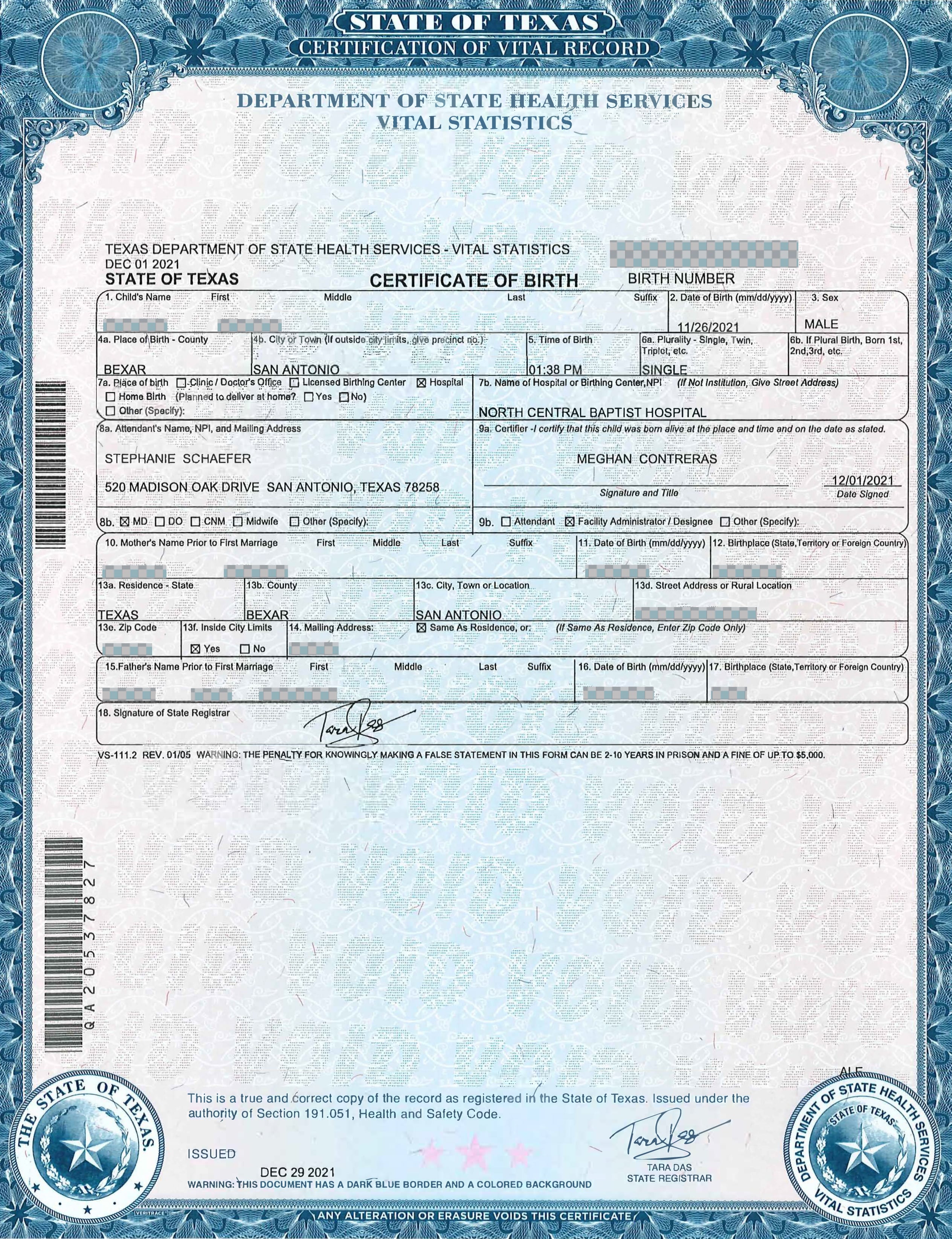
The need for a birth certificate extends far beyond mere record-keeping. It is often the foundational document for obtaining other forms of identification crucial for a modern, mobile lifestyle. Think about securing a United States passport, which is essential for international travel to exotic destinations or business trips abroad. It’s also a primary document for applying for a driver’s license, registering for school, verifying age for employment, and even claiming social security benefits. For those embracing a transient lifestyle, perhaps moving between different U.S. states or even considering long-term accommodation options in vibrant cities like Austin or Dallas, a certified copy of your birth certificate is often a prerequisite for establishing new residency, opening bank accounts, or accessing local services. Our exploration will focus on simplifying this process, ensuring you’re well-equipped to handle the requirements with ease and efficiency, allowing you more time to plan your next great Texas getaway or global exploration.
The Indispensable Role of Your Texas Birth Certificate in Travel and Lifestyle
In a world increasingly focused on digital identities, the physical birth certificate remains a cornerstone of personal verification, particularly for travel and significant lifestyle changes. For globe-trotters, families planning a grand Texas road trip, or individuals relocating for a new career opportunity, the certified copy of a birth certificate serves as the initial step in a cascade of identity confirmations. Without it, the dream of an international vacation might remain just that – a dream. Passport applications, for instance, strictly require an original birth certificate to prove citizenship. Similarly, when considering domestic flights, while a driver’s license is typically sufficient, the underlying document for obtaining that license was likely your birth certificate. With the advent of REAL ID requirements, the importance of this foundational document has only grown, making it a critical item in every traveler’s essential papers portfolio.
Beyond travel, your Texas birth certificate plays a pivotal role in major life transitions. Imagine moving to a bustling metropolis like San Antonio or a serene small town in the Texas Hill Country. Establishing new roots often involves enrolling children in schools, obtaining a local driver’s license, or even securing certain types of accommodation where identity verification goes beyond a simple ID check. Long-term stays in serviced apartments or residential villas might require more robust proof of identity, especially if you are new to the area. Furthermore, for those considering destination weddings or significant life events in popular Texas tourist destinations, possessing these vital records in advance simplifies everything from marriage license applications to proving parentage for child-related activities. In essence, understanding how to obtain your birth certificate is not just about bureaucracy; it’s about enabling a life of seamless travel, smooth transitions, and boundless opportunities within Texas and around the globe.
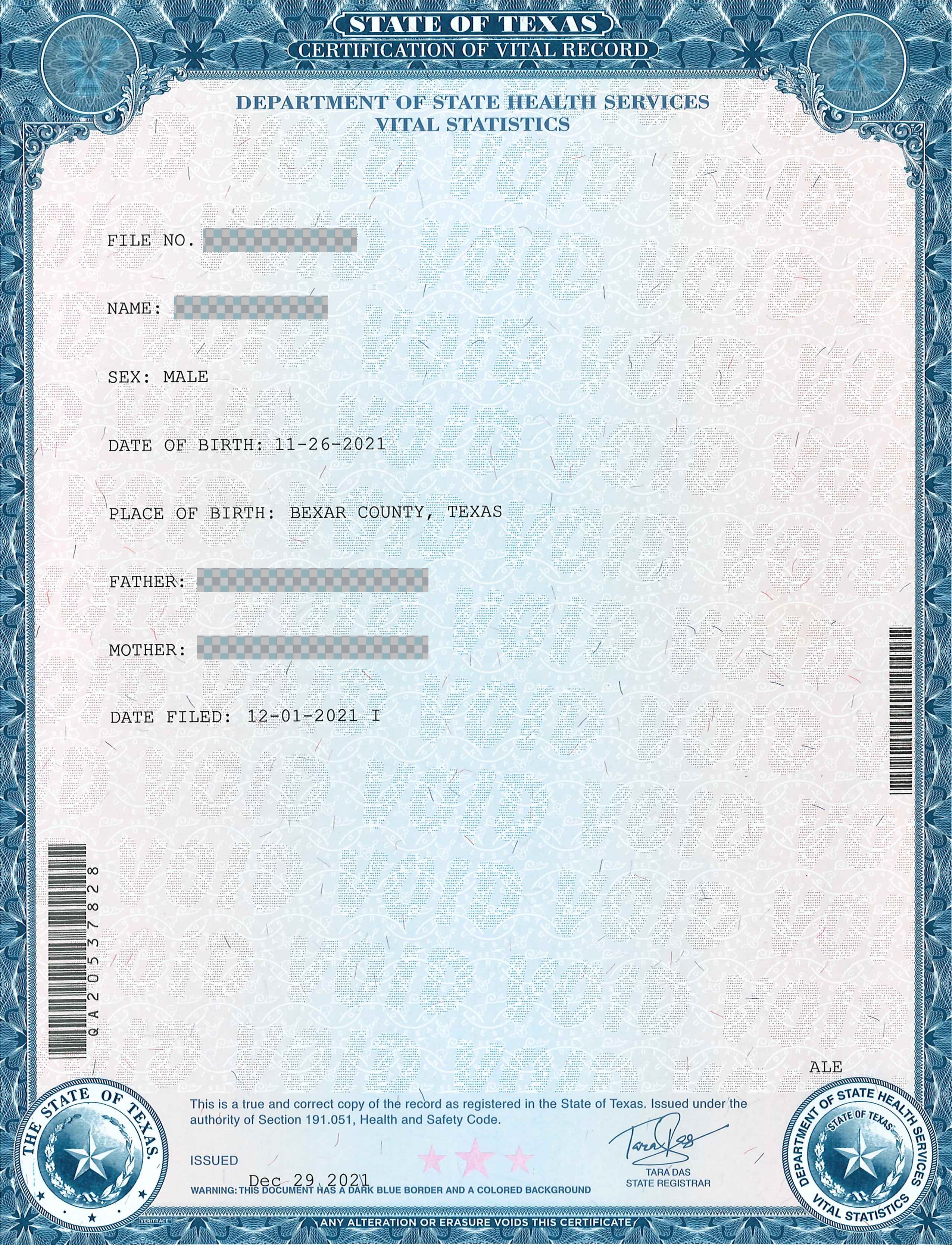
Who is Eligible to Request a Texas Birth Certificate?
Before diving into the “how-to,” it’s crucial to understand “who” can legally request a birth certificate in Texas. State law is very specific about this to protect privacy and prevent fraud. Not just anyone can walk in and request your birth record; there must be a “direct tangible interest.” This safeguard ensures that these sensitive documents are only released to authorized individuals.
Understanding “Direct Tangible Interest”
The concept of “direct tangible interest” refers to a direct, provable relationship with the individual named on the birth certificate. Generally, eligible applicants fall into one of the following categories:
- The Registrant: The individual whose birth is recorded on the certificate, provided they are 18 years of age or older.
- Parents: A parent named on the birth certificate. This is often crucial for family travel, school enrollment, or proving parental rights.
- Grandparents: The grandparent of the person named on the certificate, provided both parents are deceased or legally incapacitated.
- Adult Siblings: An adult brother or sister of the person named on the certificate.
- Spouse: The legal spouse of the person named on the certificate.
- Children: A child of the person named on the certificate, provided the child is an adult.
- Legal Guardian or Representative: A legal guardian or legal representative acting on behalf of the registrant or an eligible family member. This requires presenting official court orders or other legal documentation proving the right to act on their behalf.
- Court Order: Any other person who can present a court order directing the Texas Department of State Health Services (DSHS) or local registrar to issue the record.
When applying, you will be required to provide not only your identification but also proof of your relationship to the person on the birth certificate, if you are not the registrant. This might involve your own birth certificate, a marriage certificate, or other official documents. Understanding these eligibility rules is the first critical step towards a successful application, ensuring that you gather the correct supporting documentation needed for your request, whether you’re settling into a new Texas community or planning your next family vacation.
Methods for Obtaining Your Texas Birth Certificate
Once you’ve established your eligibility, the next step is to choose the application method that best suits your needs and timeline. Texas offers several avenues to obtain a birth certificate, each with its own advantages regarding speed, cost, and convenience. Whether you’re in a hurry for a last-minute passport application for an international business trip or calmly planning future family travels, there’s a method for you.
Online Application: Convenience at Your Fingertips
For many, the appeal of digital convenience makes applying online the preferred choice. The Texas Department of State Health Services (DSHS) facilitates online orders, though these are typically processed through authorized third-party vendors like Texas.gov or VitalChek. This method offers the flexibility to apply from anywhere, whether you’re at home in El Paso, conducting business in Fort Worth, or even planning a trip from New York.
- Pros: Online applications offer significant advantages in terms of speed and accessibility. Many services provide tracking options, allowing you to monitor the status of your order. It’s often the quickest option for non-expedited mail delivery, making it ideal if you need your certificate within a few weeks without visiting an office.
- Cons: These services typically involve higher fees compared to mail-in or in-person applications, as they include processing and shipping costs from the vendor. You’ll also need to carefully follow online identity verification steps, which may require uploading scanned copies of your ID and other documents. Some applicants might find this process cumbersome or prefer a more direct approach.
Mail-In Application: A Traditional Approach
The traditional mail-in application remains a reliable and often more economical option, particularly if you’re not in a rush and prefer to handle paperwork at your own pace. This method involves completing an application form, gathering required documents, and sending everything to the state’s Vital Statistics Unit in Austin.
- Steps:
- Download the official application form for a certified copy of a birth record from the DSHS website.
- Fill out the form completely and accurately.
- Gather copies of your valid identification and any supporting documents proving your “direct tangible interest” (e.g., marriage certificates, other birth certificates). These copies will often need to be notarized.
- Prepare a money order or check for the exact fee (cash is not accepted by mail).
- Mail the complete package to the Vital Statistics Unit in Austin.
- Pros: Mail-in applications generally have lower fees than online options, as you avoid vendor processing charges. It’s a straightforward process for those who prefer physical paperwork and have sufficient time before their travel plans or lifestyle changes necessitate the document.
- Cons: This is typically the slowest method. Processing times can range from several weeks to several months, depending on the volume of applications and whether there are any issues with your submission. There’s also the inherent risk of documents being lost or delayed in transit, necessitating certified mail for peace of mind.
In-Person Application: Immediate Needs
For urgent needs, or if you prefer direct interaction and immediate results, an in-person application is the fastest route. You can visit either the DSHS Vital Statistics office in Austin or a local registrar’s office, typically located at a County Clerk’s office or city health department in major cities across Texas.
- Locations: Popular options include the County Clerk’s offices in Dallas, Houston, San Antonio, or Fort Worth, or the state Vital Statistics Unit in Austin.
- Pros: This is by far the quickest method. If you arrive with all necessary documentation and identification, you can often receive a certified copy of the birth certificate on the same day. This is invaluable if you have an imminent passport application appointment or an urgent need to verify identity for immediate travel or accommodation.
- Cons: Requires physical presence, which may involve travel within Texas and potential wait times at the office, especially in busy urban centers. You must bring original valid identification and payment (check, money order, or credit/debit card, depending on the office – cash is sometimes accepted locally but not at the state office).
Choosing the right method depends on your personal circumstances, time constraints, and comfort level with different application processes. Regardless of the method, meticulous attention to detail in preparing your application is key to a successful outcome, ensuring you’re ready for any travel experience or life change that comes your way.
Essential Documentation, Fees, and Processing Times
Successfully obtaining your Texas birth certificate hinges on providing the correct documentation and understanding the associated costs and wait periods. Being prepared with all the necessary items can significantly streamline your application process, preventing unnecessary delays that could impact your travel plans or lifestyle transitions.
What You’ll Need: Proof of Identity and Relationship
The most critical components of your application are proper identification and, if you’re not the registrant, proof of your relationship to the individual named on the certificate.
- Primary Identification (One required):
- Texas Driver’s License or Texas State ID card.
- United States Passport or Passport Card.
- Foreign Passport (with a U.S. Visa, if applicable).
- Military ID card (for active duty, retired, or dependents).
- U.S. Naturalization Certificate.
- Permanent Resident Card (Green Card).
- Other valid government-issued photo ID (e.g., driver’s license from another U.S. state).
- Secondary Identification (If no primary ID, two required):
- Current school ID.
- Work ID.
- Voter registration card.
- Social Security card.
- Utility bill (with applicant’s name and address).
- Bank statement (with applicant’s name and address).
- Vehicle title or registration.
- Proof of auto insurance.
- Previous year’s tax return.
- Formal documentation from a recognized social service agency.
Proof of Relationship: If you are applying on behalf of someone else, or are a relative seeking their record, you must provide documentation to prove your “direct tangible interest.” This could include your own birth certificate (if you’re a parent or adult child), a marriage certificate (if you’re a spouse), or official court documents (for legal guardians or representatives). For mail-in applications, copies of these documents often need to be notarized, adding an extra step to the preparation. This ensures the integrity and privacy of vital records, a crucial aspect for all citizens, whether they are enjoying the vibrant culture of San Antonio or exploring the natural beauty of Big Bend National Park.
Understanding the Costs and Waiting Periods
Knowing the fees and anticipated processing times is essential for budgeting and planning, especially if you have a tight schedule for travel or relocation.
- Fees:
- The standard fee for a certified copy of a birth certificate from the Texas Department of State Health Services (DSHS) is typically around $22-$23 for the first copy.
- Additional copies ordered at the same time usually cost less, often around $2-$3 per extra copy.
- Online third-party vendors (like VitalChek) will charge their own service fees, which can significantly increase the total cost, often adding $10-$20 per order plus shipping charges.
- Local registrar offices (county or city level) may have slightly different fee structures, so it’s always wise to check their specific websites or call ahead.
- Accepted payment methods vary: mail-in applications usually require a money order or cashier’s check; in-person offices may accept credit/debit cards and sometimes cash; online services require credit/debit cards.
- Processing Times:
- In-Person: This is generally the fastest method. If you present all required documentation and identification at a Vital Statistics office or local registrar, you can often receive the certified copy on the same day. This is ideal for urgent needs, such as a last-minute passport application for international travel.
- Online/Mail-In: These methods involve longer wait times.
- Standard online orders can take anywhere from 2-4 weeks, plus shipping time. Some services offer expedited shipping for an additional fee.
- Mail-in applications are typically the slowest, with processing times ranging from 4-8 weeks, and sometimes even longer during peak periods or if there are any discrepancies in your application.
- Factors Affecting Delays: High volume of applications, incomplete forms, incorrect payment, or issues with identification can all lead to significant delays. Always double-check every detail before submitting your application. Planning ahead, particularly for major life events like moving to a new city like Austin or securing documents for family travel experiences, is crucial to avoid any last-minute stress.
Pro Tips for a Smooth Application Process
Navigating administrative processes can sometimes be cumbersome, but with a few strategic tips, you can ensure a smooth and efficient experience when obtaining your Texas birth certificate. These insights are particularly valuable for travelers, those planning relocations, or anyone managing significant life documentation, aiming to minimize hassle and maximize your time for enjoying life’s adventures.
- Double-Check Everything: This is perhaps the most important tip. Before submitting your application, whether online, by mail, or in person, meticulously review all forms for accuracy. Ensure names are spelled correctly, dates are precise, and all requested information is complete. Even a minor error can lead to significant delays.
- Gather All Documents in Advance: Don’t wait until the last minute. Compile all necessary primary and secondary identification, as well as any proof of relationship documents, well before you plan to apply. Make copies of everything you intend to submit and keep the originals safe. For mail-in applications, remember that photocopies of ID and supporting documents often require notarization.
- Understand Your Urgency: Assess your timeline. If you have an immediate need, such as an upcoming international flight requiring a passport application, prioritize an in-person application. If you have several weeks or months, online or mail-in options can be more convenient and sometimes more cost-effective. Plan your application method based on your travel itinerary or relocation schedule.
- Contact the Local Office if Unsure: Requirements can sometimes vary slightly between the state Vital Statistics Unit and local county or city registrar offices. If you have specific questions about accepted forms of ID, payment methods, or unique circumstances, call or check the website of the office where you intend to apply. For instance, the County Clerk in Houston might have slightly different operational hours or specific instructions than the state office in Austin.
- Consider Expedited Services (Online): If you opt for an online service like VitalChek and require the document quickly, investigate their expedited processing and shipping options. While these come at an extra cost, they can significantly reduce waiting times, making it a worthwhile investment for urgent travel plans or critical deadlines related to accommodation or education.
- Keep Records of Your Application: Always make a copy of your completed application form and all supporting documents you submitted. Note the date of submission, any tracking numbers (for online or certified mail), and the payment method used. This record will be invaluable if you need to follow up on your application status or if there are any issues.
- Plan for Future Needs: Once you receive your certified birth certificate, consider obtaining multiple copies. It’s often cheaper to get extra copies at the same time, and having a spare can be a lifesaver if one is lost or needed for another purpose, such as a child’s school enrollment or a future passport renewal. This proactive approach supports a seamless lifestyle and stress-free travel planning.

Securing your Texas birth certificate is a foundational step in managing your identity and enabling various aspects of your life, from embarking on global adventures to making a new home in the vibrant cities and serene landscapes of Texas. By understanding the eligibility requirements, choosing the appropriate application method, and meticulously preparing your documents, you can ensure a smooth process. This crucial piece of paper is more than just a record; it’s a key that unlocks countless possibilities for travel, relocation, and personal growth, offering peace of mind as you navigate your unique journey in the world. With this guide, you’re now well-equipped to obtain your Texas birth certificate and embark on your next adventure with confidence.
LifeOutOfTheBox is a participant in the Amazon Services LLC Associates Program, an affiliate advertising program designed to provide a means for sites to earn advertising fees by advertising and linking to Amazon.com. Amazon, the Amazon logo, AmazonSupply, and the AmazonSupply logo are trademarks of Amazon.com, Inc. or its affiliates. As an Amazon Associate we earn affiliate commissions from qualifying purchases.