
The vibrant tapestry of California is punctuated by two of its most iconic cities, Los Angeles and San Diego. Separated by a stretch of scenic coastline and bustling freeways, these metropolitan hubs offer vastly different yet equally captivating experiences for travelers. Whether you’re planning a multi-city adventure, a quick weekend getaway, or a business trip requiring seamless transit between the two, understanding the distance and various transportation options is paramount. This guide will delve into the logistical nuances of traveling between these two Southern California jewels, exploring everything from driving routes and train journeys to potential stopovers and how to make the most of your time in each destination. From the sprawling entertainment capital of Los Angeles to the laid-back charm of San Diego, your journey is more than just a commute; it’s an integral part of your California story.
The Core Distance and Driving Routes
At the heart of planning any trip between Los Angeles and San Diego lies the fundamental question of distance. While seemingly straightforward, the answer can vary depending on your exact starting and ending points within these expansive cities, as well as the chosen route and, critically, traffic conditions.
Unpacking the Miles: Official Distances
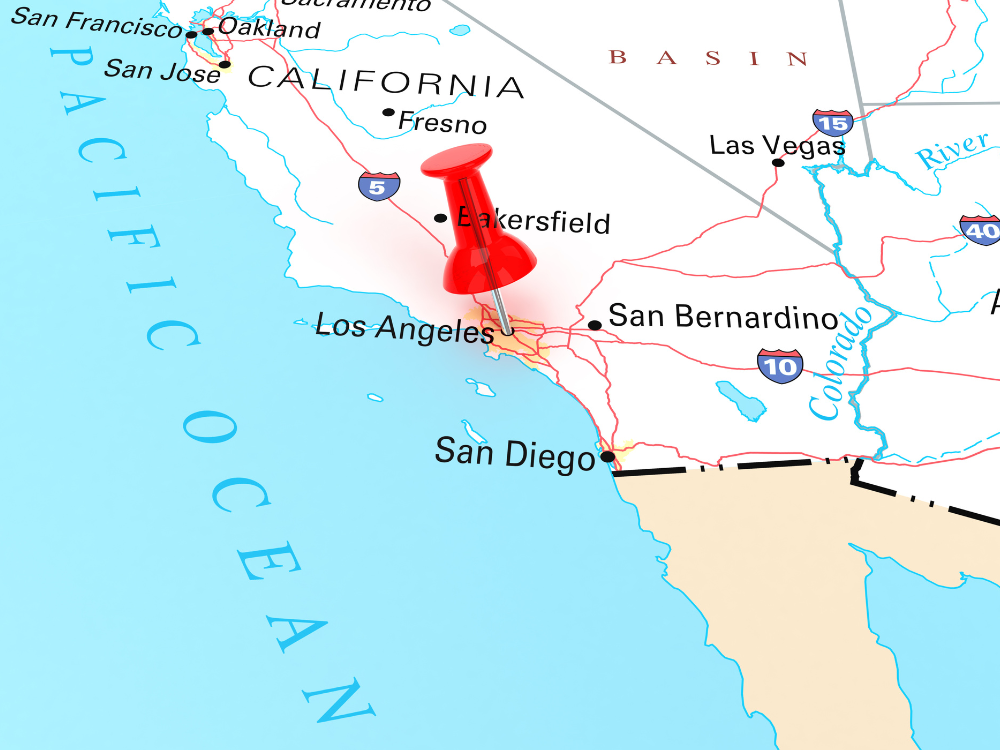
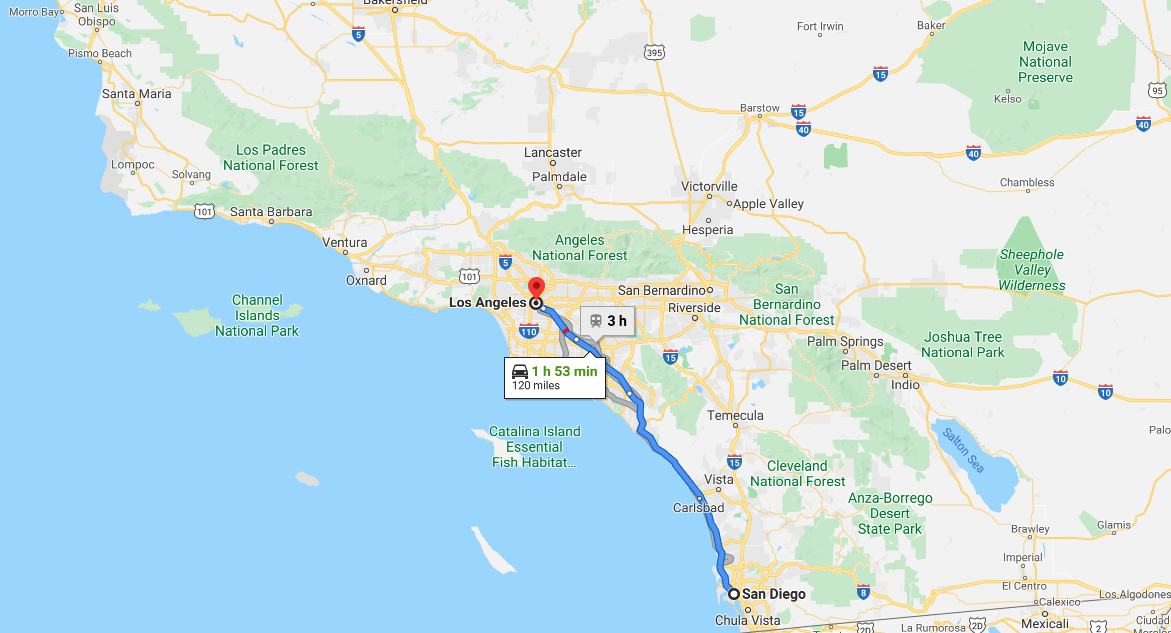
The direct, as-the-crow-flies distance between the city centers of Los Angeles and San Diego is approximately 100 miles (160 kilometers). However, when traveling by road, this distance naturally extends. The most common driving routes typically span between 120 to 130 miles (193 to 209 kilometers).
In ideal traffic conditions, this drive can take approximately 1 hour and 45 minutes to 2 hours. However, “ideal traffic conditions” are a rare luxury on Southern California freeways. It’s far more realistic to anticipate a travel time of 2 hours to 3 hours, especially if you’re traveling during peak commute hours on weekdays or during busy holiday weekends. Factors such as accidents, construction, and special events can easily push travel times beyond the 3-hour mark, occasionally stretching to 4 or even 5 hours in severe cases. Therefore, flexibility and real-time navigation tools are your best friends when embarking on this journey.
Navigating the Southern California Freeways
Two primary interstate highways connect Los Angeles and San Diego, each offering a distinct experience:
- Interstate 5 (I-5): The Coastal Route
The I-5 Freeway is the most direct and heavily trafficked artery between the two cities. It generally runs parallel to the Pacific Ocean, offering glimpses of the coastline in certain stretches, particularly as you pass through Orange County and northern San Diego County. This route is typically chosen for its directness. However, it’s also notorious for congestion, especially around downtown Los Angeles, Orange County population centers like Santa Ana and Irvine, and approaching San Diego itself. For those seeking efficiency, driving I-5 early in the morning (before 6 AM) or late in the evening (after 7 PM) on weekdays can significantly reduce travel time. Weekends can be unpredictable, with Sunday afternoons often seeing heavy northbound traffic returning to Los Angeles.
- Interstate 15 (I-15): The Inland Alternative
While less direct for most travelers, I-15 offers an alternative route that can sometimes bypass the worst of the I-5 coastal traffic. To take I-15, you would typically head east from Los Angeles on various connecting freeways (like SR-91 or I-10) until you reach I-15 South, which then leads directly into San Diego. This route traverses more inland terrain, offering views of rolling hills and agricultural areas rather than the coast. It can be a viable option if traffic reports indicate severe delays on I-5, particularly through Orange County. The total distance is slightly longer, often adding 10-20 miles, but if it saves you an hour in traffic, it’s a worthwhile consideration. This route tends to be favored by those traveling to or from destinations in the Inland Empire region.
For travelers relying on personal vehicles or car rentals, it’s highly recommended to utilize GPS navigation apps (such as Google Maps, Waze, or Apple Maps) that provide real-time traffic updates. These tools can dynamically suggest the fastest route at any given moment, helping you dodge unexpected snarls and make informed decisions about whether to stick to I-5 or venture onto I-15. Preparing your vehicle with a full tank of gas, snacks, and water is also a wise move, particularly if traveling with family, to ensure comfort during potential delays.
Diverse Transportation Options Beyond the Wheel
While driving offers unparalleled flexibility, it’s certainly not the only way to travel between Los Angeles and San Diego. A range of public transportation options cater to different budgets, preferences, and travel styles, allowing you to relax, work, or simply enjoy the scenery without the stress of navigating traffic.
Riding the Rails: The Pacific Surfliner Experience
For a scenic, comfortable, and often stress-free journey, the Amtrak Pacific Surfliner is an excellent choice. This train service connects numerous cities along the Southern California coast, offering breathtaking ocean views for a significant portion of the trip.
- Journey Details: The train journey typically takes between 2 hours and 45 minutes to 3 hours from Los Angeles’ Union Station to San Diego’s Santa Fe Depot. This timing is often comparable to, or even faster than, driving during peak traffic hours.
- The Experience: Passengers can enjoy spacious seating, free Wi-Fi, a café car, and large windows perfect for soaking in the coastal vistas. The route offers unparalleled views of the Pacific Ocean, particularly between San Clemente and Oceanside, making the journey itself a memorable part of the trip.
- Convenience: The train stations in both cities are centrally located or well-connected to public transit, making onward travel straightforward. Los Angeles Union Station is a major transportation hub, linking to Metro Rail and bus lines. San Diego’s Santa Fe Depot is steps away from the Gaslamp Quarter, waterfront attractions, and the city’s trolley system.
- Booking Tips: Fares vary based on class (Coach or Business Class) and how far in advance you book. Purchasing tickets online through the Amtrak website or app is recommended, especially during popular travel periods, to secure your preferred times and seats. Consider the “Rail2Rail” program if you have a Metrolink monthly pass, offering added flexibility.
Economical and Convenient: Bus Services
Bus travel provides a cost-effective alternative for those on a budget or looking for a no-fuss transport option. Companies like Greyhound and FlixBus operate multiple daily routes between Los Angeles and San Diego.
- Journey Details: Bus journeys typically range from 2 hours and 30 minutes to 3 hours and 30 minutes, depending on the number of stops and traffic conditions.
- Cost-Effectiveness: Bus tickets are often significantly cheaper than train fares or the cost of gas and parking for driving, making them ideal for budget travelers or students.
- Amenities: Modern buses typically offer comfortable seating, air conditioning, power outlets, and free Wi-Fi, allowing passengers to stay connected or entertained during their trip.
- Stations: Bus stations in both cities are generally located near major transit hubs or downtown areas, providing reasonable access to local attractions and accommodations. In Los Angeles, buses often depart from the main Greyhound station downtown or stops near Union Station. In San Diego, the main bus terminal is also downtown, close to the Santa Fe Depot.
Air Travel: A Niche Option
While flying might seem counterintuitive for a relatively short distance, it can be a viable option in specific circumstances, such as connecting international flights or for those prioritizing speed above all else, especially if traffic is historically bad or other modes are not feasible.
- Airports: Flights would typically depart from Los Angeles International Airport (LAX) and arrive at San Diego International Airport (SAN).
- Flight Time: The actual flight time is incredibly short, often around 30-45 minutes.
- The Catch: The significant drawback is the total travel time, which includes getting to and from the airports, security checks, boarding, and deplaning. When you factor in these elements, a “quick” flight can easily stretch to 3-5 hours door-to-door, often exceeding the time it takes to drive or take the train.
- Best Use Case: Air travel between LAX and SAN is primarily recommended for travelers with specific needs, such as connecting to international flights, or if severe weather or other disruptions make ground travel impractical. For most travelers, the convenience and cost-effectiveness of ground transportation outweigh the minimal time saved by flying.
Making the Journey an Integral Part of Your Southern California Adventure
The journey between Los Angeles and San Diego doesn’t have to be just a means to an end; it can be an opportunity to discover additional gems along the way. Planning your travel with intentional stopovers or considering the scenic value of your chosen mode of transport can significantly enhance your overall Southern California experience, transforming a simple commute into a mini-road trip or a leisurely sightseeing tour.
Coastal Gems and Inland Wonders Along the Way
If you opt to drive, the stretch between Los Angeles and San Diego on I-5 is dotted with charming coastal towns and attractions that are perfect for a brief respite or an extended exploration.
- Orange County Delights: As you leave Los Angeles and enter Orange County, you’ll pass near world-famous attractions like Disneyland Park in Anaheim (a slight detour inland, but a must-do for many families). For coastal beauty, consider a stop in Laguna Beach, renowned for its art galleries, coves, and tide pools, or Huntington Beach, famously known as “Surf City USA,” with its iconic pier and laid-back surf culture. These spots offer fantastic opportunities for a scenic walk, a quick meal, or just a stretch break.
- North San Diego County Charms: Further south, before reaching San Diego proper, you’ll encounter cities like San Clemente, known for its Spanish Colonial Revival architecture and pristine beaches; Oceanside, with its historic pier and vibrant craft beer scene; and Carlsbad, home to LEGOLAND California Resort, perfect for families. These cities offer a slower pace and often less crowded beaches than their larger neighbors, providing a refreshing contrast.
- Inland Excursions: If taking the I-15 route, while opportunities for coastal stops are diminished, you might find yourself closer to Temecula Valley, Southern California’s wine country, a delightful detour for wine enthusiasts or those seeking a more pastoral landscape.
Stopping along the way allows you to break up the drive, experience diverse aspects of California, and discover local culture and food that you might otherwise miss. Many of these towns also offer a range of accommodation options, from cozy boutique hotels to larger resorts, ideal if you decide to extend your journey.
Choosing Your Travel Style: From Leisurely Drives to Efficient Transit
Your choice of transportation will largely depend on your travel philosophy and the overall “lifestyle” you envision for your trip.
- For the Adventurous Driver / Family Trip: Opting for a car provides maximum flexibility. You can spontaneously pull over at a scenic overlook, explore a charming town, or even pack your surfboards for a spontaneous session at San Clemente State Beach. This is ideal for family trips, allowing you to carry more luggage and manage your own schedule, perhaps fitting in a stop at Disneyland Park or LEGOLAND. For those looking for budget travel, carpooling or renting an economical car can keep costs down, though don’t forget to factor in gas and potential parking fees in both cities.
- For the Relaxed Explorer / Luxury Travel: The Pacific Surfliner offers a refined and comfortable way to travel. Business Class tickets provide wider seats, complimentary snacks, and priority boarding, aligning with a luxury travel experience where the journey itself is part of the indulgence. It’s a fantastic option for couples, solo travelers, or even business travelers who wish to work or unwind without the demands of driving. The scenic route enhances the overall experience, turning travel time into sightseeing time.
- For the Budget-Conscious / Efficient Traveler: Bus services are unmatched for their affordability. They offer a no-frills, direct approach to getting from point A to point B, perfect for students, backpackers, or anyone prioritizing cost savings. While the amenities may be simpler than train travel, the focus is on efficient, economical transit.
- For the Business Traveler: For business stays, efficiency and connectivity are key. While driving offers door-to-door convenience, especially if clients are scattered, the train provides a productive environment with Wi-Fi to catch up on emails or prepare for meetings. The choice here often hinges on the specific location of meetings and the need for personal transport once in the destination city.
Considering these lifestyle aspects helps you select not just a mode of transport but an entire travel experience that aligns with your priorities, whether that’s embracing local culture in a small town, enjoying the amenities of a resort along the way, or simply finding the most expedient path.
Maximizing Your Stay in Los Angeles and San Diego
Once you’ve successfully navigated the journey between Los Angeles and San Diego, a wealth of experiences awaits. Both cities are renowned for their unique blend of landmarks, attractions, and diverse accommodation options, catering to every type of traveler.
Iconic Landmarks and Must-See Attractions
Each city boasts an impressive array of sites that draw millions of visitors annually.
In Los Angeles, the entertainment capital of the world, you’ll find:
- Hollywood: Home to the iconic Hollywood Sign, Hollywood Walk of Fame, and TCL Chinese Theatre. Dive into movie magic at Universal Studios Hollywood.
- Beaches: The lively Santa Monica Pier offers rides and ocean views, while Venice Beach is famous for its eclectic boardwalk and street performers. Malibu provides a more serene, upscale beach experience.
- Culture & Views: The Griffith Observatory offers stunning city vistas and celestial wonders. The Getty Center combines world-class art with spectacular architecture and gardens.
- Luxury & Shopping: Explore the exclusive boutiques and celebrity spotting opportunities in Beverly Hills.
In San Diego, known for its laid-back atmosphere and stunning natural beauty, highlights include:
- Balboa Park: A sprawling urban cultural park home to 17 museums, beautiful gardens, and the world-famous San Diego Zoo.
- Historic Gaslamp Quarter: A vibrant downtown district filled with Victorian-era buildings, trendy restaurants, bars, and shops.
- Waterfront Attractions: Explore the historic aircraft carrier at the USS Midway Museum or take a ferry to the picturesque island of Coronado, famous for its pristine beach and iconic Hotel del Coronado.
- Coastal Beauty: The stunning cliffs and beaches of La Jolla are perfect for sea lion spotting, kayaking, or enjoying upscale dining. For marine life shows, SeaWorld San Diego offers family-friendly entertainment.
Where to Stay: Accommodation Choices
Both cities offer an extensive range of accommodation options to suit every budget and preference, from luxurious resorts to comfortable apartments.
In Los Angeles, you can find:
- Luxury Hotels & Resorts: Opulent choices in Beverly Hills, Hollywood, and along the coast in Santa Monica and Malibu offer world-class amenities, often with pools, spas, and fine dining.
- Boutique Hotels: Trendy, stylish options in neighborhoods like West Hollywood or downtown Los Angeles, catering to those seeking unique experiences and local culture.
- Mid-Range & Budget Options: Abundant hotels and motels can be found across the metropolitan area, particularly near airports like LAX or major attractions, offering comfortable stays without breaking the bank.
- Apartment Rentals & Villas: For longer stays, families, or those preferring a more residential experience, platforms like Airbnb offer numerous options, from cozy apartments to expansive villas in various neighborhoods.
In San Diego, the accommodation scene is equally diverse:
- Beachfront Resorts: Iconic properties like the Hotel del Coronado offer direct beach access and a resort experience. Other beachfront options can be found in Mission Beach, Pacific Beach, and La Jolla.
- Downtown & Gaslamp Quarter Hotels: Ideal for business travelers or those wanting to be in the heart of the nightlife, dining, and close to Petco Park.
- Family-Friendly Options: Hotels near SeaWorld San Diego or Balboa Park often cater specifically to families, with amenities like pools and easy access to attractions.
- Extended Stay & Vacation Rentals: For longer visits, serviced apartments and vacation rentals offer kitchenettes and more space, perfect for exploring San Diego’s many neighborhoods at your own pace.

When booking accommodation, always compare reviews and amenities. Consider what’s important for your trip—proximity to specific landmarks, family-friendly facilities, luxury services, or budget-conscious rates. Advance booking is always recommended, especially during peak seasons or holidays.
Culinary Delights and Local Experiences
Both cities are gastronomic powerhouses, offering everything from street food to Michelin-starred dining.
- In Los Angeles, explore diverse ethnic cuisines in neighborhoods like Koreatown, Little Ethiopia, or authentic Mexican food trucks. The city also boasts high-end dining experiences and vibrant farmers’ markets.
- San Diego is famous for its exceptional Mexican cuisine, especially “California burritos.” The city also has a burgeoning craft beer scene, with numerous breweries in neighborhoods like North Park and Miramar. Seafood, fresh from the Pacific Ocean, is another local highlight, particularly in areas like Seaport Village and La Jolla.
Beyond food, dive into the local culture:
- Catch a Dodgers game at Dodger Stadium in Los Angeles or a Padres game at Petco Park in San Diego.
- Explore the vibrant arts districts, from the galleries of Laguna Beach to the street art of Venice Beach.
- Experience the unique charm of border town culture in San Diego, where a quick trip across the border to Tijuana, Mexico, offers another distinct cultural adventure.
The journey from Los Angeles to San Diego is more than just a matter of miles; it’s a gateway to experiencing the incredible diversity and allure of California. Whether you prioritize speed, scenery, cost, or convenience, a suitable option awaits. By understanding the various travel modes, anticipating challenges like traffic, and planning for potential stopovers, you can transform a simple trip into an enriching part of your broader travel itinerary. Both Los Angeles and San Diego stand ready to welcome you with open arms, offering unforgettable experiences that perfectly complement the adventure of getting there.
LifeOutOfTheBox is a participant in the Amazon Services LLC Associates Program, an affiliate advertising program designed to provide a means for sites to earn advertising fees by advertising and linking to Amazon.com. Amazon, the Amazon logo, AmazonSupply, and the AmazonSupply logo are trademarks of Amazon.com, Inc. or its affiliates. As an Amazon Associate we earn affiliate commissions from qualifying purchases.