
For any traveler planning a trip, whether for business or leisure, one of the most fundamental pieces of information is understanding the local time zone. This seemingly simple detail can significantly impact everything from flight schedules and hotel check-ins to managing jet lag and coordinating meetings. When it comes to Kansas City, Missouri, a vibrant hub in the American Midwest, knowing its time zone is crucial for a seamless and enjoyable visit.
Kansas City, often referred to as the “Heart of America,” operates within the Central Time Zone (CT). This places it six hours behind Coordinated Universal Time (UTC-6) during Standard Time and five hours behind (UTC-5) during Daylight Saving Time. For visitors arriving from the East Coast of the United States, this means a two-hour time difference, while those from the West Coast will experience a two-hour gain. International travelers, especially from Europe or Asia, will need to account for more substantial shifts. This article delves into the specifics of Kansas City’s time zone and provides comprehensive insights into how this information can be leveraged to enhance your travel, accommodation, and overall lifestyle experiences in this dynamic city.
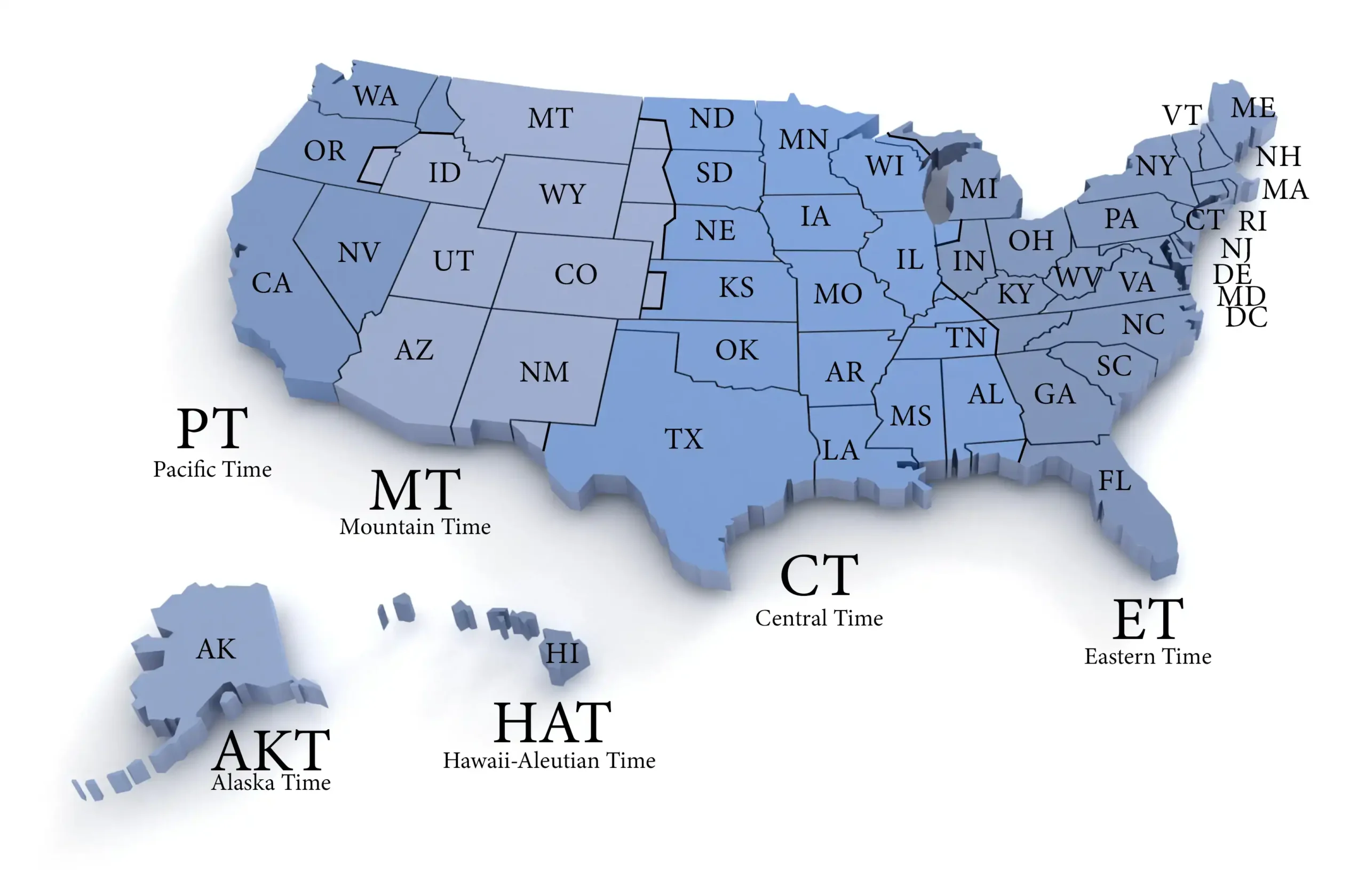
Understanding Kansas City’s Time Zone: Central Time (CT)
The Central Time Zone (CT) is one of the six standard time zones observed in the United States. It covers a broad swathe of the central U.S., stretching from the Gulf of Mexico up to the Canadian border, and includes most of the state of Missouri. The consistent application of this time zone across a significant geographical area helps in standardizing schedules and facilitating interconnected travel and commerce. For travelers, understanding this zone is the first step in aligning with the local rhythm of Kansas City.
Central Standard Time (CST) vs. Central Daylight Time (CDT)
Like most of the United States, Kansas City, Missouri observes Daylight Saving Time (DST). This means the city experiences a shift between Central Standard Time (CST) and Central Daylight Time (CDT).
- Central Standard Time (CST): Observed during the fall and winter months, CST is UTC-6. Clocks are set back one hour in early November, marking the end of Daylight Saving Time.
- Central Daylight Time (CDT): Observed during the spring and summer months, CDT is UTC-5. Clocks are moved forward one hour in early March, initiating Daylight Saving Time.
This annual adjustment is important to note, particularly when booking travel arrangements that span these transition periods. A seemingly minor shift of an hour can impact airport transfers, meeting schedules, and even the opening hours of attractions. Always confirm the local time in Kansas City relative to your departure point, especially if your trip coincides with these changes, to avoid any confusion or missed appointments.
Geographical Context and Implications for Travelers
The placement of Kansas City within the Central Time Zone is a geographical convenience, aligning it with many other major cities in the central part of the country. This consistency can simplify multi-city itineraries for travelers exploring the Midwest. However, the implications for visitors arriving from different time zones, particularly those from coastal regions or other continents, are noteworthy.
For those flying in from the Eastern Time Zone, arriving in Kansas City means gaining two hours, which can often feel like a gentle transition. Conversely, travelers from the Pacific Time Zone will lose two hours, requiring a bit more adjustment to the local schedule. The most significant impact is felt by international visitors, who may experience jet lag due to larger time differences. Understanding these shifts allows travelers to proactively plan for rest, hydration, and gradual acclimation to ensure they can fully enjoy their experience from the moment they land at Kansas City International Airport.

Navigating Travel and Tourism with Time Zone Awareness
Effective travel planning goes beyond just booking flights and hotels; it involves a keen awareness of local nuances, and the time zone is a prime example. For visitors to Kansas City, integrating time zone knowledge into their itinerary can significantly enhance their ability to experience the city’s rich culture, renowned attractions, and vibrant culinary scene without unnecessary stress or missed opportunities.
Planning Your Arrival and Departure
The moments of arrival and departure are critical junctures where time zone awareness truly pays off. When flying into Kansas City International Airport (MCI), ensure all ground transportation bookings, such as shuttle services, ride-shares, or private car services, are confirmed in Central Time. If arriving from a distant time zone, consider scheduling your arrival mid-day or early afternoon to allow ample time for check-in and settling into your accommodation before the evening. This strategy can help mitigate the effects of jet lag, making the first night’s sleep more restorative.
Similarly, for departure, double-check your flight times against the local Kansas City clock and plan your journey to the airport accordingly. Factor in potential traffic, especially during peak hours, and allow extra time for security checks. Coordinating with local contacts or tour operators becomes effortless when both parties are clear on the prevailing time, preventing any miscommunications that could lead to delays or missed connections.

Maximizing Your Stay: Attractions and Activities
Kansas City boasts an impressive array of attractions, from world-class museums to historic districts. Time zone awareness is essential when planning your sightseeing itinerary. Many popular spots, such as the profound National WWI Museum and Memorial, the artistic haven of the Nelson-Atkins Museum of Art, or the lively shops and restaurants of the Country Club Plaza, operate on specific schedules.
Booking timed entry tickets, scheduling guided tours, or making reservations for special events should always be done with the Central Time Zone in mind. For example, a morning tour might start at 9:00 AM CT, which could be 11:00 AM ET for an East Coast visitor. Failing to adjust could lead to missing the start of an experience. Leveraging local time also allows for better pacing of your days, ensuring you have enough energy to explore multiple landmarks and enjoy the city’s offerings without feeling rushed or exhausted.
Culinary Experiences and Local Culture
Kansas City’s reputation for incredible Kansas City BBQ is legendary, but the city’s culinary scene extends far beyond that. From upscale dining to cozy cafes, the dining experience is an integral part of local culture. Most restaurants adhere to typical dining hours based on the Central Time Zone. Lunch is typically served from 11:00 AM to 2:00 PM, and dinner service often begins around 5:00 PM or 5:30 PM.
For travelers, especially those adjusting to a new time, it’s easy to misjudge meal times. Planning reservations in advance, particularly for popular Kansas City BBQ joints or renowned fine dining establishments, ensures you get to savor the local flavors at your convenience. Beyond dining, Kansas City’s vibrant Jazz District comes alive in the evening, with live music venues often starting performances later into the night. Aligning your schedule with these local rhythms will allow for a more immersive and authentic cultural experience, from enjoying a leisurely brunch to catching a late-night show.
Accommodation and Lifestyle: Time Zone Considerations for a Seamless Visit
The choice of accommodation and how you manage your daily routine are profoundly influenced by local time. Whether you’re in Kansas City for a quick business trip or an extended family vacation, understanding the time zone helps in making your stay as comfortable and efficient as possible.
Booking Hotels and Managing Check-ins
When booking accommodations in Kansas City, be mindful of the standard check-in and check-out times, which are always set according to the Central Time Zone. Most hotels, from luxurious suites in the Crossroads Arts District to family-friendly resorts near Worlds of Fun, typically have a 3:00 PM or 4:00 PM check-in time and an 11:00 AM or 12:00 PM check-out time.
If your flight arrives significantly earlier than the standard check-in, it’s wise to contact your hotel in advance to inquire about early check-in options or luggage storage. Similarly, if your departure is later in the day, discussing a late check-out or baggage holding service can save you from spending hours waiting at the airport. Many hotels catering to business travelers or those seeking luxury travel experiences may offer more flexible options or dedicated lounges for guests needing to bridge time gaps. Consider this when choosing between different hotel categories, from boutique hotels to extended-stay apartments.
Business Travel and Meeting Schedules
For business travelers, time is literally money. Kansas City serves as a significant business hub, particularly in the agricultural, animal health, and technology sectors. Coordinating meetings, conferences, and presentations across different time zones requires meticulous planning. When scheduling calls or virtual meetings with colleagues or clients outside the Central Time Zone, always clarify the time zone reference for both parties to avoid missed connections.
For instance, a 9:00 AM CT meeting would be 7:00 AM PT (Pacific Time) and 10:00 AM ET (Eastern Time). Using scheduling tools that automatically convert time zones is highly recommended. Ensuring you are well-rested and punctual for business engagements is paramount, and a good grasp of the local time helps in managing your personal schedule, including fitness routines or evening networking events, around your professional commitments.
Leisure and Family Trips
Family trips require even more careful planning around time zones, especially when traveling with young children whose sleep schedules can be easily disrupted. When visiting family-friendly attractions like the Kansas City Zoo or theme parks like Worlds of Fun, consider that a one or two-hour time shift can impact nap times and bedtimes.
Gradually adjusting children’s schedules a few days before departure can ease the transition. Plan activities that allow for flexibility, such as leisurely mornings or mid-day breaks back at your apartment or resort. Booking accommodations with amenities like kitchenettes (common in apartment-style hotels) can also help maintain some routine, allowing you to prepare familiar meals at times that suit your family’s rhythm. Balancing exploration with adequate rest will ensure everyone, from the youngest to the oldest, enjoys the vacation without excessive fatigue.
Beyond the Clock: Exploring Kansas City’s Unique Charm
While understanding the time zone is a practical necessity, it’s merely a backdrop to the rich tapestry of experiences awaiting you in Kansas City. The city’s unique blend of historical significance, vibrant arts scene, and friendly hospitality truly makes it a destination worth exploring, clock-watching notwithstanding.
Iconic Landmarks and Historical Significance
Kansas City is a treasure trove of landmarks that tell compelling stories of the past. Beyond the previously mentioned National WWI Museum and Memorial, the majestic Union Station stands as a monument to early 20th-century grandeur and now houses museums and rotating exhibits. The Steamboat Arabia Museum offers a fascinating glimpse into a sunken steamboat from 1856, perfectly preserved with its cargo.
Exploring these sites requires allocating sufficient time, often a full morning or afternoon. Be sure to check their specific operating hours in Central Time when planning. The historical narratives of Kansas City are woven into its architecture and districts, inviting visitors to step back in time and appreciate the legacy that has shaped this modern metropolis.
Shopping, Entertainment, and Nightlife
As the sun sets over Kansas City, the city transforms into a lively hub of entertainment and nightlife. The Power & Light District buzzes with restaurants, bars, and live music venues, offering myriad options for evening enjoyment. For a more sophisticated experience, the Country Club Plaza provides upscale shopping, diverse dining, and picturesque Spanish-inspired architecture, particularly stunning when illuminated at night.
Understanding that most nightlife activities kick off around 7:00 PM or 8:00 PM CT allows you to plan your evening dinners and pre-event drinks without feeling rushed. From catching a show at the Kauffman Center for the Performing Arts to exploring the local boutiques, Kansas City offers a lifestyle for every preference, whether you’re seeking luxury travel experiences or budget-friendly fun. Being aligned with the local clock ensures you don’t miss a beat of the city’s vibrant pulse.
In conclusion, knowing that Kansas City, Missouri operates in the Central Time Zone, observing both Central Standard Time and Central Daylight Time, is more than just a trivial fact. It’s a foundational piece of information that empowers travelers to plan a well-organized, enjoyable, and stress-free visit. From managing arrival and departure logistics to maximizing your time exploring landmarks, savoring culinary delights, and enjoying the vibrant nightlife, time zone awareness is your silent guide to a truly immersive Kansas City adventure.
LifeOutOfTheBox is a participant in the Amazon Services LLC Associates Program, an affiliate advertising program designed to provide a means for sites to earn advertising fees by advertising and linking to Amazon.com. Amazon, the Amazon logo, AmazonSupply, and the AmazonSupply logo are trademarks of Amazon.com, Inc. or its affiliates. As an Amazon Associate we earn affiliate commissions from qualifying purchases.