
Navigating the complexities of time zones is an essential aspect of modern travel, particularly when planning trips to different regions or coordinating with contacts across distances. For those looking to explore the vibrant city of Minneapolis, understanding its time zone is a fundamental piece of information that can prevent confusion and ensure smooth travel arrangements. This guide delves into the specifics of Minneapolis’s time zone, its implications for travelers, and how it relates to the broader context of its location within the United States.
Understanding Time Zones: The Basics
Time zones are geographical regions that observe a uniform standard time for legal, commercial, and social purposes. They are essentially a way to divide the world into 24 segments, each roughly 15 degrees of longitude wide, corresponding to one hour of time. This system was developed to standardize timekeeping and facilitate communication and transportation across different parts of the globe. The baseline for global time is Coordinated Universal Time (UTC), which is the primary time standard by which the world regulates clocks and time. All other time zones are expressed as an offset from UTC.

The Earth rotates approximately 15 degrees every hour. Therefore, time zones are typically set at hourly intervals. However, political and geographical boundaries often influence the precise demarcation of time zones, leading to some irregularities. Daylight Saving Time (DST) further complicates time zone calculations, as many regions adjust their clocks forward by an hour during warmer months to make better use of daylight.
The Central Time Zone: Minneapolis’s Home
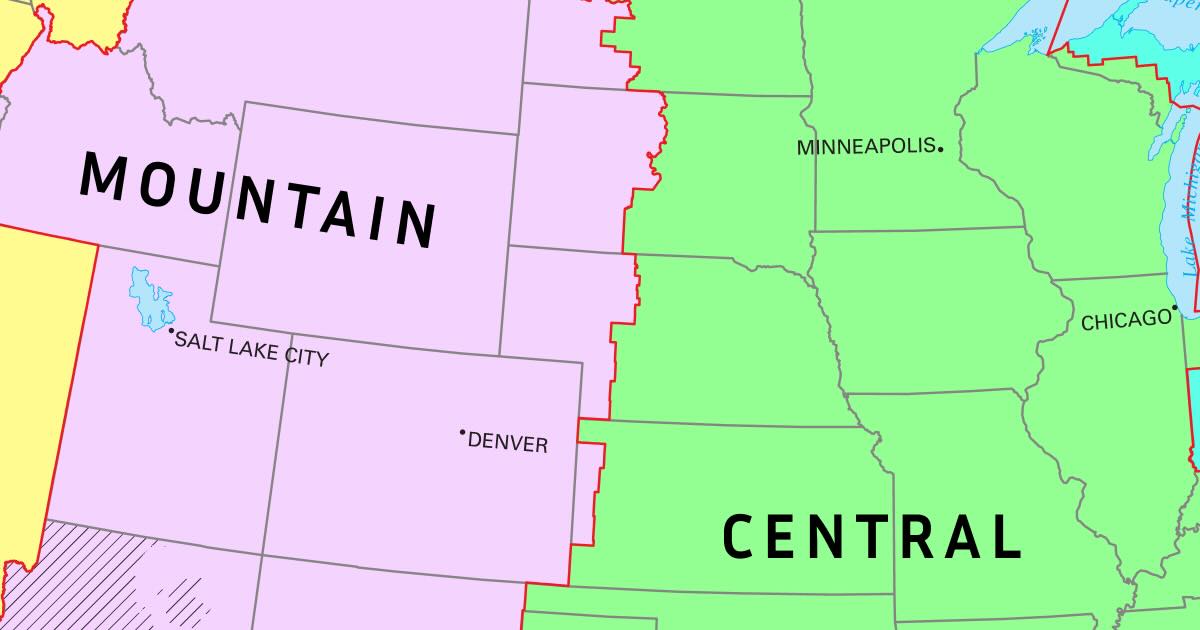
Minneapolis, along with its sister city Saint Paul, is located in the state of Minnesota. This region falls within the Central Time Zone (CT) of North America. The Central Time Zone is one of the nine standard time zones in the United States and covers a large portion of the central part of the country.
The Central Time Zone is defined by its offset from UTC. During standard time, it is known as Central Standard Time (CST), which is UTC-6. This means that when it is noon UTC, it is 6:00 AM in the Central Time Zone. However, most of the areas within the Central Time Zone observe Daylight Saving Time.
Daylight Saving Time in Minneapolis
When Daylight Saving Time is in effect, the Central Time Zone transitions to Central Daylight Time (CDT). During CDT, the time is advanced by one hour, making it UTC-5. This typically occurs in the spring, when clocks are moved forward by an hour, and reverts back to CST in the fall, when clocks are moved back by an hour. The specific dates for the start and end of Daylight Saving Time in the United States are set by federal law and generally align across most states that observe it. For Minneapolis, this means that for a significant portion of the year, its time will be five hours behind UTC.
The observance of Daylight Saving Time is a common practice across North America, aiming to maximize daylight in the evenings during warmer months. This practice can sometimes lead to confusion for travelers, especially when crossing time zones that do or do not observe DST. However, for most visitors to Minneapolis, knowing that it is in the Central Time Zone and observes DST is sufficient for general planning.
Implications for Travelers to Minneapolis
Understanding the time zone of Minneapolis is crucial for several reasons when planning a trip. It affects flight schedules, hotel check-in and check-out times, appointment bookings, and even the simple act of calling friends or family back home.
Coordinating Travel and Itineraries
When booking flights to Minneapolis–Saint Paul International Airport (MSP), all flight times will be listed in local time, which is Central Time. This means that if you are traveling from a location in the Eastern Time Zone (ET), which is UTC-5 or UTC-4 during DST, your flight will arrive in Minneapolis one hour earlier than the scheduled departure time from your origin, adjusted for the flight duration. For example, a flight departing at 10:00 AM ET from New York would arrive in Minneapolis around 11:00 AM CT, assuming a roughly 3-hour flight time and no time zone difference other than CT vs ET. It’s always important to double-check departure and arrival times and confirm they are in local time for both your origin and destination.
Similarly, when booking accommodations, such as at the Hotel Ivy, a Luxury Collection Hotel, Minneapolis, or exploring options like The Royal Sonesta Minneapolis Downtown, check-in and check-out times will be in Central Time. This is a standard practice across the hospitality industry.
Connecting with Home and Business
For international travelers or those with business commitments, understanding the time difference between Minneapolis and their home country or office is vital. For instance, someone traveling from the United Kingdom, which observes Greenwich Mean Time (GMT) or British Summer Time (BST), will find a significant time difference. During CST (UTC-6), the UK is 6 hours ahead. During CDT (UTC-5), the UK is 5 hours ahead (assuming the UK is on BST, which is UTC+1). This means a 9:00 AM call from London would be around 3:00 AM in Minneapolis during CST.
When scheduling calls or video conferences, using online time zone converters or simply being aware of the general difference can save a lot of miscommunication. For business travelers, this is particularly important for adhering to meeting schedules and maintaining professional communication.
Exploring Minneapolis: Beyond the Time Zone
While knowing the time zone is essential, Minneapolis offers a wealth of experiences that extend far beyond its temporal positioning. Known for its vibrant arts scene, beautiful parks, and a thriving culinary landscape, the city provides attractions for every type of traveler.
Landmarks and Attractions
Minneapolis is home to numerous iconic landmarks. The Stone Arch Bridge, a historic railway bridge spanning the Mississippi River, offers stunning views of the city skyline and the Saint Anthony Falls. The Minnehaha Park, famous for its 53-foot waterfall, is a beloved urban oasis. For art enthusiasts, the Minneapolis Institute of Arts (MIA) houses an impressive collection spanning cultures and centuries, and the Walker Art Center is renowned for its contemporary art and sculpture garden.
Culinary Delights and Local Culture
The food scene in Minneapolis is diverse and exciting. From upscale dining experiences to casual eateries, visitors can find everything from farm-to-table restaurants to international cuisine. The city also boasts a rich local culture, with numerous festivals, live music venues, and theaters showcasing the creative spirit of its residents. Exploring neighborhoods like the North Loop, known for its trendy boutiques and restaurants, or Uptown, with its eclectic shops and vibrant nightlife, offers a true taste of Minneapolis life.
Accommodation Options
Minneapolis offers a wide range of accommodation options to suit every budget and travel style. Luxury seekers might consider renowned hotels like the Four Seasons Hotel Minneapolis or boutique establishments. Budget-conscious travelers can find comfortable and affordable options, and those looking for extended stays might opt for apartments or serviced residences. Whether you’re seeking a downtown high-rise with city views, a cozy bed and breakfast, or a resort-style stay, Minneapolis has something for everyone, and all booking and check-in times will adhere to the local Central Time.
In conclusion, while the question “What Is The Time Zone In Minneapolis?” might seem simple, understanding its implications is a key step in planning a seamless and enjoyable visit. Minneapolis operates on Central Time, observing both CST and CDT throughout the year. This knowledge will help you align your travel plans, communication, and explorations with the rhythm of this dynamic Midwestern hub.
LifeOutOfTheBox is a participant in the Amazon Services LLC Associates Program, an affiliate advertising program designed to provide a means for sites to earn advertising fees by advertising and linking to Amazon.com. Amazon, the Amazon logo, AmazonSupply, and the AmazonSupply logo are trademarks of Amazon.com, Inc. or its affiliates. As an Amazon Associate we earn affiliate commissions from qualifying purchases.