
Planning a trip to the vast, rugged landscapes of Montana requires more than just packing the right gear and mapping out scenic drives. Whether you are aiming to catch the first light over the Rocky Mountains or trying to coordinate a flight arrival into Bozeman, understanding the local time is essential. Precision in scheduling is the difference between a seamless adventure and missing your guided tour of Yellowstone National Park.
Understanding Mountain Standard Time
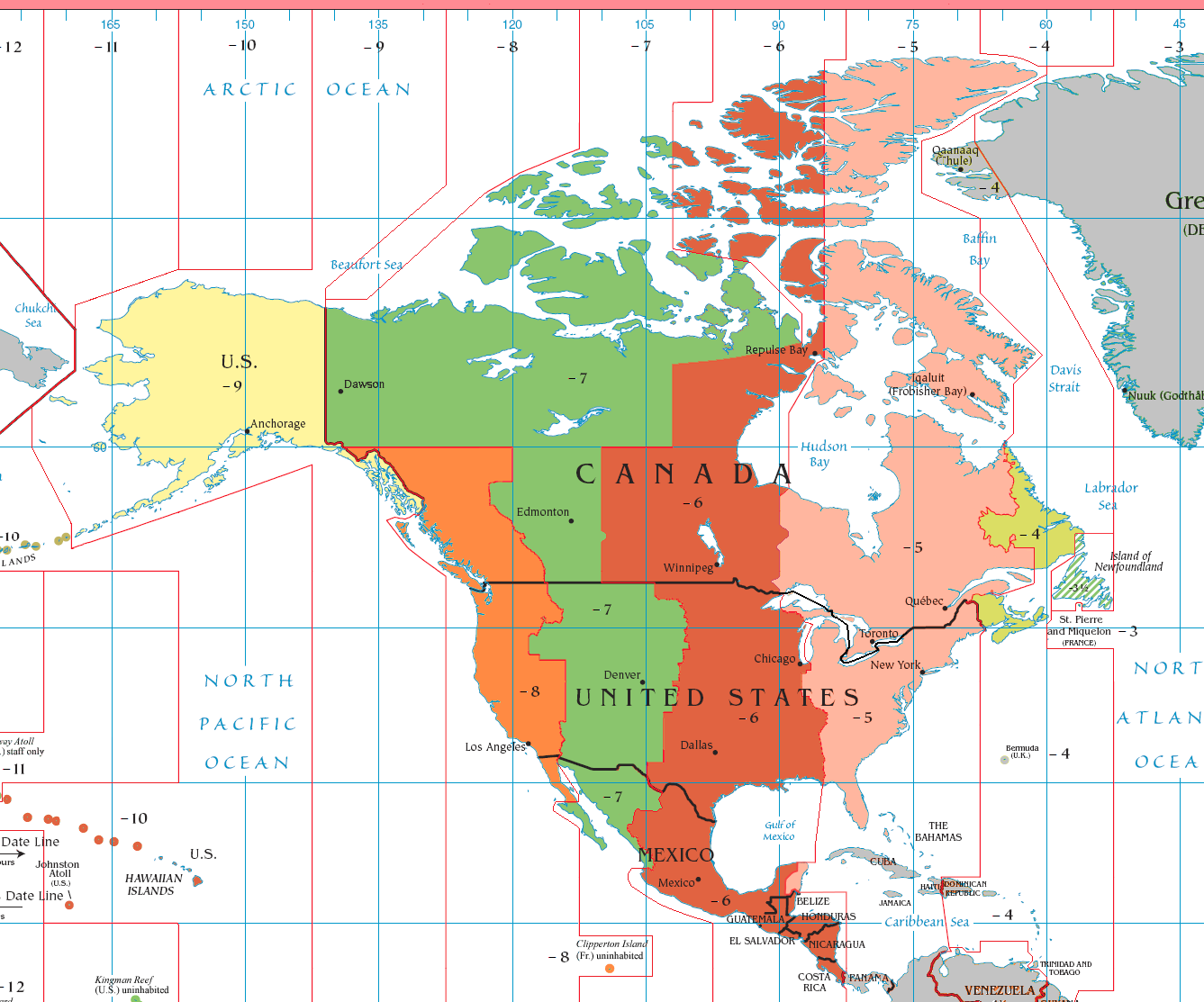
The entirety of Montana operates within the Mountain Time Zone. This geographic region is crucial for travelers moving through the United States because it acts as a bridge between the busy coastal schedules of the East and the relaxed pace of the West.
The Geography of Time
Mountain Standard Time (MST) is defined as being seven hours behind Coordinated Universal Time (UTC-7). However, when considering the full duration of your stay, you must factor in the transition to Mountain Daylight Time (MDT). Like most of the country, Montana observes Daylight Saving Time. This means that from the second Sunday in March until the first Sunday in November, the state shifts to UTC-6 to account for the longer summer evenings, providing more sunlight for hiking through Glacier National Park or fishing on the Madison River.
Why Time Zones Matter for Travelers
If you are flying from New York or Chicago, the two-hour difference can often lead to “traveler’s fog.” Adjusting your internal clock is particularly important when you have time-sensitive reservations, such as a stay at the historic Many Glacier Hotel. Failing to account for the shift can lead to missing crucial check-in windows, which, in a state as remote as Montana, can be difficult to rectify once the sun begins to set.
Navigating Logistics Across Big Sky Country
Because Montana covers a significant amount of land—it is the fourth-largest state by area—travelers often find that the biggest challenge isn’t the time zone itself, but the travel time between landmarks.
Managing Flight Arrivals
Most travelers landing at Bozeman Yellowstone International Airport or Missoula Montana Airport will find that their smartphones automatically update to Mountain Time. However, it is wise to keep a manual watch set to your home time zone for the first 24 hours. This practice helps you keep track of business calls or family check-ins back home without the cognitive load of calculating the offset in your head.

The Importance of Daylight Hours
In Montana, the sun dictates the rhythm of life more than the clock. During the summer solstice, the sun can stay up well past 9:00 PM, while in the winter, the days shorten dramatically. When planning a visit to Whitefish for a skiing trip, ensure your daily itinerary is front-loaded. Knowing that you are on Mountain Time is secondary to knowing that the sun will disappear behind the Bitterroot Range much earlier than you might expect in December.
Best Practices for Scheduling Your Montana Adventure
Efficient planning is the hallmark of a successful trip to the American West. By aligning your expectations with the local time zone and the unique environmental conditions of the region, you can maximize your experience.
Coordinating with Local Tours
Many outdoor outfitters and guide services operate on tight schedules to capitalize on optimal wildlife viewing times. For example, if you have booked a morning safari in Paradise Valley, your guide will expect you to be ready at the local time. Because Montana is a massive state, distances are deceptive. Always double-check that your GPS estimated arrival time aligns with the time zone of your destination, especially if you are traveling near the borders of Idaho or Wyoming, where regional mountain variations can occasionally complicate navigation.
The Digital Advantage
In the digital age, most devices handle the transition automatically, but it is never a bad idea to confirm the time zone on your booking confirmations for hotels like the Fairmont Hot Springs Resort. When moving between time zones, verify that your email notifications and calendar invites are set to the local time of your destination. This is particularly relevant for those traversing multiple states on a road trip across the American West.
Staying Organized on the Road
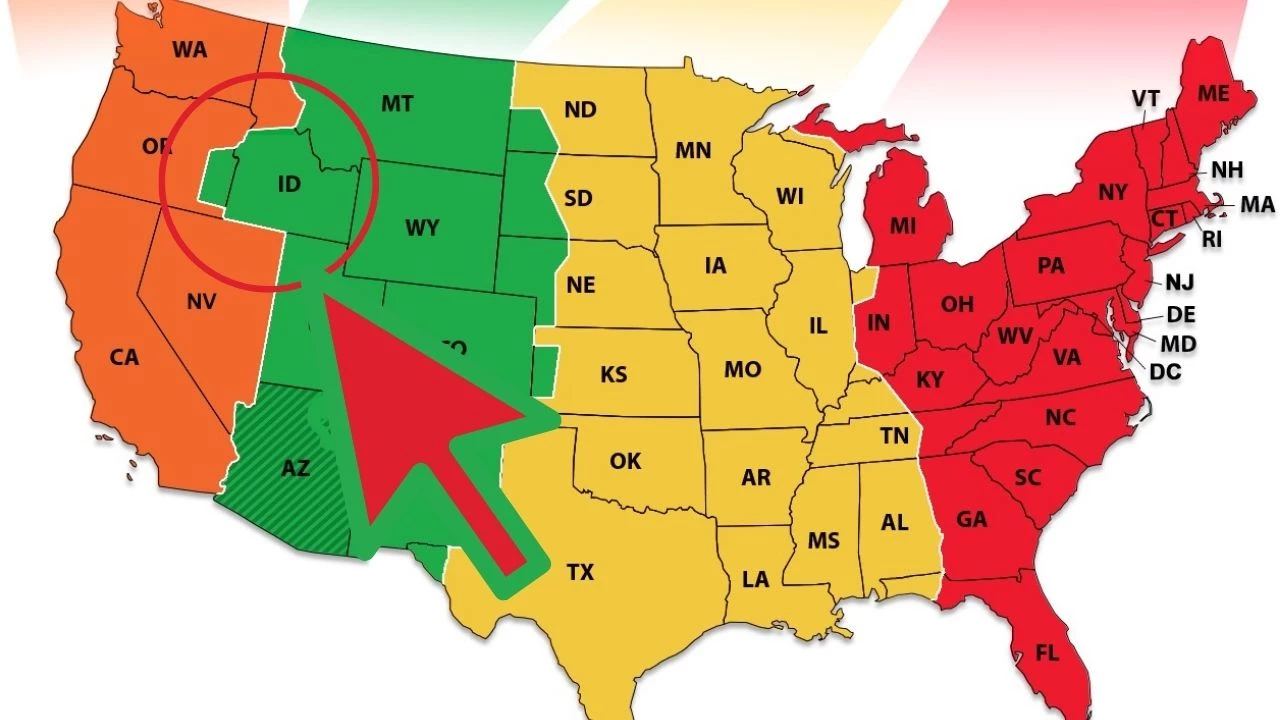
If you are on a cross-country journey, remember that while Montana is entirely within the Mountain Time Zone, neighboring states like North Dakota or South Dakota to the east are partially in the Central Time Zone. If you cross the state line heading east, you will “lose” an hour. If you are heading into Washington or Oregon to the west, you will cross into Pacific Time and “gain” an hour. Being aware of these shifts prevents the common frustration of showing up to a restaurant or tour an hour too late—or too early.
Final Considerations for the Modern Traveler
When visiting a state as breathtakingly expansive as Montana, the clock should ideally serve only as a tool for safety and logistics. Whether you are exploring the streets of Helena, the state capital, or taking in the cultural history of Billings, the most rewarding aspect of your trip will be the transition from the frantic pace of your daily life to the deliberate, awe-inspiring rhythm of nature.
While understanding that Montana resides strictly in the Mountain Time Zone provides the necessary structure for your arrival and departure, try not to let the seconds define your experience. The best memories in this part of the world—whether you are watching the Northern Lights or enjoying a quiet coffee in Big Sky—are often found in the moments when you forget to check the time altogether. By managing your logistics with the information provided, you ensure that your trip remains smooth, allowing you the freedom to lose track of time for all the right reasons.
LifeOutOfTheBox is a participant in the Amazon Services LLC Associates Program, an affiliate advertising program designed to provide a means for sites to earn advertising fees by advertising and linking to Amazon.com. Amazon, the Amazon logo, AmazonSupply, and the AmazonSupply logo are trademarks of Amazon.com, Inc. or its affiliates. As an Amazon Associate we earn affiliate commissions from qualifying purchases.