
Understanding the time zone in New York is a fundamental piece of information for any traveler, business professional, or simply someone coordinating with individuals in this iconic city. The question of its relation to Greenwich Mean Time (GMT) often arises, and a clear grasp of this temporal relationship is crucial for seamless planning and communication.
New York’s Time Zone: Eastern Standard Time (EST) and Eastern Daylight Time (EDT)
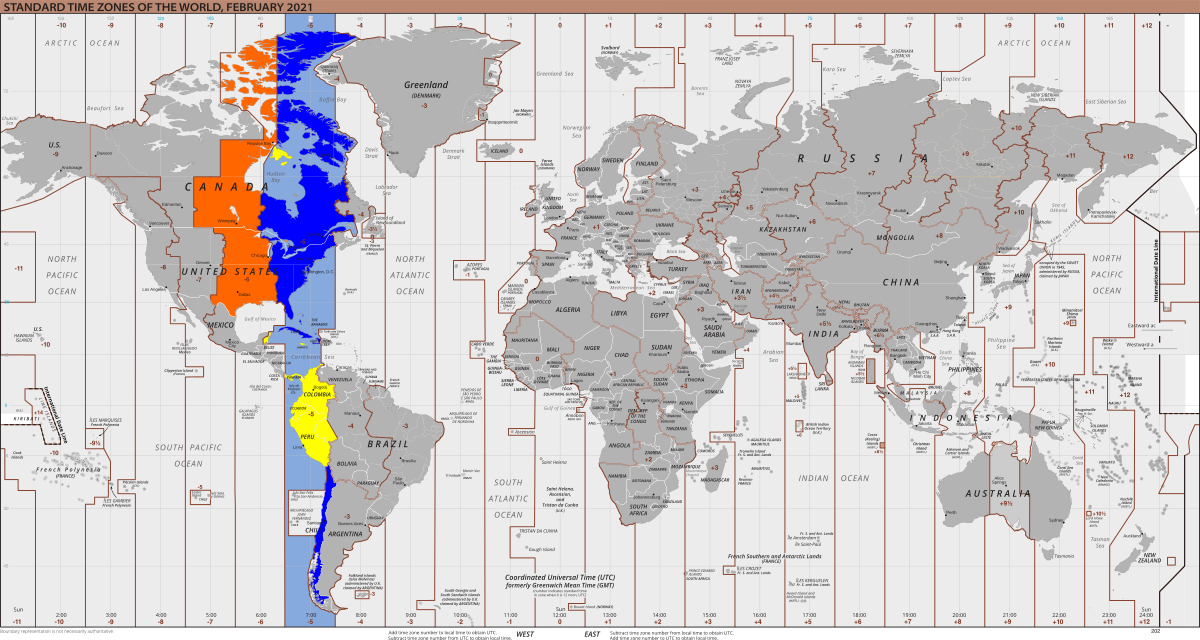
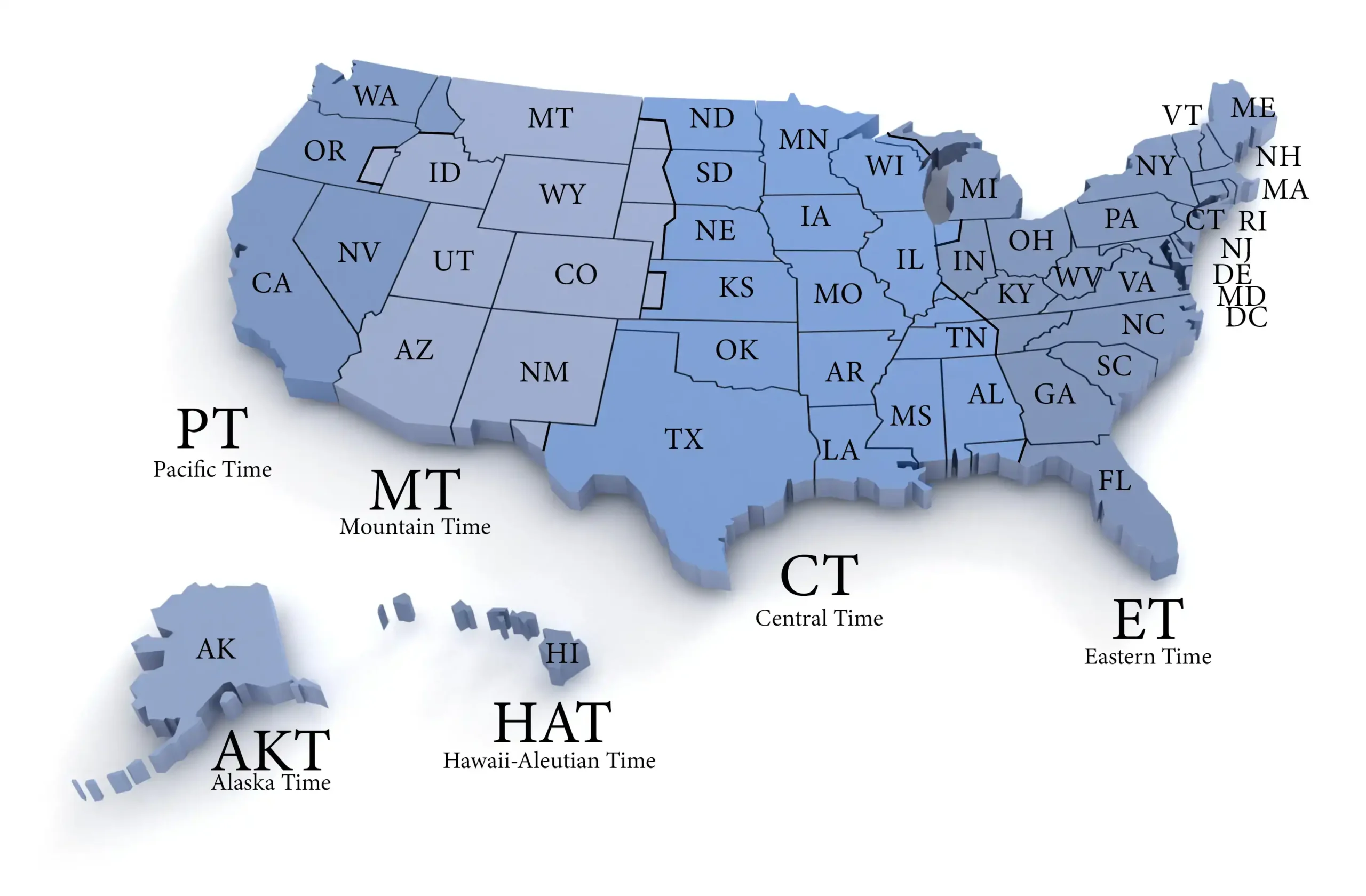
New York observes the Eastern Time Zone. This zone is one of the most populous in North America, stretching across a significant portion of the eastern United States, including major hubs like New York City, Washington D.C., and Miami. The Eastern Time Zone is further divided into two distinct periods throughout the year: Eastern Standard Time (EST) and Eastern Daylight Time (EDT).
Eastern Standard Time (EST)
During the winter months, typically from the first Sunday in November to the second Sunday in March, New York operates on Eastern Standard Time (EST). EST is UTC-5, meaning it is 5 hours behind Coordinated Universal Time (UTC). For many years, GMT was used interchangeably with UTC, but UTC is the modern standard. However, the historical association of GMT with UTC still leads to many people asking about GMT. When New York is on EST, it is 5 hours behind UTC.
Eastern Daylight Time (EDT)
As the days lengthen and spring arrives, New York transitions to Eastern Daylight Time (EDT). This occurs on the second Sunday in March and lasts until the first Sunday in November. During this period, clocks are advanced by one hour. EDT is UTC-4, meaning it is 4 hours behind Coordinated Universal Time (UTC). This shift is observed to make better use of natural daylight.
The Relationship to GMT
The question “What Is The Time Zone In New York GMT?” essentially asks for the difference between New York’s time and the time at the prime meridian. Historically, Greenwich Mean Time (GMT) was the international standard for timekeeping, based on the mean solar time at the Royal Observatory in Greenwich, London. While UTC has largely superseded GMT as the primary time standard in scientific and technical contexts, the concept of GMT remains widely understood, particularly in relation to time zone offsets.
When New York is on EST (UTC-5), it is 5 hours behind GMT. For instance, if it is 12:00 PM GMT, it is 7:00 AM EST in New York.
When New York is on EDT (UTC-4), it is 4 hours behind GMT. If it is 12:00 PM GMT, it is 8:00 AM EDT in New York.
This constant difference of 4 or 5 hours behind GMT is a critical factor for travelers.
Implications for Travel and Communication
Navigating Time Zones for Travelers

For travelers planning a trip to New York, understanding the time difference is paramount for booking flights, hotels, and activities. When booking international flights, airlines will always display departure and arrival times in the local time of each city. However, it’s essential to cross-reference and ensure your itinerary aligns with your home time zone if you are making onward connections or communicating with people back home. For example, if you are flying from London (which is typically on GMT or BST, British Summer Time, which is GMT+1) to New York, you will experience a significant time change. A flight departing London at 10:00 AM GMT during the winter would arrive in New York around 1:00 PM EST, but due to the 5-hour difference, the actual flight time might be shorter than it appears when considering the local arrival time.
When you arrive in New York, you will need to adjust your watch accordingly. The effects of jet lag are often compounded by a sudden shift in the time of day for meals, sleep, and daily activities. Researching the time difference in advance and mentally preparing for the adjustment can significantly mitigate these effects. Booking accommodation that offers wake-up call services can also be a helpful measure to ensure you don’t oversleep, especially if you’ve had a long journey.
Business and International Coordination
In the globalized business world, precise timekeeping is essential for successful collaboration. Businesses with operations or clients in New York must be acutely aware of the Eastern Time Zone’s relationship with GMT and other major time zones. Conference calls, video meetings, and project deadlines need to be scheduled with exactitude to avoid misunderstandings. For instance, a client in Paris (which is typically GMT+1 or GMT+2 during daylight saving time) needs to know that a meeting scheduled for 9:00 AM EST in New York will be at 2:00 PM GMT or 3:00 PM in Paris, depending on whether Paris is observing daylight saving.
Many companies utilize online time zone converters or world clock applications to manage international schedules. These tools are invaluable for quickly determining the correct meeting times across different geographical locations. Understanding the nuances of daylight saving time in both New York and the location of your business partners is also critical, as these shifts can alter the time difference by an hour throughout the year. For those managing international projects, a clear and consistent communication protocol regarding time zones, perhaps always stating times in both local and a reference international standard like UTC, can prevent costly errors.
Daylight Saving Time in New York
The transition to and from daylight saving time in New York is a predictable, yet sometimes confusing, aspect of its temporal alignment.
The Mechanics of the Shift
As mentioned, New York observes daylight saving time. This means that on the second Sunday in March, clocks are moved forward one hour at 2:00 AM EST, turning the time to 3:00 AM EDT. This effectively shifts the entire Eastern Time Zone forward by one hour relative to UTC. Conversely, on the first Sunday in November, at 2:00 AM EDT, clocks are moved back one hour, reverting to 1:00 AM EST. This return to Standard Time brings the zone back to its UTC-5 designation.
Impact on Daily Life and Activities
The daylight saving time shifts directly impact daily life. During EDT, the sun sets later in the evening, which is often seen as beneficial for outdoor activities and extends the usable daylight hours for work and recreation. Many New York residents appreciate the extra daylight for evening strolls through Central Park or enjoying a drink on a rooftop bar after work.
However, the transitions themselves can cause a temporary disruption to sleep patterns and daily routines. The hour lost in the spring can lead to a few days of adjustment for some individuals, while the extra hour gained in the fall is often welcomed for an additional hour of sleep. From a logistical standpoint, it’s a reminder for everyone to update their clocks and devices, especially analog ones, to avoid being out of sync. For businesses operating across multiple time zones, the differing dates for daylight saving shifts between countries can lead to temporary discrepancies in time differences, requiring careful attention to scheduling.
Beyond GMT: Understanding UTC
While the term GMT is still commonly used, especially in casual conversation, the international standard for time is Coordinated Universal Time (UTC). UTC is the primary time standard by which the world regulates clocks and time. It is based on highly precise atomic time measurements, rather than the Earth’s rotation, making it more accurate than GMT. For all practical purposes, when discussing time zones, UTC and GMT are often used interchangeably, with UTC being the more technically correct term.
New York’s time zone, EST and EDT, is defined by its offset from UTC: EST is UTC-5 and EDT is UTC-4. Understanding this relationship provides a clear and unambiguous way to reference New York’s time relative to any other point on the globe. This is particularly important for global industries and international travelers who need to ensure perfect synchronization across diverse geographical locations. The clarity offered by UTC is indispensable in fields like aviation, telecommunications, and international finance, where even minute discrepancies in time can have significant consequences. For the average traveler, however, knowing that New York is generally 4 or 5 hours behind the time observed at the prime meridian provides a solid foundation for planning their visit and staying connected.
LifeOutOfTheBox is a participant in the Amazon Services LLC Associates Program, an affiliate advertising program designed to provide a means for sites to earn advertising fees by advertising and linking to Amazon.com. Amazon, the Amazon logo, AmazonSupply, and the AmazonSupply logo are trademarks of Amazon.com, Inc. or its affiliates. As an Amazon Associate we earn affiliate commissions from qualifying purchases.