
Embarking on a journey to the dazzling desert landscapes of Phoenix, Arizona promises an unforgettable experience, rich in culture, adventure, and sunshine. However, before you book your flights, reserve your luxury suite, or plan your itinerary of iconic landmarks, there’s one crucial piece of information that can significantly impact your visit: the unique time zone status of Phoenix and the rest of Arizona. Unlike most of the United States, Arizona does not observe Daylight Saving Time (DST). This distinctive characteristic means that while the rest of the country “springs forward” or “falls back,” Arizona consistently remains on Mountain Standard Time (MST) throughout the year.
This seemingly simple fact has far-reaching implications for travelers, affecting everything from flight schedules and hotel check-in times to coordinating calls with loved ones back home and planning day trips to neighboring states. Understanding this peculiarity is key to a seamless and stress-free trip to the Grand Canyon State. For much of the year, specifically from March to November, Phoenix operates on the same time as Pacific Daylight Time (PDT), which is UTC-7. However, during the winter months, from November to March, when other states revert to Standard Time, Phoenix remains on MST, aligning with Mountain Standard Time (MST), also UTC-7. This consistency means that during summer, it’s three hours behind Eastern Daylight Time and the same as Pacific Daylight Time; in winter, it’s two hours behind Eastern Standard Time and one hour ahead of Pacific Standard Time. This article delves into the specifics of Arizona’s time zone, its historical context, and practical advice for navigating your travel, accommodation, and touring experiences in the dynamic heart of the desert Southwest.
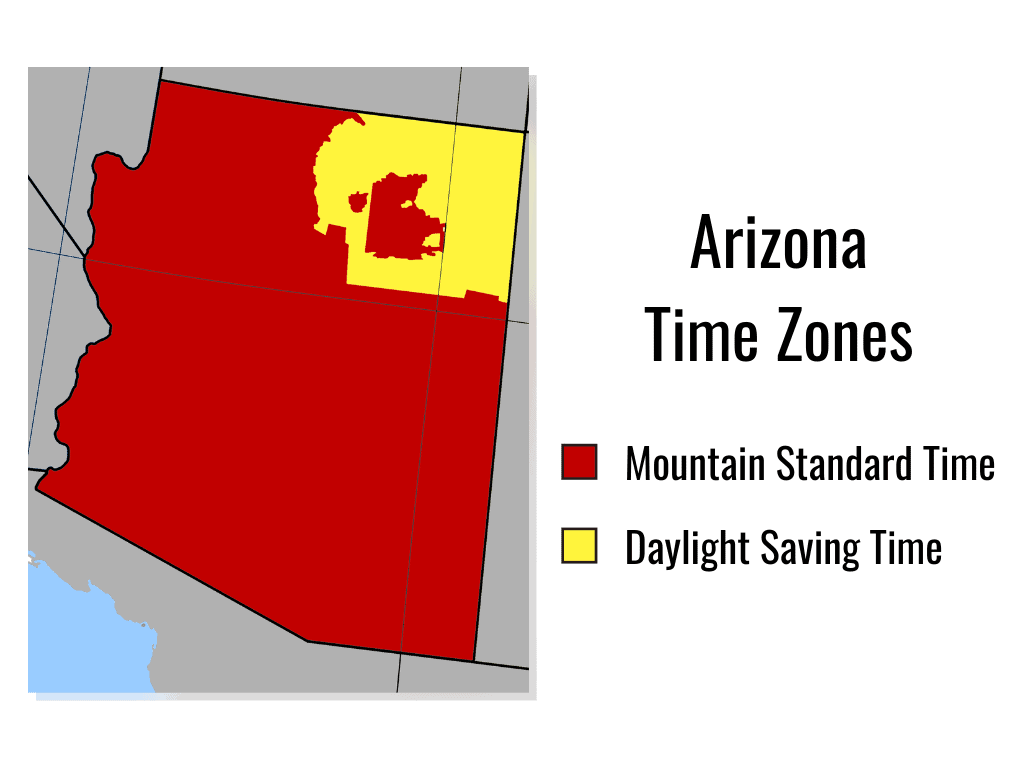
Understanding Arizona’s Unique Time Zone Status
The decision for Arizona to largely forgo Daylight Saving Time stems from a practical consideration deeply rooted in the state’s geography and climate. With its intense summer heat, the notion of extending daylight into the evening hours during the hottest parts of the year was seen as more of a burden than a benefit. The motivation behind DST—to save energy by reducing the need for artificial lighting—simply didn’t translate well to a state where air conditioning usage would only increase with more evening sunlight.
Why Arizona Skips Daylight Saving Time
The Uniform Time Act of 1966 established Daylight Saving Time across the United States, but it also allowed states to opt out. Arizona, recognizing its unique environmental challenges, chose to do so in 1968. The primary argument against DST in Arizona revolves around the extreme summer temperatures. Shifting the clock forward would mean that the sun would set an hour later, pushing the hottest part of the day even further into the evening. This would result in higher electricity consumption for air conditioning, negating any potential energy savings from reduced lighting. Furthermore, outdoor activities, dining, and other tourism-related experiences would be pushed into even hotter, later hours, making them less enjoyable for both locals and visitors. By staying on Mountain Standard Time year-round, Phoenix and other non-observing parts of Arizona ensure that sunrise and sunset times remain relatively stable, leading to more predictable daylight hours for morning activities and slightly earlier cooler evenings.
The Exception: Navajo Nation and DST
While most of Arizona adheres to MST year-round, there is one significant exception: the Navajo Nation. The Navajo Nation, a sovereign tribal nation, spans across parts of Arizona, New Mexico, and Utah. To maintain time consistency with the portions of their territory in New Mexico and Utah, both of which observe DST, the Navajo Nation within Arizona does indeed observe Daylight Saving Time. This creates a fascinating and sometimes confusing “time island” within the state. For instance, if you drive north from Phoenix towards areas like Monument Valley or Canyon de Chelly, which are within the Navajo Nation, you will need to adjust your clock forward by one hour during the DST period. This detail is particularly important for travelers planning excursions to northern Arizona landmarks and tribal lands.
Practical Implications for Travelers
For visitors to Phoenix, this unique time zone situation requires a bit of awareness. When flying into Phoenix Sky Harbor International Airport, especially between March and November, be mindful of the time difference. Your phone might automatically adjust to a new time zone upon landing, but it’s essential to confirm whether it’s displaying the local Phoenix time or if it’s still synced to the general Mountain Time Zone which, in other states, would be observing DST. Always double-check flight departure times, hotel check-in windows, and reservation confirmations against Phoenix’s year-round MST.
Furthermore, if your trip involves cross-state travel, particularly to California, Nevada, Utah, or New Mexico, you’ll need to account for time shifts. During DST, Phoenix will be the same time as California and Nevada (PDT), but one hour behind Utah and New Mexico (MDT). In winter, Phoenix will be one hour ahead of California and Nevada (PST), and the same time as Utah and New Mexico (MST). This can be particularly relevant for day trips to attractions like the Grand Canyon National Park (which is mostly in Arizona and observes MST, except for the eastern section within the Navajo Nation) or even a drive to Las Vegas.

Planning Your Trip to Phoenix: Time Zone Considerations for Travelers
The seamless integration of travel, hotels, and tourism relies heavily on precise timing. When visiting a destination like Phoenix with its distinct time zone rules, a little pre-planning can prevent potential mishaps and enhance your overall experience. Whether you’re booking a sophisticated suite, planning an adventurous hike, or arranging a business meeting, understanding the local clock is paramount.
Travel Planning and Connectivity
Booking flights to Phoenix Sky Harbor International Airport typically defaults to local time, but it’s always wise to confirm this. Arrival and departure times should be double-checked against your home time zone, especially if you’re coming from a region that observes DST. For instance, if flying from a state that’s “springing forward,” you might gain an hour upon arrival in Phoenix during the summer months, making your arrival feel earlier. Conversely, when returning home, you might “lose” an hour.
Beyond flights, consider connectivity with family, friends, or colleagues back home. If you’re coordinating video calls or important communications, remember that Phoenix might be on a different schedule than what you’re used to. During the DST period, Phoenix will be the same time as Los Angeles (PDT) but three hours behind New York City (EDT). In the winter, it will be one hour ahead of Los Angeles (PST) and two hours behind New York City (EST). Keep a world clock handy or set multiple time zones on your smartphone to avoid confusion.

Accommodation Bookings and Check-ins
Hotels, resorts, and apartments in Phoenix operate strictly on Mountain Standard Time. When making accommodation bookings, verify check-in and check-out times. Most properties adhere to a 3 PM check-in and 11 AM or 12 PM check-out. If your flight arrives early or departs late, be sure to communicate with your hotel about early check-in or late check-out options, remembering the local time. For example, if you arrive from a Pacific Time Zone state during DST, you might mistakenly think you have an extra hour, only to find yourself an hour behind schedule for check-in. This detail can be particularly critical for travelers utilizing short-term rental apartments or villas where strict arrival windows might be enforced. Top-tier hotels like The Phoenician, Arizona Biltmore, A Waldorf Astoria Resort, or Four Seasons Resort Scottsdale at Troon North are adept at handling international and out-of-state guests, but being prepared on your end will only enhance your experience.
Dining and Event Schedules
Phoenix’s vibrant culinary scene and bustling event calendar also follow MST. When making dinner reservations at renowned restaurants or planning to attend concerts, sporting events, or cultural attractions, ensure your internal clock is aligned. If you’ve booked a hot air balloon ride at sunrise or a guided hike in the Sonoran Desert in the early morning, understanding the actual local time is paramount to not missing these memorable experiences. Consider the timing for popular Phoenix activities, such as exploring the Desert Botanical Garden, visiting the Heard Museum, or catching a Major League Baseball Spring Training game. These events are timed for local convenience, reflecting the consistent MST schedule. Local culture and events, from farmers markets to festivals, will always be advertised in Phoenix local time, so adjusting your mindset upon arrival is a small but important step for a seamless trip.
Exploring Phoenix and Beyond: Attractions and Experiences Across Time
Phoenix offers a rich tapestry of attractions and experiences, catering to every lifestyle, from luxury travelers seeking opulent resorts to adventure seekers looking to conquer desert trails. Its central location also makes it an ideal base for exploring wider Arizona and even neighboring states, but remember to factor in those time zone nuances.
Iconic Landmarks and Cultural Immersion
The Phoenix metropolitan area, often referred to as the Valley of the Sun, boasts numerous landmarks and cultural sites that promise enriching experiences. The Desert Botanical Garden showcases the stunning flora of the Sonoran Desert with its well-maintained trails. The Heard Museum offers a profound look into Native American art and culture, while Taliesin West, the winter home and architectural school of Frank Lloyd Wright, provides a glimpse into architectural genius. All these attractions operate on local Phoenix time, so scheduling your visits to avoid peak heat (especially in summer) and ensure you have ample time to explore is crucial. Early morning visits are often recommended for outdoor sites like Camelback Mountain or Papago Park to beat the heat, and your internal clock needs to be correctly set for these early starts.
Beyond Phoenix itself, nearby cities like Scottsdale, Tempe, and Mesa offer their own unique draws, from upscale shopping and dining to vibrant college towns and outdoor recreation. These areas also adhere to Arizona’s no-DST policy, simplifying local travel within the Valley of the Sun.
Day Trips and Multi-State Adventures
Arizona’s geographical position makes it an excellent starting point for various iconic road trips. A popular excursion is to the majestic Grand Canyon National Park. Since the park is entirely within Arizona (excluding portions of the Navajo Nation on the east rim), your Phoenix time will be consistent, simplifying tour bookings and planning. The stunning red rocks of Sedona and the cooler climate of Flagstaff are also straightforward day trips, remaining on MST.
However, if your journey extends beyond Arizona, the time zone variations become more pronounced. A trip to the Hoover Dam and on to Las Vegas (Nevada) will involve a time change during DST. During this period, Phoenix and Las Vegas are on the same time (PDT/MST). However, in winter, Las Vegas reverts to Pacific Standard Time (PST), making it one hour behind Phoenix. Similarly, venturing into Utah or New Mexico during DST would mean moving an hour forward. Always carry a reliable navigation device that automatically updates time zones or manually adjust your watch when crossing state lines. This is particularly vital if you have pre-booked tours, specific entry times for attractions like Grand Canyon West (which is in Arizona but on the Hualapai Reservation, which observes DST), or dining reservations.
Making the Most of Your Phoenix Stay: Tips for a Seamless Experience
Successfully navigating Phoenix’s unique time zone contributes significantly to an enjoyable and hassle-free trip. From choosing the perfect accommodation to embracing local activities, these tips will help you optimize your desert adventure.
Choosing the Right Accommodation
Phoenix offers a diverse range of accommodations to suit every budget and lifestyle. For luxury travelers, resorts like JW Marriott Phoenix Desert Ridge Resort & Spa or The Phoenician offer unparalleled amenities, including world-class golf courses, rejuvenating spas, and exquisite dining. Families might opt for resorts with extensive pool complexes and kids’ clubs, while budget travelers can find comfortable hotels and vacation rentals. When booking, always confirm the local check-in and check-out times. Consider properties that offer flexible hours or luggage storage if your flight schedule doesn’t perfectly align, keeping in mind the consistent MST clock. Reviews and comparison tools on travel sites can help you find accommodations that best suit your timing needs.
Optimizing Your Itinerary
The consistent time zone in Phoenix allows for more predictable planning, especially for outdoor activities. Mornings are often the best time for hiking Camelback Mountain, exploring South Mountain Park and Preserve, or visiting the Phoenix Zoo and Desert Botanical Garden to avoid the afternoon heat. Afternoons can be dedicated to indoor attractions like the Musical Instrument Museum or cooling off by a resort pool. Evening plans for dining or entertainment can be made without worrying about a sudden shift in local time. When coordinating with tour operators, always reconfirm the pickup times and meeting points, making it clear you are aware of Arizona’s year-round MST.
General Travel Tips for Phoenix
Beyond the time zone, several other tips can enhance your Phoenix experience. Hydration is key in the desert climate; always carry water, especially if you’re engaging in outdoor activities. Sun protection, including hats, sunglasses, and sunscreen, is essential year-round. While public transportation is available, renting a car is often recommended for exploring the wider Valley of the Sun and its surrounding attractions. Consider visiting during the shoulder seasons (spring and fall) for pleasant weather and fewer crowds, although the winter months also offer delightful conditions. If you’re planning a trip during a major event like the Super Bowl or Final Four, which Phoenix has hosted, book accommodations and flights well in advance, and confirm all schedules against the local time.
In conclusion, understanding that Phoenix, Arizona observes Mountain Standard Time year-round, without adjusting for Daylight Saving Time (except for the Navajo Nation), is a fundamental piece of knowledge for any traveler. This unique time zone status, born from practical considerations related to the desert climate, impacts everything from travel logistics to daily itineraries. By keeping this in mind and employing a few simple planning strategies, you can ensure a smooth, enjoyable, and memorable visit to the vibrant heart of the Sonoran Desert, allowing you to fully immerse yourself in all the experiences that Phoenix and Arizona have to offer.
LifeOutOfTheBox is a participant in the Amazon Services LLC Associates Program, an affiliate advertising program designed to provide a means for sites to earn advertising fees by advertising and linking to Amazon.com. Amazon, the Amazon logo, AmazonSupply, and the AmazonSupply logo are trademarks of Amazon.com, Inc. or its affiliates. As an Amazon Associate we earn affiliate commissions from qualifying purchases.