
Understanding the time zone in Seattle, Washington is a crucial piece of information for any traveler planning a visit to this vibrant Pacific Northwest gem. Whether you’re coordinating flights, booking accommodations, scheduling tours, or simply trying to connect with loved ones back home, knowing the local time is fundamental to a seamless travel experience. This article will delve into the intricacies of Seattle‘s time zone, its implications for travelers, and how it fits into the broader context of Washington state and its connection to global timekeeping.
Navigating Time Zones: The Foundation of Travel Planning
When embarking on a journey, especially across different regions or countries, grasping the local time zone is paramount. It impacts everything from your flight arrival and departure times to the operational hours of attractions and restaurants. For Seattle, Washington, this means understanding its position within a specific time zone and how it interacts with other time zones around the world. This knowledge prevents missed connections, allows for accurate planning of activities, and ensures you can effectively communicate with others regardless of their location.
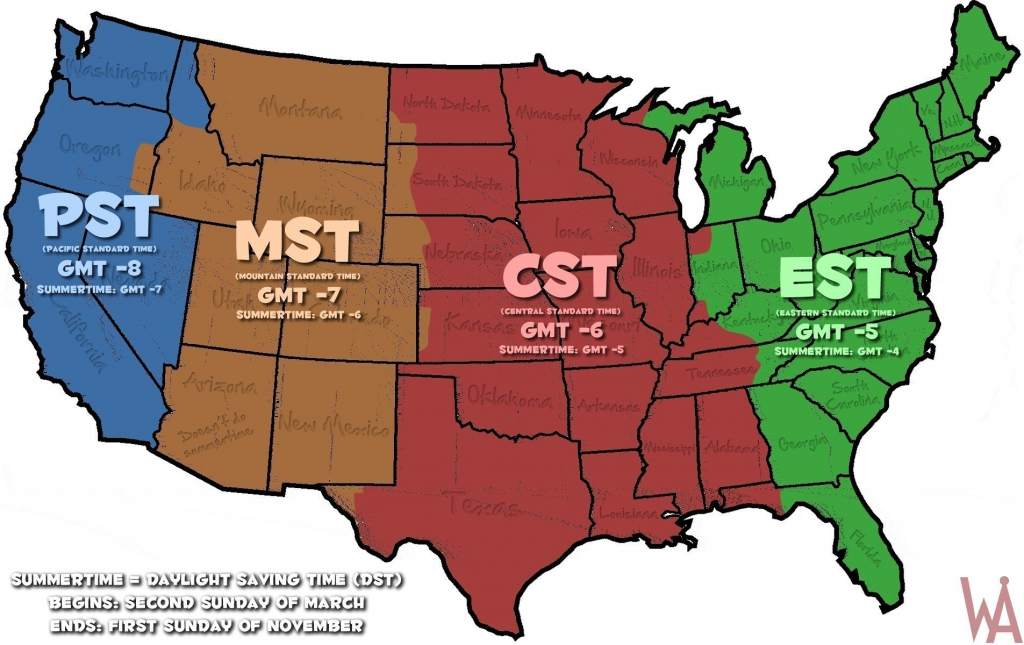
Pacific Standard Time (PST) and Pacific Daylight Time (PDT)
Seattle, Washington observes the Pacific Time Zone. This zone is characterized by two distinct periods: Pacific Standard Time (PST) and Pacific Daylight Time (PDT).
Pacific Standard Time (PST) is the standard time observed in the Pacific Time Zone during the winter months. PST is UTC-8, meaning it is eight hours behind Coordinated Universal Time (UTC). When Daylight Saving Time is not in effect, Seattle operates on PST. This is the baseline time for the region during its colder seasons.
Pacific Daylight Time (PDT) is observed during the warmer months when Daylight Saving Time is in effect. PDT is UTC-7, meaning it is seven hours behind UTC. The switch from PST to PDT typically occurs on the second Sunday in March, and the switch back from PDT to PST occurs on the first Sunday in November. This practice of adjusting clocks forward by one hour allows for an extra hour of daylight in the evenings during spring and summer, a common practice in many parts of North America.
The observation of Daylight Saving Time means that the exact UTC offset for Seattle changes twice a year. Travelers need to be aware of these shifts to avoid confusion. For example, if you’re planning a trip in late March, you’ll need to consider that Seattle will have already transitioned to PDT. Conversely, if your travel is planned for early November, the city will have reverted to PST. This temporal fluctuation is a common aspect of travel planning in many regions that observe Daylight Saving Time.
The Significance of UTC
Coordinated Universal Time (UTC) is the primary time standard by which the world regulates clocks and time. It is essentially the successor to Greenwich Mean Time (GMT) and is not affected by Daylight Saving Time in any country. Understanding UTC is crucial when calculating time differences. For instance, if you are in London, which often observes GMT (UTC+0) or British Summer Time (UTC+1), knowing that Seattle is UTC-8 (PST) or UTC-7 (PDT) allows you to accurately determine the time difference. This is particularly useful for international travelers or those coordinating with individuals in different parts of the world. For example, a business call scheduled for 9 AM PST from Seattle would be at 5 PM in London during PST, and 6 PM in London during PDT.
Practical Implications for Travelers in Seattle
Knowing the time zone in Seattle, Washington has tangible benefits for every aspect of your trip. From booking flights to exploring the city’s renowned attractions and securing comfortable lodging, a clear understanding of local time streamlines your experience and helps you make the most of your visit.
Travel Planning and Logistics

Flights: When booking flights to Seattle-Tacoma International Airport (SEA), always pay close attention to the arrival and departure times listed in local Seattle time. Airlines typically display times in the local time zone of the airport. This is vital for coordinating airport pickups, planning onward travel, and ensuring you don’t miss your flight. For instance, if you are flying from New York City (Eastern Time Zone, UTC-5 or UTC-4), and your flight departs at 10 AM EST, you need to factor in the three-hour time difference when calculating your arrival time in Seattle (which will be 7 AM PST if it’s during standard time).
Accommodation: When booking a hotel, resort, or apartment in Seattle, such as the highly-rated Edgewater Hotel or a charming boutique hotel in the Belltown neighborhood, you’ll need to consider check-in and check-out times, which are always based on local Seattle time. This also applies if you’re considering a longer-term stay in an apartment rental, where lease agreements will stipulate times in the local zone.
Tours and Activities: Seattle offers a wealth of activities, from visiting the iconic Space Needle to exploring the bustling Pike Place Market. Tour operators and activity providers will list their schedules in Pacific Time. Ensuring you arrive on time for your guided tours, ferry rides to places like Bainbridge Island, or even dinner reservations at renowned restaurants like The Pink Door, depends on accurately interpreting these times. Missing a reservation for a popular attraction or a sunset cruise can be a significant disappointment.
Business and Communication: For those on business trips or attending conferences in Seattle, understanding the time zone is critical for scheduling meetings with local contacts and coordinating with colleagues in different time zones. International calls, video conferences, and even simple email correspondences benefit from precise time awareness to ensure effective communication and avoid misunderstandings.
Adjusting to Local Time
When you travel to Seattle, especially if you are coming from a significantly different time zone, you might experience jet lag. This is a physiological condition that occurs when a traveler’s internal body clock (circadian rhythm) is out of sync with the new time zone. Symptoms can include fatigue, insomnia, irritability, and difficulty concentrating.
Tips for Adjusting:
- Gradually shift your sleep schedule: In the days leading up to your trip, try to adjust your sleep and wake times to approximate Seattle time.
- Hydrate: Drink plenty of water during your flight and upon arrival. Dehydration can exacerbate jet lag symptoms.
- Expose yourself to natural light: Spend time outdoors during daylight hours in Seattle. Sunlight is a powerful regulator of the body clock.
- Avoid heavy meals and excessive alcohol: These can disrupt sleep patterns.
- Be patient: It can take a day or two for your body to fully adjust to the new time zone. Don’t overschedule yourself on your first day.
Seattle’s Place in Time: Beyond the Clock
Seattle, Washington is not just a city defined by its time zone; it’s a hub of innovation, culture, and natural beauty that beckons travelers from around the globe. Understanding its time zone is merely the first step in appreciating all that this dynamic city has to offer.
Exploring Seattle’s Attractions and Culture
From the towering Space Needle offering panoramic views of the cityscape and Puget Sound to the vibrant energy of Pike Place Market, a historic public market founded in 1907, Seattle is replete with landmarks and experiences. Visitors can immerse themselves in the local culture by exploring the city’s numerous museums, such as the Museum of Pop Culture (MoPOP), or enjoying the diverse culinary scene, from fresh seafood to artisanal coffee shops. The city is also a gateway to stunning natural landscapes, including nearby Mount Rainier National Park, offering opportunities for hiking and outdoor adventure. For those interested in architecture, exploring neighborhoods like Pioneer Square, with its well-preserved Victorian buildings, offers a glimpse into Seattle‘s rich history.
Accommodation and Lifestyle Choices
Seattle caters to a wide range of travelers, from those seeking luxury experiences to budget-conscious explorers. You can find opulent suites in downtown hotels like the Four Seasons Hotel Seattle, family-friendly resorts with ample amenities, or charming apartments for longer stays in eclectic neighborhoods. Whether you’re planning a romantic getaway, a family vacation, or a solo adventure, Seattle offers accommodation options that fit every lifestyle and budget. The city’s burgeoning tech industry also makes it a popular destination for business stays, with numerous hotels and serviced apartments catering to corporate travelers.

Embracing the Pacific Northwest
Seattle embodies the spirit of the Pacific Northwest, known for its lush greenery, stunning coastlines, and a relaxed yet innovative lifestyle. The time zone, while a practical consideration, is a small part of the larger tapestry of what makes Seattle such a captivating destination. When you’re enjoying a cup of locally roasted coffee, taking a ferry across Lake Washington, or marveling at the natural splendor surrounding the city, you are experiencing a unique facet of American life. The ease of travel, coupled with the city’s inherent charm, makes Seattle, Washington a must-visit destination. Remember to factor in the time zone when planning your adventures, and you’ll be well on your way to an unforgettable experience in the Emerald City.
LifeOutOfTheBox is a participant in the Amazon Services LLC Associates Program, an affiliate advertising program designed to provide a means for sites to earn advertising fees by advertising and linking to Amazon.com. Amazon, the Amazon logo, AmazonSupply, and the AmazonSupply logo are trademarks of Amazon.com, Inc. or its affiliates. As an Amazon Associate we earn affiliate commissions from qualifying purchases.