
Navigating the intricacies of travel often involves understanding the subtle yet significant details that can impact your itinerary, and one of the most fundamental is the time zone. For anyone planning a trip to the Centennial State, a crucial piece of information to have at your fingertips is precisely: What is the time zone of Colorado? This knowledge is not just a matter of curiosity; it directly affects flight schedules, tour bookings, restaurant reservations, and your overall experience. Whether you’re a seasoned globetrotter or embarking on your first adventure, aligning yourself with the local time is paramount to a seamless journey.

Colorado, a state renowned for its majestic Rocky Mountains, vibrant cities, and rich historical tapestry, observes a standard time zone that is consistent across its geographical expanse. This uniformity simplifies matters for visitors, ensuring that once you’ve accounted for the time difference, you can confidently plan your days and nights. Understanding this temporal marker is especially important when considering the vastness of the United States and the multiple time zones that govern it.
Understanding Mountain Time
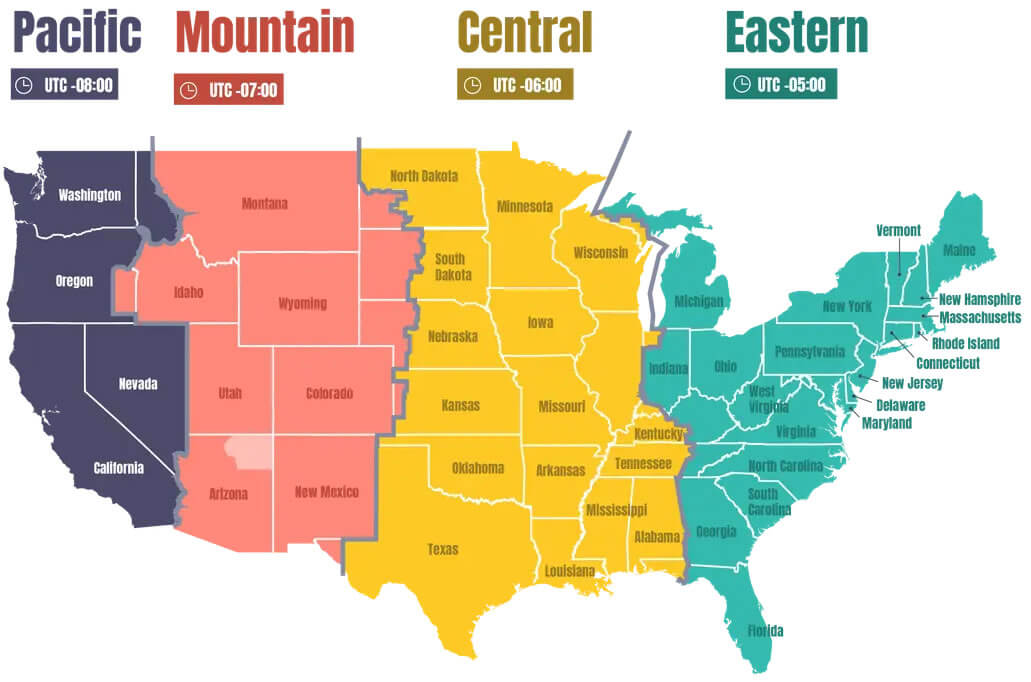
Colorado observes Mountain Time. This encompasses two distinct periods within the year: Mountain Standard Time (MST) and Mountain Daylight Time (MDT). The shift between these two is dictated by daylight saving time, a practice observed in most of the United States.
Mountain Standard Time (MST) is UTC−07:00. This is the time observed during the colder months, typically from early November to mid-March. When it is noon MST, it is 7:00 PM Coordinated Universal Time (UTC) and 2:00 PM Eastern Standard Time (EST) in New York. For those traveling from the East Coast, this means a two-hour difference, while those coming from the West Coast will find themselves just one hour ahead.
Mountain Daylight Time (MDT) is UTC−06:00. This is the time observed during the warmer months, from mid-March to early November. During MDT, the clocks are advanced by one hour. So, when it is noon MDT, it is 6:00 PM UTC and 1:00 PM Eastern Daylight Time (EDT). The time difference with other parts of the United States remains consistent: two hours behind the Eastern Time Zone and one hour ahead of the Pacific Time Zone.
The adherence to daylight saving time means that the temporal relationship between Colorado and other regions can shift twice a year. This is a common point of confusion for travelers, and it’s always wise to double-check the current time in Colorado relative to your departure or home location, especially around the transition periods in spring and fall.
Why is it called “Mountain Time”?
The name “Mountain Time” is derived from its geographical location, encompassing the Rocky Mountains region of the United States and Canada. This time zone spans a significant portion of western North America, and its consistent observance across states like Colorado, Arizona (though largely opting out of daylight saving), New Mexico, Wyoming, Montana, Idaho, Utah, and parts of North Dakota and South Dakota, facilitates interstate travel and commerce.
Implications for Travelers to Colorado
Knowing Colorado’s time zone is more than just an abstract fact; it has tangible implications for every aspect of your trip.
Planning Your Itinerary
When booking flights to Denver International Airport (DEN), or any other airport in Colorado, be sure to note the arrival and departure times in local Mountain Time. This is especially critical if you are connecting through a different time zone. Similarly, when booking tours or activities, confirm that the advertised times are in MDT or MST, as applicable. A sunrise hike in Rocky Mountain National Park scheduled for 6:00 AM will feel very different depending on whether you are accustomed to Eastern Time or Pacific Time.
Accommodation and Bookings
Hotels in Colorado, whether it’s a luxurious resort in Aspen or a charming bed and breakfast in Telluride, will operate on Mountain Time. Check-in and check-out times, as well as any dining reservations at your chosen accommodation, will be set according to the local clock. If you’re planning an extended stay in an apartment or villa, understanding the local time can help you manage your daily routines more effectively.
Business and Communication
For business travelers, adhering to the correct time zone is essential for meetings and conference calls. A client call scheduled for 10:00 AM in Denver will be 10:00 AM Mountain Time. Failing to account for the time difference can lead to missed appointments and a less professional impression.
Experiencing Local Culture and Attractions
Many of Colorado’s most beloved attractions and activities are dictated by daylight hours. Visiting historical landmarks like the Red Rocks Park and Amphitheatre or exploring the vibrant streets of Boulder will be best enjoyed with an accurate sense of the time. Local events, farmers’ markets, and cultural festivals will all operate on Mountain Time. Understanding the temporal rhythm of the state helps you immerse yourself more fully in its unique lifestyle.
Time Zone Variations within the Mountain Time Zone
While Colorado itself is uniformly in the Mountain Time Zone, it’s worth noting that not all areas observing Mountain Time participate in daylight saving.
Arizona’s Unique Position
A notable exception is Arizona. The majority of Arizona observes MST year-round and does not switch to MDT. This means that during the summer months when the rest of Colorado is on MDT (UTC−06:00), Arizona remains on MST (UTC−07:00). This creates a one-hour difference between Colorado and most of Arizona during daylight saving time. This is a crucial detail for travelers moving between these regions, particularly those exploring areas like the Grand Canyon National Park (which is in Arizona). However, the Navajo Nation, located within Arizona, does observe daylight saving time and follows MDT.
This variation highlights the importance of not making assumptions about time zones, even within a generally unified region. Always confirm the specific time zone for your destination within Arizona if you’re traveling to or from Colorado.
Navigating Time Differences for a Smooth Trip
To ensure a smooth travel experience in Colorado, here are some practical tips:
- Set Your Devices: Most smartphones and smartwatches automatically update to the local time zone when you arrive. However, it’s always a good idea to double-check.
- Communicate Clearly: When making reservations or scheduling meetings, explicitly state the time zone. For example, “10:00 AM Mountain Time.”
- Use Online Converters: If you’re unsure about the current time difference, numerous online time zone converters can quickly provide accurate information.
- Factor in Jet Lag: Traveling across multiple time zones can lead to jet lag. Allow yourself time to adjust upon arrival. This is particularly relevant if you’re coming from a significantly different time zone, such as the Eastern Time Zone or a country in Europe.
- Enjoy the Moment: Once you’ve got the time zone sorted, relax and enjoy the unparalleled beauty and experiences that Colorado has to offer. From the adventure sports in Breckenridge to the arts scene in Denver, the Centennial State provides a wealth of activities.
By understanding and respecting the time zone of Colorado, you set yourself up for a more organized, efficient, and enjoyable trip. Whether you’re here for the skiing at Vail, exploring the geological wonders of Garden of the Gods, or simply enjoying the laid-back lifestyle, being mindful of Mountain Time will ensure you make the most of every precious moment.
LifeOutOfTheBox is a participant in the Amazon Services LLC Associates Program, an affiliate advertising program designed to provide a means for sites to earn advertising fees by advertising and linking to Amazon.com. Amazon, the Amazon logo, AmazonSupply, and the AmazonSupply logo are trademarks of Amazon.com, Inc. or its affiliates. As an Amazon Associate we earn affiliate commissions from qualifying purchases.