
Texas, often referred to as the Lone Star State, is a vast and geographically diverse region within the United States. Its considerable size means that while the majority of the state observes a single time zone, a small, yet significant, portion operates under a different one. For travelers, business professionals, and even residents moving within its borders, understanding the specific time zones in Texas is crucial for seamless planning and enjoyable experiences. From booking accommodation to scheduling critical meetings or simply catching a spectacular sunset, time zone awareness can make all the difference in your Texas adventure.
This guide delves into the intricacies of Texas’s time zones, providing essential insights for anyone looking to navigate its vibrant cities, breathtaking landmarks, and diverse lifestyle offerings. We’ll explore how these time differences impact travel, tourism, and daily life, ensuring you’re well-prepared for whatever your Texas journey entails.
Navigating Texas: Understanding Its Dual Time Zones
While most states in the United States adhere to a single time zone, several, like Texas, bridge two. This is primarily due to their extensive east-to-west span. Knowing which part of the state falls into which time zone is fundamental for efficient planning, especially when considering a cross-state travel itinerary or coordinating with individuals in different regions.
Central Time Zone (CT): The Heartbeat of Texas
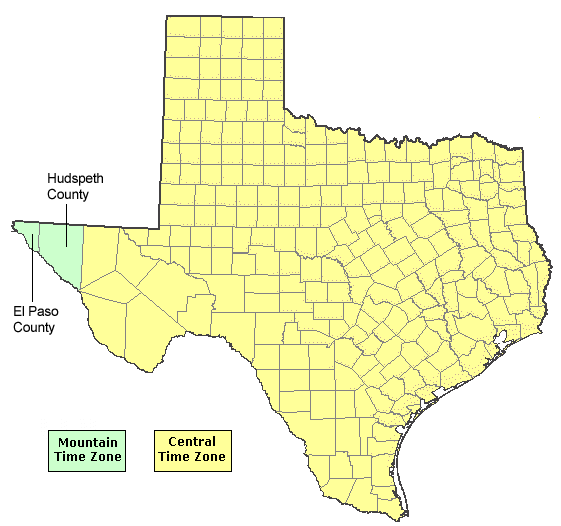
The overwhelming majority of Texas observes the Central Time Zone (CT). This encompasses almost all of the state’s major metropolitan areas and popular tourism destinations. When people refer to “Texas time,” they are almost invariably talking about Central Time.
- Key Cities: Cities like Houston, Dallas, San Antonio, Austin, Fort Worth, Corpus Christi, Galveston, and Lubbock all fall within CT.
- Offset: Central Time is UTC-6 during Standard Time (CST) and UTC-5 during Daylight Saving Time (CDT). This means it is one hour behind Eastern Time and one hour ahead of Mountain Time (during standard time).
- Impact on Travel: For most visitors flying into Dallas/Fort Worth International Airport or George Bush Intercontinental Airport in Houston, Central Time will be the standard from the moment of arrival. This simplifies planning significantly for trips confined to the central and eastern parts of the state, encompassing much of the Texas Hill Country, East Texas, and the Gulf Coast.
Mountain Time Zone (MT): The Far West Exception
A distinct exception to the Central Time Zone rule lies in the far western reaches of Texas. Two counties, El Paso County and Hudspeth County, officially observe the Mountain Time Zone (MT).
- Key City: The major city in this region is El Paso, a vibrant border city known for its rich cultural blend with Mexico and its stunning desert landscapes.
- Offset: Mountain Time is UTC-7 during Standard Time (MST) and UTC-6 during Daylight Saving Time (MDT). This means El Paso is one hour behind the rest of Texas that observes Central Time.
- Impact on Travel: This time difference becomes highly relevant for those planning extensive road trips across Texas, particularly if their destinations include El Paso or nearby natural wonders like Big Bend National Park (though Big Bend National Park is technically in the CT portion of West Texas, its proximity to the MT zone means visitors often cross between the two). Being aware of this one-hour shift is vital for timely arrivals, departures, and scheduled activities. For example, if you drive from Dallas to El Paso, you’ll “gain” an hour upon entering El Paso County, and “lose” an hour on the return journey.
Daylight Saving Time: Shifting Clocks
Like most of the United States, Texas observes Daylight Saving Time (DST). This typically occurs from the second Sunday in March to the first Sunday in November. During DST, clocks are moved forward by one hour.
- Impact: Both the Central Time Zone and the Mountain Time Zone parts of Texas participate in DST. This means that while the numerical offset from UTC changes (e.g., CST becomes CDT, MST becomes MDT), the one-hour difference between the two Texas time zones remains constant. So, El Paso is always one hour behind Houston.
- Practicality: Modern smartphones and devices usually adjust automatically, but it’s always wise to double-check, especially if you rely on non-smart clocks or are traveling internationally to or from Texas during the transition periods. The time change can affect flight schedules, public transport, and the operating hours of attractions.
The Traveler’s Guide: Time Zones and Your Texas Journey
For those planning a Texas getaway, considering the time zones is more than just an academic exercise; it’s a practical necessity that can enhance or hinder your experience. From meticulous itinerary planning to seamless accommodation bookings, understanding the clock is paramount for a stress-free journey.
Planning Your Itinerary Across Time Zones
When mapping out your Texas travel itinerary, especially if it involves traversing the state from east to west or vice-versa, factoring in the time zone change is essential.
- Road Trips: Imagine driving from Austin (CT) to El Paso (MT). This is a significant journey, and you will gain an hour when you cross into El Paso County. This can be a welcome bonus, allowing for an extra hour of sightseeing or relaxation on arrival. Conversely, driving from El Paso to San Antonio means you will “lose” an hour, so adjust your schedule accordingly to avoid missing check-in times or scheduled tours.
- Flights and Connections: While most flights within Texas are typically short enough that time zone changes are less of a concern than with cross-country travel, always verify departure and arrival times in the local time of each airport. A flight from Houston to El Paso might depart at 10:00 AM CT but arrive at 10:00 AM MT, making it appear as if the flight took no time at all. This is a common illusion that can catch unobservant travelers off guard.
- Event Scheduling: If you plan to attend a festival in Austin like South by Southwest and then visit a historical site near El Paso, ensure your scheduling accounts for the time shift to avoid missing key events or entry deadlines.
Booking Accommodation and Activities
When booking your hotels, resorts, or local activities in Texas, always confirm the local time.
- Hotel Check-in/Check-out: If you’re staying at a hotel like the Omni Dallas Hotel in Dallas and then moving to a resort near El Paso, remember that a 3:00 PM check-in at your El Paso hotel (MT) would be 4:00 PM CT. This hour can be crucial for avoiding late check-in fees or ensuring your room is ready.
- Tour Bookings: Whether it’s a guided tour of The Alamo in San Antonio (CT) or a hiking excursion in Guadalupe Mountains National Park (near the MT zone, but the park itself is primarily in CT), always verify the local start time. Many online booking systems will automatically convert to your local device time, but a quick double-check can prevent missed experiences.
- Dining Reservations: For fine dining at restaurants in Austin or a casual eatery in El Paso, confirming your reservation time in the local context ensures you don’t show up an hour early or late.
Overcoming Time Zone Differences: Tips for a Smooth Trip
Dealing with time zone changes, even a single hour, can sometimes lead to minor jet lag or confusion. Here are some tips for a smoother transition:
- Adjust Your Devices: Ensure your smartphone, tablet, and smartwatches are set to automatically update their time zone based on your location.
- Plan Buffer Times: Especially for critical appointments or bookings, build in an extra hour as a buffer. This allows for unexpected delays and helps you adjust to the new time without feeling rushed.
- Communicate Clearly: When coordinating with local guides, hotels, or family, always specify “local time” to avoid ambiguity.
- Stay Hydrated and Rested: While a one-hour shift is minimal, maintaining good hydration and adequate rest helps your body adapt more easily, enhancing your overall travel experience.
Beyond the Clock: Time Zones, Business, and Lifestyle in Texas
The ripple effect of Texas’s dual time zones extends beyond just travel and tourism. It plays a subtle yet significant role in business operations, daily lifestyle, and even the timing of major statewide events.
Business Implications and Communication
For professionals conducting business across Texas, the time zone divide requires careful consideration.
- Meeting Schedules: A 9:00 AM conference call scheduled from Houston (CT) means individuals in El Paso (MT) would need to join at 8:00 AM. For larger organizations with offices statewide, consistent internal communication about meeting times is crucial.
- Client Relations: When dealing with clients or partners in El Paso from a Central Time Zone city, being mindful of their local time shows respect and professionalism. A “late afternoon” call from Dallas might mean the very end of the workday for someone in El Paso.
- Logistics and Supply Chains: For businesses relying on timely deliveries or coordination across the state, the one-hour shift can impact logistical planning, especially for perishable goods or time-sensitive shipments originating from or heading to West Texas.
Daily Life, Dining, and Entertainment
The time zone difference also subtly shapes the rhythm of daily life and lifestyle within the state.
- Sunrise/Sunset: The Mountain Time Zone experiences sunrise and sunset later than the Central Time Zone. This means longer daylight hours into the evening in El Paso during the summer, which can influence outdoor activities, evening attractions, and even when dining establishments typically see peak hours.
- Local Culture and Leisure: While the core Texas spirit of hospitality and vibrant culture permeates the entire state, the different sunset times can influence the timing of local festivals, outdoor concerts, and evening gatherings. For example, a “late night” tourism experience in San Antonio’s Riverwalk might conclude earlier by clock time than a similar experience in downtown El Paso, due to the later natural light.
Time Zone’s Impact on Major Texas Events
Texas hosts numerous significant events throughout the year, drawing visitors from across the nation and beyond. From the grandeur of the State Fair of Texas in Dallas to the excitement of the Houston Livestock Show and Rodeo, these events almost exclusively occur within the Central Time Zone. However, for attendees or participants traveling from El Paso, remembering the one-hour shift is critical for not missing opening ceremonies, specific performances, or competition start times. Planning your departure from El Paso an hour earlier by your local clock ensures you arrive on time for an event operating on CT.
Iconic Destinations and Their Time Zone Context
Understanding the time zones helps frame your visit to some of Texas’s most beloved landmarks and destinations.
Exploring Central Time Zone Gems
The majority of Texas’s famous sites are firmly planted in the Central Time Zone, making planning straightforward for most visitors.
- San Antonio: Home to the historic Alamo and the bustling Riverwalk, a visit here is entirely on CT. Explore missions, enjoy Tex-Mex cuisine, and stay at charming hotels like the Hotel Contessa without a second thought about time shifts.
- Houston: From the wonders of Space Center Houston to the cultural richness of its Museum District, all activities are under CT. Enjoy the diverse food scene and world-class hotels like the Four Seasons Hotel Houston seamlessly.
- Dallas & Fort Worth: Explore the Sixth Floor Museum at Dealey Plaza in Dallas, immerse yourself in the cowboy culture of the Fort Worth Stockyards National Historic District, or visit Southfork Ranch – all operate on CT. Accommodation options range from luxury resorts to budget-friendly hotels throughout these thriving cities.
- Austin: The Live Music Capital of the World, with its iconic Texas State Capitol and vibrant lifestyle, is also on CT. Whether you’re checking into The Driskill Hotel or catching a show, the time remains consistent.
Discovering the Mountain Time Zone Wonders
While fewer, the destinations in Texas’s Mountain Time Zone offer unique natural beauty and cultural experiences.
- El Paso: As the primary city in MT, El Paso offers a distinct blend of Texas and Mexico influences. From exploring the Franklin Mountains State Park to its vibrant downtown, all activities are on Mountain Time. This is particularly important for those arriving from other parts of Texas for business or pleasure, as a quick adjustment to your internal clock will be needed.
- Proximity to National Parks: While Big Bend National Park is officially in the Central Time Zone, its remote location in West Texas means many visitors travel through or near the Mountain Time Zone to reach it. Similarly, Guadalupe Mountains National Park, home to the highest point in Texas, is also technically in CT, but is very close to the New Mexico border and the MT zone, making time awareness crucial for expeditions into this rugged wilderness.
Final Thoughts: Embracing the Texas Time Experience
The question “What is the time zone Texas?” reveals a surprising duality for newcomers. While the vast majority of the Lone Star State operates on Central Time, the far western counties stand as a notable exception in the Mountain Time Zone. This geographical split, while minor in area, holds significant implications for anyone planning to travel, conduct business, or simply live life across the state’s expansive terrain.
From coordinating flights and hotel check-ins to scheduling important meetings or catching a favorite band’s performance, understanding Texas’s time zones ensures a smooth and enjoyable experience. As you plan your next adventure or business venture in this diverse state, keep the clock in mind. Embrace the subtle shift, adjust your schedule accordingly, and you’ll be well-prepared to soak in all the rich culture, breathtaking landscapes, and warm hospitality that Texas has to offer, no matter what time it is.
LifeOutOfTheBox is a participant in the Amazon Services LLC Associates Program, an affiliate advertising program designed to provide a means for sites to earn advertising fees by advertising and linking to Amazon.com. Amazon, the Amazon logo, AmazonSupply, and the AmazonSupply logo are trademarks of Amazon.com, Inc. or its affiliates. As an Amazon Associate we earn affiliate commissions from qualifying purchases.