
Florida, the Sunshine State, beckons millions of visitors each year with its pristine beaches, vibrant cities, world-class attractions, and unique lifestyle. From the magical theme parks of Orlando to the Art Deco splendor of Miami, and the laid-back charm of the Florida Panhandle, this diverse state offers an unparalleled array of experiences. However, planning a trip to Florida isn’t just about choosing your destinations or hotels; it also requires an understanding of its unique time zone situation. Unlike many states that adhere to a single time zone, Florida straddles two distinct zones, an important detail that can significantly impact your travel plans, accommodation bookings, and overall enjoyment of your vacation.
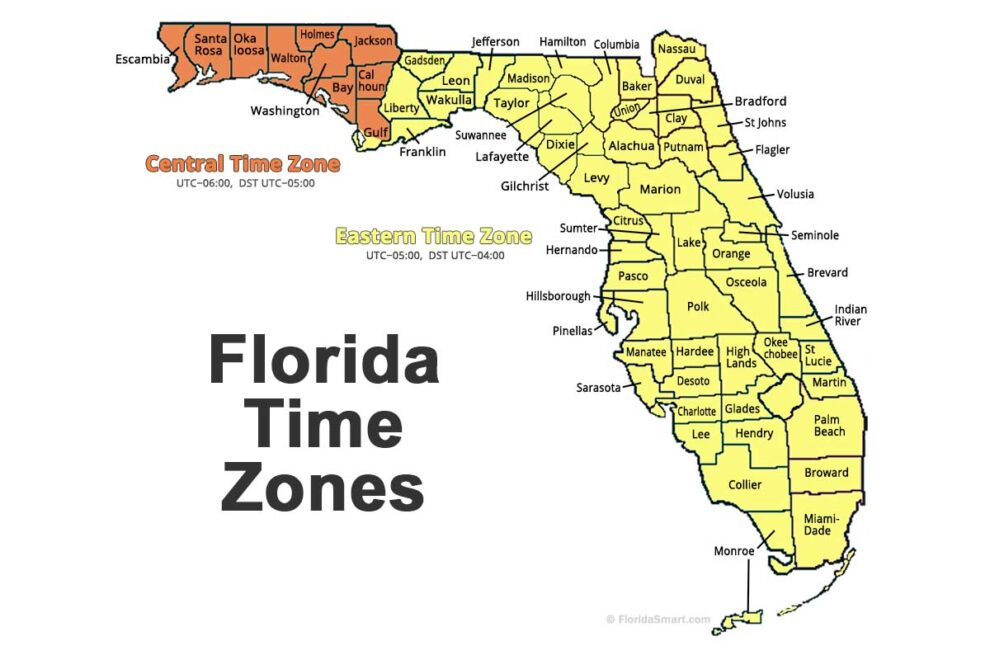
The vast majority of Florida operates on Eastern Time (ET), observing Eastern Standard Time (EST) during colder months and Eastern Daylight Time (EDT) when Daylight Saving Time is in effect. This covers all the major tourist hubs and most of the population centers. However, a significant portion of the western Florida Panhandle observes Central Time (CT), switching between Central Standard Time (CST) and Central Daylight Time (CDT). This geographical split, while seemingly minor, can create interesting logistical challenges and opportunities for visitors, from coordinating meeting times to catching flights or simply understanding when that highly anticipated restaurant opens. This comprehensive guide will delve into the intricacies of Florida’s time zones, offering insights for travelers, tourism enthusiasts, and anyone looking to navigate the Sunshine State like a seasoned local.
Navigating Florida’s Dual Time Zones
Understanding the geographical distribution of Florida’s two time zones is the first step toward a seamless journey. While the distinction might seem like a small detail, it has real-world implications for travelers moving across the state, impacting everything from flight schedules to dinner reservations.
The Predominant Eastern Time Zone
The lion’s share of Florida falls within the Eastern Time Zone, encompassing the entire peninsula and extending northward to the majority of the state’s northern border. This means that if you’re planning a trip to iconic Florida destinations, chances are you’ll be operating on Eastern Time. Cities such as Miami, Orlando, Jacksonville, Tampa, Fort Lauderdale, and Key West all observe ET. This includes the state’s most popular theme parks, like Walt Disney World Resort and Universal Orlando Resort, as well as major airports, cruise ports, and bustling urban centers.
For most visitors, especially those flying into major international airports like Miami International Airport (MIA) or Orlando International Airport (MCO), adjusting to Eastern Time will be their primary concern. When planning your flight arrivals, hotel check-ins, or scheduled attractions like theme park visits or Kennedy Space Center tours, always confirm times are set to ET. During the winter months, from roughly early November to mid-March, this is Eastern Standard Time (GMT-5). From mid-March to early November, it switches to Eastern Daylight Time (GMT-4) due to Daylight Saving Time.
The Central Time Zone in the Panhandle
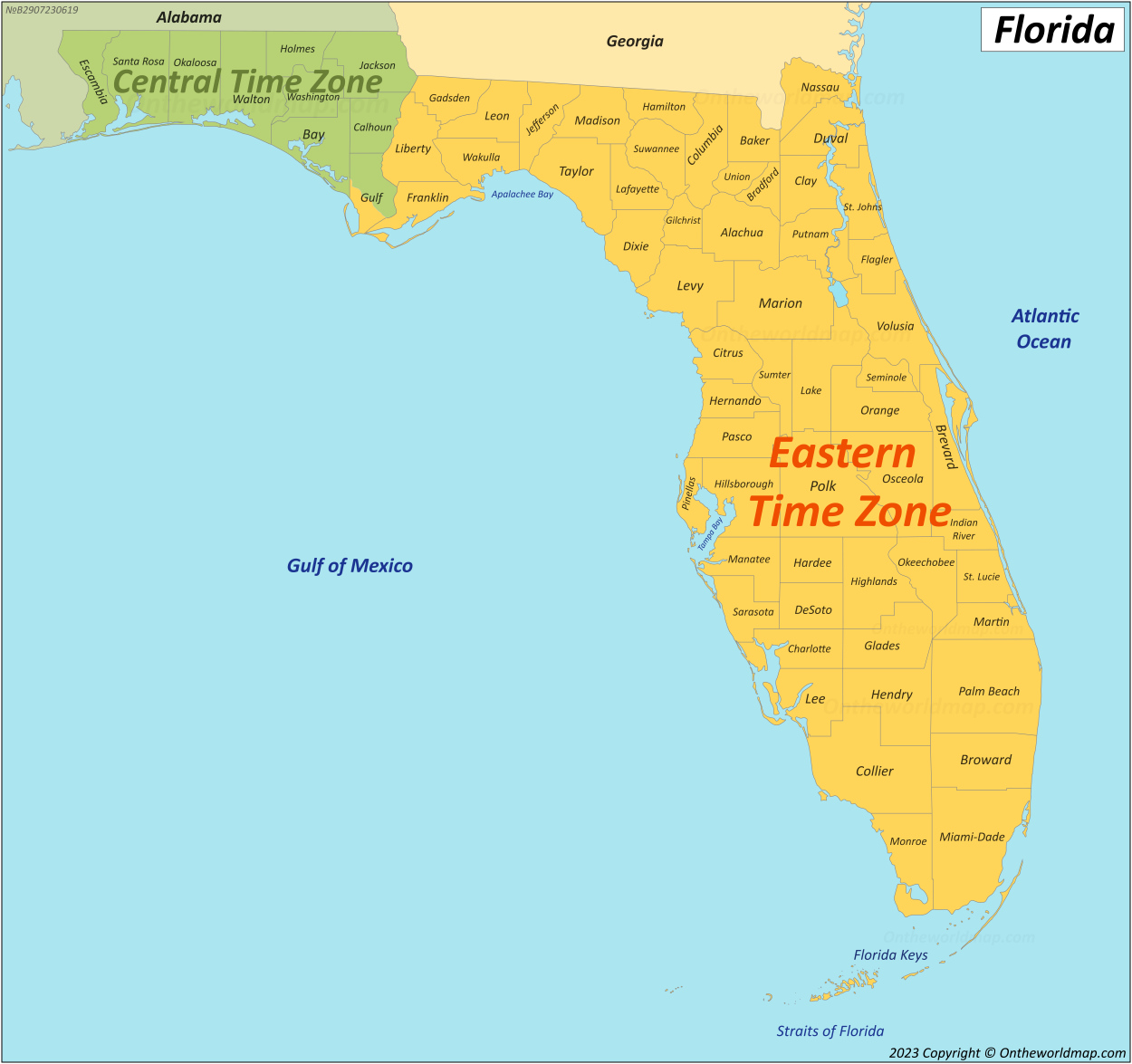
The geographical dividing line between Eastern Time and Central Time in Florida is quite distinct. It roughly follows the Apalachicola River, running north to south. Everything west of the river, which includes a significant portion of the Florida Panhandle, operates on Central Time. This region encompasses popular coastal cities and communities like Pensacola, Panama City, and Destin, known for their stunning white-sand beaches along the Gulf of Mexico.
Specifically, counties such as Escambia, Santa Rosa, Okaloosa, Walton, Bay, and the western part of Gulf County are in Central Time. This means these areas are one hour behind the rest of the state. For instance, if it’s 3:00 PM in Orlando, it will be 2:00 PM in Pensacola. This time difference is crucial for anyone traveling between the Florida Panhandle and other parts of the state, whether by air or by car. During the winter, these areas observe Central Standard Time (GMT-6), and during Daylight Saving Time, they switch to Central Daylight Time (GMT-5).

The Impact of Daylight Saving Time
Both the Eastern Time and Central Time zones in Florida observe Daylight Saving Time (DST). This means clocks “spring forward” one hour in mid-March and “fall back” one hour in early November. While the time difference between the two zones remains constant (one hour), the absolute offset from Coordinated Universal Time (UTC/GMT) changes.
During DST, Eastern Time becomes Eastern Daylight Time (EDT, UTC-4), and Central Time becomes Central Daylight Time (CDT, UTC-5). This ensures that while the state is in DST, the one-hour difference between the peninsular Florida and the Panhandle is maintained. For travelers, this primarily means remembering to adjust your clocks – or rather, trusting your smart devices to do it automatically – when these transitions occur. It’s particularly important if you’re traveling during the week of the changeover, as schedules might be in flux, or if you’re using older, non-smart clocks. Always double-check flight times, event schedules, and reservation confirmations around these dates.
Time Zones and the Traveler’s Experience
The practical implications of Florida’s dual time zones extend far beyond mere geographical curiosity. For any visitor, whether on a family vacation, a business trip, or a solo adventure, understanding and accounting for these differences is vital for a smooth and stress-free experience.
Planning Your Itinerary Across Time Zones
One of the most critical aspects where time zones play a role is in itinerary planning. If your travel plans involve moving between the Florida Panhandle and the peninsula, you’ll need to meticulously plan your schedule.
- Flights: If you’re flying into one region and then taking a connecting flight or driving to the other, be acutely aware of departure and arrival times. A flight departing Pensacola at 10:00 AM CT would arrive in Orlando at 12:00 PM ET (assuming a 1-hour flight time), not 11:00 AM. Missing a connection or arriving late for a pre-booked transfer can quickly derail your plans.
- Road Trips: Driving across the time zone boundary, which typically occurs around the Apalachicola River, means your clock will suddenly jump forward or backward an hour. While most modern smartphones adjust automatically, it’s good to be mentally prepared. This shift can affect estimated arrival times, especially if you have an appointment or reservation shortly after crossing.
- Tour Bookings and Activities: Pre-booked tours, excursions, or specific activity slots need careful attention. A swamp tour advertised for 9:00 AM in Everglades National Park (ET) is entirely different from a fishing charter leaving Destin at 9:00 AM (CT). Always confirm the local time zone of the activity or service you are booking.
- Meeting Friends and Family: If you’re coordinating with people in different parts of the state, always specify the time zone. “Meet me at 5 PM” is ambiguous; “Meet me at 5 PM ET” or “Meet me at 5 PM CT” is clear. This prevents confusion and missed connections.
Accommodation and Booking Considerations
Your choice of accommodation and how you book it can also be influenced by time zones. From check-in times to amenity availability, a clear understanding is essential.
- Check-in/Check-out: Hotels, resorts, apartments, and villas adhere strictly to their local time zone for check-in and check-out. If you’re arriving at a resort like the Hyatt Regency Orlando from the Panhandle, remember you’ll effectively lose an hour. Similarly, if you’re checking out of a boutique hotel in St. George Island (CT) to head east, you’ll gain an hour. This can be critical for maximizing your stay or avoiding late check-out fees.
- Dining Reservations: Popular restaurants, especially in tourist hotspots, often require reservations well in advance. Whether it’s a gourmet experience at the Ritz-Carlton, Amelia Island or a casual seafood spot on Pensacola Beach, ensure your reservation time aligns with the local time zone of the restaurant.
- Spa and Recreation: If you’ve booked a spa treatment, a round of golf, or a guided fishing trip through your hotel or an external vendor, verify the time zone specified in your confirmation. Overlooking this detail could lead to a missed appointment and forfeited payment. When making your booking, it’s always prudent to explicitly ask for confirmation of the local time zone for the service.
- Long-Term Stays: For those considering long-term stays or relocating, the time zone can impact daily routines, communication with family/colleagues in other parts of the USA, and even broadcast television schedules.
Seamless Transitions for Business and Leisure
Both business and leisure travelers benefit from a clear understanding of Florida’s time zones.
For business stays, coordinating meetings, conference calls, and presentations requires precision. A client meeting scheduled for 10 AM in Tampa (ET) means a business traveler flying in from Tallahassee (ET) needs to account for travel time, whereas a colleague joining remotely from Fort Walton Beach (CT) would need to dial in at 9 AM CT. Ignoring this could lead to awkward delays or missed opportunities. Always use a clear qualifier like “ET” or “CT” in all business communications involving schedules.
For leisure trips, a smooth transition means more relaxation and less stress. Knowing the time difference helps manage expectations, especially for families with young children whose sleep schedules might be sensitive to time changes. It also empowers you to make the most of every hour of your vacation, whether it’s catching an early sunrise in Miami Beach or enjoying a late sunset in Pensacola. Packing a travel alarm clock, or simply relying on your smartphone, set to local time, is a simple yet effective tip.
Beyond the Clock: Time Zones, Tourism, and Lifestyle
The influence of Florida’s time zones extends beyond just practical logistics; it subtly shapes the rhythm of local culture, the operation of landmarks and attractions, and the overall pace of life in different regions of the state.
Local Culture and Time-Sensitive Activities
The distinction between Eastern Time and Central Time can influence the local culture and scheduling of events. In general, the Florida Panhandle, being on Central Time, often feels a bit more laid-back, with perhaps slightly later starts and ends to the day compared to the bustling metropolitan areas on Eastern Time.
Consider things like:
- Festivals and Events: Whether it’s a music festival in Jacksonville or a seafood festival in Panama City, event schedules will adhere to their local time zone. Checking the local time zone when reviewing event guides or purchasing tickets is crucial.
- Dining Experiences: While many restaurants in Eastern Time cities like Miami or Orlando might serve dinner until late, the pace in a Central Time town could mean earlier last calls for kitchens. Conversely, an early morning breakfast spot in Tallahassee (ET) will open an hour “earlier” than its equivalent in Pensacola (CT).
- Sunset Viewing: For photographers or romantic couples, knowing the exact time of sunset is vital. While apps can provide this, remember it’s always in local time. A sunset over the Atlantic Ocean in Daytona Beach (ET) will occur an hour “earlier” than a sunset over the Gulf of Mexico in Destin (CT).
Embracing these subtle differences in timing can enrich your understanding of Florida’s diverse regions and help you sync with the local rhythm, enhancing your tourism experience.
Landmarks and Attractions Across Different Times
From historical landmarks to natural wonders and theme parks, Florida’s vast array of attractions operate according to their specific time zone.
- Theme Parks: Walt Disney World Resort, Universal Orlando Resort, Busch Gardens Tampa Bay, and other major parks are firmly in Eastern Time. Their opening and closing times, parade schedules, and showtimes are all published in ET.
- Historical Sites and Museums: Whether you’re visiting St. Augustine’s historic district (ET) or exploring the National Naval Aviation Museum in Pensacola (CT), always confirm their operating hours in their respective local times. Miscalculating by an hour can mean missing out on an experience or arriving to find the doors closed.
- Natural Parks and Beaches: While parks are often open from “dawn to dusk,” specific visitor centers, ranger programs, or gate access times will follow the local time. For instance, St. George Island State Park (CT) will operate on a different schedule than John Pennekamp Coral Reef State Park (ET). Even Pensacola Beach will have slightly different ideal visiting times compared to Clearwater Beach.
The key takeaway is to develop a habit of verifying the local time zone for every planned activity, especially when making bookings or checking schedules online. Most reputable tourism operators will specify this, but a quick confirmation call can save valuable vacation time.
Making the Most of Your Florida Vacation
Ultimately, understanding Florida’s time zones is about enhancing your overall vacation experience. By being prepared, you can avoid common pitfalls and optimize your time, whether it’s a luxury travel escape or a budget travel adventure.
- Be Proactive: Before you even depart, familiarize yourself with the time zones of your specific destinations.
- Set Your Devices: Ensure your smartphone, tablet, and smartwatches are set to automatically update their time zone based on your location.
- Confirm Everything: When making reservations for flights, hotels, tours, or dining, explicitly ask or confirm the time zone for all scheduled events.
- Adjust Gradually: If you’re coming from a significantly different time zone (e.g., Pacific Time in the USA or an international location), give yourself a day or two to adjust. Hydration, light meals, and avoiding excessive caffeine can help mitigate jet lag.
- Embrace the Pace: While some parts of Florida are high-energy, others encourage a slower pace. The time zone can sometimes reflect this. Enjoy the different rhythms that each region offers.
Whether you’re exploring the historic landmarks of St. Augustine, relaxing on the beautiful beaches of Naples, or diving into the vibrant culture of South Beach, being time-zone aware is a small but significant step towards a perfectly planned and truly enjoyable Florida adventure. The Sunshine State is a treasure trove of experiences, and with a bit of foresight regarding its two distinct time zones, you can ensure your trip unfolds seamlessly, allowing you to focus on making unforgettable memories.
LifeOutOfTheBox is a participant in the Amazon Services LLC Associates Program, an affiliate advertising program designed to provide a means for sites to earn advertising fees by advertising and linking to Amazon.com. Amazon, the Amazon logo, AmazonSupply, and the AmazonSupply logo are trademarks of Amazon.com, Inc. or its affiliates. As an Amazon Associate we earn affiliate commissions from qualifying purchases.