
Navigating the diverse legal landscape of a state as vast and varied as Texas can be a significant aspect of planning any trip, whether you’re a local resident or a visitor immersing yourself in the local tourism scene. Among the many regulations that drivers must be aware of, the tint law in Texas is a particularly common point of inquiry. Understanding these rules is crucial for enjoying your travels, from driving to iconic landmarks like the Alamo to cruising through the vibrant streets of Austin or exploring the vastness of Big Bend National Park. This guide will delve into the specifics of Texas window tint regulations, ensuring you can drive with confidence and style across the Lone Star State.
The appeal of tinted windows extends beyond aesthetics; many travelers and residents appreciate the benefits they offer, such as reduced glare, enhanced privacy, and improved interior temperature regulation, especially during the sweltering Texas summers. This makes them a popular lifestyle choice for luxury travel and everyday driving alike. However, like many states, Texas has established specific guidelines to ensure that tinted windows do not impede visibility for law enforcement or pose safety hazards.
Understanding the Nuances of Texas Tint Laws
The Texas Department of Public Safety (DPS) is the primary authority responsible for setting and enforcing vehicle safety standards, including those related to window tint. The core principle behind these laws is to strike a balance between drivers’ desire for privacy and comfort and the state’s interest in public safety and law enforcement’s ability to identify individuals within a vehicle.
Legal Tint Percentages: A Closer Look
The legality of window tint is determined by its “Visible Light Transmission” (VLT) percentage. VLT refers to the amount of light that passes through the tinted window. A lower VLT percentage means the tint is darker, allowing less light to penetrate. Texas has different rules for the front and rear side windows, as well as the rear windshield.
Front Side Windows
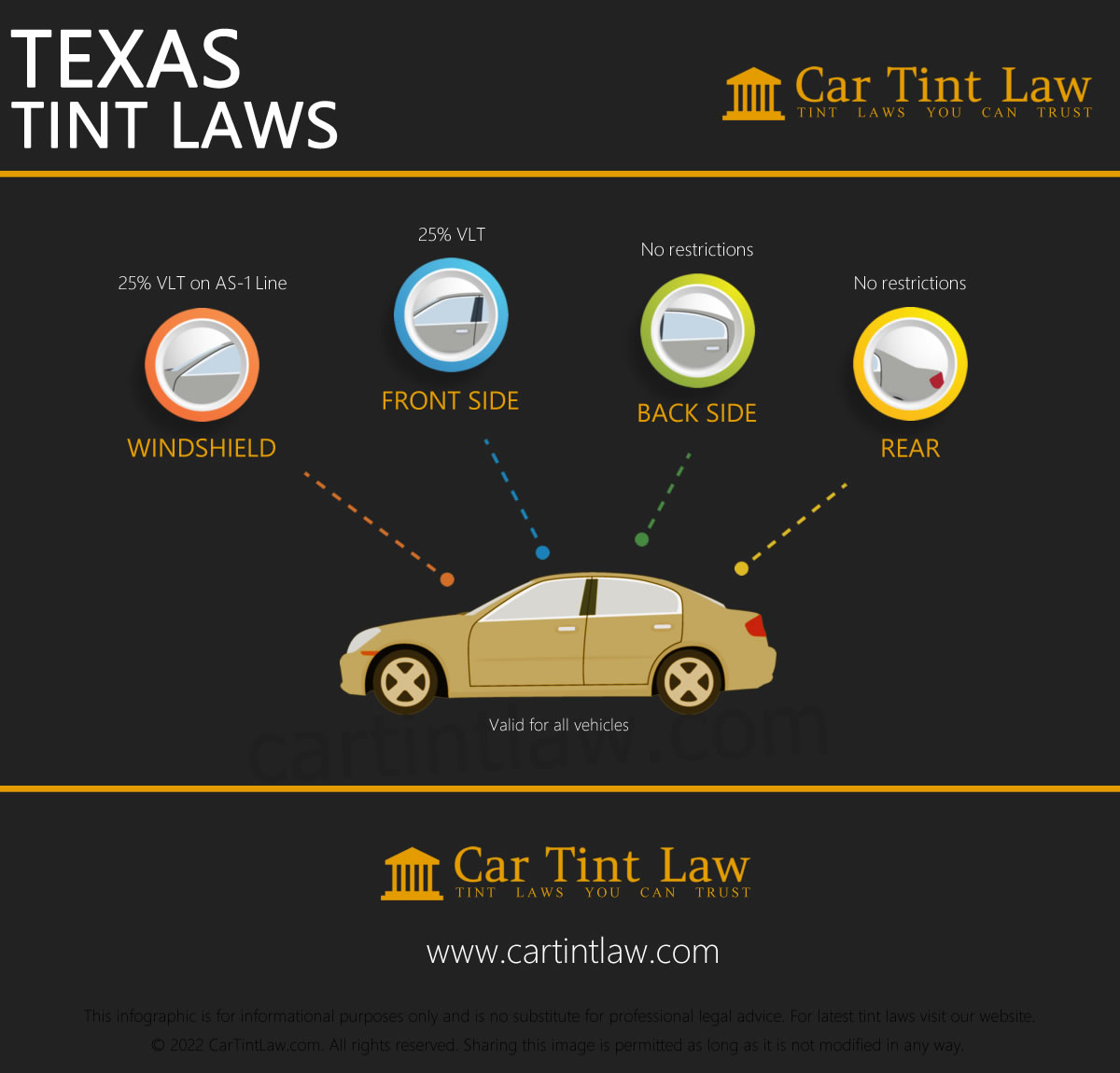
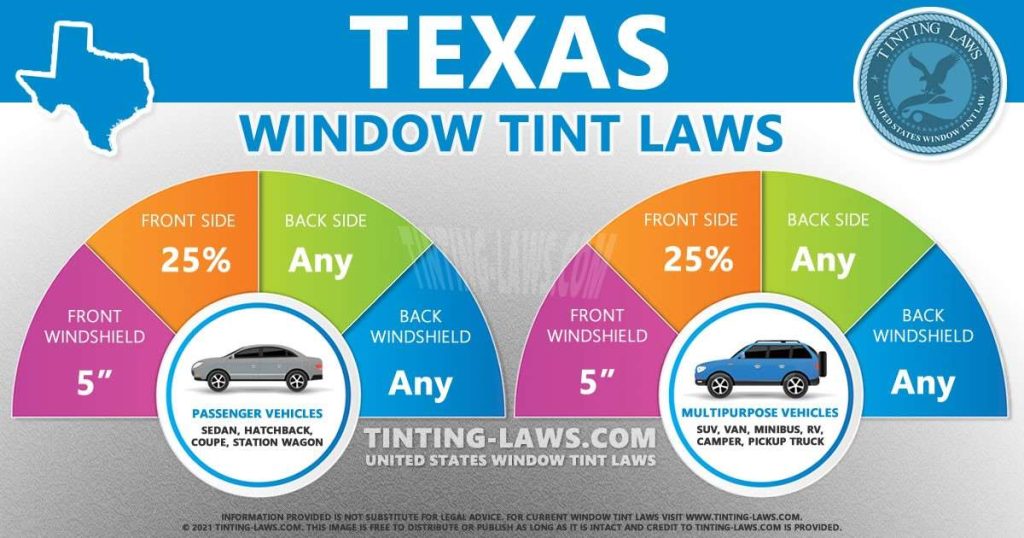
For the front side windows of passenger vehicles, Texas law is quite specific. Tinting is allowed, but it cannot be darker than 25% VLT. This means that at least 25% of visible light must be able to pass through the window. This is a common standard across many states, designed to allow law enforcement officers to clearly see the occupants of the vehicle from the outside.
Rear Side Windows and Rear Windshield
The regulations for the rear side windows and the rear windshield are more permissive. In Texas, these windows can be tinted to any darkness percentage. This allows for greater privacy and heat reduction in the back of the vehicle, which is often a priority for families on family trips or for those seeking a more comfortable resort experience. However, it’s important to note that even with darker tints allowed on the rear, drivers must still be able to see clearly out of their vehicle.
Windshield Tint
The windshield is a critical component for driver visibility. Consequently, Texas law has strict limitations on windshield tinting. While a strip of tinting at the top of the windshield is permissible, its darkness is capped at 5 inches or the top 5% of the windshield, whichever is less. Any tinting below this strip must adhere to the 25% VLT limit, aligning with the front side window regulations. This measure is paramount for ensuring that the driver’s forward vision is not compromised, especially during adverse weather conditions or at night.
Exceptions to the Rule: Medical Exemptions
Texas law recognizes that certain individuals may have legitimate medical reasons for requiring darker window tints than what is legally permitted for the general public. Texas Transportation Code § 547.324 allows for medical exemptions.
Applying for a Medical Exemption
To obtain a medical exemption, a person must have a written statement from a licensed physician or optometrist. This statement must certify that the exemption is necessary for the person’s health or safety. The statement must also specify the level of tinting required. Drivers with a valid medical exemption must carry this documentation with them at all times while operating their vehicle. The exemption applies only to the individual named on the physician’s statement and only for the vehicle listed in the documentation.
It’s important for anyone seeking such an exemption to follow the proper procedures outlined by the Texas DPS. This ensures that the exemption is recognized by law enforcement and avoids potential citations. This provision highlights the state’s commitment to accommodating specific needs while maintaining overall safety standards.
Why Adhering to the Tint Law Matters
Beyond the obvious benefit of avoiding traffic citations and potential fines, adhering to Texas tint laws offers several advantages, contributing to a smoother and more enjoyable travel experience.
Safety and Visibility
The primary reason for tint laws is to ensure clear visibility for both drivers and law enforcement. Darker tints on the front windows can obscure the driver’s vision, especially in low-light conditions, and make it difficult for officers to assess potential threats or identify individuals involved in a traffic stop. By adhering to the legal tint percentages, you contribute to the overall safety of the roads and facilitate the work of law enforcement, fostering a more secure community.
Avoiding Fines and Penalties
Operating a vehicle with illegally tinted windows in Texas can result in traffic citations. These citations typically come with fines, and repeated offenses could lead to more serious consequences, including mandatory removal of the tint. For tourists or visitors, such an unexpected expense and inconvenience can detract from their experiences and guides to the state. Ensuring your vehicle complies with the law before or upon arrival can save you time, money, and stress.
Resale Value and Vehicle Inspections
While Texas does not currently require annual vehicle safety inspections that specifically check window tint, some counties or municipalities may have local ordinances. More importantly, when selling a vehicle, having illegally tinted windows could be a point of concern for potential buyers, potentially affecting the resale value. Ensuring your vehicle is compliant from the outset can simplify future transactions and avoid issues during accommodation booking that might involve vehicle checks.
Insurance Considerations
Although less common, some auto insurance policies might have clauses that could be affected by the presence of illegal modifications, including excessively tinted windows. While not a direct reason for the law, maintaining legal compliance ensures there are no hidden complications with your insurance coverage, especially if you’re on a budget travel plan and seeking to minimize unexpected costs.
Practical Tips for Tinting Your Vehicle in Texas
For those looking to tint their vehicle in Texas, whether it’s a classic car for a scenic drive along the Texas Hill Country or a family SUV heading to Galveston Island, keeping these practical tips in mind will ensure compliance and satisfaction.
Choose a Reputable Tint Shop
When seeking to tint your windows, it is highly recommended to choose a professional and reputable tint shop. Experienced technicians will be fully aware of Texas tint laws and can advise you on the legal tint percentages for each window. They will use high-quality materials and ensure the tint is applied correctly, minimizing the risk of bubbles, peeling, or premature fading. Many reputable shops also offer warranties on their work.
Understand the VLT Measurement
When discussing tint with a shop, familiarize yourself with the VLT percentages. Remember that for front side windows, the legal limit is 25% VLT. For rear side windows and the rear windshield, any VLT is permissible, but practical considerations about visibility remain. A good tint shop will have meters to accurately measure VLT and can demonstrate the different tint levels to you.
Document Medical Exemptions Properly
If you have a medical condition requiring darker tints, ensure you obtain the necessary documentation from your physician before tinting your windows. The documentation must be current, specific, and clearly state the medical necessity and the permissible tint level. Always carry this documentation with you in the vehicle.
Consider Ceramic or High-Performance Tints
While the VLT is the primary legal concern, modern tinting films offer various benefits beyond darkness. Ceramic tints, for instance, are highly effective at blocking heat and UV rays without significantly reducing VLT. These can be an excellent option for Texas residents and visitors looking for comfort and protection without violating the law. They can enhance the lifestyle benefits of travel, making long drives more pleasant, especially when visiting popular attractions or staying in a villa.

Be Aware of Tint Changes Over Time
Some tint films can darken slightly over time or may appear darker than their actual VLT rating depending on ambient light conditions. If you’ve had your car tinted for a while and are concerned about its legality, it’s a good idea to have it re-measured by a professional to ensure it still complies with Texas law. This proactive approach can save you from unexpected legal issues, allowing you to focus on enjoying your journeys through Texas, from the bustling energy of Dallas to the cultural heart of San Antonio.
By understanding and adhering to the tint law in Texas, drivers can ensure a safe, legal, and comfortable driving experience. Whether you are exploring the historical sites of Goliad, enjoying the nature of Palo Duro Canyon State Park, or simply commuting, knowing the regulations for window tint empowers you to make informed decisions and fully enjoy your time on the road in this great state.
LifeOutOfTheBox is a participant in the Amazon Services LLC Associates Program, an affiliate advertising program designed to provide a means for sites to earn advertising fees by advertising and linking to Amazon.com. Amazon, the Amazon logo, AmazonSupply, and the AmazonSupply logo are trademarks of Amazon.com, Inc. or its affiliates. As an Amazon Associate we earn affiliate commissions from qualifying purchases.