
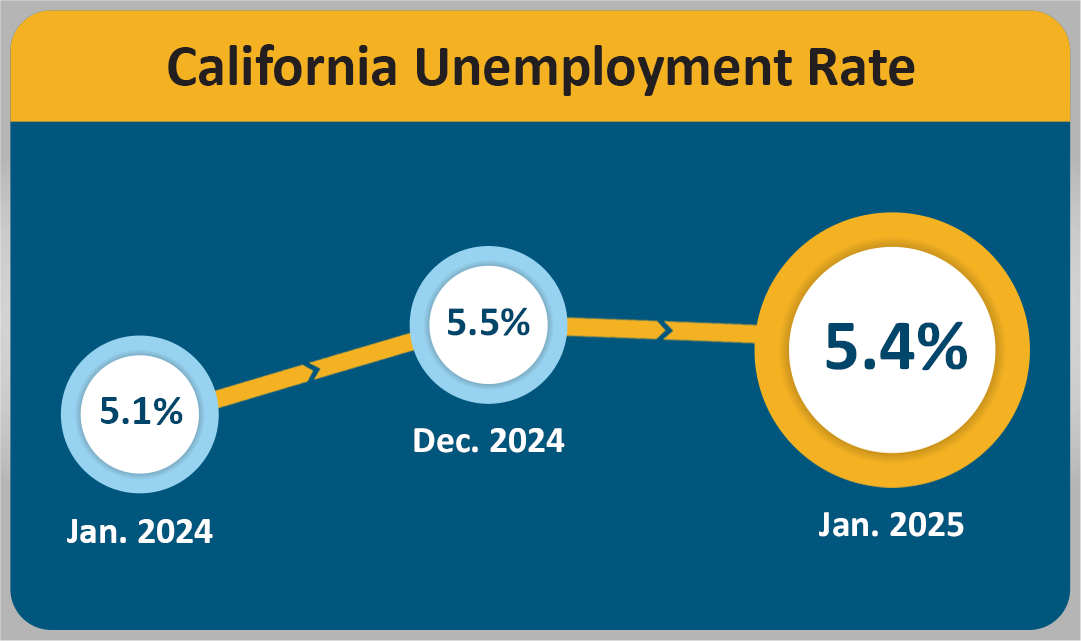
Understanding the economic pulse of a region is crucial for anyone considering it as a destination for travel, business, or even a change of residence. California, a state synonymous with innovation, natural beauty, and a diverse economy, is no exception. The unemployment rate serves as a key indicator of its economic health, reflecting the availability of jobs and the overall stability for its residents and visitors alike. While the unemployment rate itself is a statistical figure, its implications ripple through various aspects of life in California, influencing everything from consumer spending and business investment to the very atmosphere of its vibrant cities and serene landscapes. For travelers, a robust job market often translates to a more dynamic and well-serviced destination, with ample opportunities for employment in the hospitality sector, supporting a thriving tourism industry.
The Dynamics of California’s Job Market
California’s economy is a complex tapestry, woven from threads of technology, agriculture, entertainment, and tourism. This diversity means that the state’s unemployment rate can be influenced by a multitude of factors, from global tech trends to regional agricultural cycles. Historically, California has often seen its unemployment rate fluctuate with national economic trends, but it also possesses unique internal drivers that can cause divergence. Understanding these dynamics is essential for anyone looking to gauge the economic climate.
Key Economic Sectors and Their Impact
The state’s economic powerhouse is its technology sector, particularly in the San Francisco Bay Area. A boom in tech can lead to rapid job creation, potentially lowering the unemployment rate. Conversely, downturns or significant layoffs in this sector can have a disproportionate impact. The agricultural industry, primarily in the Central Valley, is another major employer, though its employment figures can be seasonal. The entertainment industry, centered in Los Angeles, also contributes significantly to job numbers, with its own unique cyclical patterns.
Factors Influencing Unemployment
Several factors can directly influence California’s unemployment rate. These include:
- Technological Advancements: Automation and new technologies can lead to job displacement in some sectors while creating new roles in others.
- Global Economic Conditions: As a major trading partner for many nations, California’s economy is sensitive to international market fluctuations.
- State and Federal Policies: Legislation related to minimum wage, business regulations, and workforce development programs can significantly shape employment figures.
- Immigration and Population Growth: California’s robust population growth, fueled in part by immigration, creates both increased demand for jobs and a larger labor pool.
- Natural Disasters and Climate Change: Events like wildfires and droughts can impact sectors like agriculture and tourism, leading to temporary job losses in affected regions.
Tracking California’s Unemployment Rate
The unemployment rate in California is meticulously tracked and reported by various governmental agencies, most notably the California Employment Development Department (EDD) and the U.S. Bureau of Labor Statistics (BLS). These organizations collect data through surveys of households and employers, providing a comprehensive picture of the labor market.
Methodology of Data Collection
The BLS, for example, uses two primary surveys:
- The Current Population Survey (CPS): This is a monthly survey of about 60,000 eligible households across the nation. It collects information on employment and unemployment status, demographics, and other labor-related characteristics.
- The Current Employment Statistics (CES) survey: This survey is sent to about 134,000 businesses and government agencies across the country, employing approximately 63 million people. It provides data on nonfarm payroll employment, hours, and earnings.
The EDD then uses this federal data, along with its own state-specific data collection, to provide detailed labor market information for California and its various regions.
Interpreting the Numbers
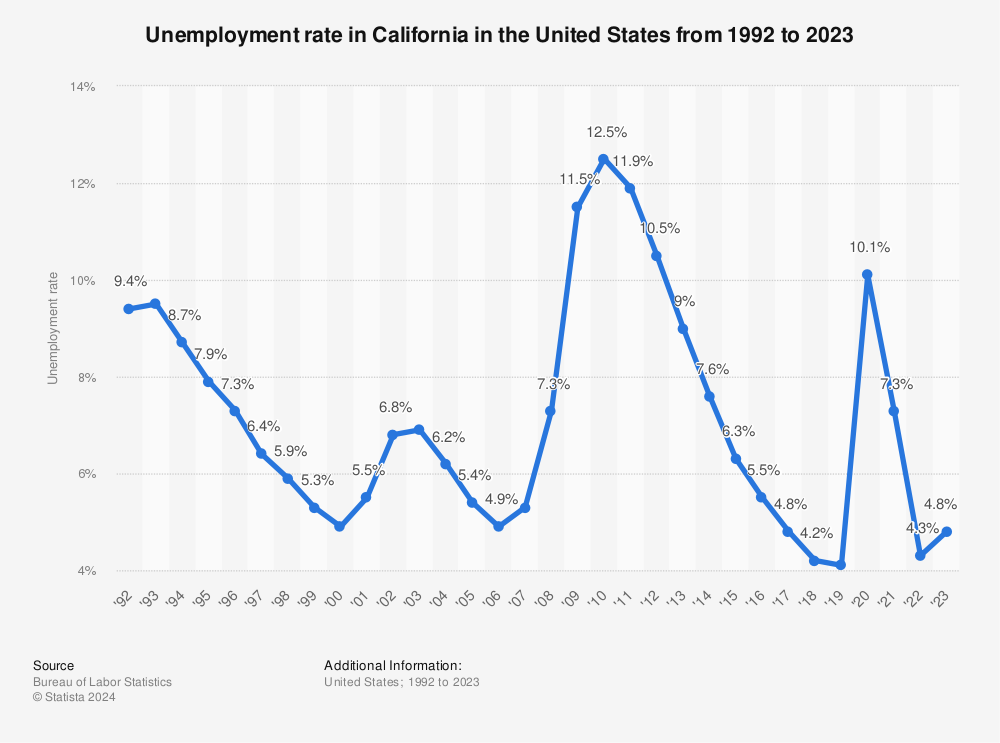
It’s important to understand that the unemployment rate is a percentage of the labor force that is jobless and actively seeking work. It does not include individuals who are not actively looking for employment (e.g., discouraged workers, retirees, students not seeking work). Therefore, a low unemployment rate doesn’t necessarily mean that everyone who wants a job has one, nor does a high rate mean that the economy is entirely stagnant.
Implications for Travelers and Businesses
The unemployment rate in California has tangible implications for both visitors planning a trip and businesses operating within the state.
For the Traveler
A healthy job market, often indicated by a lower unemployment rate, generally translates to a more robust and well-supported tourism infrastructure. This can mean:
- Enhanced Services: Hotels, restaurants, and attractions are more likely to be fully staffed, leading to better service quality.
- More Vibrant Experiences: A thriving economy often fuels a more dynamic cultural scene, with more events, festivals, and activities available for visitors to enjoy.
- Greater Accessibility: Increased economic activity can lead to more direct flights and improved transportation options to popular destinations like San Diego or Sacramento.
- Economic Stability: Visitors can generally feel more confident in the economic stability of a region with a strong job market, which can contribute to a more relaxed travel experience. Conversely, a high unemployment rate might signal potential service disruptions or a less vibrant visitor experience, though this is not always the case.
For Businesses
For businesses, the unemployment rate is a critical factor in labor costs, talent acquisition, and overall market conditions.
- Talent Pool: A lower unemployment rate suggests a tighter labor market, which can make it more challenging and potentially more expensive for businesses to recruit qualified employees. Conversely, a higher unemployment rate might offer a larger pool of available talent.
- Consumer Spending: A healthy job market typically correlates with higher consumer spending, benefiting businesses in retail, hospitality, and entertainment.
- Investment Climate: Economic indicators like the unemployment rate influence business confidence and investment decisions. A stable or declining unemployment rate can encourage expansion and new ventures.
- Wage Growth: In a competitive labor market, businesses may need to offer higher wages to attract and retain employees, impacting operational costs.
Historical Trends and Future Outlook
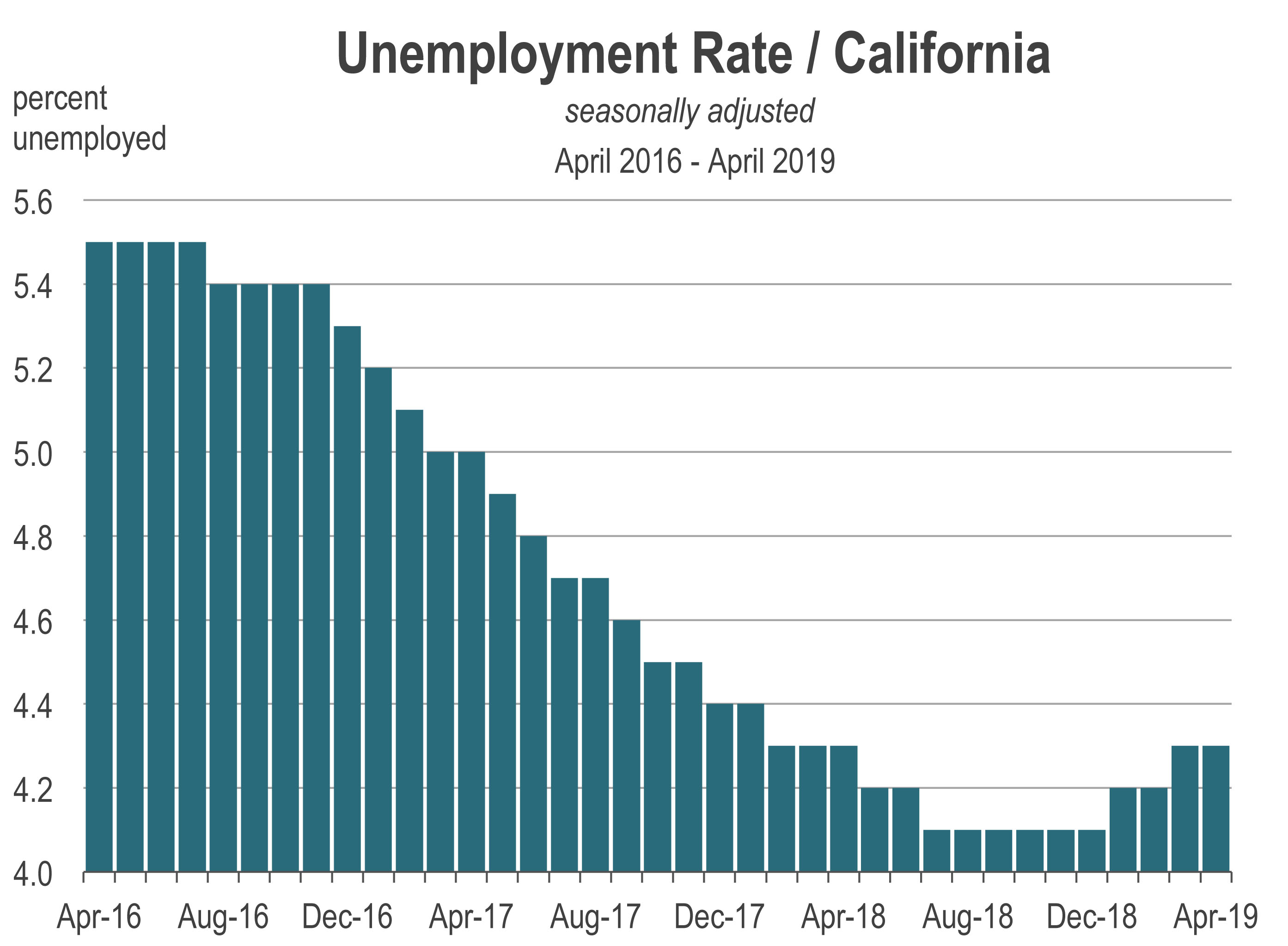
California’s unemployment rate has experienced significant fluctuations throughout its history, mirroring both national economic cycles and the state’s unique industrial shifts. From the post-World War II boom to the dot-com bubble and the Great Recession, the state has demonstrated resilience and adaptability.
Periods of High and Low Unemployment
Historically, California has seen periods of very low unemployment, particularly during times of rapid technological growth or when major industries are booming. Conversely, economic downturns, such as the early 1980s recession or the housing crisis of 2008, have led to sharp increases in unemployment. The COVID-19 pandemic, for instance, caused a dramatic spike in the unemployment rate across the state and the nation, with widespread business closures and job losses.
Factors Shaping the Future
Looking ahead, several factors will continue to shape California’s unemployment rate:
- The Future of Work: The increasing prevalence of remote work, automation, and the gig economy will undoubtedly alter traditional employment patterns.
- Climate Change Adaptation: The state’s response to climate change will influence industries like agriculture and tourism, and may necessitate new types of jobs in renewable energy and sustainability.
- Housing Affordability: High housing costs in many parts of California can impact labor mobility and the ability of businesses to attract workers.
- Global Competition: California’s position as a global economic leader means it will remain susceptible to international market forces.
In conclusion, the unemployment rate of California is more than just a statistic; it’s a dynamic indicator that reflects the health, opportunities, and challenges within this influential state. For travelers, it offers insights into the potential vibrancy and service levels of destinations. For businesses, it is a critical metric for strategic planning and operational success. As California continues to evolve, understanding its employment landscape remains paramount for anyone engaging with the Golden State.
LifeOutOfTheBox is a participant in the Amazon Services LLC Associates Program, an affiliate advertising program designed to provide a means for sites to earn advertising fees by advertising and linking to Amazon.com. Amazon, the Amazon logo, AmazonSupply, and the AmazonSupply logo are trademarks of Amazon.com, Inc. or its affiliates. As an Amazon Associate we earn affiliate commissions from qualifying purchases.