
Florida, affectionately known as the Sunshine State, beckons millions of visitors each year with its pristine beaches, vibrant cities, and world-class attractions. However, understanding the intricate nuances of its weather patterns is paramount for any traveler planning a memorable and comfortable journey. Unlike many other states that experience four distinct seasons with predictable transitions, Florida operates on a slightly different rhythm, largely dictated by its subtropical to tropical climate. This guide delves into what you can expect from Florida’s skies and temperatures throughout the year, ensuring you pack appropriately, plan your activities wisely, and make the most of your visit to this diverse peninsula. From the balmy summers to the mild winters, and the unique characteristics of its hurricane season, navigating Florida’s weather is key to unlocking an optimal travel experience.
Understanding Florida’s Climate: The Sunshine State’s Diverse Seasons
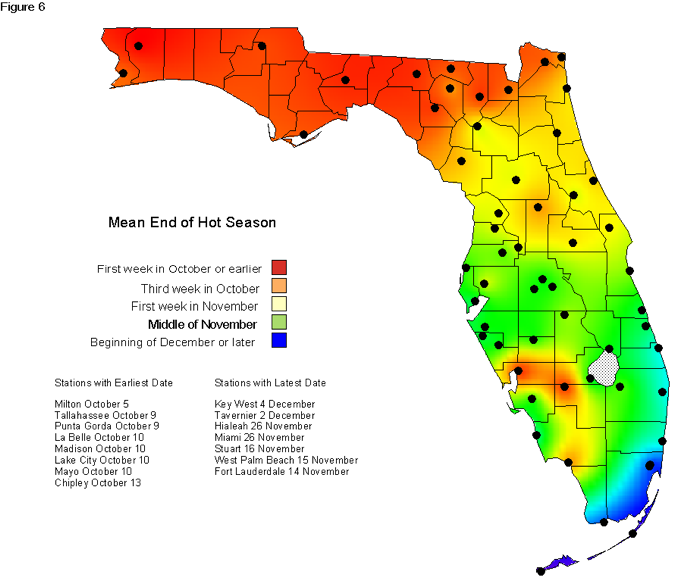
Florida’s geographical position, stretching from temperate zones in the north to tropical regions in the south, creates a fascinating climatic spectrum. While the state is famous for its abundant sunshine, it’s also characterized by significant variations in temperature, humidity, and rainfall depending on the region and the time of year. This understanding is crucial for any traveler, as the weather in Jacksonville can be quite different from that in Key West on the same day. Generally, Florida experiences two primary seasons: a hot, humid, and wet season (roughly May to October) and a warm, dry season (November to April).
Subtropical Nuances: North vs. South Florida
The state’s elongated shape means a significant climatic gradient from north to south. North Florida, encompassing cities like Jacksonville, Gainesville, and Tallahassee, experiences a humid subtropical climate, similar to other parts of the Deep South. Here, winters are cooler, with occasional freezes and even rare instances of sleet, though snow is virtually unheard of. Summers are hot and humid, but typically less intense than the truly tropical south. This region sees more pronounced seasonal changes, making autumn and spring particularly pleasant with mild temperatures and lower humidity.
Conversely, South Florida, including metropolitan areas like Miami, Fort Lauderdale, and the Florida Keys, boasts a tropical climate. Winters are distinctly warm and dry, often feeling like an endless summer day to visitors from colder climes. Frost is an extreme rarity. Summers are intensely hot, humid, and characterized by frequent afternoon thunderstorms. This region is also more susceptible to tropical storms and hurricanes, given its position. Central Florida, home to Orlando’s theme parks, typically falls somewhere in between, leaning more towards the subtropical but still enjoying warmer winters than the north.
Seasonal Breakdown: What to Expect When
- Winter (December – February): This is Florida’s peak tourist season, and for good reason. Temperatures across the state are mild to warm, with average highs ranging from the low 60s Fahrenheit (15-18°C) in the north to the mid-70s Fahrenheit (24-27°C) in the south. Humidity is low, and sunshine is abundant. Rain is minimal, occurring primarily through occasional cold fronts. It’s the ideal time for outdoor activities, beach visits, and enjoying attractions without the oppressive heat.
- Spring (March – May): A beautiful transition season, spring sees temperatures gradually rise, especially as May approaches. Northern Florida can still have pleasant, slightly cool mornings in March, while South Florida begins to feel like summer by late April. Humidity starts to creep up, and scattered thunderstorms become more frequent in the afternoons, particularly in May. This period is popular for Spring Break and offers excellent conditions for exploring natural parks and coastal areas.
- Summer (June – August): Prepare for heat, humidity, and rain. Summer is characterized by daily afternoon thunderstorms, often intense but brief, providing a temporary respite from the heat. Highs universally reach the upper 80s to low 90s Fahrenheit (30-34°C), with “real feel” temperatures often exceeding 100°F (38°C) due to high humidity. These months also mark the official start of hurricane season. While intense, summer is also when water parks and indoor attractions shine.
- Autumn (September – November): This season brings a gradual cooling, especially towards October and November. Early autumn still feels very much like summer, with continued high humidity and the peak of hurricane season. By late October and November, however, the air begins to dry out, temperatures become more comfortable, and the humidity drops significantly. It’s another excellent shoulder season for travel, with fewer crowds and pleasant weather, especially from mid-October onwards.
The Allure of Florida’s Summers: Heat, Humidity, and Hurricanes
Florida in summer is a vibrant, albeit intense, experience. From June through September, the state fully embraces its tropical side, characterized by significant heat, oppressive humidity, and a daily ritual of afternoon thunderstorms. While this might deter some, many find the summer months to be an exhilarating time to visit, especially those who relish the warmth and don’t mind planning around the weather patterns. It’s a period when the state truly comes alive with lush greenery, abundant wildlife, and a relentless energy.
Embracing the Warmth: Activities and Attractions
Despite the heat, Florida offers a plethora of ways to stay cool and entertained during the summer. Water-based activities become paramount. The state’s renowned beaches, like those in Clearwater or South Beach Miami, are perfect for swimming, paddleboarding, and jet-skiing. Florida’s numerous natural springs, such as those in Silver Springs State Park or Blue Spring State Park, offer crystal-clear, refreshingly cool waters ideal for swimming and snorkeling. Theme parks like Walt Disney World Resort and Universal Studios Florida in Orlando are equipped with extensive water rides and indoor attractions, and visitors learn to embrace the afternoon downpours as a natural cool-down. Early mornings are best for outdoor excursions like golf or exploring the Everglades before the peak heat and storms.
Navigating the Hurricane Season: Preparedness and Peace of Mind
Hurricane season in the Atlantic officially runs from June 1st to November 30th, with the most active period typically occurring from August through October. While direct hurricane strikes are relatively infrequent, tropical storms and depressions are more common. It’s crucial for summer and early fall travelers to be aware and prepared. Travelers should consider purchasing travel insurance that covers hurricane-related cancellations or interruptions. Staying informed by monitoring official weather forecasts from the National Hurricane Center and local news is essential. Most hotels and resorts in Florida have robust hurricane preparedness plans, and local authorities are excellent at issuing timely warnings and evacuation orders if necessary. Despite the potential for disruption, many millions visit Florida safely during these months, enjoying lower prices and fewer crowds compared to the peak winter season.
The Charm of Florida’s Winters: Mildness and Mediterranean Vibes
While the rest of the northern hemisphere often bundles up against the cold, Florida in winter offers a delightful escape, characterized by glorious sunshine, comfortable temperatures, and significantly lower humidity. This period, roughly from November to April, is widely considered the best time to visit the Sunshine State, especially for those seeking respite from harsh winter climates elsewhere. The absence of intense heat and humidity makes it perfect for exploring the outdoors and indulging in all the state has to offer without breaking a sweat.
Ideal for Escapists: Northern Tourists and Snowbirds
Florida’s winter climate is a magnet for “snowbirds”—seasonal residents and tourists from colder northern states and Canada. They flock to destinations like Sarasota, Naples, and the Florida Keys to bask in the consistently pleasant weather. Average daytime temperatures typically range from the low 70s Fahrenheit (21-24°C) in South Florida to the upper 60s Fahrenheit (18-20°C) in Central Florida, with cooler nights that might require a light jacket. This weather is ideal for prolonged periods outdoors, whether it’s golfing on one of Florida’s championship courses, exploring historic districts like St. Augustine, or simply relaxing on the beach. Water temperatures remain suitable for swimming in the southern parts of the state and the Gulf Coast through much of the winter.
Festive Florida: Holiday Travel and Events
Winter is also a prime time for festivals and events across Florida. The holiday season brings festive lights and special parades to theme parks and downtown areas. Cities like Miami host international art fairs like Art Basel, while boat parades light up coastal communities. Sports enthusiasts can enjoy NFL games with the Miami Dolphins, Tampa Bay Buccaneers, or Jacksonville Jaguars, or catch spring training baseball as the MLB teams arrive. The comfortable weather makes exploring outdoor attractions such as the Kennedy Space Center Visitor Complex or kayaking through tranquil waterways particularly enjoyable. However, this popularity means higher demand for accommodations and flights, so booking well in advance is highly recommended.
Spring and Autumn: The Shoulder Seasons’ Sweet Spot
Between the bustling intensity of summer and the serene perfection of winter lie Florida’s shoulder seasons: spring (March to May) and autumn (September to November). These periods often offer a delightful compromise, blending pleasant weather with potentially fewer crowds and more attractive pricing than the peak winter months. For many seasoned travelers, these transitional seasons represent the ‘sweet spot’ for a Florida getaway.
Spring Break Buzz and Blooming Landscapes
Spring in Florida awakens with vibrant energy. March and April typically offer some of the most beautiful weather of the year statewide, before the full onset of summer heat and humidity. Temperatures are comfortably warm, often in the 70s and low 80s Fahrenheit (21-29°C), with gentle breezes. This makes it an ideal time for beach trips to destinations like Panama City Beach or Fort Myers, exploring gardens, or enjoying outdoor dining. Of course, spring is synonymous with Spring Break, drawing college students to coastal cities. While some areas become lively and crowded during this time, many other parts of Florida remain tranquil and enjoyable, perfect for families or those seeking a quieter escape. The landscape blossoms with colorful flowers, and wildlife is particularly active, making it a great time for nature tours in places like the Everglades National Park.
Autumn’s Gentle Transition: Fewer Crowds, Pleasant Conditions
Autumn, particularly from mid-October through November, is another hidden gem for Florida travel. While September and early October still fall within the tail end of hurricane season and retain summer-like humidity, the air begins to dry out noticeably as November approaches. Temperatures gradually cool, settling into the comfortable 70s Fahrenheit (21-26°C), and the relentless afternoon thunderstorms become less frequent. This period is excellent for visiting theme parks in Orlando with potentially shorter lines, exploring the historic streets of St. Augustine, or enjoying the natural beauty of the Gulf Coast. With schools back in session, tourist numbers generally decrease compared to summer and winter peaks, offering a more relaxed atmosphere and better deals on flights and accommodations. It’s an ideal time for those who appreciate comfortable weather for outdoor activities and a calmer travel experience before the winter crowds arrive.
Packing Smart for Florida’s Forecast: A Traveler’s Guide
Understanding Florida’s weather is one thing; packing effectively for it is another. Given the state’s diverse climate zones and seasonal shifts, a well-thought-out packing strategy is crucial for a comfortable and enjoyable trip. The key is versatility and preparation for sudden changes, especially during the wetter and warmer months.
Essential Gear for Every Season
Regardless of when you visit, a few items are universally recommended for Florida travel:
- Lightweight Clothing: Even in winter, days can be warm. Opt for breathable fabrics like cotton, linen, or moisture-wicking synthetics. Layers are your best friend, especially during spring and autumn, to adjust to temperature fluctuations between day and night.
- Swimwear: With countless beaches, pools, and springs, swimwear is a must-have year-round.
- Rain Gear: A lightweight, packable rain jacket or umbrella is invaluable, especially from May through October when afternoon showers are common. Don’t let a sudden downpour dampen your spirits!
- Comfortable Footwear: You’ll likely be doing a lot of walking, whether at theme parks, nature trails, or bustling city streets. Include waterproof sandals or flip-flops for the beach or pool.
- Sun Protection: This is non-negotiable in the Sunshine State. Pack high-SPF sunscreen, a wide-brimmed hat, and sunglasses. The sun’s rays are intense, even on cloudy days.
- Insect Repellent: Particularly if you plan to venture into natural areas, especially at dawn or dusk, bug spray is essential to fend off mosquitoes and other biting insects.

Staying Hydrated and Sun-Safe
Florida’s humidity, especially during summer, can lead to rapid dehydration. Always carry a reusable water bottle and replenish fluids regularly. Many attractions and public spaces offer water fountains or refill stations. When spending extended time outdoors, seek shade frequently and consider wearing UV-protective clothing. Remember that even in winter, the sun can be strong, especially at the beach or on the water. Proper sun protection not only prevents sunburn but also helps mitigate the risk of heat-related illnesses.
In conclusion, Florida’s weather is as dynamic and captivating as its landscapes. By understanding its regional and seasonal variations, travelers can strategically plan their visits, pack appropriately, and confidently immerse themselves in all the wonders this incredible state has to offer, regardless of the forecast.
LifeOutOfTheBox is a participant in the Amazon Services LLC Associates Program, an affiliate advertising program designed to provide a means for sites to earn advertising fees by advertising and linking to Amazon.com. Amazon, the Amazon logo, AmazonSupply, and the AmazonSupply logo are trademarks of Amazon.com, Inc. or its affiliates. As an Amazon Associate we earn affiliate commissions from qualifying purchases.