
California, a sprawling jewel on the western edge of the United States, is renowned for its stunning natural beauty, vibrant cities, and diverse cultures. From sun-drenched beaches to snow-capped mountains, and bustling urban centers to serene desert landscapes, the Golden State truly offers something for every traveler. However, one of the most intriguing aspects, and perhaps the most crucial for planning an unforgettable trip, is its incredibly varied climate. Understanding “What is the weather in California?” isn’t a simple question with a single answer; it’s an exploration of microclimates, geographical influences, and seasonal shifts that dictate everything from your packing list to your chosen activities and even your preferred type of accommodation.

For those venturing into California, whether for a luxurious resort stay, a family adventure, a business trip, or an immersive cultural experience, acknowledging the state’s climatic diversity is paramount. A single day might see you basking in desert heat, navigating the cool fog of a coastal city, and then retreating to the crisp air of a mountain lodge. This guide delves into the intricate tapestry of California’s weather patterns, offering insights tailored for travelers, helping you maximize your experience, and ensuring your journey is as comfortable and rewarding as possible.
California’s Diverse Climates: A Land of Extremes
California’s unique geography is the primary driver of its astonishing climatic range. Stretching over 800 miles from north to south and encompassing everything from low-lying deserts below sea level to towering mountain peaks exceeding 14,000 feet, the state is a patchwork of distinct weather zones. The cooling influence of the Pacific Ocean along its extensive coastline, the formidable barrier of the Sierra Nevada mountain range to the east, and the vast central valleys all contribute to a dramatic mosaic of temperatures and precipitation.
Generally, California experiences a Mediterranean climate, characterized by warm, dry summers and mild, wet winters, particularly along the coast and in the central valleys. However, this generalisation quickly gives way to significant regional variations. As you move inland, away from the moderating ocean breeze, temperatures tend to become more extreme, with hotter summers and colder winters. The mountains see heavy snowfall, while the southeastern deserts are famously hot and arid. This rich tapestry means that at any given time, you can find almost any type of weather within the state’s borders, making it an endless source of fascination and a thrilling challenge for travel planning.
Coastal California: Sun, Fog, and Ocean Breezes
The iconic California coastline, stretching for over a thousand miles, is perhaps the most famous and frequently visited region. Its weather is largely dictated by the Pacific Ocean, resulting in milder temperatures year-round compared to inland areas. However, even within this coastal strip, significant differences exist from north to south, and even between adjacent cities.
The Northern Coast: Microclimates and Cool Charms
Starting in the north, cities like San Francisco are legendary for their distinct microclimates. While summer often brings sunshine to other parts of the state, San Francisco frequently experiences its famous fog, particularly during June, July, and August (affectionately known as “Fogust”). This marine layer keeps temperatures cool, often in the 60s Fahrenheit (15-20°C), making light layers, even a jacket, essential for exploring landmarks like the Golden Gate Bridge or enjoying a ferry ride to Alcatraz Island. The best time to experience clearer, warmer weather in San Francisco is often in September and October, when the fog tends to recede.
Further south along the central coast, destinations like Monterey and Santa Cruz share similar patterns but can sometimes experience slightly warmer temperatures and less persistent fog. Winter brings mild, rainy conditions, ideal for cozy stays in boutique hotels or exploring indoor attractions like the Monterey Bay Aquarium. This region, with its rugged beauty and temperate climate, is perfect for scenic drives, coastal hikes, and savoring fresh seafood. Accommodation here ranges from charming bed-and-breakfasts to luxury resorts offering stunning ocean views, many of which provide fireplaces or heated pools to enhance comfort during cooler evenings.
The Southern Coast: Sunshine and Mediterranean Bliss
As you travel down to Southern California, the weather becomes progressively sunnier and warmer. Los Angeles epitomizes the quintessential Southern California climate: year-round sunshine, mild winters, and warm to hot summers, especially away from the immediate coast. While coastal areas like Santa Monica and Malibu benefit from ocean breezes, tempering summer highs, inland valleys like the San Fernando Valley can reach much higher temperatures. Average summer highs often hover in the 80s Fahrenheit (27-32°C), while winters are pleasant, with daytime temperatures in the 60s Fahrenheit (15-20°C).
San Diego, the southernmost major city on the coast, boasts what many consider the “perfect” climate. With an average of 263 sunny days a year and mild temperatures that rarely stray far from 70°F (21°C), it’s an ideal destination for outdoor activities year-round. From exploring Balboa Park to relaxing on its pristine beaches or visiting the San Diego Zoo, the weather is almost always cooperative. For those planning a family trip or seeking a relaxing beach vacation, San Diego’s consistent sunshine makes it a prime choice for resorts and beachfront accommodations, many of which feature extensive outdoor amenities like pools, cabanas, and al fresco dining.
Inland Valleys and Deserts: Heat and Sunshine
Moving away from the coastal influence, California’s interior regions present a stark contrast in climate, characterized by more extreme temperatures and drier conditions. These areas offer unique travel experiences, from world-class wine tasting to exploring otherworldly desert landscapes.
Central Valley and Wine Country: Seasonal Delights
The vast Central Valley, running through the heart of California and encompassing cities like Sacramento, experiences hot, dry summers where temperatures frequently climb into the 90s and even 100s Fahrenheit (32-38°C+). Winters are mild and often foggy, particularly in the southern reaches. This agricultural powerhouse provides a different pace of travel, focusing on farm-to-table culinary experiences and exploring smaller towns.
North of the Central Valley lie the renowned wine regions of Napa Valley and Sonoma. Here, the climate is ideal for viticulture, featuring warm, sunny days and cool evenings, especially during the crucial growing season. Summer and early fall (harvest season) are the most popular times to visit, offering perfect weather for vineyard tours, al fresco dining, and hot air balloon rides. Luxury hotels and boutique resorts in these areas often feature exquisite pools, spas, and outdoor terraces, designed to take full advantage of the beautiful weather. During these peak seasons, booking accommodation and experiences well in advance is highly recommended due to high demand.
Southern Deserts: Extreme Heat and Stargazing Opportunities
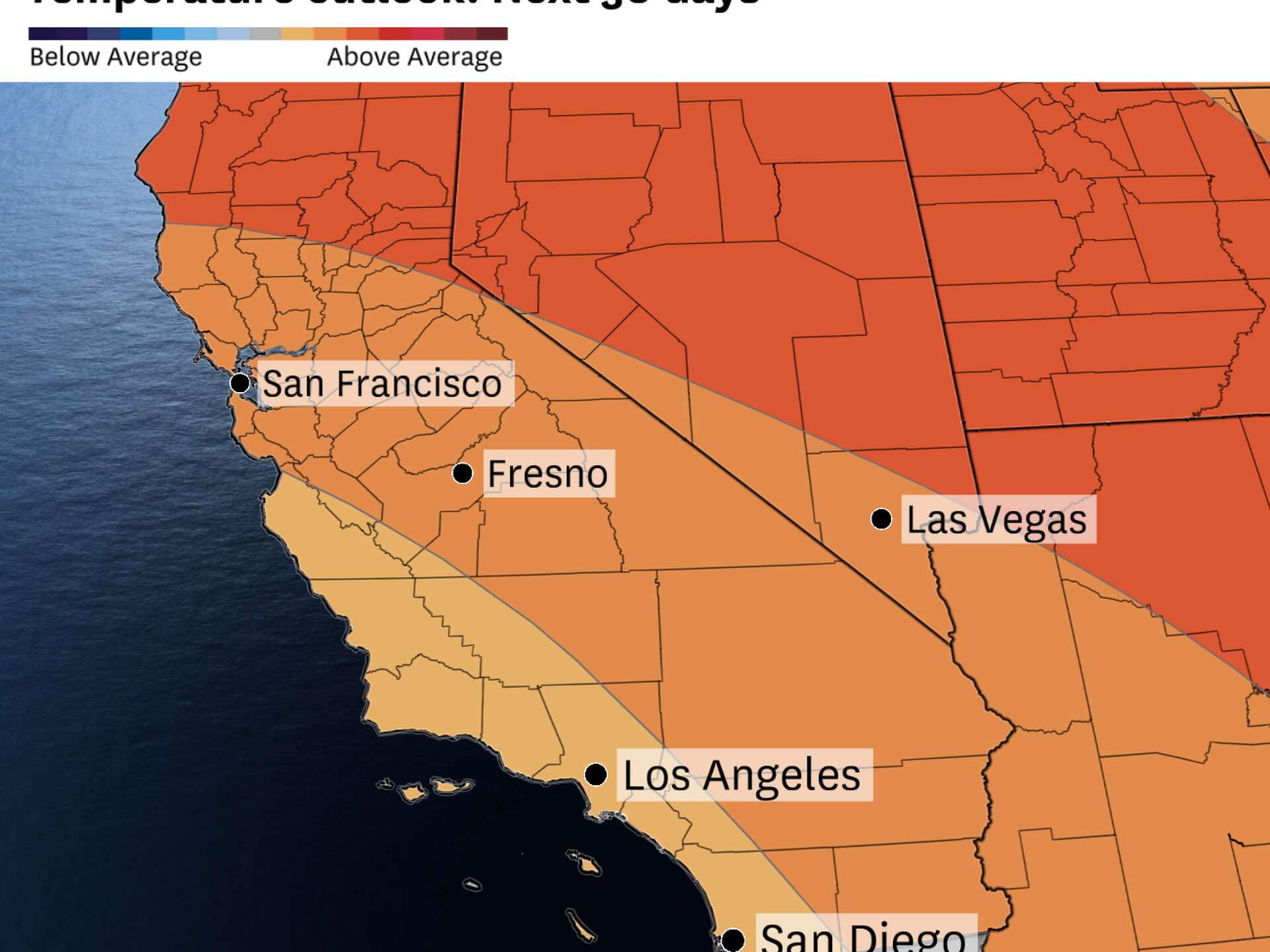
Southeastern California is home to stunning desert landscapes, including Death Valley National Park and Joshua Tree National Park. These regions are famous for their extreme heat during the summer months, with temperatures in Death Valley regularly exceeding 120°F (49°C), making it one of the hottest places on Earth. Summer travel here requires extreme caution, focusing on early morning or late evening activities, and staying hydrated.
The best time to visit California’s deserts is from late fall to spring (October to April), when temperatures are much more pleasant, ranging from the 60s to 80s Fahrenheit (15-30°C). This cooler period is ideal for hiking, exploring unique rock formations, and especially stargazing, as the clear desert nights offer unparalleled views of the cosmos. Palm Springs, a chic desert oasis, thrives during these cooler months. Its mid-century modern architecture, golf courses, and vibrant arts scene are best enjoyed when the weather is comfortable. Resorts in Palm Springs are designed to provide a luxurious escape from the heat, with extensive pools, misting systems, and air-conditioned suites. These destinations offer a unique lifestyle experience, combining relaxation with adventure, all under a vast, usually cloudless sky.
Mountain Regions: Snow, Seasons, and Alpine Adventures
California’s majestic mountain ranges, dominated by the Sierra Nevada, offer a completely different climatic experience, marked by distinct seasons and heavy snowfall in winter. These regions are a haven for outdoor enthusiasts, whether they seek winter sports or summer hiking.
The Sierra Nevada: Alpine Grandeur and Seasonal Shifts
The Sierra Nevada range, home to magnificent Yosemite National Park, Sequoia National Park, and Lake Tahoe, experiences true four-season weather. Winters bring abundant snowfall, transforming the landscape into a winter wonderland perfect for skiing, snowboarding, and snowshoeing. Resorts around Lake Tahoe and in areas like Mammoth Lakes are bustling with activity, offering a range of accommodation from cozy cabins to full-service ski lodges. Expect cold temperatures, often below freezing, and be prepared for potential road closures due to snow.
Spring in the mountains is a period of thaw, with rushing waterfalls (particularly spectacular in Yosemite) and blooming wildflowers, though higher elevations may still hold snow. Summers are warm and sunny, with daytime temperatures in the 70s and 80s Fahrenheit (21-30°C), making it ideal for hiking, camping, and water sports on lakes. Fall brings stunning foliage and crisp air, perfect for scenic drives and quieter outdoor pursuits. When planning trips to Yosemite or Lake Tahoe, consider the season carefully, as road access, available activities, and accommodation availability vary dramatically. Many lodges and hotels offer seasonal packages tailored to summer adventurers or winter sports enthusiasts.
Southern California Mountains: Local Escapes
Closer to the metropolitan areas of Southern California are smaller mountain ranges like the San Bernardino Mountains and San Gabriel Mountains. These areas, including destinations like Big Bear Lake, also offer distinct seasonal weather. They provide popular local getaways for Angelenos seeking snow in winter or cooler temperatures and nature in summer. Winter sports thrive here, while summer offers hiking, mountain biking, and lake activities. The climate is similar to the Sierra Nevada but on a smaller scale, with less extreme snowfall and generally milder conditions. Cabins and vacation rentals are popular accommodation choices in these areas, catering to families and groups looking for a rustic yet comfortable escape.
Planning Your Trip: Weather-Wise Travel & Accommodation
Navigating California’s diverse weather requires thoughtful planning, ensuring your travel itinerary, clothing choices, and accommodation selections align perfectly with the climate you’ll encounter.
Seasonal Considerations and Activities
- Spring (March-May): Generally mild across the state. Ideal for desert wildflowers, coastal exploration before summer crowds, and excellent hiking in the mountains (though higher trails may still be snowy). Great for city breaks in San Francisco or Los Angeles with comfortable temperatures. Wineries in Napa Valley are beautiful with budding vines.
- Summer (June-August): Hot and dry inland, warm on the southern coast, and famously foggy/cool on the northern coast. Perfect for beach vacations in San Diego, water sports on Lake Tahoe, and exploring high-elevation national parks like Yosemite (when roads are fully open). Avoid desert regions during peak midday heat. Theme parks like Disneyland Resort are bustling, so expect crowds and warm weather.
- Fall (September-November): Often considered one of the best times to visit California. The coastal fog typically recedes, bringing warmer, clearer days to San Francisco. Deserts become pleasant, and wine country celebrates harvest season with vibrant colors and events. Mountain areas offer stunning fall foliage and crisp hiking weather before heavy snows arrive.
- Winter (December-February): Mild and rainy along the coast and in the valleys, snowy in the mountains, and cool to mild in the deserts. Ideal for skiing and snowboarding in Lake Tahoe or Mammoth Lakes. Cities like Los Angeles and San Diego remain pleasant for sightseeing, and the desert offers a comfortable escape. It’s also a great time for whale watching along the coast.
Packing Smart and Booking Right
Given the diversity, smart packing is crucial. Layers are your best friend. Even on a hot day, coastal evenings can be cool, and air-conditioned interiors can be chilly. For a multi-region trip, expect to pack everything from swimwear and light clothing for the deserts and southern coast to warmer layers and potentially rain gear for the northern coast or mountains. If venturing into the mountains during winter, specialized winter sports gear and heavy-duty cold weather clothing are non-negotiable.
When it comes to accommodation, the weather directly influences your choices and experience. In hot desert areas like Palm Springs, hotels and resorts with expansive pools, shaded cabanas, and excellent air conditioning are key to a comfortable stay. Along the cool, foggy northern coast, a hotel with a cozy fireplace or an indoor heated pool can be a welcome amenity. For mountain getaways, especially during winter, opting for lodges or cabins with amenities like hot tubs, ski-in/ski-out access, or robust heating systems will significantly enhance your experience. Conversely, during summer in the mountains, accommodation with outdoor patios, easy access to hiking trails, and perhaps even lake views become paramount.
Booking reviews and comparing different hotels or vacation rentals on platforms that specialize in accommodation can provide valuable insights into how each property caters to the local climate. For instance, a luxury hotel in Beverly Hills will have different climate-control considerations than a remote cabin in Yosemite. Always check the seasonal demand; popular destinations like Disneyland Resort, Yosemite, and Napa Valley can see accommodation prices surge and availability dwindle during peak weather seasons. Long-term stays can offer more flexibility to enjoy various weather patterns and explore at a leisurely pace.
Conclusion
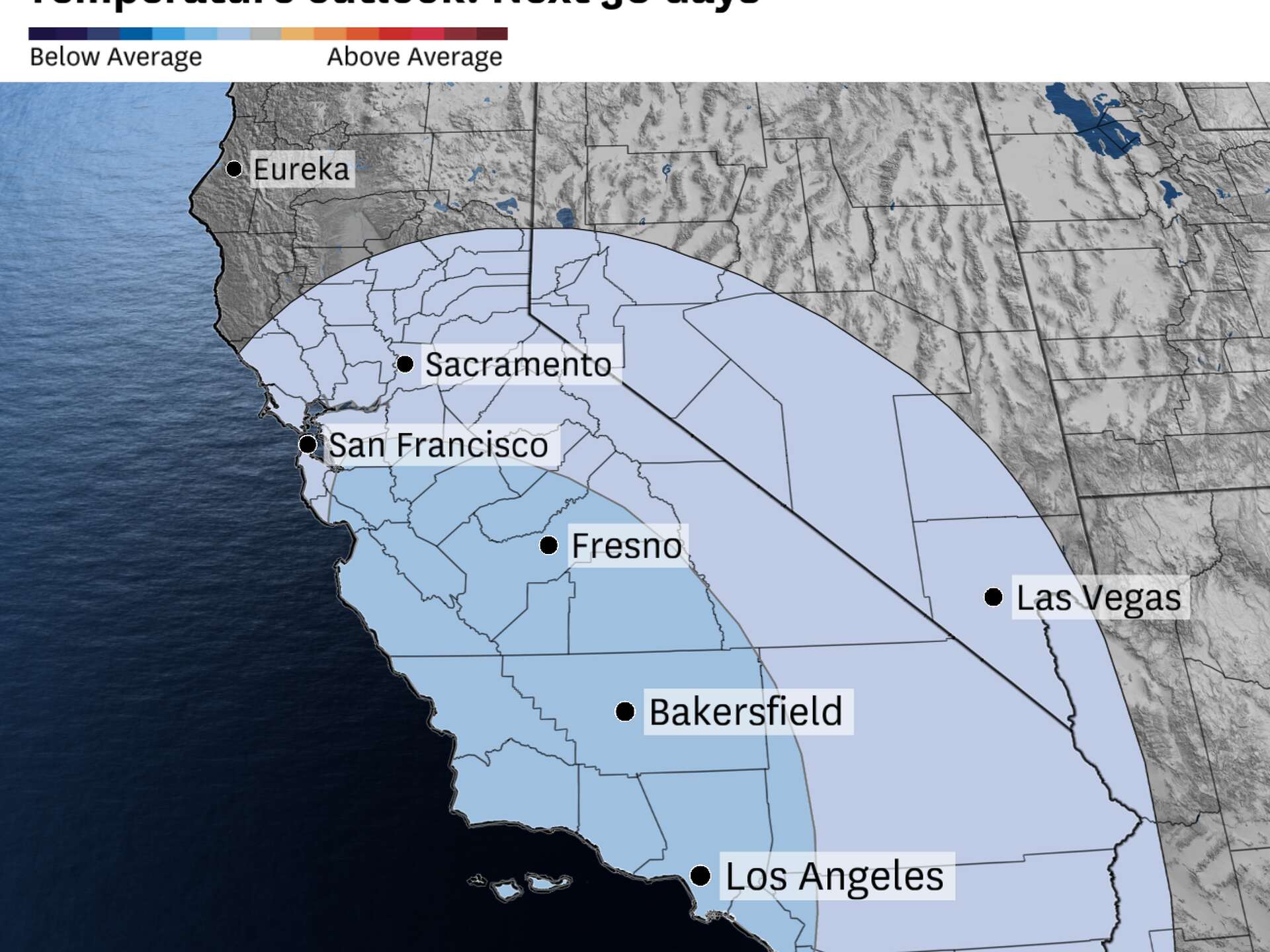
The question “What is the weather in California?” opens the door to a world of climatic wonders, each region offering a unique backdrop for unforgettable travel experiences. From the misty allure of San Francisco to the sun-baked expanses of Death Valley, and from the snowy peaks of the Sierra Nevada to the perpetually pleasant shores of San Diego, the Golden State is a testament to natural diversity. Understanding these varied weather patterns is not just about knowing what to pack; it’s about unlocking the best times for specific activities, choosing the perfect accommodation to suit your needs, and ultimately crafting a journey that resonates with your personal travel style.
Whether you’re planning a luxurious escape, an adventurous family trip, or a tranquil solo retreat, keep California’s dynamic weather in mind. By embracing its climatic contrasts, you’re not just visiting a place; you’re embarking on a multi-faceted adventure, ensuring that your time in this extraordinary state is nothing short of spectacular. Pack wisely, plan thoughtfully, and prepare to be amazed by the endless skies and ever-changing landscapes that await you in California.