
Florida, often dubbed the “Sunshine State,” boasts a climate that is as diverse and dynamic as its array of attractions. For any traveler planning a visit, understanding the prevailing weather patterns is paramount to ensuring a seamless and enjoyable experience, whether you’re seeking sun-drenched beaches, thrilling theme park adventures, or serene natural escapes. From its subtropical north to its tropical south, Florida’s weather dictates not just what to pack, but also the best time to engage in specific activities and explore its various regions.
Florida’s Climate: An Overview
At its core, Florida is characterized by a humid subtropical climate in its northern and central regions, transitioning to a tropical climate in the southern reaches, including the Florida Keys and the Miami metropolitan area. This unique geographical positioning ensures warm temperatures year-round, but also brings distinct wet and dry seasons.
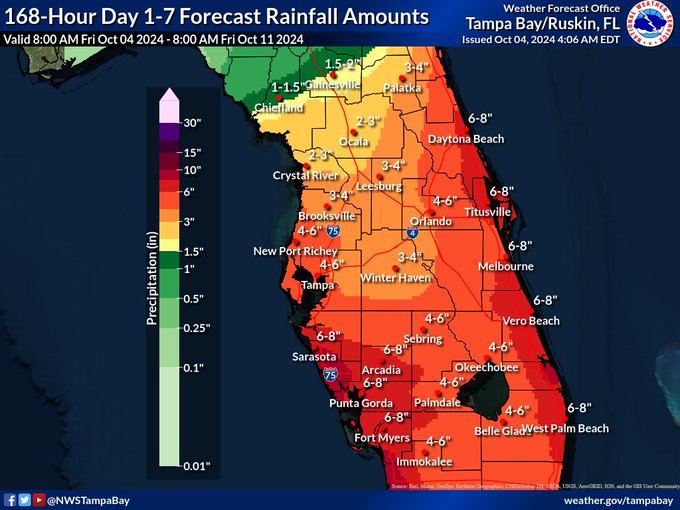
The dry season typically runs from October through May, offering cooler temperatures, lower humidity, and abundant sunshine – ideal conditions for most outdoor activities. Conversely, the wet season, from June through September, is marked by high heat, stifling humidity, and frequent afternoon thunderstorms. While these daily downpours are usually brief and intense, they can significantly impact travel plans, especially for those venturing to outdoor attractions. The wet season also coincides with hurricane season, a critical consideration for any traveler.
Understanding these broad strokes is just the beginning. A deeper dive into Florida’s seasonal and regional variations will provide travelers with the granular detail needed to optimize their itinerary for the best possible weather.
Seasonal Weather Breakdown for Travelers
Each season in Florida offers a unique set of weather conditions, influencing crowd levels, prices, and available activities.
Winter (December – February): The Sunshine Season
Winter is arguably the most popular time to visit Florida, particularly for those escaping colder northern climates. Temperatures are wonderfully mild, often ranging from the low 60s to mid-70s Fahrenheit (15-24°C) across much of the state, though North Florida can experience cooler fronts and occasional dips into the 40s (4-9°C). Humidity is low, skies are typically clear, and rainfall is minimal. This makes it perfect for beach holidays along the Gulf Coast or Atlantic Coast, exploring Everglades National Park, or enjoying the vibrant nightlife of South Beach. However, this peak season also means larger crowds at popular destinations like Walt Disney World Resort in Orlando and higher accommodation prices.
Spring (March – May): Pleasant Transitions
Spring in Florida offers a delightful transition, maintaining comfortable temperatures while slowly introducing more warmth and humidity as summer approaches. March and April are particularly pleasant, with temperatures generally in the 70s and 80s Fahrenheit (21-30°C). Rainfall remains relatively low, making it an excellent time for outdoor activities, golfing, and exploring gardens. This period is also popular for Spring Break travelers, so expect bustling coastal towns like Panama City Beach and Miami. By May, temperatures climb higher, often reaching the high 80s (30-32°C), and humidity starts to increase noticeably, signaling the approach of the wet season.
Summer (June – August): Heat, Humidity, and Hurricanes
Florida summers are characterized by intense heat and high humidity, with daily temperatures consistently in the high 80s and 90s Fahrenheit (30-35°C), often feeling even hotter due to the humidity. Daily afternoon thunderstorms are a common occurrence, bringing heavy rain, lightning, and sometimes strong winds. While usually short-lived, these storms can disrupt outdoor plans, especially at theme parks or beaches. This season also marks the official start of hurricane season (June 1st to November 30th), with peak activity typically from August to October. Despite the weather challenges, summer is when many families visit theme parks due to school holidays. Water parks and indoor attractions become particularly appealing during this time.
Autumn (September – November): Cooling Down, Still Cautious
Autumn in Florida is a period of gradual transition, offering a slow retreat from summer’s oppressive heat and humidity. September and October are still quite warm, with temperatures in the 80s (27-32°C), and the state remains squarely within hurricane season, meaning travelers should stay vigilant about weather advisories. However, as November progresses, temperatures begin to cool, and humidity levels drop, bringing more comfortable conditions. By late November, the weather often resembles early spring – mild, sunny, and much drier, making it an increasingly popular time for travel, particularly around Thanksgiving. This shoulder season can offer a good balance of pleasant weather and fewer crowds compared to the winter peak.

Regional Weather Variations Across the Sunshine State
Florida’s elongated geography means weather can vary significantly from north to south, impacting local attractions and ideal travel times.
North Florida and the Panhandle
Regions like Jacksonville, Tallahassee, and the Panhandle (including Pensacola and Destin) experience the most pronounced seasonal changes. Winters here are cooler, with occasional freezing temperatures, especially overnight. Summers are hot and humid, similar to central Florida, but with a slightly higher chance of strong thunderstorms due to its proximity to the Gulf of Mexico and frontal systems. Spring and autumn are generally very pleasant, making them ideal for exploring the region’s state parks and historic sites.
Central Florida (Home to Theme Parks)
Central Florida, home to major attractions like Orlando’s theme parks (Universal Orlando Resort, SeaWorld Orlando), enjoys a subtropical climate. Winters are mild and dry, perfect for park hopping. Summers are hot, incredibly humid, and punctuated by daily afternoon downpours. These thunderstorms are often a welcome relief from the heat, but they can temporarily close outdoor rides and necessitate a change of plans. Early mornings are often the best time to visit outdoor attractions during summer before the heat and rain set in.
South Florida and the Florida Keys
South Florida, encompassing Miami, Fort Lauderdale, and the Florida Keys, boasts a true tropical climate. Winters are warm and dry, rarely seeing temperatures below 60°F (15°C), making it a popular winter escape. Summers are hot, extremely humid, and rainy, with an extended wet season that can last well into November. The Florida Keys, particularly Key West, experience less temperature variation than mainland Florida but are still very susceptible to hurricane impacts during the peak season. The warm ocean waters make diving and snorkeling popular year-round, but summer brings the highest risk of marine weather disturbances.
Planning Your Trip Around Florida’s Forecast
Optimizing your Florida travel experience means aligning your expectations and preparations with the state’s climate.
Packing Essentials
Regardless of the season, essentials for any Florida trip include:
- Sunscreen and Hat: The sun is strong year-round.
- Lightweight, Breathable Clothing: Cotton and linen are excellent choices.
- Swimsuit: Even in winter, a heated pool or a warm day at the beach is possible.
- Comfortable Walking Shoes: Especially for theme parks or city exploration.
- Hydration: Always carry water, particularly during warmer months.
For winter visits, a light jacket or sweater is advisable, especially for evenings or cooler fronts. For summer, rain gear (a lightweight rain jacket or umbrella) is a must for navigating afternoon showers, and fast-drying clothes are highly recommended.
Navigating Hurricane Season
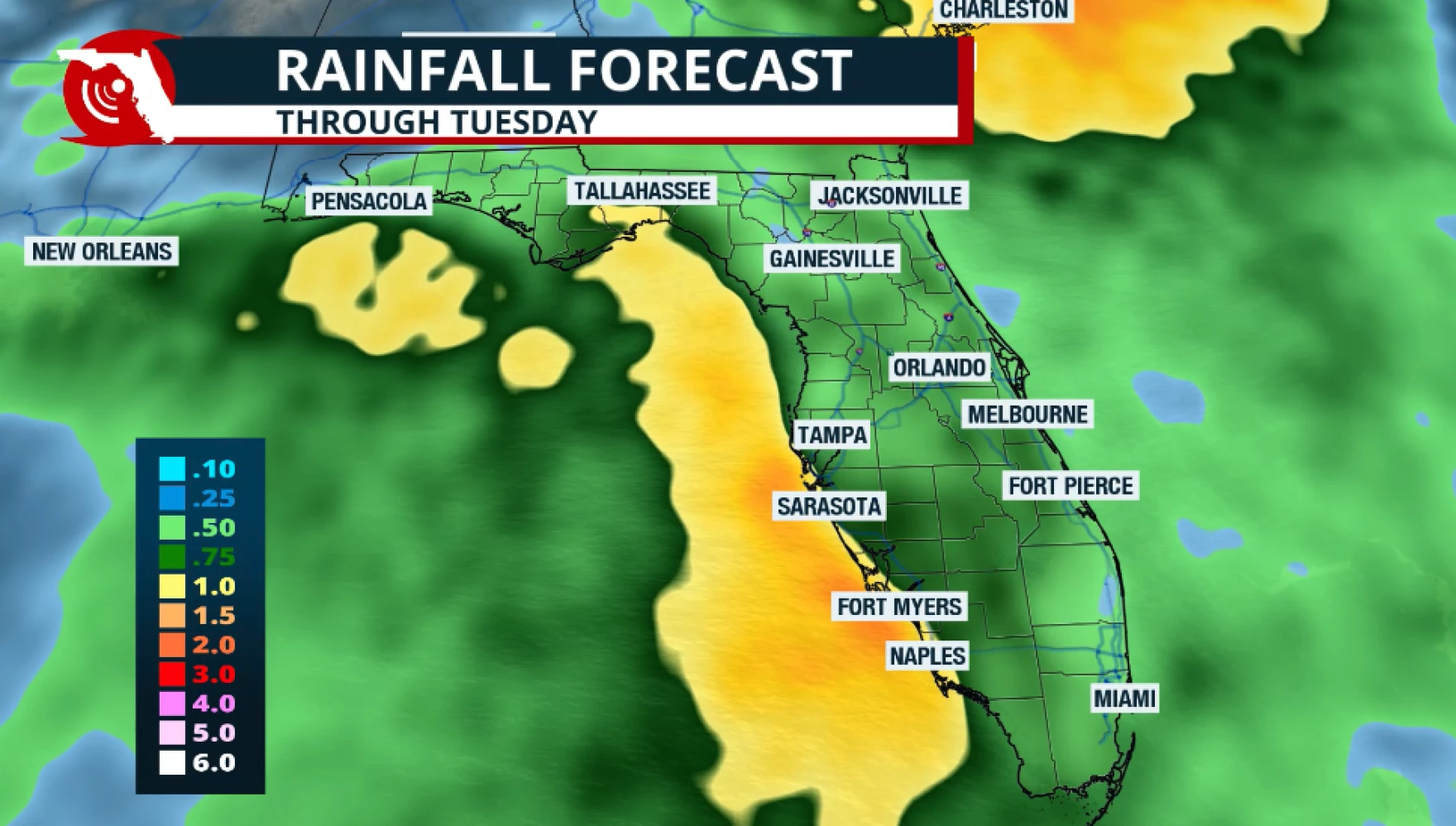
Traveling during hurricane season (June 1st to November 30th) requires extra diligence. While direct hurricane strikes are rare, the threat is real, and tropical storms or depressions can still cause significant disruption.
- Travel Insurance: Consider purchasing travel insurance that covers weather-related cancellations or interruptions.
- Stay Informed: Monitor official weather forecasts from the National Hurricane Center and local news channels before and during your trip.
- Flexible Plans: If possible, choose accommodations or flights with flexible cancellation policies.
- Alternative Activities: Have a list of indoor attractions or activities available should outdoor plans be washed out.
Ultimately, Florida’s weather, while sometimes unpredictable, is an integral part of its charm. By understanding its patterns and preparing accordingly, travelers can unlock the full potential of this vibrant and sun-soaked destination, ensuring a memorable journey no matter the season.
LifeOutOfTheBox is a participant in the Amazon Services LLC Associates Program, an affiliate advertising program designed to provide a means for sites to earn advertising fees by advertising and linking to Amazon.com. Amazon, the Amazon logo, AmazonSupply, and the AmazonSupply logo are trademarks of Amazon.com, Inc. or its affiliates. As an Amazon Associate we earn affiliate commissions from qualifying purchases.