
When planning a trip to Jacksonville Florida, understanding the local climate is paramount to ensuring a comfortable and enjoyable experience. This vibrant North Florida city boasts a distinctive subtropical climate, characterized by hot, humid summers and mild, pleasant winters. Its proximity to the Atlantic Ocean significantly influences its weather patterns, bringing with it refreshing sea breezes and the potential for coastal storms.
This guide will delve into the nuances of Jacksonville’s weather throughout the year, offering insights into average temperatures, rainfall, and the best times to visit based on your desired activities and tolerance for heat and humidity. Whether you’re considering a summer beach vacation, a fall festival, or a winter exploration of the city’s cultural offerings, a grasp of the meteorological conditions will empower you to pack wisely and schedule your adventures effectively.
Understanding Jacksonville’s Subtropical Climate
Jacksonville’s subtropical climate is a defining feature of the region, impacting everything from local flora and fauna to the daily lives of its residents and the experiences of its visitors. This climate type, also known as humid subtropical, is characterized by distinct seasons, though the transitions can sometimes feel gradual rather than abrupt. The key elements to understand are temperature, humidity, and precipitation.
Seasonal Temperature Variations
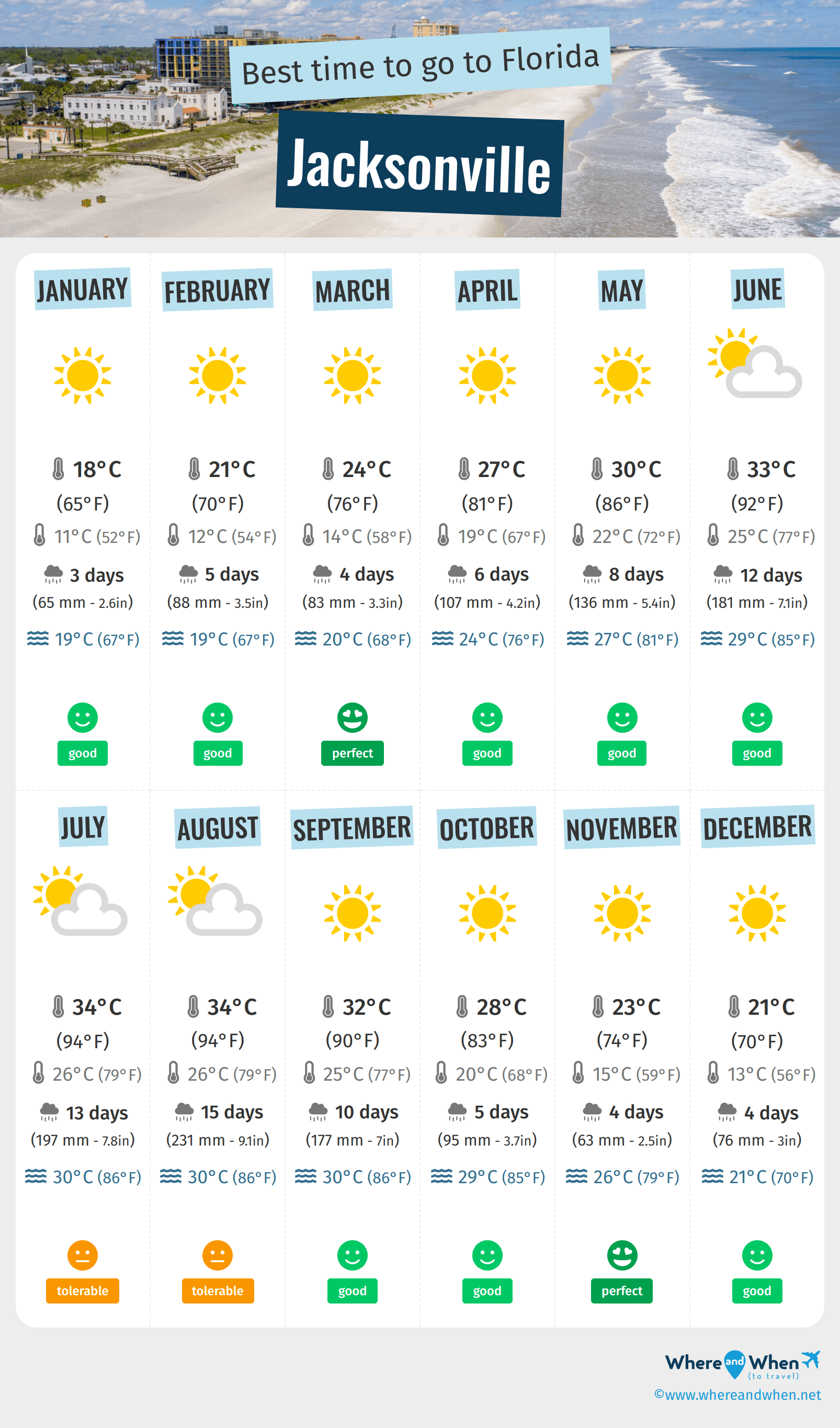
The average annual temperature in Jacksonville hovers around 70°F (21°C), but this figure masks the significant seasonal fluctuations. Summers are notably warm, with average highs in the upper 80s and low 90s Fahrenheit (around 30-33°C). However, the high humidity can make these temperatures feel even hotter, often pushing the heat index into the triple digits. Nights offer some respite, typically cooling into the mid-70s Fahrenheit (around 24°C).
Winters in Jacksonville are generally mild, with average daily temperatures in the 50s and 60s Fahrenheit (10-17°C). Freezing temperatures are rare, occurring only on a handful of nights each year, and snow is virtually unheard of. This mild winter climate makes Jacksonville an attractive destination for those seeking to escape harsher winter conditions elsewhere in the country. Spring and autumn offer the most temperate weather, with comfortable temperatures ideal for outdoor activities.
Humidity and Precipitation Patterns
Humidity is a significant factor in Jacksonville’s weather, particularly during the summer months. The moisture-laden air from the Atlantic Ocean contributes to the feeling of heat and can also lead to frequent thunderstorms. These afternoon thunderstorms are a common occurrence during the summer, often bringing brief but intense downpours and lightning.
Rainfall is distributed throughout the year, but there are distinct wet and dry periods. The summer months (June through September) are the wettest, with higher average rainfall due to the aforementioned thunderstorms. The autumn months, particularly October and November, tend to be drier and are often considered the most pleasant in terms of weather. The spring also sees moderate rainfall, supporting the lush greenery of the region.
The Influence of the Atlantic Ocean
The Atlantic Ocean plays a crucial role in shaping Jacksonville’s climate. The ocean acts as a moderating influence on temperature, preventing extreme cold in winter and slightly tempering the intense heat of summer, though its impact is more pronounced on coastal areas. The prevailing easterly winds bring moist air inland, contributing to the region’s humidity.
Furthermore, Jacksonville’s coastal location makes it susceptible to tropical systems, particularly during hurricane season, which officially runs from June 1st to November 30th. While direct hits are not an annual certainty, understanding the potential for hurricanes and tropical storms is a vital aspect of preparing for travel during this period.
A Closer Look: Weather by Season in Jacksonville
To further refine your travel planning, let’s break down the typical weather conditions you can expect during each season in Jacksonville.
Spring: A Transition to Warmth
March to May
Spring in Jacksonville is a delightful transition period, as the city shakes off the last vestiges of winter and embraces the warmth of approaching summer. Temperatures gradually rise, with average highs moving from the low 70s Fahrenheit (around 22°C) in March to the upper 70s and low 80s Fahrenheit (around 26-28°C) by May. Nights remain mild, typically in the 50s and 60s Fahrenheit (10-17°C).
Humidity levels are generally moderate during the spring, offering a comfortable environment for outdoor exploration. Rainfall is present but less intense than in the summer, often manifesting as scattered showers. This season is ideal for experiencing Jacksonville’s numerous parks and outdoor attractions, such as the Jacksonville Arboretum and Botanical Gardens or exploring the historic St. Augustine area. The Springfield Historic District also becomes particularly pleasant for walking tours.
Summer: Heat, Humidity, and Thunderstorms
June to August
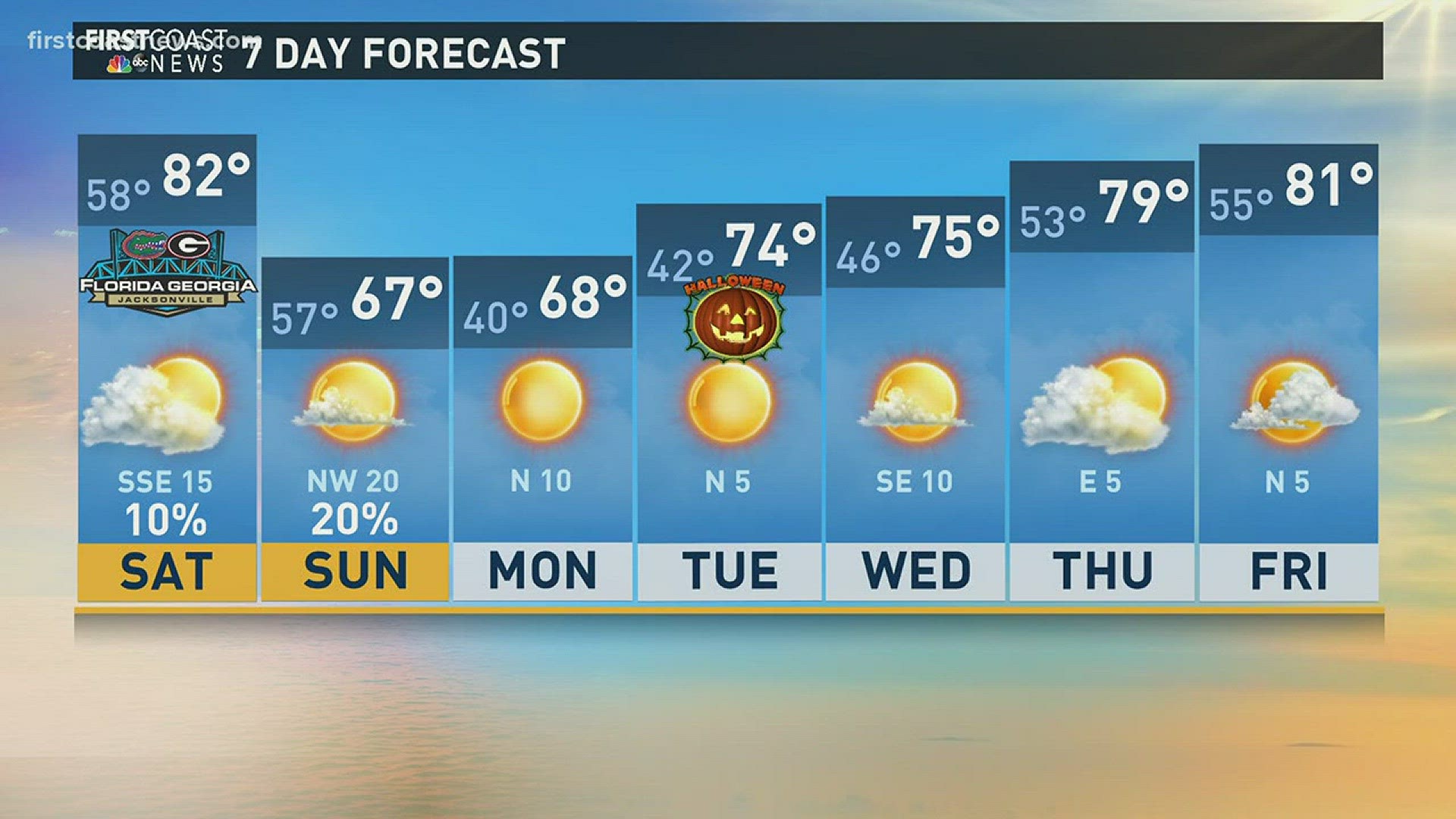
Summers in Jacksonville are undeniably hot and humid, a hallmark of its subtropical climate. Average daily temperatures consistently reach the upper 80s and low 90s Fahrenheit (around 30-33°C), with the heat index frequently pushing much higher due to the high humidity. Afternoon thunderstorms are a daily ritual in many parts of the summer, providing temporary relief from the heat but also bringing a risk of lightning.
While outdoor activities are certainly possible, visitors should be prepared for the heat. Staying hydrated, seeking shade, and planning activities for the cooler mornings and evenings are highly recommended. The city’s extensive riverfront and numerous beaches, like Jacksonville Beach, offer opportunities for cooling off. Indoor attractions, such as the Cummer Museum of Art & Gardens or the Museum of Science & History, provide a welcome respite from the midday sun. Hurricane season also peaks during these months, so staying informed about weather advisories is crucial.
Autumn: Pleasant Temperatures and Lower Humidity
September to November
As the calendar turns to autumn, Jacksonville experiences a welcome shift towards more temperate weather. While September can still retain some summer heat and humidity, October and November typically bring significantly cooler and drier conditions. Average highs in October range from the mid-70s to low 80s Fahrenheit (around 24-28°C), dropping into the 60s and low 70s Fahrenheit (around 18-22°C) by November. Humidity levels decrease noticeably, making outdoor activities much more enjoyable.
This season is often considered one of the best times to visit Jacksonville. The pleasant weather is perfect for exploring the Jacksonville Zoo and Gardens, enjoying a round of golf, or visiting the historic Fort Caroline National Memorial. The reduced rainfall also means fewer disruptions to outdoor plans, and the autumn foliage, though not as dramatic as in northern regions, can still offer beautiful scenery, especially in the city’s many parks.
Winter: Mild and Inviting
December to February
Jacksonville’s winters are characterized by their mildness, offering a stark contrast to the freezing temperatures experienced in many other parts of the United States. Average daily temperatures generally range from the low 50s to the mid-60s Fahrenheit (10-18°C). While chilly days can occur, and the occasional frost is possible, prolonged cold spells are rare.
These mild winter conditions make Jacksonville an attractive destination for winter travel. It’s an excellent time for exploring the city’s urban core, visiting the Jacksonville Riverwalk, or enjoying the vibrant dining scene. The Jacksonville International Airport remains a hub of activity, with many visitors arriving to escape the cold. While less common, occasional cold fronts can bring brief periods of rain, so checking the forecast is always advisable.
Planning Your Visit: Best Times and What to Pack
Considering the distinct weather patterns throughout the year, strategic planning can significantly enhance your Jacksonville travel experience.
Optimal Travel Seasons
For those who prioritize comfortable temperatures and lower humidity, the spring (April-May) and autumn (October-November) months stand out as the ideal times to visit Jacksonville. During these periods, the weather is generally sunny with pleasant highs in the 70s and 80s Fahrenheit (21-28°C), and evenings are comfortably mild. This allows for maximum enjoyment of the city’s outdoor attractions and activities without the oppressive heat and humidity of summer or the occasional chill of winter.
If your primary goal is to experience the beach and warmer water temperatures, then late spring and early summer (May-July) might be appealing, despite the increased humidity and possibility of afternoon thunderstorms. Conversely, for budget-conscious travelers or those seeking fewer crowds, the shoulder seasons of early spring or late fall can offer good value. Winter travelers can enjoy milder conditions and holiday festivities, but should be prepared for the possibility of cooler days.
Essential Packing List
Your packing list will, of course, vary depending on the season of your visit, but some essentials remain consistent for Jacksonville travel.
- Lightweight, breathable clothing: Cotton, linen, and moisture-wicking fabrics are your best friends, especially during spring, summer, and early autumn.
- Sun protection: A wide-brimmed hat, sunglasses, and high-SPF sunscreen are crucial year-round due to the strong Florida sun.
- Rain gear: A lightweight, packable umbrella or a water-resistant jacket is advisable, particularly during the summer and spring months when afternoon showers are common.
- Comfortable walking shoes: You’ll likely be doing a lot of exploring, so comfortable footwear is essential.
- Swimsuit: Even if you’re not planning a beach-focused trip, many hotels in Jacksonville feature pools, and the ocean is always an option.
- Light sweater or jacket: For cooler evenings, especially during the spring and autumn months, or for air-conditioned indoor spaces.
- Insect repellent: Mosquitoes can be present, particularly in the early mornings and evenings, especially near water bodies.
By understanding and preparing for the specific weather conditions of Jacksonville, you can ensure your visit is filled with sunshine, comfort, and unforgettable experiences.
LifeOutOfTheBox is a participant in the Amazon Services LLC Associates Program, an affiliate advertising program designed to provide a means for sites to earn advertising fees by advertising and linking to Amazon.com. Amazon, the Amazon logo, AmazonSupply, and the AmazonSupply logo are trademarks of Amazon.com, Inc. or its affiliates. As an Amazon Associate we earn affiliate commissions from qualifying purchases.