
Chicago, often affectionately known as the “Windy City,” presents a distinctive and dynamic climate, characterized by four strikingly different seasons. Understanding Chicago’s weather patterns is paramount for any traveler planning a visit to this vibrant metropolis in Illinois. From sweltering summer days to bitterly cold winter nights, the city offers a full spectrum of meteorological experiences, each influencing the optimal way to explore its attractions and enjoy its unique urban landscape.
Understanding Chicago’s Four Seasons
The city’s location in the Midwest, coupled with its proximity to Lake Michigan, plays a significant role in shaping its weather. This geographic positioning results in distinct seasonal transitions, where temperature and precipitation can vary dramatically. Travelers should prepare for a climate that can shift rapidly, often requiring versatile packing strategies.
Summer in the Windy City (June-August)
Summer in Chicago is generally warm to hot, often humid, and highly popular for tourism. Average daily temperatures typically range from the mid-70s to low 80s Fahrenheit (24-28°C), though heatwaves pushing temperatures into the 90s (32°C+) are not uncommon. Humidity levels can be quite high, making the “feels like” temperature even warmer. Nighttime lows usually settle into the 60s Fahrenheit (15-20°C), providing some relief from the daytime heat.
Sunshine is abundant during these months, with long daylight hours perfect for outdoor activities. However, summer is also the season for thunderstorms. These storms can be intense, bringing heavy rain, lightning, and strong winds, often developing rapidly in the late afternoon or evening. While typically brief, they can disrupt outdoor plans.
Packing Essentials for Summer:
Lightweight, breathable clothing is a must, including shorts, t-shirts, and sundresses. Sunscreen, sunglasses, and a wide-brimmed hat are essential for protection against the strong summer sun, especially when exploring attractions like Millennium Park or walking along the Magnificent Mile. A light jacket or sweater can be useful for air-conditioned indoor spaces or cooler evenings. An umbrella or light rain jacket is advisable for unexpected summer showers. Comfortable walking shoes are always recommended for traversing the city.
Activities Tailored to Summer:
Summer is ideal for enjoying Chicago’s outdoor festivals, boat tours on the Chicago River or Lake Michigan, and relaxing on the city’s beaches. Exploring Lincoln Park Zoo, catching a Cubs game at Wrigleyville, or strolling along Navy Pier are popular choices. The city’s many rooftop bars and outdoor dining options come alive.
Autumn’s Golden Hues (September-November)
Autumn is widely considered one of the most pleasant times to visit Chicago. The oppressive humidity of summer begins to dissipate, giving way to crisp, clear days and comfortably cool evenings. September often feels like an extension of summer, with average temperatures in the 60s Fahrenheit (15-20°C). By October, temperatures drop into the 50s (10-15°C), and November ushers in cooler weather, often hovering in the 40s (4-9°C), sometimes dipping below freezing by month’s end.
Rainfall is moderate throughout the autumn months, and while snow is rare in September and October, the first flakes can often be seen in November, particularly later in the month. The vibrant fall foliage in parks and along tree-lined streets adds a picturesque quality to the city.
Packing Essentials for Autumn:
Layering is key for autumn in Chicago. Start with long-sleeved shirts, adding sweaters, light jackets, or medium-weight coats as the season progresses. A waterproof jacket or umbrella is still a good idea for occasional rain. Closed-toe shoes or boots are recommended, especially for November. Scarves and light gloves might be useful towards late autumn.
Activities Tailored to Autumn:
Autumn is perfect for architectural boat tours before the waterways freeze, exploring neighborhoods on foot, and visiting outdoor markets. The pleasant temperatures are ideal for walking tours and enjoying the city’s parks. Indoor attractions like the Art Institute of Chicago, the Museum of Science and Industry, the Shedd Aquarium, and the Field Museum become even more appealing as the weather cools.
Winter’s Icy Embrace (December-February)
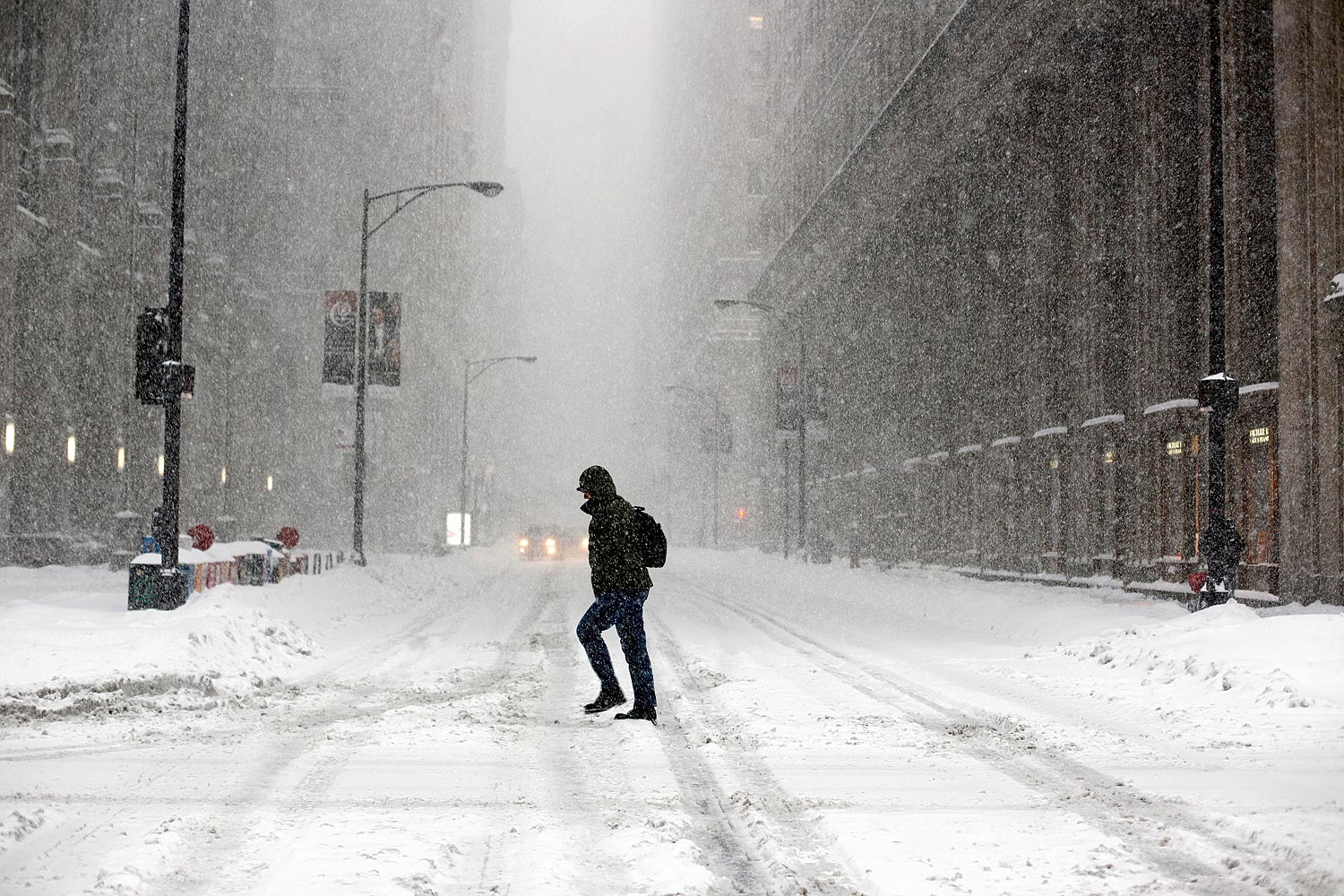
Chicago winters are legendary for their intense cold, heavy snowfall, and biting winds. Average temperatures during these months are typically below freezing, ranging from the low 20s to low 30s Fahrenheit (-5 to -1°C). Record lows can plunge well below 0°F (-18°C), sometimes reaching -20°F (-29°C) or colder, especially during polar vortex events. The combination of cold temperatures and strong winds can create dangerously low wind chill factors, which make it feel significantly colder.
Snowfall is frequent and often substantial, with the city receiving an average of over 38 inches (96 cm) annually. Blizzards are not unheard of, capable of bringing the city to a standstill. Grey, overcast skies are common, and daylight hours are short.
Packing Essentials for Winter:
Warm, waterproof, and windproof outer layers are non-negotiable. This includes a heavy winter coat, thermal underwear, warm sweaters, waterproof pants, a hat that covers the ears, gloves or mittens, and a scarf. Insulated, waterproof boots with good traction are essential for navigating snowy and icy sidewalks. Layers are critical for adapting to temperature changes when moving between the cold outdoors and heated indoor environments.
Activities Tailored to Winter:
Winter encourages visitors to explore Chicago’s world-class indoor attractions. Museums like the Art Institute of Chicago, the Museum of Science and Industry, the Shedd Aquarium, and the Field Museum provide warmth and cultural enrichment. Dining in cozy restaurants, attending Broadway shows in the theater district, or enjoying indoor ice skating rinks are popular pursuits. Shopping along the Magnificent Mile is also a popular activity, as many stores are connected.
Spring’s Unpredictable Charm (March-May)
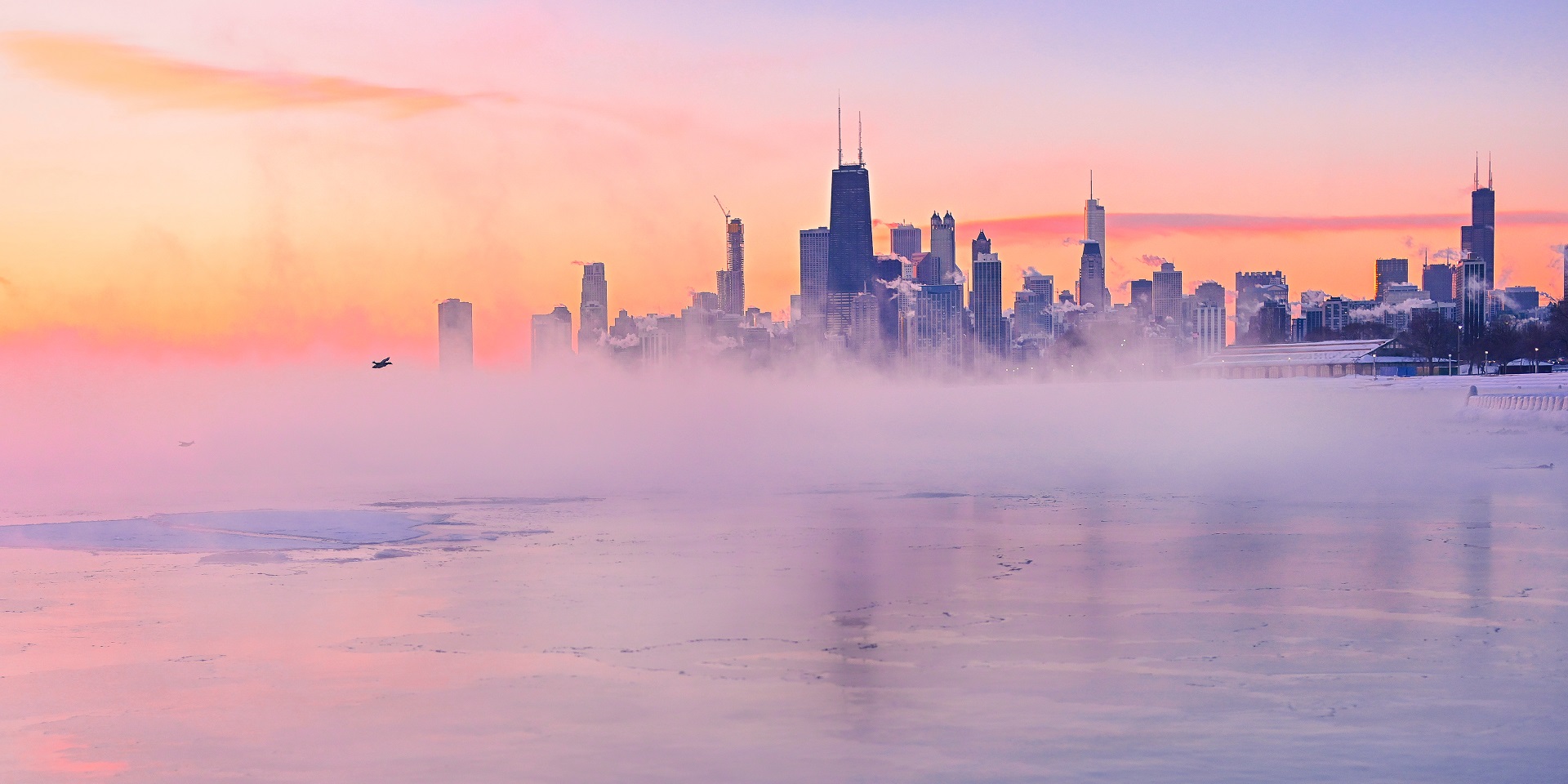
Spring in Chicago is notoriously unpredictable, a period of transition where winter stubbornly clings on, but hints of warmer weather begin to emerge. March often feels like an extension of winter, with average temperatures in the 30s and 40s Fahrenheit (0-9°C) and the possibility of significant snowfall. April sees a noticeable warming trend, with averages climbing into the 40s and 50s (4-15°C), while May brings true spring weather, with average temperatures reaching the 60s (15-20°C).
Rainfall increases in spring, and days can swing wildly from sunny and mild to cold and blustery within hours. Frost is still possible well into April, and strong winds are a common feature as cold and warm air masses collide.
Packing Essentials for Spring:
Layering is crucial, more so than any other season. Start with long-sleeved tops, adding sweaters, a waterproof medium-weight jacket or trench coat, and perhaps a lighter jacket for later in the season. A hat, gloves, and scarf might still be needed in March and early April. Waterproof shoes or boots are essential to contend with rain, melting snow, and slush. An umbrella is a must-have.
Activities Tailored to Spring:
As the weather thaws, parks begin to bloom, offering opportunities for walks and enjoying the gradual return of greenery. Boat tours typically resume in late spring. It’s an excellent time for visiting indoor attractions and exploring neighborhoods without the summer crowds. By late May, outdoor dining and events begin to pick up, making it a pleasant time to explore.
Weather Phenomena and Considerations
Beyond the seasonal averages, a few specific meteorological factors consistently influence Chicago’s weather.
The Lake Effect
Lake Michigan significantly impacts Chicago’s climate, particularly during winter. The “lake effect” can lead to localized heavy snowfall, especially on the city’s immediate lakefront, as cold air masses pick up moisture and heat from the relatively warmer lake water. In spring and early summer, the lake can keep areas closer to the shore cooler than inland neighborhoods. Conversely, in late summer and early autumn, the warmer lake water can moderate temperatures, keeping the city slightly warmer than inland areas.
Sudden Temperature Swings
Chicago’s location in the heart of the continental U.S., far from moderating oceans, means it’s susceptible to rapid and dramatic temperature fluctuations. Arctic air masses can quickly bring extreme cold, while warm fronts from the south can cause temperatures to soar, sometimes within a single day. Travelers should be prepared for this variability, especially during spring and autumn.
Precipitation Patterns
While rain is distributed fairly evenly throughout the year, summer months tend to have more frequent, albeit brief, thunderstorms. Winter, of course, is dominated by snow, which can range from light dustings to major blizzards. Preparing for precipitation, regardless of the season, is always a wise decision.
Best Time to Visit Chicago
Ultimately, the “best” time to visit Chicago depends on a traveler’s priorities and tolerance for different weather conditions.
Ideal Months for Sightseeing
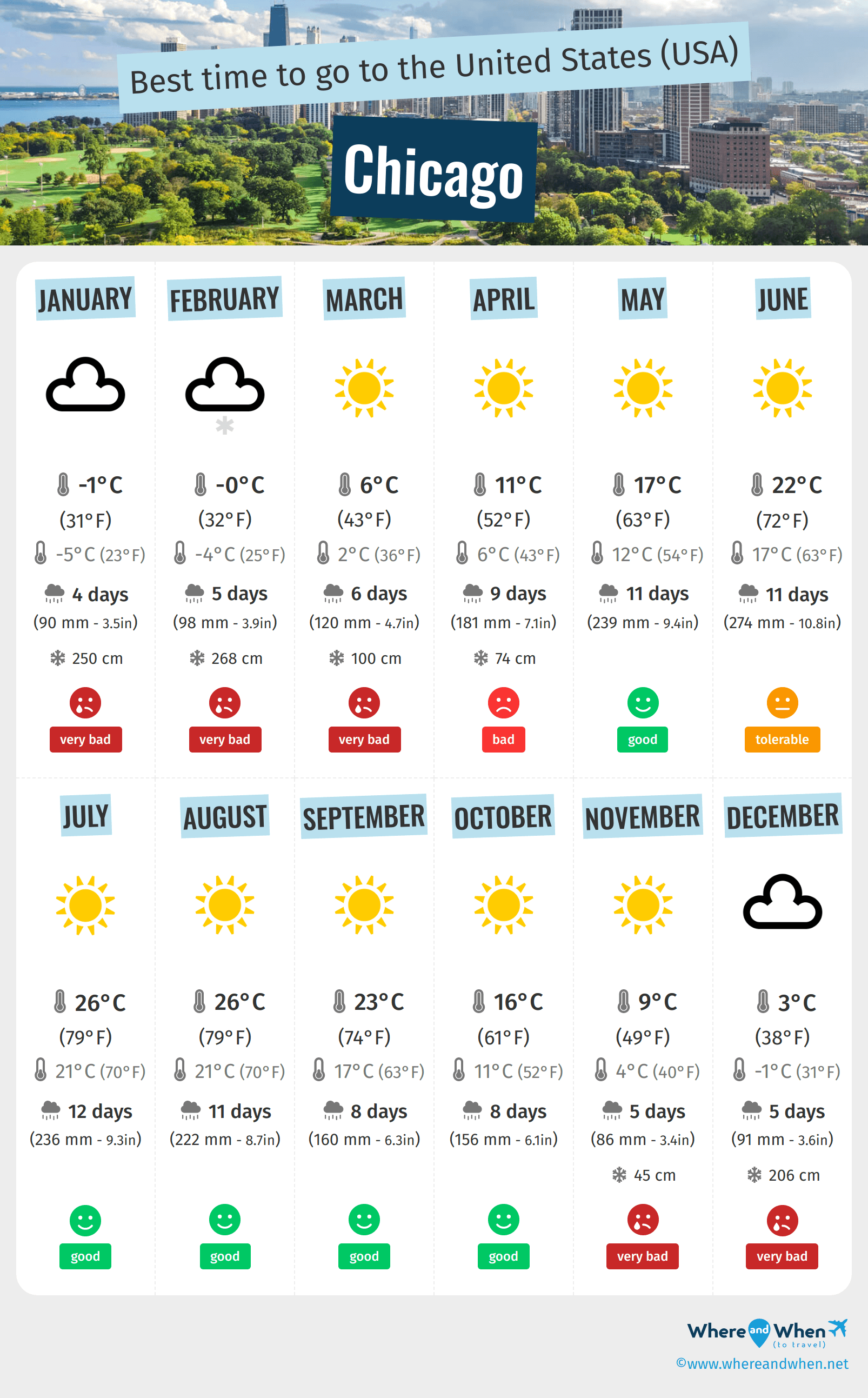
For those seeking pleasant temperatures, abundant sunshine, and a lively atmosphere, late spring (May to early June) and early autumn (September to early October) are generally considered the most ideal times. During these periods, the weather is typically mild, humidity is lower than in summer, and the city is vibrant with outdoor activities and cultural events, without the extreme cold of winter or the peak heat and crowds of mid-summer.
Avoiding Peak Weather Challenges
Travelers who dislike extreme heat and humidity should consider avoiding July and August. Those who are averse to bitter cold, heavy snow, and strong winds should steer clear of January and February. However, it’s worth noting that each season offers unique experiences, and with proper preparation, Chicago can be an incredible destination year-round. From ice skating in Millennium Park in winter to enjoying a sunset cruise on Lake Michigan in summer, the city adapts beautifully to its diverse climate.
LifeOutOfTheBox is a participant in the Amazon Services LLC Associates Program, an affiliate advertising program designed to provide a means for sites to earn advertising fees by advertising and linking to Amazon.com. Amazon, the Amazon logo, AmazonSupply, and the AmazonSupply logo are trademarks of Amazon.com, Inc. or its affiliates. As an Amazon Associate we earn affiliate commissions from qualifying purchases.