
Planning a trip to Colorado Springs, Colorado involves more than just identifying attractions; understanding the local weather patterns is paramount to a successful and enjoyable experience. Situated at the base of the majestic Rocky Mountains and bordering the Great Plains, Colorado Springs boasts a unique climate characterized by ample sunshine, low humidity, and distinct seasonal changes. This variability offers diverse travel opportunities throughout the year, each requiring specific preparation to truly appreciate the area’s natural beauty and vibrant culture.
Understanding Colorado Springs’ Unique Climate
Colorado Springs lies at an elevation of approximately 6,035 feet (1,839 meters), a factor that profoundly influences its weather. The city experiences a semi-arid continental climate, meaning it receives relatively low precipitation, particularly noticeable in its dry air, and enjoys abundant sunshine, averaging over 300 sunny days annually. This high altitude also contributes to significant temperature swings, where a clear, warm day can quickly give way to cool evenings, especially in the shoulder seasons.
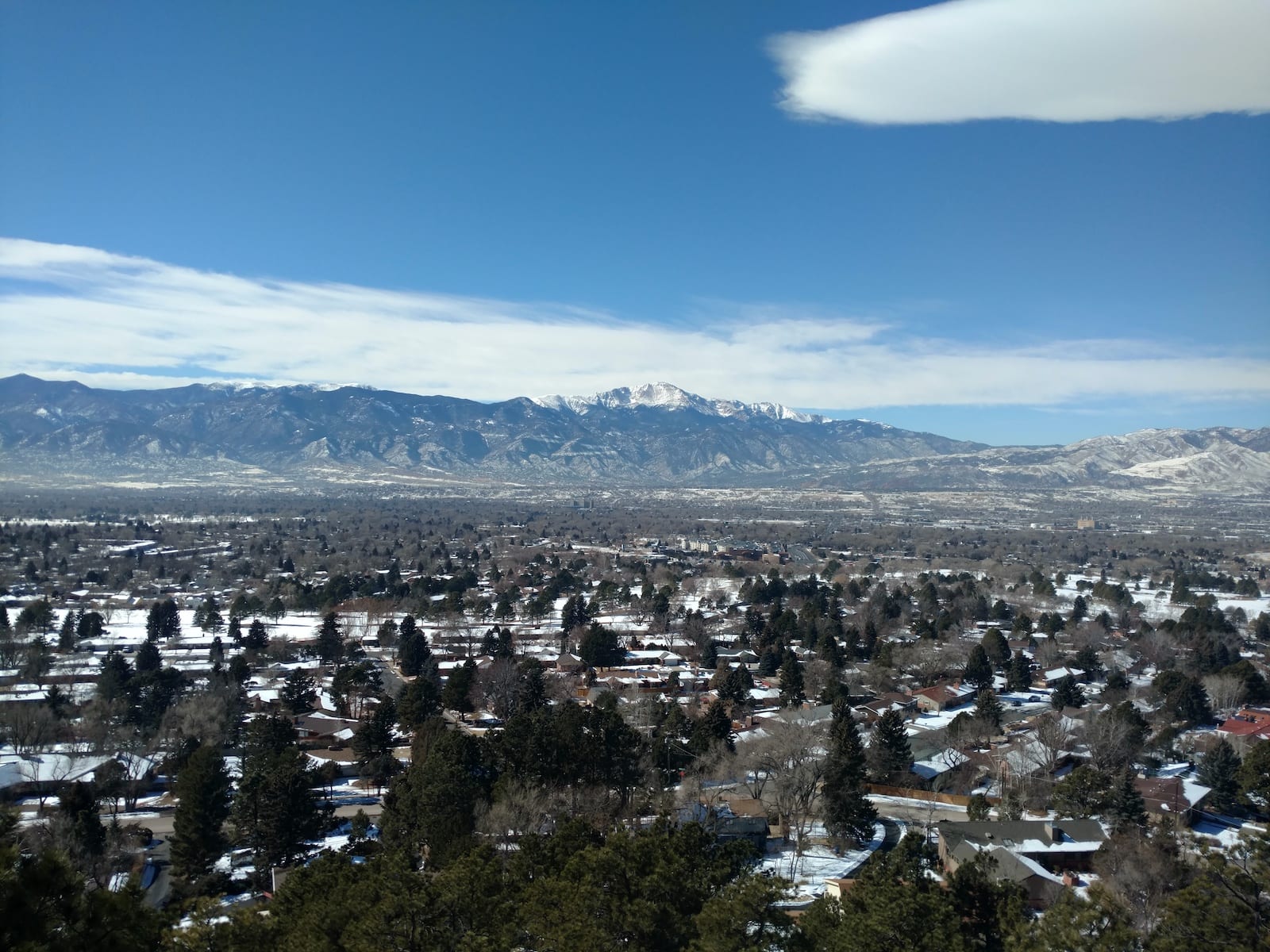
The interplay between the towering Rocky Mountains to the west and the expansive Great Plains to the east creates a microclimate distinct from other regions in Colorado. While the mountains often trap moisture, leading to heavy snowfall in higher elevations, Colorado Springs itself receives moderate snow, which typically melts quickly due to the strong sun. This geographical positioning also makes the city susceptible to sudden weather shifts, from clear blue skies to quick afternoon thunderstorms in summer or unexpected snow showers in spring. Visitors should always be prepared for a range of conditions, often within the same day, making layered clothing an essential packing strategy.
Seasonal Weather Patterns and Travel Implications
Each season in Colorado Springs presents a different character and set of travel considerations, from the blossoming beauty of spring to the snow-dusted serenity of winter.
Spring: A Season of Transition (March – May)
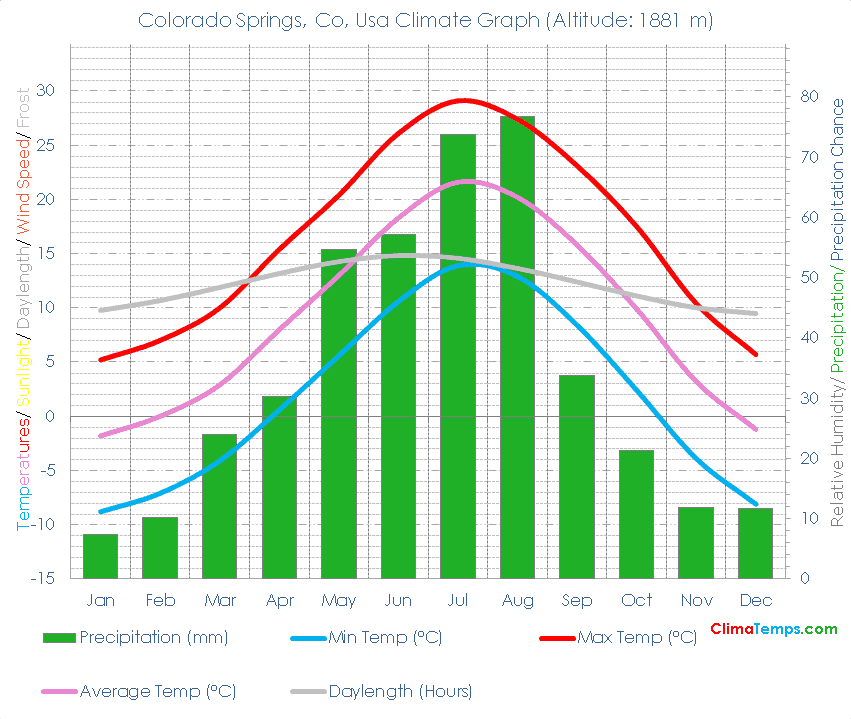
Spring in Colorado Springs is a period of dynamic weather, marked by the gradual retreat of winter and the hesitant arrival of warmer temperatures. March and April can still see significant snowfall, sometimes heavy and wet, though it rarely lingers for long. Temperatures begin to rise, typically ranging from highs in the 40s and 50s Fahrenheit (4-15°C) in early spring to the 60s and 70s Fahrenheit (15-25°C) by late May. Nights remain cool, often dipping below freezing. The landscape transforms as snow melts, revealing nascent greenery and blooming wildflowers in lower elevations.
For travelers, spring offers a quieter experience with fewer crowds than the peak summer months. It’s an excellent time for hiking on lower-elevation trails, such as those within Garden of the Gods, where the red rock formations contrast beautifully with new growth. Access to higher-altitude attractions like Pikes Peak can be variable, with the summit road potentially experiencing closures due to snow or ice, especially earlier in the season. Layered clothing is absolutely critical during this period, as temperatures can fluctuate dramatically throughout the day, and a sunny morning can easily turn into a snowy afternoon.
Summer: Warm Days and Afternoon Showers (June – August)
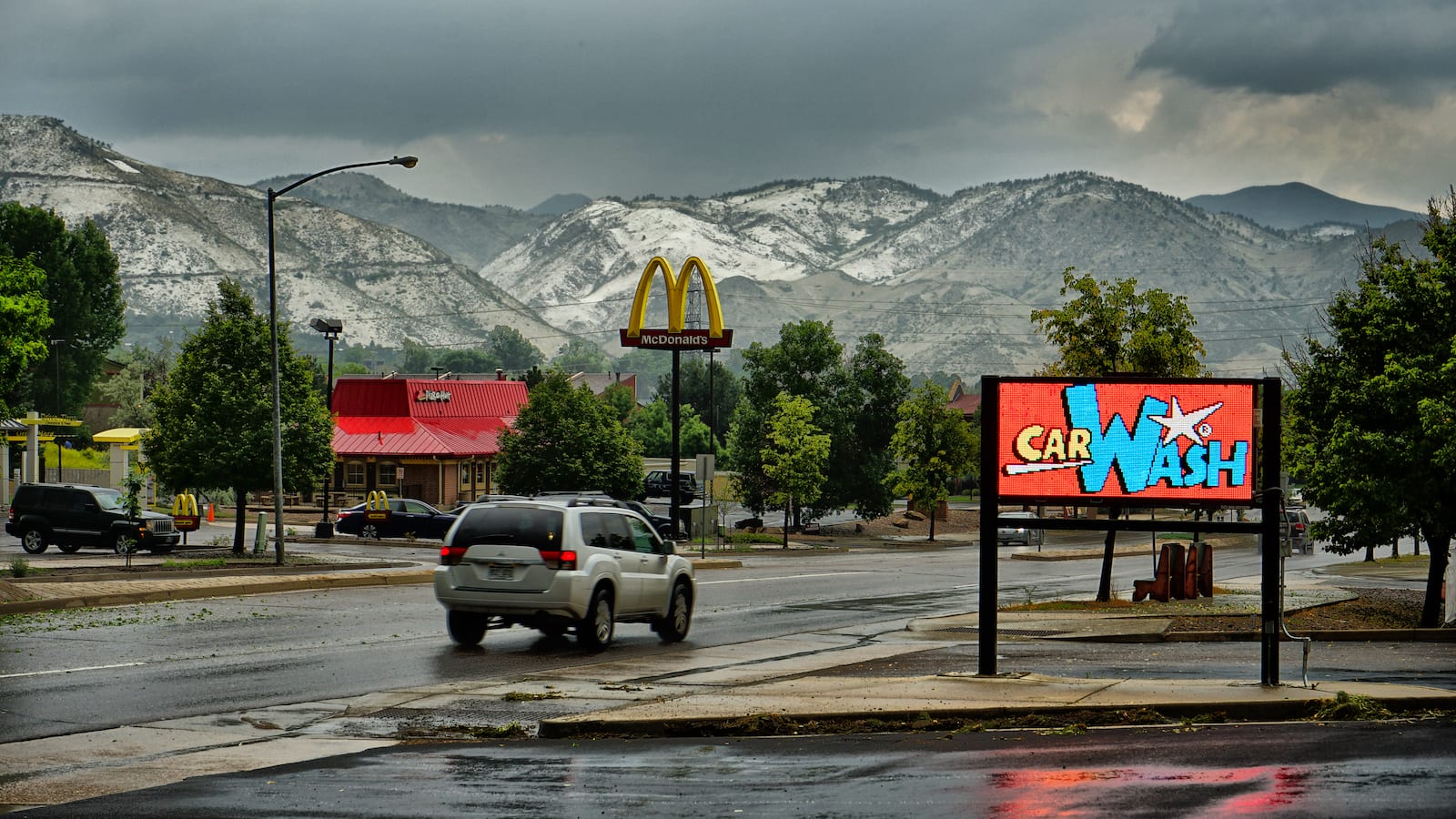
Summer is the peak travel season in Colorado Springs, characterized by warm, pleasant days and distinctly cool evenings. Daytime temperatures typically hover in the upper 70s to mid-80s Fahrenheit (25-30°C), occasionally reaching into the 90s (32°C). The humidity remains low, making even warmer temperatures feel more comfortable than in more humid climates. A defining characteristic of Colorado Springs summers is the prevalence of afternoon thunderstorms. These typically build up in the mountains and drift eastward, bringing brief but intense downpours, lightning, and sometimes hail, usually clearing by early evening for spectacular sunsets.
This season is ideal for outdoor enthusiasts. Attractions like Garden of the Gods, Manitou Incline, and Seven Falls are in full swing. The Pikes Peak Highway offers unobstructed access to the summit, providing breathtaking views. To make the most of summer activities, visitors should plan outdoor excursions for the mornings to avoid the common afternoon storms. Hydration is crucial due to the dry air and high altitude, and sun protection (hats, sunscreen, sunglasses) is a must given the intense sun at this elevation. Despite the occasional rain, the long daylight hours and generally comfortable temperatures make summer a prime time to explore all that Colorado Springs has to offer.
Autumn: Crisp Air and Golden Hues (September – November)
Autumn in Colorado Springs is a truly magical time, celebrated for its crisp air, clear skies, and stunning fall foliage, particularly in the surrounding mountain areas. September offers a continuation of summer-like conditions with pleasant warmth, but as October progresses, temperatures cool noticeably, ranging from the 60s and 70s Fahrenheit (15-25°C) in September to the 40s and 50s Fahrenheit (4-15°C) by November. Nights become increasingly cold, with freezing temperatures becoming common. While sunny days still dominate, the first significant snowfalls can occur in late October or November, especially in higher elevations.
Travelers seeking scenic beauty and comfortable hiking conditions will find autumn perfect. The golden aspens on Pikes Peak and in nearby mountain towns like Manitou Springs create a picturesque backdrop for drives and hikes. Crowds begin to thin after Labor Day, offering a more serene experience at popular sites. This is an excellent time for photography and enjoying the natural splendor without the intensity of summer heat or the chill of deep winter. Packing layers, including a warm jacket for evenings and potential early snow, is advisable.
Winter: Snowy Landscapes and Sunny Skies (December – February)
Winter transforms Colorado Springs into a serene, often snow-dusted wonderland. While the city receives snow, it’s typically less intense and melts faster than in the high mountains. Average daytime temperatures range from the mid-30s to mid-40s Fahrenheit (0-7°C), with nights consistently below freezing. Despite the cold, winter days are frequently sunny, and the sight of snow-capped red rocks at Garden of the Gods under a brilliant blue sky is breathtaking. Occasional warm, dry winds known as Chinook winds can sweep through, causing temperatures to rise significantly and rapidly melt snow.
Winter travel offers unique opportunities, from peaceful walks on snow-dusted trails to exploring indoor attractions like the US Olympic & Paralympic Museum or the Cheyenne Mountain Zoo, which hosts holiday lights events. While Pikes Peak Highway remains open, conditions on the upper sections can vary greatly, with closures due to snow and ice. Visitors should be prepared for cold temperatures, wear warm, waterproof layers, and check road conditions if planning to drive into higher elevations. Despite the cold, the abundant sunshine often makes winter activities enjoyable, providing a tranquil contrast to the warmer months.
Preparing for Colorado Springs’ Weather Variability
Given the dynamic nature of Colorado Springs’ weather, smart preparation is key for any traveler.
- Layering is Essential: This cannot be overstressed. Even in summer, evenings can be cool. In spring and fall, you might experience all four seasons in a single day. Pack moisture-wicking base layers, insulating mid-layers, and a waterproof/windproof outer shell.
- Sun Protection: At over 6,000 feet, the sun’s intensity is significantly higher than at sea level. UV radiation is strong year-round, even on cloudy days or in winter. Always wear sunscreen (SPF 30+), sunglasses, and a wide-brimmed hat.
- Hydration: The semi-arid climate and high altitude can lead to quicker dehydration. Drink plenty of water throughout your stay, even if you don’t feel particularly thirsty. This also helps mitigate the effects of altitude.
- Monitor Forecasts: Local weather can change rapidly. Check the forecast regularly, especially before heading out for outdoor activities or driving into the mountains. Websites and local news provide up-to-date information.
- Altitude Awareness: While not strictly weather, the altitude of Colorado Springs can impact visitors. Take it easy on your first day, stay hydrated, and be aware of symptoms of altitude sickness (headache, nausea, dizziness). Most people adjust fine within a day or two.
Best Time to Visit Based on Activities
Choosing the “best” time to visit Colorado Springs largely depends on your travel goals and preferred activities.
- Outdoor Adventures (Hiking, Biking, Exploring Parks): Late spring (May), summer (June-August), and early fall (September-early October) offer the most favorable conditions. Summer provides the warmest temperatures, but early starts are recommended to beat the heat and afternoon thunderstorms.
- Scenic Beauty and Fall Foliage: Mid-September to mid-October is prime time for witnessing the vibrant aspen colors in the surrounding mountains, making drives up Pikes Peak or through nearby canyons spectacular.
- Winter Sports and Festive Atmosphere: While Colorado Springs itself isn’t a ski resort, its proximity to several world-class ski areas makes it a convenient base for winter sports. The city also hosts various holiday events and offers a serene, snow-dusted charm from December through February.
- Fewer Crowds and Budget Travel: The shoulder seasons of spring (March-April) and late fall (November) typically see fewer tourists, potentially leading to lower accommodation rates and a more relaxed experience at popular attractions like the Broadmoor Hotel. However, be prepared for more unpredictable weather.
Regardless of when you choose to visit, Colorado Springs’ unique weather patterns contribute to its charm, offering a diverse array of experiences for every traveler. With proper planning and an understanding of its climate, your journey to this scenic Colorado gem will be unforgettable.
LifeOutOfTheBox is a participant in the Amazon Services LLC Associates Program, an affiliate advertising program designed to provide a means for sites to earn advertising fees by advertising and linking to Amazon.com. Amazon, the Amazon logo, AmazonSupply, and the AmazonSupply logo are trademarks of Amazon.com, Inc. or its affiliates. As an Amazon Associate we earn affiliate commissions from qualifying purchases.