
Planning a trip to Daytona Beach, Florida, often brings visions of sun-drenched shores, thrilling motorsports, and vibrant boardwalks. To truly maximize your experience in this iconic destination, understanding its unique weather patterns is paramount. Daytona boasts a humid subtropical climate, characterized by hot, humid summers and mild, dry winters, making it a year-round magnet for travelers. However, each season offers a distinct atmospheric profile that influences everything from outdoor activities to the essential items you’ll need to pack. Delving into Daytona’s climatic nuances ensures you arrive prepared for whatever Mother Nature has in store, transforming potential weather challenges into opportunities for unforgettable adventures.
Understanding Daytona’s Subtropical Climate
Daytona Beach is strategically located on Florida’s Atlantic coast, a position that profoundly shapes its weather. The city’s climate falls squarely into the humid subtropical category, influenced significantly by its proximity to the ocean and the state’s peninsular geography. This climate type is marked by warm to hot summers, often accompanied by high humidity, and mild winters that rarely see freezing temperatures.
General Characteristics and Seasons
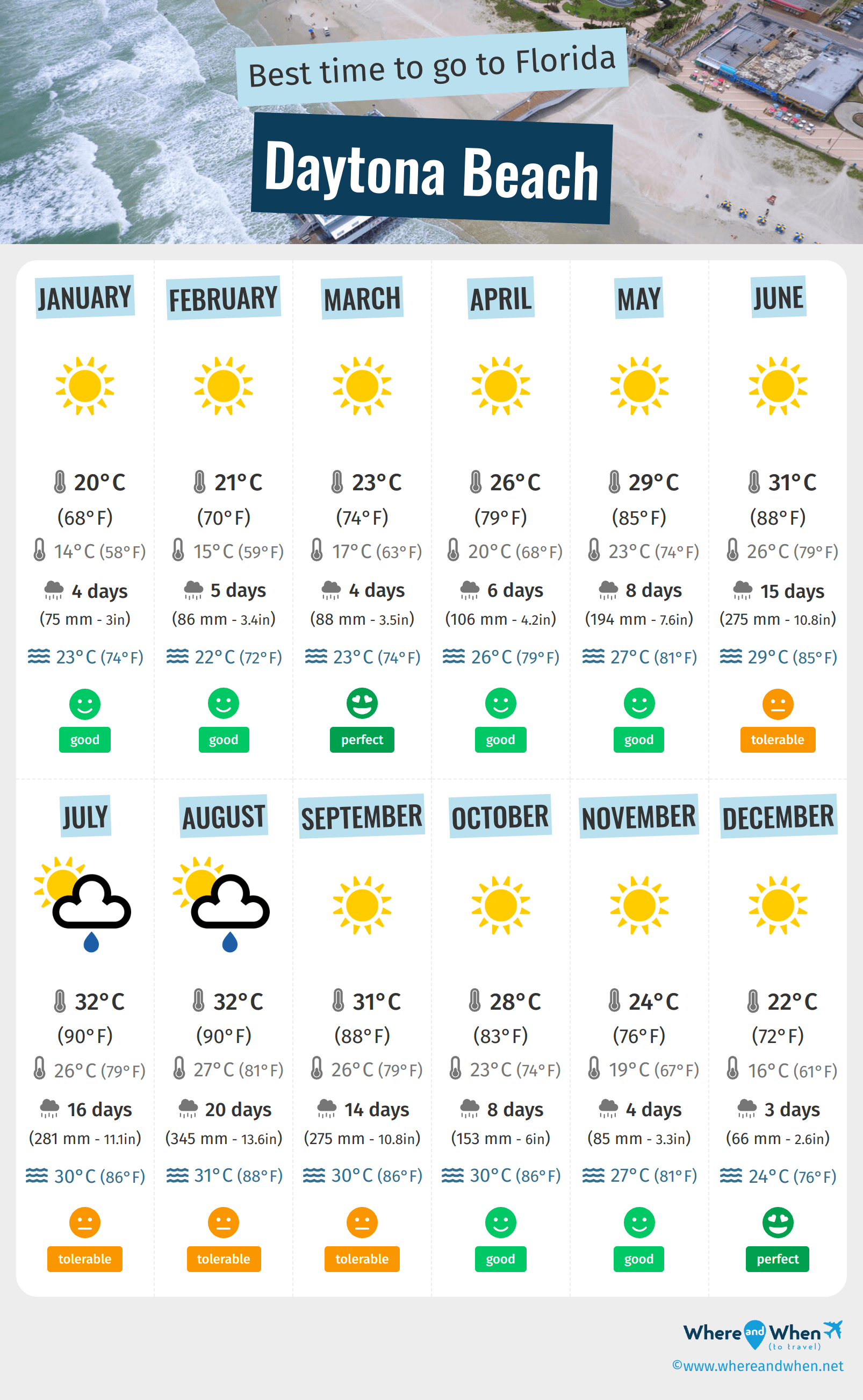
The year in Daytona can largely be divided into two main seasons: the warm and humid season, and the cooler, drier season. The warm season typically stretches from May through October, characterized by average daily temperatures often exceeding 80°F (27°C). During this period, humidity levels are consistently high, contributing to heat index values that can feel significantly warmer than the actual air temperature. Afternoon thunderstorms are a common occurrence, a result of the intense daytime heating and moist air converging over the land. These storms are usually brief but can be intense, bringing heavy rain and occasional lightning.
Conversely, the cooler season, from November to April, offers a welcome respite from the summer heat. Temperatures during these months are generally pleasant, ranging from the 50s to 70s Fahrenheit (10-25°C), with significantly lower humidity. Rainfall is less frequent and generally lighter, making this period particularly appealing for outdoor activities. Frost is rare, occurring only a handful of times in a typical winter, usually during the coldest overnight hours.
Impact of Coastal Location
The Atlantic Ocean plays a crucial role in moderating Daytona’s climate. Ocean breezes, especially during the warmer months, can provide a cooling effect along the coastline, making beach areas slightly more comfortable than inland locations. The ocean also contributes to the area’s overall humidity. Furthermore, being on the coast means Daytona is susceptible to tropical weather systems, including tropical storms and hurricanes, particularly during the Atlantic hurricane season, which officially runs from June 1st to November 30th. While direct hits are not an annual occurrence, the potential exists, and travelers planning visits during this window should always monitor weather forecasts. The warm waters of the Atlantic also ensure that sea temperatures remain relatively mild year-round, making swimming and water sports feasible even in the cooler months, albeit sometimes with a wetsuit.
Seasonal Weather Breakdown for Travelers
Understanding the specific characteristics of each season allows travelers to plan their Daytona itinerary with optimal comfort and enjoyment.
Spring (March – May): Ideal Conditions and Events
Spring in Daytona is arguably one of the most delightful times to visit. Temperatures are pleasantly warm, typically ranging from the mid-60s to high 70s Fahrenheit (18-26°C), with lower humidity than the summer months. Rainfall is moderate, and the risk of severe weather is relatively low. The ocean waters begin to warm up, inviting beachgoers for a comfortable swim. This period is highly popular due to the excellent weather and a packed calendar of events.
- Average Temperatures: March: 61-75°F (16-24°C); April: 66-80°F (19-27°C); May: 72-85°F (22-29°C).
- Key Events: This season hosts major events like Daytona Bike Week in March and the Daytona 500 and other motorsports events at Daytona International Speedway which conclude in early spring. The comfortable weather is perfect for exploring the Ponce de Leon Inlet Lighthouse & Museum or enjoying a round of golf at LPGA International.
Summer (June – August): Heat, Humidity, and Hurricanes
Summer in Daytona brings quintessential Florida heat and humidity. Daily high temperatures consistently reach the upper 80s to low 90s Fahrenheit (30-34°C), and combined with high humidity, the heat index can often push into triple digits. Afternoon thunderstorms are almost a daily occurrence, providing temporary relief from the heat. These storms, while often brief, can be intense, so having indoor activities planned is wise. This is also the peak of hurricane season, so travelers should stay informed about tropical weather forecasts.
- Average Temperatures: June: 76-90°F (24-32°C); July: 77-91°F (25-33°C); August: 77-91°F (25-33°C).
- Considerations: Hydration and sun protection are crucial. While the beaches are popular, many opt for early morning or late afternoon visits to avoid the strongest sun. Water parks and air-conditioned attractions like the Museum of Arts & Sciences offer excellent refuges.
Fall (September – November): Pleasant Transition and Festivals
As summer fades, fall in Daytona brings a gradual, welcome shift to milder and less humid conditions. September can still feel very much like summer, with warm temperatures and ongoing hurricane risk, but by October and November, the weather becomes increasingly pleasant. Humidity drops, and temperatures settle into a comfortable range, making outdoor activities much more enjoyable. This period offers some of the best weather of the year, often coinciding with numerous local festivals and events.
- Average Temperatures: September: 75-89°F (24-32°C); October: 69-83°F (21-28°C); November: 62-76°F (17-24°C).
- Highlights: The diminishing heat and lower humidity make fall perfect for exploring the Daytona Boardwalk or taking scenic drives to nearby areas like Ormond Beach and New Smyrna Beach. The risk of tropical storms lessens significantly by late October.
Winter (December – February): Mild Escapes and Northern Visitors
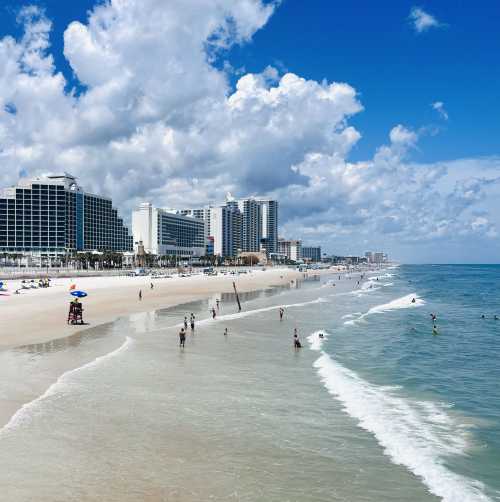
Winter in Daytona is a dream for those seeking an escape from colder northern climates. The weather is generally mild and dry, with daytime temperatures usually ranging from the low 60s to low 70s Fahrenheit (16-22°C). Nights can be cool, sometimes dipping into the 40s (4-9°C), especially after a cold front. Freezing temperatures are rare but possible. This season is characterized by clear skies and low humidity, offering ideal conditions for a wide range of outdoor activities without the oppressive summer heat.
- Average Temperatures: December: 56-70°F (13-21°C); January: 53-68°F (12-20°C); February: 55-70°F (13-21°C).
- Popularity: Snowbirds flock to Daytona during these months. The comfortable weather is perfect for long walks on the beach, fishing, or enjoying outdoor dining. While too cool for swimming for some, others find the ocean bracing.
Preparing for Daytona’s Weather: What to Pack and Expect
Being adequately prepared for Daytona’s climate means packing smart and having contingency plans for unexpected weather changes.
Essential Packing Tips for Each Season
- Spring: Light layers are key. Pack shorts, t-shirts, and swimwear, but also include a light jacket or sweater for cooler evenings or air-conditioned indoors. Comfortable walking shoes are a must.
- Summer: Focus on lightweight, breathable fabrics like cotton or linen. Swimwear, shorts, t-shirts, and sandals are essential. Don’t forget a wide-brimmed hat and sunglasses. A light rain jacket or umbrella is advisable for afternoon showers.
- Fall: Similar to spring, pack versatile layers. Early fall still warrants summer attire, while late fall might require slightly warmer options, including long-sleeved shirts and a medium-weight jacket.
- Winter: Bring a mix of long-sleeved shirts, sweaters, and a warm jacket, especially if you plan to be out in the evenings. Jeans or comfortable trousers are suitable. While shorts might be worn during warm spells, don’t rely solely on them.
Dealing with Inclement Weather: Rain and Storms
While sun is prevalent, rain is a part of Daytona’s climate, particularly in summer.
- Afternoon Showers: These are typically short-lived. If you’re caught in one, seek temporary shelter at a beachside restaurant, shop, or your accommodation. They often pass quickly, allowing you to resume outdoor plans.
- Tropical Systems: During hurricane season, monitor local weather advisories. Hotels and local authorities are well-versed in evacuation procedures if a storm threatens. It’s wise to have travel insurance that covers weather-related disruptions if visiting during this period.
- Indoor Alternatives: On a particularly rainy day, Daytona offers numerous indoor attractions. Visit the Museum of Arts & Sciences, explore the historic Angell & Phelps Chocolate Factory, or catch a movie at a local cinema.
UV Index and Sun Protection
Regardless of the season, the Florida sun is strong. Daytona’s UV index is frequently high to very high, even on cloudy days. Sun protection is not optional; it’s mandatory for a healthy and comfortable trip.
- Sunscreen: Apply broad-spectrum sunscreen with an SPF of 30 or higher liberally and reapply every two hours, or more often if swimming or sweating.
- Protective Clothing: Wear wide-brimmed hats, sunglasses, and UV-protective clothing, especially during peak sun hours (10 AM to 4 PM).
- Hydration: Drink plenty of water throughout the day to combat dehydration, particularly during the hot summer months.
Weather-Dependent Activities and Attractions in Daytona
Daytona’s diverse array of attractions can be enjoyed throughout the year, but some are best experienced under specific weather conditions.
Beach and Water Sports
The 23 miles of pristine beaches are Daytona’s crown jewel.
- Optimal Times: Spring and fall offer the most comfortable temperatures for sunbathing, swimming, and beach activities like volleyball or shelling. The ocean water is warm enough for most during these seasons.
- Summer: While hot, the ocean provides a refreshing escape. Paddleboarding, kayaking, and jet-skiing are popular. Just be mindful of afternoon thunderstorms and seek shelter if lightning is present.
- Winter: Many still enjoy beach walks and fishing. The hard-packed sand is perfect for bicycling. Swimming might be too cool for some, though hardy souls and those with wetsuits brave the waters.
Outdoor Attractions and Motorsports
Daytona is synonymous with speed and outdoor recreation.
- Daytona International Speedway: Events like the Daytona 500 and Daytona Bike Week are scheduled during the cooler, drier months (late winter/early spring) for optimal spectator comfort. Tours of the Speedway are available year-round, rain or shine.
- Golf: Courses like LPGA International are best enjoyed in the spring, fall, and winter when temperatures are mild and humidity is low. Summer golf requires early tee times to beat the heat and potential afternoon rain.
- Parks and Trails: Exploring natural areas or cycling along the beachside paths is most comfortable during the non-summer months.

Indoor Alternatives for Rainy Days
Should the weather turn unfavorable, Daytona offers a surprising number of indoor diversions.
- Cultural Hubs: The Museum of Arts & Sciences features diverse collections, from art to science, and a planetarium.
- Shopping & Dining: The Daytona Boardwalk Pier offers arcades and shops, and numerous shopping centers provide retail therapy.
- Sweet Treats: A visit to the Angell & Phelps Chocolate Factory offers a tasty tour and a chance to escape the elements.
By understanding Daytona’s distinct seasonal weather patterns, travelers can confidently plan their visit, pack appropriately, and engage in activities that perfectly align with the prevailing conditions, ensuring a memorable and comfortable experience in this vibrant Florida destination.
LifeOutOfTheBox is a participant in the Amazon Services LLC Associates Program, an affiliate advertising program designed to provide a means for sites to earn advertising fees by advertising and linking to Amazon.com. Amazon, the Amazon logo, AmazonSupply, and the AmazonSupply logo are trademarks of Amazon.com, Inc. or its affiliates. As an Amazon Associate we earn affiliate commissions from qualifying purchases.