
Perched at an elevation of approximately 7,000 feet (2,135 meters) amidst the majestic San Francisco Peaks, Flagstaff, Arizona, offers a distinctive climate experience that sets it apart from the typical desert image of the Grand Canyon State. For travelers planning a visit, understanding Flagstaff’s’s unique weather patterns is paramount to ensuring an enjoyable and well-prepared journey. Unlike the scorching summers of Phoenix or Tucson, Flagstaff boasts four distinct seasons, each offering its own charm and set of travel considerations. Its high-altitude location contributes to cooler temperatures year-round, abundant snowfall in winter, and a refreshing escape during the warmer months, making it a diverse destination for outdoor enthusiasts and cultural explorers alike.
Understanding Flagstaff’s Unique Climate Profile
Flagstaff’s’s climate is classified as a high-desert or semi-arid continental climate, though its elevation lends it characteristics closer to a mountain environment. This unique positioning results in significant diurnal temperature variations, meaning there can be a substantial difference between daytime highs and nighttime lows, even within the same season. The city experiences a monsoon season in late summer, characterized by afternoon thunderstorms, which provide a dramatic backdrop to the landscape and are crucial for the local ecosystem.
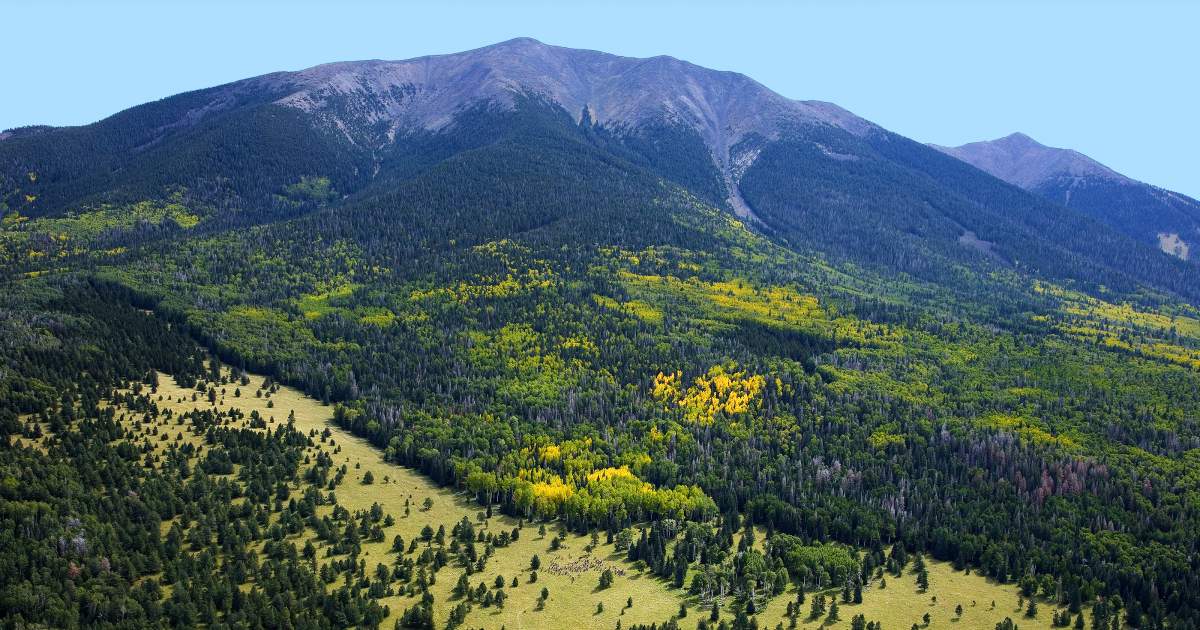
The city’s proximity to the San Francisco Peaks, the highest mountain range in Arizona, plays a significant role in its weather. These mountains act as a barrier, influencing precipitation patterns and creating diverse microclimates within a short distance. Travelers should always be prepared for quickly changing conditions, especially when venturing into higher elevations or exploring wilderness areas. Layers are not just a suggestion but a necessity for comfort in Flagstaff across all seasons.
The Role of Elevation and Geography
The high elevation is the primary driver of Flagstaff’s’s cooler temperatures and ample snowfall. At 7,000 feet, the air is thinner, and the sun’s rays can feel more intense, even in cooler temperatures. This also means that UV protection is important year-round. The surrounding ponderosa pine forests contribute to a distinct scent in the air and provide a natural buffer against extreme heat. The volcanic history of the region is evident in the landscape, from the peaks themselves to nearby attractions like Sunset Crater Volcano National Monument, all of which contribute to the scenic beauty that travelers come to experience. Understanding this geographical context helps travelers appreciate why Flagstaff stands out as a unique climatic zone within Arizona.
Seasonal Travel: What to Expect and How to Prepare
Each season in Flagstaff offers a distinct travel experience, dictating different activities, packing strategies, and scenic vistas.
Winter (December – February)
Winter in Flagstaff is a true wonderland, characterized by cold temperatures and significant snowfall. It is one of the snowiest cities in the United States, receiving an average of over 100 inches annually. This makes it a prime destination for winter sports enthusiasts.
- Temperatures: Average highs range from 30-40°F (-1 to 4°C), with lows often dipping into the teens or single digits (-12 to -7°C). Bitterly cold periods can occur, especially at night.
- Snowfall: Heavy snowfall is common, transforming the city and surrounding forests into a picturesque, snow-covered landscape. Snow can persist on the ground for extended periods.
- Travel Experience: This is peak season for skiing and snowboarding at Arizona Snowbowl. Other popular activities include snowshoeing, cross-country skiing, and sledding. Downtown Flagstaff looks charming with holiday lights and often a blanket of snow.
- Packing Essentials: Heavy winter coat, waterproof and insulated boots, gloves, hats, scarves, thermal base layers, and moisture-wicking socks. For driving, consider having snow tires or chains, as road conditions can vary dramatically. Check road closures before traveling, especially on mountain passes.
Spring (March – May)
Spring is a transition period, bringing warming temperatures but also unpredictable weather. It can still snow in March and April, sometimes heavily, but sunny days become more frequent. Wildflowers begin to bloom in late spring.
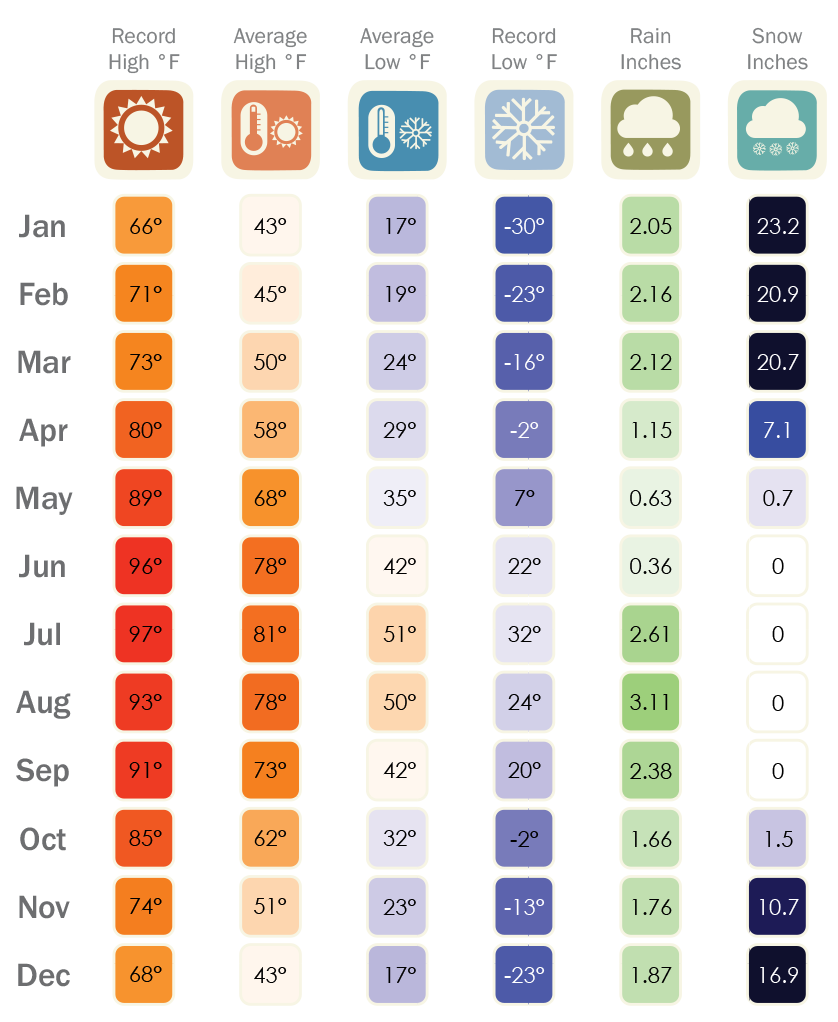
- Temperatures: March sees average highs in the 40s-50s°F (4-10°C), gradually climbing to the 60s°F (15-20°C) by May. Nights remain cool, often in the 20s-30s°F (-6 to 4°C).
- Precipitation: Snow is possible early in the season, giving way to occasional rain showers.
- Travel Experience: As the snow melts, hiking trails begin to open up, offering beautiful opportunities to explore. It’s an excellent time for visits to nearby national monuments like Walnut Canyon National Monument or Wupatki National Monument. The shoulder season offers fewer crowds than summer.
- Packing Essentials: Layers are crucial. Pack a warm jacket for mornings and evenings, lighter jackets or fleeces for daytime, sturdy hiking shoes, and perhaps a waterproof shell. Sunscreen and sunglasses are also recommended.
Summer (June – August)
Summer is Flagstaff’s’s most popular travel season, offering a cool respite from the heat of the lower Arizona desert. While pleasant, afternoons can bring the famous monsoon thunderstorms.
- Temperatures: Daytime highs typically range from 70-80°F (21-27°C), with comfortable nights in the 40s-50s°F (4-10°C). This makes for perfect sleeping weather.
- Monsoon Season: From mid-July through August, daily afternoon thunderstorms are common. These are usually brief but intense, bringing heavy rain, lightning, and sometimes hail.
- Travel Experience: Ideal for hiking, mountain biking, camping, and exploring the vast outdoor recreation opportunities. Grand Canyon National Park is a popular day trip, and Flagstaff serves as an excellent base. Enjoy strolls down historic Route 66.
- Packing Essentials: Light layers, including short-sleeved shirts, shorts, and long pants. A light jacket or sweater for evenings is a must. Bring a rain jacket or umbrella for monsoon season. Sturdy hiking shoes, a hat, sunscreen, and plenty of water are essential for outdoor activities.
Fall (September – November)
Autumn is arguably one of the most beautiful times to visit Flagstaff, as the extensive aspen groves turn brilliant shades of gold and yellow. The weather is generally crisp and clear, though temperatures begin to drop significantly as winter approaches.
- Temperatures: September sees highs in the 60s-70s°F (15-21°C), cooling to the 50s°F (10-15°C) in October, and then into the 40s°F (4-10°C) by November. Nights become increasingly cold, often dipping below freezing.
- Precipitation: Generally dry, with occasional rain. The first snowfalls typically occur in late October or November.
- Travel Experience: Leaf peeping is a major draw, with scenic drives along Oak Creek Canyon towards Sedona or trails around Lockett Meadow offering stunning foliage. It’s a fantastic time for hiking and enjoying the crisp air before winter sets in.
- Packing Essentials: Medium to heavy layers, including sweaters, fleeces, and a warm jacket. Comfortable walking or hiking shoes are a must. Gloves and a hat might be needed by late fall.
Engaging with Flagstaff’s Weather: Activities and Experiences
Flagstaff’s’s varied weather directly influences the types of activities and experiences available to travelers, making it a year-round destination for those who appreciate the outdoors and distinct seasonal shifts.
Outdoor Adventures for Every Season
- Winter Sports: The obvious choice is Arizona Snowbowl for downhill skiing and snowboarding. Cross-country skiing and snowshoeing trails are abundant in the Coconino National Forest, particularly around Lake Mary and the Flagstaff Nordic Center.
- Spring Hiking and Exploration: As snow recedes, trails become accessible for hiking and mountain biking. Explore volcanic landscapes at Sunset Crater Volcano National Monument and ancient ruins at Wupatki National Monument, both offering distinct experiences as the landscape greens up. Walnut Canyon National Monument offers a glimpse into cliff dwellings.
- Summer Escapes: The cool summer temperatures are perfect for tackling longer hikes on the Arizona Trail or exploring local favorites like Buffalo Park with its panoramic views. Camping in the surrounding national forest is also incredibly popular.
- Autumn Foliage Tours: Drive the scenic route through Oak Creek Canyon to Sedona for breathtaking fall colors. Hike specific trails known for aspens, such as those on the slopes of the San Francisco Peaks.

Indoor and Cultural Pursuits
While Flagstaff’s weather often invites outdoor activities, the city also offers a variety of indoor and cultural attractions for those inclement weather days or simply for a change of pace. Visit the Lowell Observatory, a historic site where Pluto was discovered, offering engaging exhibits and stargazing opportunities, particularly captivating on clear Flagstaff nights. Explore the Museum of Northern Arizona to learn about the region’s natural and cultural history. The historic downtown district, with its unique shops, art galleries, and restaurants, provides a warm retreat during colder months or a pleasant stroll during mild weather. Local breweries offer a cozy atmosphere to enjoy craft beers regardless of the forecast.
Understanding the typical weather patterns and being prepared for their variations is the key to unlocking the full potential of a trip to Flagstaff, ensuring comfort and enjoyment throughout your exploration of this high-altitude Arizona gem.
LifeOutOfTheBox is a participant in the Amazon Services LLC Associates Program, an affiliate advertising program designed to provide a means for sites to earn advertising fees by advertising and linking to Amazon.com. Amazon, the Amazon logo, AmazonSupply, and the AmazonSupply logo are trademarks of Amazon.com, Inc. or its affiliates. As an Amazon Associate we earn affiliate commissions from qualifying purchases.