
Understanding the weather in any travel destination is paramount to a successful and enjoyable trip. For those planning to visit Fontana, California, a vibrant city nestled in Southern California’s Inland Empire, knowing what to expect from the climate is key to packing appropriately, scheduling activities, and making the most of your experience. Fontana boasts a distinctive climate characterized by hot, dry summers and mild, wet winters, a pattern typical of the region but with its own local nuances.
Understanding Fontana’s Climate: A Traveler’s Overview
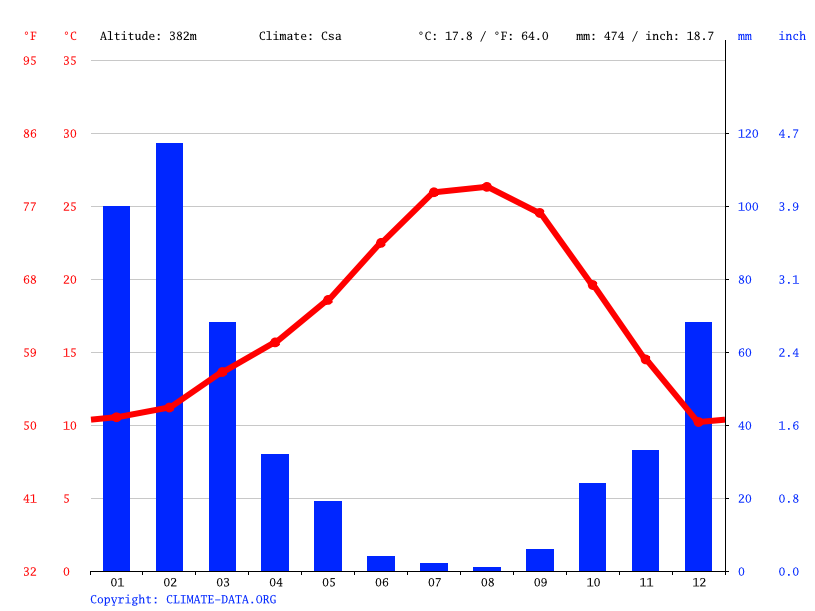
Fontana’s climate can be broadly categorized as Mediterranean, yet its inland location, approximately 50 miles east of the Pacific Ocean, gives it a more extreme temperature range than coastal cities. This geographical positioning means travelers will experience warmer summer highs and cooler winter lows compared to beach towns, without the moderating influence of ocean breezes.
Mediterranean Charm with Inland Nuances
The Mediterranean climate, prevalent across much of California, is defined by sunny skies for the majority of the year, with a pronounced dry season extending from late spring through early autumn. Fontana exemplifies this, offering abundant sunshine that contributes to its appeal as a destination for outdoor activities. However, unlike coastal areas, Fontana often experiences less fog and more intense heat during its peak summer months. The dry air typical of the Inland Empire means that while temperatures can soar, the lack of humidity often makes the heat more tolerable than in more humid climates. Travelers should anticipate low humidity levels, particularly in summer, which can lead to rapid dehydration if not managed with adequate water intake.
Microclimates and Elevation Effects
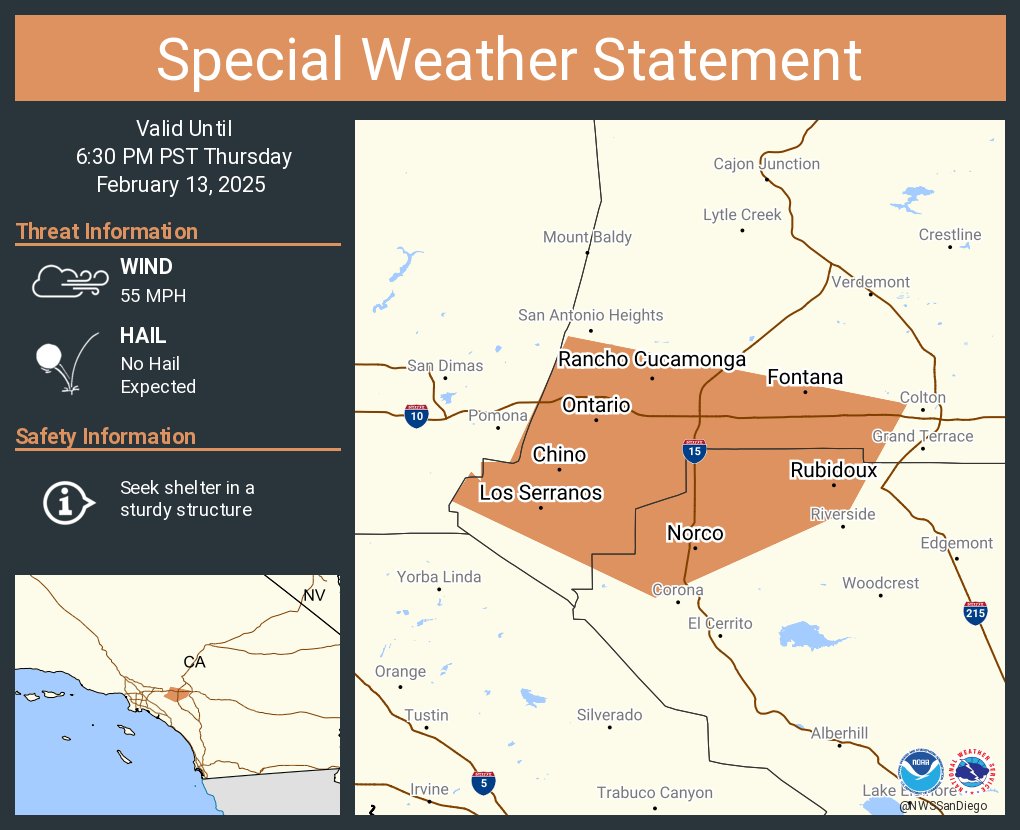
While Fontana itself lies at an elevation of roughly 1,200 feet, its proximity to the San Bernardino Mountains to the north introduces some localized microclimates. These higher elevations can experience cooler temperatures and even occasional snowfall in winter, though this rarely impacts the city center directly. For travelers venturing into the surrounding natural areas or national forests, understanding these slight variations is crucial. Within Fontana itself, the weather tends to be fairly uniform, but occasional wind patterns, particularly the Santa Ana winds, can bring unusually warm, dry, and often strong gusts, typically in the autumn and winter months. These winds are a unique weather phenomenon that can impact air quality and pose fire risks, so travelers should stay informed of local advisories during these periods.
Seasonal Weather Patterns and Travel Implications
Each season in Fontana offers a distinct weather experience, influencing the types of activities and packing strategies best suited for your visit.
Summer (June – August): Hot and Dry
Summer is characterized by long, hot, and exceedingly dry days. Average daytime temperatures frequently climb into the high 90s Fahrenheit (35-37°C), often exceeding 100°F (38°C) during heatwaves. Nights offer some relief, cooling down to the mid-60s or low 70s Fahrenheit (18-22°C), but remain warm. Rainfall is virtually non-existent during these months.
Travel Implications: This is prime time for water-based activities or indoor attractions. Outdoor excursions are best scheduled for early mornings or late evenings to avoid the most intense heat. Staying hydrated is critical, and protective measures against the sun are non-negotiable.
Autumn (September – November): Pleasant Transitions
As summer wanes, autumn brings a welcome transition with more moderate temperatures. September can still feel very summery, but by October and November, daytime highs typically settle into the 70s and 80s Fahrenheit (21-30°C), with nights becoming comfortably cool, often in the 50s Fahrenheit (10-15°C). The air remains largely dry, though the chance of rain increases slightly towards late autumn. The Santa Ana winds are most common during these months, bringing intermittent periods of intense dryness and warmth.
Travel Implications: Autumn is often considered one of the best times to visit Fontana. The pleasant weather is ideal for exploring outdoor attractions, hiking, or enjoying local events without the extreme summer heat. Layering clothing is advisable, as temperatures can vary significantly between day and night.
Winter (December – February): Mild and Wet
Winter in Fontana is generally mild and constitutes the wettest part of the year. Daytime temperatures typically range from the low 60s Fahrenheit (15-18°C), occasionally dipping into the 50s (10-14°C) on cooler days. Nights are cool, often in the 40s Fahrenheit (4-9°C), with occasional dips near freezing, though frost is infrequent. Most of Fontana’s annual rainfall occurs during these months, primarily from Pacific storms, leading to several rainy days but also many clear, crisp ones.
Travel Implications: Winter travel to Fontana offers a chance to experience the region when it’s greenest. While rain gear is essential, many days will still be sunny enough for outdoor activities. This is an excellent season for exploring museums, enjoying local dining, or taking advantage of any indoor entertainment options.
Spring (March – May): Blooming and Breezy
Spring is a delightful season, marked by warming temperatures and blooming landscapes. Daytime highs steadily climb from the mid-60s to the high 70s Fahrenheit (18-26°C) as the season progresses, with nights remaining cool and comfortable, typically in the 40s and 50s Fahrenheit (4-15°C). While early spring can still see some rain, the weather becomes progressively drier and sunnier towards May. The area’s native chaparral vegetation bursts into life, making for picturesque scenery.
Travel Implications: Similar to autumn, spring is an ideal time for travel to Fontana. The comfortable temperatures and blossoming natural beauty are perfect for outdoor adventures, leisurely strolls, and enjoying local parks. Light layers are recommended, particularly for evenings.
Preparing for Fontana’s Weather: Essential Packing Tips
Effective packing is crucial for a comfortable journey to Fontana, ensuring you’re ready for its distinct seasonal conditions and daily temperature fluctuations.

Summer Travel Essentials
For summer visits, focus on lightweight, breathable clothing. Think cottons, linens, and moisture-wicking fabrics. Shorts, t-shirts, and sundresses will be your staples. A wide-brimmed hat, sunglasses, and high-SPF sunscreen are absolutely essential to protect against the intense Southern California sun. Comfortable sandals or open-toed shoes are suitable for daytime. Evenings, while cooler, rarely require more than a light jacket or long-sleeved shirt. Crucially, bring a reusable water bottle to stay hydrated, as the dry heat can be deceptively draining.
Cooler Season Layering
During autumn, winter, and spring, the key to comfort is layering. While daytime temperatures can be mild and pleasant, evenings and early mornings can be quite cool. Pack long-sleeved shirts, sweaters, and a medium-weight jacket. For winter, a slightly heavier coat or a warm fleece might be necessary for evenings. Closed-toe shoes are recommended, especially if there’s a chance of rain. If visiting in winter, an umbrella or waterproof jacket is a wise addition. Don’t forget long pants or jeans, as shorts may be too cool outside of peak daytime hours.
Sun Protection Year-Round
Regardless of the season, sun protection is a constant necessity in Fontana. The sun’s rays are strong throughout the year. Always carry sunscreen, even on cloudy days, and make sunglasses a permanent fixture in your travel bag. A hat is also highly recommended to protect your face and scalp from prolonged exposure. Even in winter, when temperatures are cooler, the sun can still cause sunburn and UV damage.
Weather and Activities: Maximizing Your Fontana Experience
The local weather significantly influences the best times and ways to enjoy Fontana’s attractions and experiences.
Outdoor Adventures and Optimal Seasons
Fontana offers numerous opportunities for outdoor recreation, from hiking and biking to motorsports. The Auto Club Speedway is a major draw, and race events often occur during more temperate months.
- Hiking and Biking: Spring and autumn are ideal for exploring trails in nearby natural areas or local parks like Cucamonga-Guasti Regional Park. The comfortable temperatures make these activities much more enjoyable.
- Golf: Courses like Sierra Lakes Golf Club are accessible year-round, but spring, autumn, and mild winter days offer the most pleasant conditions. Summer golf often means early tee times to beat the heat.
- Water Activities: During the hot summer months, any activity involving water, such as visiting splash pads or water parks in neighboring communities, becomes highly popular.
Indoor Attractions for Inclement Weather
Should you encounter one of Fontana’s occasional rainy winter days or particularly scorching summer afternoons, the city also provides excellent indoor options.
- Libraries and Community Centers: The Lewis Library and Technology Center offers a quiet, air-conditioned (or heated) respite with cultural events and resources.
- Shopping and Dining: Explore local eateries and shopping centers, which provide comfortable environments regardless of the weather outside.
- Arts and Entertainment: Check for performances or events at local venues like the Fountain Theatre.
Event Planning Considerations
If your visit coincides with a specific event or festival, always check its schedule and location in advance, and consider the prevailing weather conditions. Many outdoor events in Fontana are strategically planned for spring, autumn, or even early winter to avoid the summer’s intense heat. Always check local forecasts a few days before and during your trip to stay updated on any sudden changes, especially regarding high winds or extreme temperatures.
Long-Term Weather Trends and Climate Change Notes
Travelers to Fontana and Southern California should also be aware of long-term climate trends. The region is experiencing observable shifts, largely consistent with broader climate change patterns.
Increasing Heat and Drought Concerns
Over recent decades, Southern California has seen an increase in average temperatures, particularly during summer, and a heightened frequency and intensity of heatwaves. Drought conditions have also become more common and severe, impacting water resources and increasing the risk of wildfires, especially when coupled with strong Santa Ana winds. Travelers should be mindful of water conservation efforts and air quality alerts, which can become more frequent during prolonged dry periods or after wildfires.
Adapting to Future Conditions
For future visits, it’s prudent to anticipate that summers might continue to be hotter and potentially longer, while winters could see continued variability in rainfall. This underscores the importance of staying informed via reliable weather forecasts and local advisories. By understanding Fontana’s climate and being prepared for its specific conditions, travelers can ensure a safe, comfortable, and memorable exploration of this dynamic Inland Empire city.
LifeOutOfTheBox is a participant in the Amazon Services LLC Associates Program, an affiliate advertising program designed to provide a means for sites to earn advertising fees by advertising and linking to Amazon.com. Amazon, the Amazon logo, AmazonSupply, and the AmazonSupply logo are trademarks of Amazon.com, Inc. or its affiliates. As an Amazon Associate we earn affiliate commissions from qualifying purchases.