
As a vibrant and sprawling metropolis in the heart of North Texas, Fort Worth, Texas offers a compelling blend of Western heritage and modern sophistication. For travelers planning a visit, understanding the prevailing weather patterns is crucial for crafting an enjoyable and well-prepared itinerary. The climate here is characterized by distinct seasons, each bringing its own unique set of atmospheric conditions that can influence everything from packing lists to planned outdoor activities.
Understanding Fort Worth’s Climate Zones and Seasonal Variations
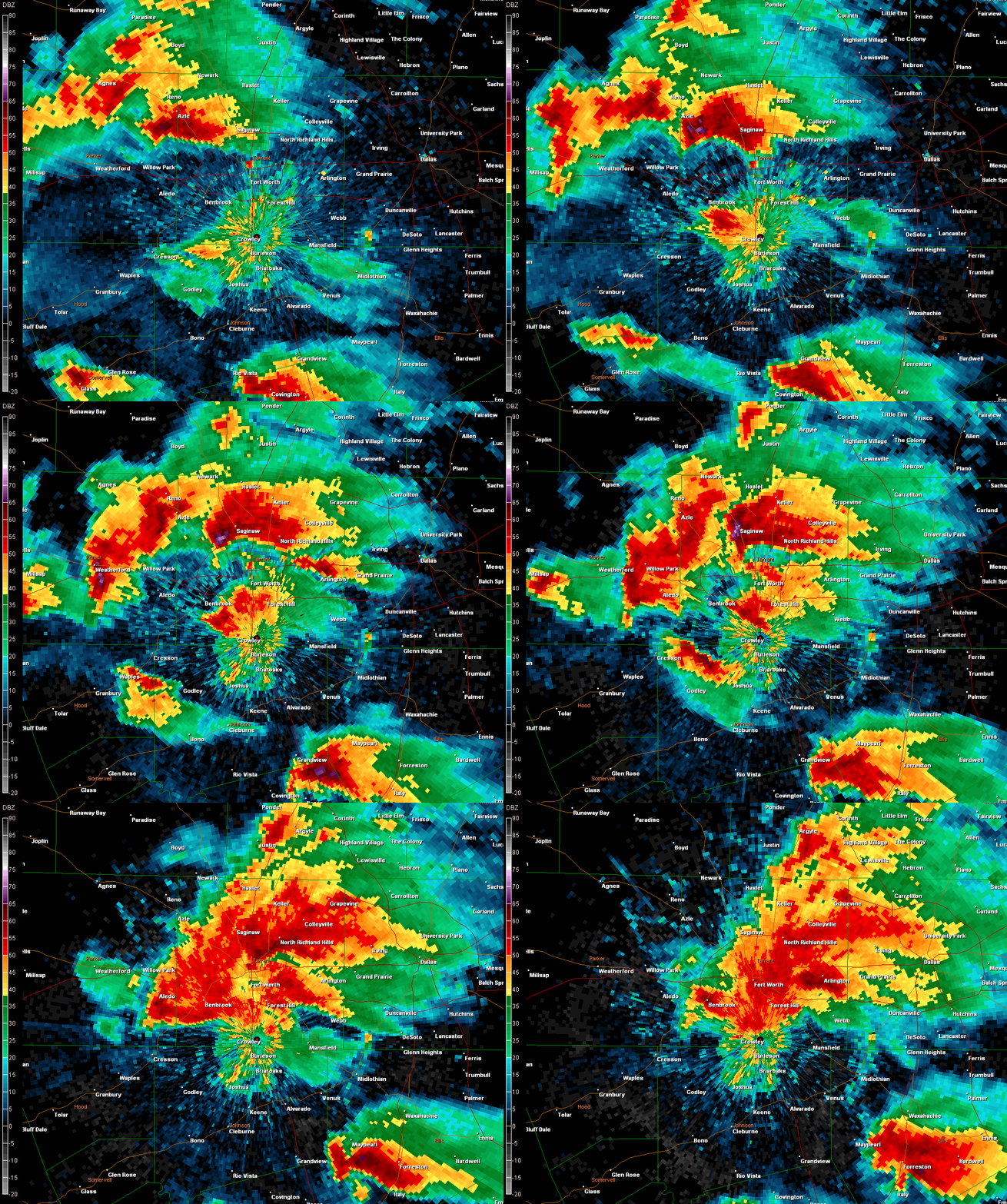
Fort Worth, Texas experiences a humid subtropical climate, a common classification for much of the southeastern United States. This means visitors can expect hot, humid summers and mild to cool winters, with a moderate amount of rainfall distributed throughout the year. The city is also part of the Tornado Alley, a region prone to severe thunderstorms and occasional tornadoes, particularly during the spring months. Awareness of these broader climatic trends is the first step in navigating the specific weather conditions you might encounter.
Summer: The Reign of Heat and Humidity
Summers in Fort Worth, Texas, typically from June through August, are characterized by prolonged periods of high temperatures and significant humidity. Daytime highs frequently soar into the 90s Fahrenheit (around 32-37 degrees Celsius), with overnight lows offering little respite, often remaining in the 70s Fahrenheit (around 21-26 degrees Celsius). The air often feels thick and heavy, making outdoor activities best suited for the early morning or late evening.
- Temperature Ranges: Expect average daily highs to hover between 90-98°F (32-37°C), with heat indices sometimes exceeding 100°F (38°C) due to humidity.
- Precipitation: While summers are generally drier than spring, sudden, intense thunderstorms can occur, often bringing brief but heavy downpours and a risk of hail. These storms can be quite localized, so one part of the city might experience a deluge while another remains dry.
- Humidity Levels: Humidity is a constant companion during the summer months, contributing to the oppressive feel of the heat. Relative humidity can easily reach 60-70% or higher during the day.
- Visitor Considerations: Hydration is paramount. Visitors should always carry water, wear light, breathable clothing made from natural fibers, and seek indoor, air-conditioned spaces during the hottest parts of the day. Evening events, such as outdoor concerts at the Sundance Square or exploring the Fort Worth Stockyards National Historic District, become more comfortable as the sun sets.
Autumn: A Pleasant Transition
The autumn season, from September to November, marks a welcome shift in Fort Worth, Texas’s weather. The oppressive heat of summer begins to wane, giving way to milder temperatures and lower humidity levels, making this one of the most pleasant times to visit.
- Temperature Shifts: September can still feel summery, but October and November bring delightful daytime highs in the 70s and 80s Fahrenheit (around 21-29 degrees Celsius), with crisp evenings dipping into the 50s and 60s Fahrenheit (around 10-15 degrees Celsius).
- Reduced Humidity: The air loses its heavy, sticky quality, becoming much more comfortable for extended outdoor exploration.
- Fall Foliage: While not as dramatic as in some other regions, visitors might catch glimpses of fall colors in parks and along the Trinity River as deciduous trees begin to change.
- Outdoor Activities: This season is ideal for exploring attractions like the Fort Worth Botanic Garden, enjoying a stroll through the Cultural District, or attending outdoor festivals. The cooler weather makes it more enjoyable to take in the sights and sounds of the city.
Winter: Mild and Sometimes Chilly
Winters in Fort Worth, Texas, from December through February, are generally mild compared to many other parts of the country. However, the region is not immune to occasional cold snaps.
- Temperature Fluctuations: Average daytime temperatures typically range from the 50s to low 60s Fahrenheit (around 10-17 degrees Celsius), but cold fronts can bring temperatures down into the 30s and 40s Fahrenheit (around 0-7 degrees Celsius), with occasional dips below freezing.
- Precipitation: Winter precipitation often takes the form of light rain, and occasionally, freezing rain or sleet can occur during cold snaps, though significant snowfall is rare.
- Frost and Ice: Frost is common on clear mornings, and icy conditions can develop on roads during freezing events, which can cause disruptions.
- Packing Essentials: Layers are key for winter visits. A light to medium-weight jacket, a sweater, and a scarf can be valuable additions to your wardrobe, even if you don’t anticipate prolonged cold. The mild days are still pleasant for visiting indoor attractions like the Kimbell Art Museum or the Modern Art Museum of Fort Worth.
Spring: The Season of Change and Thunderstorms
Spring, from March to May, is a period of dramatic transformation in Fort Worth, Texas. Temperatures begin to rise, the landscape bursts into bloom, and unfortunately, this is also the peak season for severe weather.
- Temperature Rise: March begins with cooler temperatures, but by May, the city is already experiencing heat that foreshadows the summer to come, with daily highs often reaching the 80s and even 90s Fahrenheit (around 27-37 degrees Celsius).
- Blooming Landscape: The spring rains, coupled with warming temperatures, bring a vibrant green to the landscape and cause flowers to bloom, adding a picturesque quality to parks and gardens.
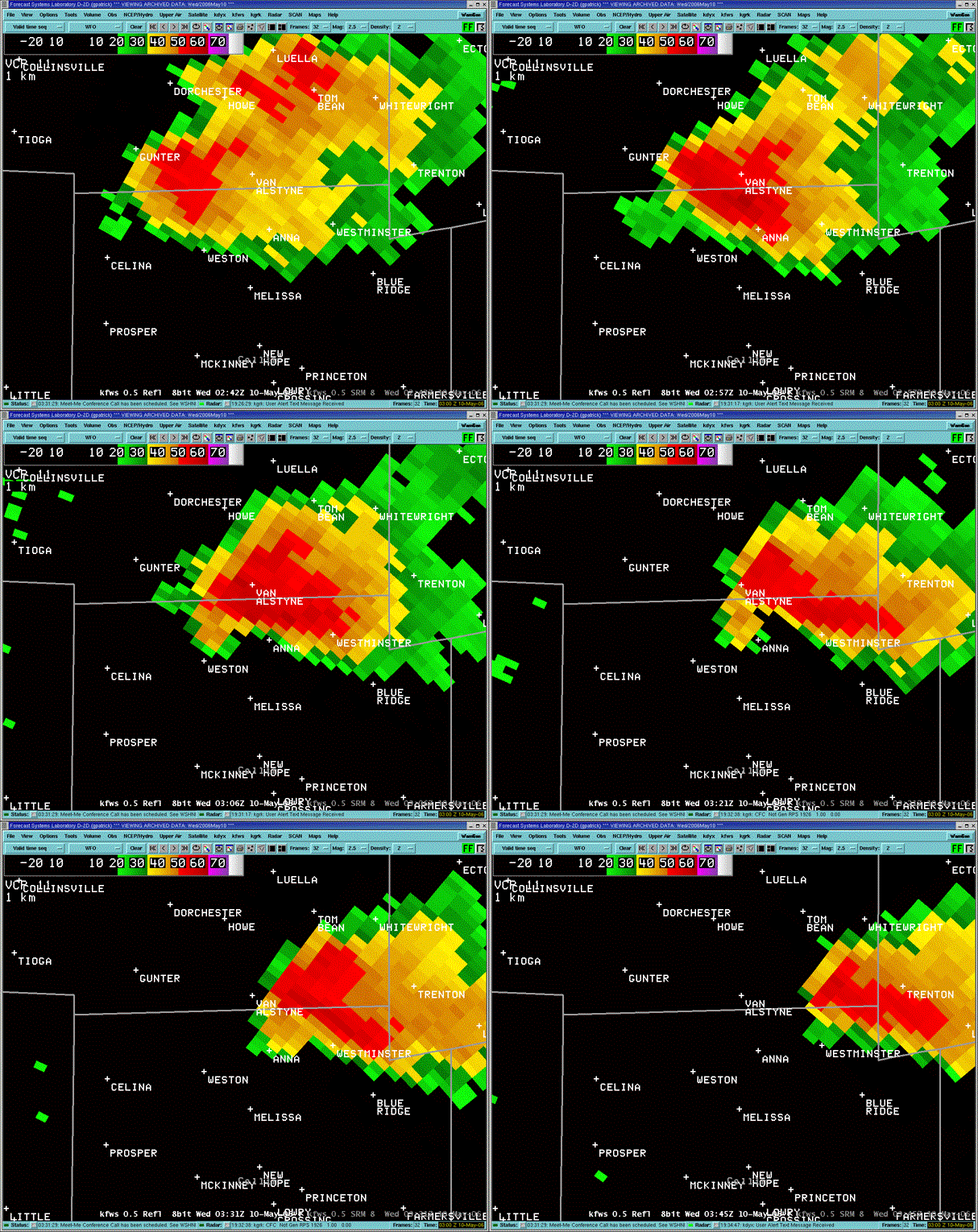
- Tornado and Thunderstorm Risk: The most significant weather concern during spring is the increased potential for severe thunderstorms, which can produce large hail, damaging winds, and tornadoes. This is due to the clash of warm, moist air from the Gulf of Mexico with cooler, dry air from the north.
- Preparedness: Travelers visiting during spring should stay informed about weather forecasts and be aware of severe weather safety procedures. The beauty of the spring bloom is undeniable, making it a popular time for outdoor festivals and activities, but visitors must remain vigilant. Attractions like the Fort Worth Zoo are particularly enjoyable during this season, weather permitting.
Preparing for Your Trip: Practical Weather-Related Tips
Regardless of the season you choose to visit, being prepared for Fort Worth, Texas’s weather will significantly enhance your experience.
Packing Smart for Every Season
- Summer: Lightweight, moisture-wicking clothing, wide-brimmed hats, sunglasses, high SPF sunscreen, and a reusable water bottle are essential. Pack sandals and comfortable walking shoes that allow for air circulation.
- Autumn: A mix of short-sleeved shirts, long-sleeved tops, light sweaters, and a medium-weight jacket will cover most scenarios. Comfortable walking shoes are a must for exploring the city.
- Winter: Layers are key. Include thermal base layers, sweaters, a warm jacket, a hat, gloves, and a scarf for colder days. Waterproof shoes can be beneficial if rain or sleet is in the forecast.
- Spring: Pack layers that can be easily added or removed. Include a light raincoat or umbrella, as spring showers are common. Comfortable walking shoes are essential.

Staying Informed and Safe
- Weather Apps and Forecasts: Utilize reliable weather apps and local news weather reports to stay updated on the latest forecasts. Pay close attention to severe weather alerts, especially during the spring.
- Emergency Preparedness: Familiarize yourself with the signs of severe weather and know where to seek shelter if a tornado warning is issued. Many public buildings, including hotels and museums, have designated safe areas.
- Flexibility: While planning is important, maintaining a degree of flexibility in your itinerary can be beneficial. Be prepared to shift indoor activities to outdoor ones or vice versa based on the day’s weather conditions.
By understanding the nuances of Fort Worth, Texas’s climate and seasons, travelers can better prepare for their visit, ensuring a comfortable, safe, and memorable experience exploring all that this dynamic city has to offer, from its rich history at the National Cowgirl Museum and Hall of Fame to its modern attractions like Symphony Hall.
LifeOutOfTheBox is a participant in the Amazon Services LLC Associates Program, an affiliate advertising program designed to provide a means for sites to earn advertising fees by advertising and linking to Amazon.com. Amazon, the Amazon logo, AmazonSupply, and the AmazonSupply logo are trademarks of Amazon.com, Inc. or its affiliates. As an Amazon Associate we earn affiliate commissions from qualifying purchases.