
For anyone planning a visit to Los Angeles, the question “What is the weather like today?” is more than just a passing curiosity; it’s a fundamental aspect of trip planning. Often romanticized as a city of perpetual sunshine and balmy breezes, Los Angeles’s climate is indeed one of its most alluring features, drawing millions of travelers year-round. However, beneath the veneer of endless blue skies lies a nuanced meteorological landscape that demands a bit more understanding from the discerning traveler. Far from a monolithic climate, LA boasts a fascinating array of microclimates, seasonal shifts, and daily variations that can significantly impact your travel experience, from what to pack to which activities to prioritize. Understanding these patterns isn’t just about comfort; it’s about optimizing your itinerary to truly embrace all that this vibrant Southern California metropolis has to offer. Whether you’re chasing the perfect beach day, planning a hike in the hills, or simply strolling through its iconic neighborhoods, a keen awareness of Los Angeles’s weather ensures your adventure is as seamless and enjoyable as possible. This guide delves into the realities of LA’s climate, helping you prepare for your today, whatever the forecast may bring.
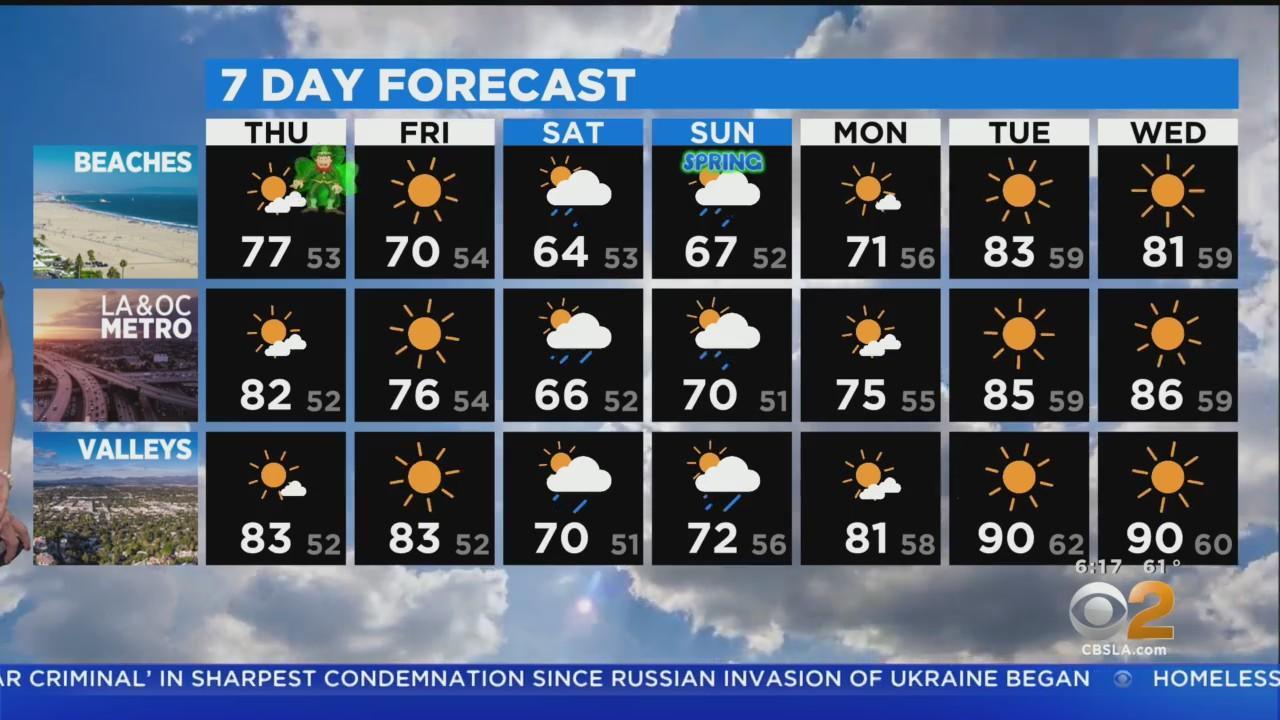
Navigating Los Angeles’s Famed Climate for Your Trip
Los Angeles’s climate is largely classified as a Mediterranean climate, characterized by warm, dry summers and mild, wet winters. This idyllic description, while generally accurate, barely scratches the surface of the region’s actual weather dynamics. For travelers, appreciating the subtleties of this climate is crucial for an informed and comfortable visit. It’s not just about knowing the average temperature; it’s about anticipating the daily swings, the localized conditions, and how these factors might influence your travel plans.
The Myth of Perpetual Sunshine: Understanding Seasonal Nuances
While Los Angeles enjoys an impressive number of sunny days annually, the idea of “perpetual sunshine” can be misleading. Each season brings its own distinct character, influencing everything from daylight hours to air quality.
- Spring (March to May): Often considered one of the best times to visit, spring in LA offers pleasantly warm days and cool evenings. Rain becomes less frequent, and the landscape is lush from winter showers. This period is ideal for outdoor activities, with comfortable temperatures for exploring parks, gardens, and urban attractions.
- Summer (June to August): This is Los Angeles’s peak tourist season, marked by abundant sunshine and high temperatures, particularly inland. Coastal areas benefit from the “June Gloom” or “May Gray” phenomenon – a persistent marine layer that often brings overcast skies and cooler temperatures in the mornings, burning off to sunshine by afternoon. While not truly gloomy, these mornings can surprise visitors expecting immediate bright sun. Humidity is generally low, making even higher temperatures feel more tolerable.
- Autumn (September to November): Many locals consider autumn to be the true “summer” in Los Angeles. The Santa Ana winds can bring exceptionally warm, dry conditions, sometimes leading to heatwaves even into October. Coastal fog diminishes, and skies are often clear, offering spectacular views. It’s a fantastic time for beach visits and enjoying outdoor dining without the intense summer crowds.
- Winter (December to February): Winters are mild, with average daytime temperatures hovering around 60-70°F (15-21°C). This is the wettest period, though rain typically comes in sporadic, intense storms rather than prolonged drizzles. Even in winter, sunny days are common. Snow is almost non-existent in the city basin but can be found in the nearby San Gabriel Mountains, offering a unique opportunity for skiing and beach-going on the same day.
Coastal Breezes vs. Inland Heat: LA’s Diverse Microclimates
One of the most fascinating aspects of Los Angeles weather, and perhaps the most critical for travelers, is its pronounced microclimates. The sheer geographical diversity of the region – from its sprawling coastline to its valleys and mountains – creates distinct weather patterns within relatively short distances.
- Coastal Areas (e.g., Santa Monica, Venice Beach, Malibu): These areas are heavily influenced by the Pacific Ocean. They tend to be cooler, foggier in the mornings (especially in late spring/early summer), and benefit from refreshing ocean breezes. Temperatures are generally milder year-round compared to inland regions.
- Downtown LA and Central Areas (e.g., Hollywood, Beverly Hills): These areas experience a moderate climate, often a blend of coastal and inland conditions. They are warmer than the coast but usually milder than the valleys, though the “urban heat island” effect can make them feel warmer.
- Valleys (e.g., San Fernando Valley, San Gabriel Valley): Shielded from ocean breezes by hills and mountains, these areas get significantly hotter in the summer and can be colder in the winter mornings. Temperature swings between day and night are more dramatic here.
- Mountainous Regions (e.g., Santa Monica Mountains): Elevations bring cooler temperatures and often different precipitation patterns. These areas are popular for hiking, where weather conditions can change quickly.
Understanding these microclimates means that while it might be 75°F (24°C) and sunny at Santa Monica Beach, it could simultaneously be 95°F (35°C) in the San Fernando Valley and 60°F (15°C) with fog near the Getty Center in the hills. Always check the forecast for your specific destination within Los Angeles, not just a general city-wide prediction.
Seasonal Travel Planning: What to Expect When You Visit
Your travel experience in Los Angeles will be profoundly shaped by the season of your visit. Each period offers unique advantages and requires specific considerations, particularly regarding weather. Aligning your expectations and preparations with the seasonal climate is key to a fulfilling trip.
Spring Blooms and Mild Adventures
Spring in Los Angeles is a period of rejuvenation. The landscape, refreshed by winter rains, bursts into color. Temperatures are mild and comfortable, making it an ideal time for active travelers.
- Activities: Perfect for hiking trails in Griffith Park or the Santa Monica Mountains, visiting botanical gardens like the Huntington Library, Art Museum, and Botanical Gardens, or enjoying outdoor patios. The comfortable temperatures are also great for exploring cultural attractions such as the Hollywood Walk of Fame without the intense heat.
- What to expect: Expect pleasant sunny days but be prepared for cooler evenings and possibly some lingering morning fog, especially closer to the coast. Occasional spring showers are also possible.
Summer Sun: Beach Days and Theme Park Thrills
Summer is synonymous with quintessential LA experiences: long beach days, surfing, and high-energy theme park adventures. It’s the warmest and driest season, attracting large crowds.
- Activities: Spend days lounging on Manhattan Beach, exploring the Santa Monica Pier, or riding rollercoasters at Disneyland or Universal Studios Hollywood. Evenings are vibrant with outdoor concerts and movie screenings.
- What to expect: Be ready for strong sunshine and high temperatures, especially inland. Coastal areas offer respite with cooler air and the famous “June Gloom” or “May Gray,” which can keep mornings overcast before burning off to bright sunshine. Hydration and sun protection are paramount.
Autumn’s Golden Glow: Ideal for Exploration
Often hailed as the best time to visit by locals, autumn brings reliably warm, clear days and comfortable evenings. The summer crowds dissipate, and the air feels crisp after the initial heatwaves.
- Activities: This is a prime time for anything outdoors, from vineyard tours in Malibu to exploring the expansive Exposition Park. Events like outdoor food festivals thrive. The absence of intense heat makes it perfect for urban exploration, visiting museums like the LACMA (Los Angeles County Museum of Art), or simply enjoying a stroll through charming neighborhoods.
- What to expect: Expect some of the warmest temperatures of the year, particularly when the Santa Ana winds blow, which can create very dry and hot conditions. Mornings are often clear, and evenings remain mild.
Winter Wonders: A Different Side of Southern California
Winter in Los Angeles offers a unique perspective. While certainly not frigid, it’s the season for occasional rain and cooler temperatures, providing a pleasant contrast to colder climates elsewhere.
- Activities: Take advantage of fewer crowds at popular attractions. This is a great time for cultural immersion, visiting indoor venues like the Broad Museum or attending live performances. On clear days, enjoy whale watching or take a scenic drive up the coast. If you’re adventurous, you can even ski in the nearby mountains and be back at the beach in the same afternoon.
- What to expect: Anticipate mild, often sunny days interspersed with periods of rain. Evenings can get quite chilly, so layering is essential. While rain can occur, it rarely dampens spirits for long, and many attractions offer excellent indoor alternatives.
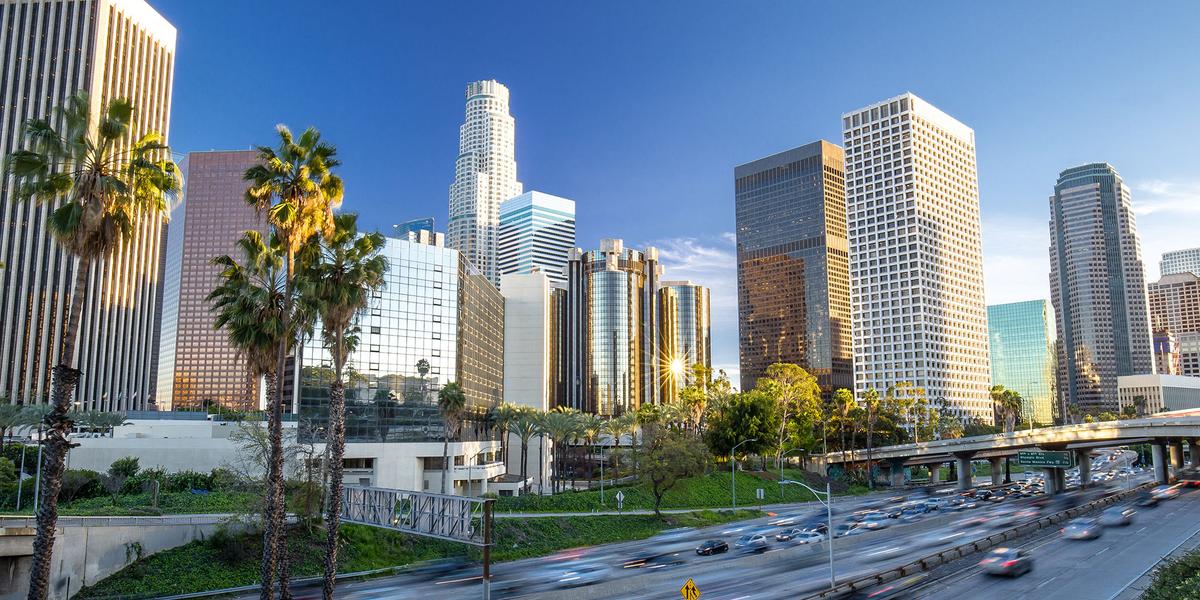
Packing Essentials: Dressing for Los Angeles’s Variability
Given Los Angeles’s diverse microclimates and daily temperature fluctuations, packing smart is paramount for any traveler. The key is versatility, ensuring you’re comfortable whether you’re by the beach, in a trendy Hollywood café, or hiking in the hills.
Layering: The Ultimate LA Wardrobe Strategy
Regardless of the season, layering is the golden rule for dressing in Los Angeles. Mornings can be cool or foggy, afternoons warm and sunny, and evenings surprisingly chilly, especially after sunset.
- Light outer layer: A light jacket, cardigan, or denim jacket is indispensable. It’s perfect for coastal breezes, air-conditioned interiors, and cooler evenings.
- Versatile tops: Pack a mix of short-sleeved shirts, blouses, and maybe a long-sleeved option, allowing you to adjust easily throughout the day.
- Bottoms: Jeans, comfortable trousers, shorts, and skirts will cover most situations. Remember that LA is generally casual chic, so comfort with a touch of style works well.
- Swimwear: Essential if you plan to hit the beaches, visit a hotel pool, or even just enjoy the sunshine.
Footwear for Every Terrain: From Beaches to Boulevards
Your footwear choice can make or break your Los Angeles experience, as you’ll likely be doing a fair amount of walking, whether on boardwalks, city streets, or nature trails.
- Comfortable walking shoes: A must-have for exploring attractions like the Hollywood Walk of Fame, museums, or shopping districts. Sneakers or stylish flats are ideal.
- Sandals/Flip-flops: Perfect for beach days, poolside relaxation, or casual strolls in warm weather.
- Dressier option: If you plan on experiencing Los Angeles’s vibrant nightlife or fine dining scene, a pair of slightly more formal shoes might be warranted, though even here, the vibe is often relaxed.
- Hiking shoes (optional but recommended): If you plan to explore the extensive hiking trails in Griffith Park or the Santa Monica Mountains, sturdy closed-toe shoes are advisable.
Don’t forget sun protection – sunglasses, a wide-brimmed hat, and high-SPF sunscreen are non-negotiable year-round, even on cloudy days. The Southern California sun is strong, and a sunburn can quickly spoil a travel day.
Weather-Proofing Your Los Angeles Itinerary
Armed with an understanding of Los Angeles’s climate and microclimates, you can now fine-tune your itinerary to make the most of your visit, come rain or shine. Flexibility and foresight are your best allies in maximizing your travel enjoyment.
Iconic Outdoor Attractions: Sunshine’s Best Friends
Many of Los Angeles’s most famous attractions thrive under clear skies. Planning these for the sunniest parts of the day or week is strategic.
- Beaches: Malibu, Santa Monica, Venice Beach, and Manhattan Beach are quintessential LA experiences. Aim for afternoon visits in summer to allow any morning fog to clear, or enjoy crisp clear mornings in spring and fall.
- Hiking and Scenic Views: Trails at Runyon Canyon Park or around the Griffith Observatory offer breathtaking panoramas of the city and the Hollywood Sign. Clear weather enhances these experiences significantly.
- Theme Parks: Disneyland and Universal Studios Hollywood involve extensive outdoor walking and waiting in lines. Sunny but mild days are ideal. During summer, plan to arrive early or stay late to avoid the midday heat.
Always check the local forecast for the specific area you plan to visit. If the beach forecast calls for fog, consider an inland activity, and vice versa.
Embracing Indoor Escapes: When the Weather Shifts
Even in sunny Los Angeles, there are days when the weather might not cooperate – be it unexpected rain, a rare cold snap, or even excessive heat that makes outdoor activities uncomfortable. Fortunately, the city offers a plethora of world-class indoor alternatives.
- Museums: Los Angeles is a cultural hub. Explore the Getty Center for art and architecture, the Broad Museum for contemporary art, the California Science Center (home to the Space Shuttle Endeavour), or the LACMA.
- Shopping: From the luxury boutiques of Rodeo Drive in Beverly Hills to the eclectic shops at The Grove, retail therapy is always an option.
- Culinary Adventures: Indulge in LA’s diverse food scene. Explore indoor food halls like Grand Central Market or try a new restaurant in any of LA’s vibrant neighborhoods.
- Entertainment: Catch a movie at one of Hollywood’s historic theaters, enjoy a live performance, or visit an indoor attraction like the Grammy Museum.

Special Considerations for Events and Festivals
Los Angeles hosts numerous outdoor events and festivals throughout the year. If your trip coincides with one, be sure to check its specific weather contingency plans. Many events proceed rain or shine, so dressing appropriately is crucial. For major events, such as concerts at the Hollywood Bowl or film festivals, an understanding of the expected weather helps you prepare for long waits or outdoor seating. Always consult the official event website for the most up-to-date information regarding weather-related changes.
In conclusion, “What is the weather in Los Angeles today?” is a dynamic question, but by understanding its seasonal rhythms, diverse microclimates, and best practices for packing and planning, you can ensure your travel experience is nothing short of spectacular, no matter the forecast. Los Angeles offers an unparalleled travel experience, and being weather-savvy is just one more way to unlock its full potential.
LifeOutOfTheBox is a participant in the Amazon Services LLC Associates Program, an affiliate advertising program designed to provide a means for sites to earn advertising fees by advertising and linking to Amazon.com. Amazon, the Amazon logo, AmazonSupply, and the AmazonSupply logo are trademarks of Amazon.com, Inc. or its affiliates. As an Amazon Associate we earn affiliate commissions from qualifying purchases.